Growth outlook slows again and ‘peace dividend’ fades, EBRD says

Weak external demand and the impact of conflicts slowed economic growth again in countries covered by the European Bank for Reconstruction and Development (EBRD), the lender said in a semi-annual report released on Thursday.The 0.3 percentage point revision, to 3.2% growth for 2025, is the bank's third straight downward change to the economic outlook for its region, which covers emerging Europe, central Asia, the Middle East and Africa.It warned that uncertainty around tariffs, trade wars, flagging European competitiveness and a fading "peace dividend" loomed over future prospects."What we see is subdued global growth momentum," said EBRD Chief Economist Beata Javorcik.Two of the largest 2025 growth forecast revisions - down more than 1 percentage point - were Hungary, where exports to Germany were "drastically reduced" last year, and Ukraine, where Russian attacks on electricity infrastructure weighed on the economy.While uncertainty over trade rules can by itself have a "significant detrimental effect" on trade, investment and production, Javorcik said, slowing growth in Germany would have an even more significant direct impact on EBRD economies than tariffs.Already, she said, there was anecdotal evidence of lower demand, for example from German automakers for Romanian IT services."What matters for our countries is this persistent differential…


TSX futures rise after RBC’s upbeat quarterly results

Futures for Canada's main stock index rose on Thursday, bolstered by the country's top lender Royal Bank of Canada's strong quarterly results and positive momentum from U.S. markets.March futures on the S&P/TSX index were up 0.4% at 7.00 a.m. ET (1200 GMT).Royal Bank of Canada (RY.TO) reported a higher first-quarter profit on Thursday, helped by strong performance in its wealth management unit.Other smaller peers Bank of Montreal (BMO.TO), Bank of Nova Scotia (BNS.TO) and National Bank of Canada (NA.TO) also exceeded profit expectations earlier this week, similarly benefiting from strong wealth management revenues.The top banks delivered positive earnings, aided by the Bank of Canada's rate cuts, while a favorable business stance in the U.S., a crucial market for Canadian lenders, further boosted sentiments.Wall Street futures gained ground as AI giant Nvidia's upbeat forecast eased industry demand concerns, while markets assessed the impact of the Trump administration's latest trade threats.U.S. President Donald Trump suggested Wednesday another month-long delay on new tariffs for Mexican and Canadian imports, potentially taking effect April 2. He also proposed a 25% "reciprocal" tariff on European automobiles and other goods.In commodities, gold prices fell over 1% to its lowest level in more than a week, as the…

Global shares to keep rising, say strategists unbothered by trade ructions

Stock market strategists are sticking to their positive view on the performance of global equity markets, expecting solid gains in even the most beaten-down indexes in India and Japan, according to the latest quarterly Reuters polls.The United States under President Donald Trump threatening to impose tariffs on its traditional allies and appearing to take Russia's side in the three-year war with Ukraine does not appear to have shaken their resolve.Slightly more than half of the strategists - 48 of 86 - at banks and brokerages polled by Reuters on February 13-25 expected a correction in their local market in the coming three months, roughly the same proportion compared with a November survey, suggesting the overall risk outlook has not changed much."There is an inherent paradox between this very high level of uncertainty we have on a number of metrics and the fact stock markets seem to be still doing well," said Frederik Ducrozet, head of macroeconomic research at Pictet Wealth Management."Large broad-based tariffs are not priced in. The first reason is obviously the market assumption Trump is using those tariffs as first and foremost a negotiation tool, a leverage to extract concession from countries. The other is despite all his…

Investors bet on sharpest U.S.-Europe inflation divergence since 2022

Traders who bet on the future course of inflation foresee the sharpest divergence for three years between the U.S. and euro zone, driven by different growth paths, tariff threats and cheaper European energy after a potential Ukraine peace deal.That gap is not fully reflected in U.S. and euro zone bond yields, however, as investors are eyeing other factors including recent tepid U.S. economic data and expectations that European countries might need to spend more on defence.Inflation swap markets late last week pointed to U.S. consumer price index (CPI) inflation running at about 2.8% over the next two years, with euro zone inflation swaps at around 1.9%. That would mark a small fall from a current U.S. CPI rate of 3% and a sharper one from euro zone inflation of 2.5%.Pricing for both has fallen slightly since, but the gap between the two remains at its widest since early 2022.Yields on U.S. Treasury bonds have nevertheless fallen compared to those in Europe in recent weeks as some weaker-than-expected data releases have sown doubts about growth, even as sticky inflation remains a concern."I think it's really, really hard to trade cross-markets when you have different drivers affecting the different markets," said Guillermo…

BlackRock to reassess Australian exposure amid stretched valuations, weak growth

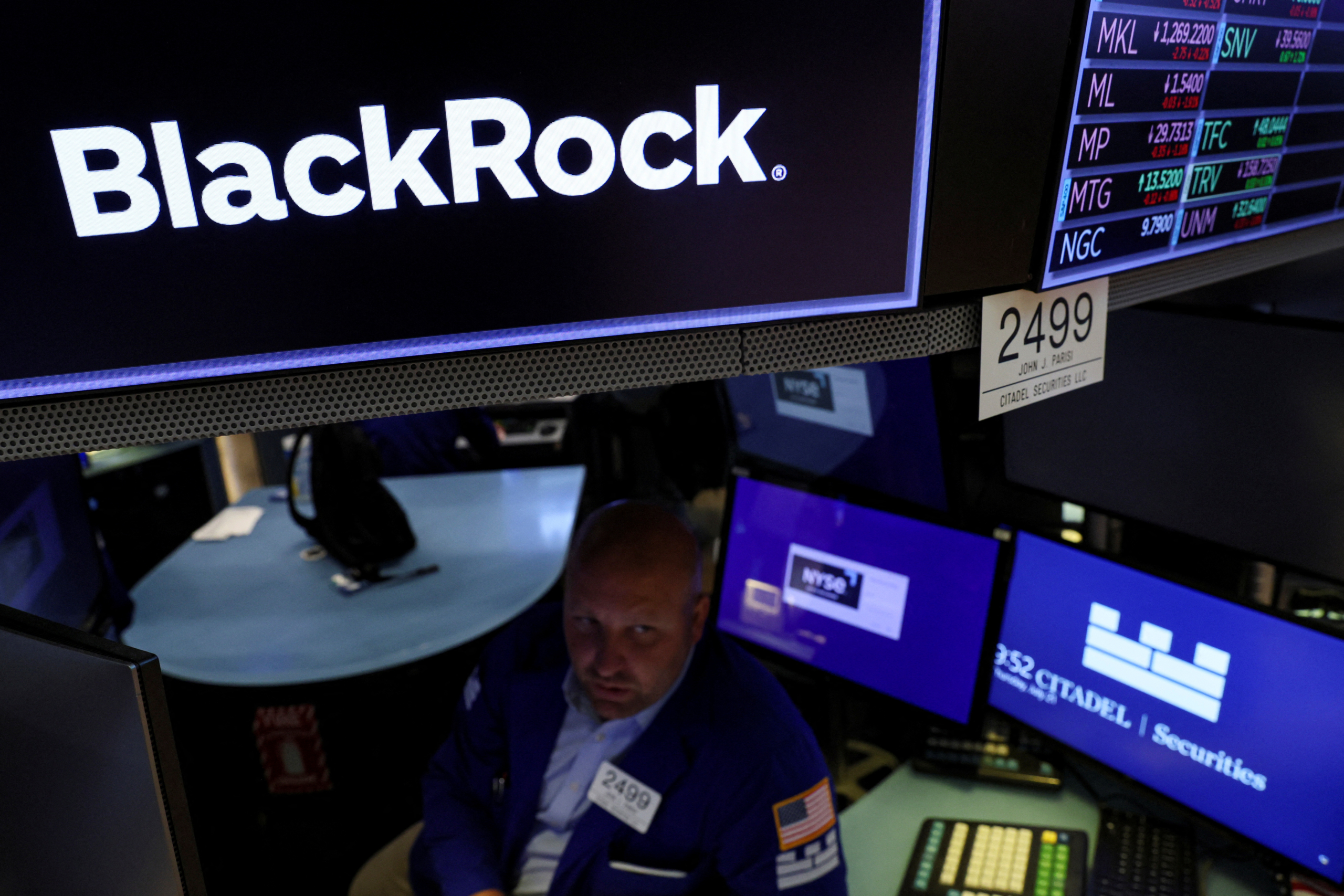
BlackRock (BLK.N), the world's largest asset manager, said on Thursday it was considering shifting focus away from Australia due to stretched valuations and weak growth, eyeing better opportunities in other markets like the U.S. and Japan.Katie Petering, who leads BlackRock's investment strategy in Australia and New Zealand where it manages nearly $100 billion for clients, said an uncertain global outlook meant it was reassessing its strategic asset allocation and making tactical calls to diversify its portfolio."We're in an environment where there's a lot more uncertainty and volatility. So as multi-asset investors we try and build items in the portfolio that give ballast to the portfolio," she told reporters at a media roundtable in Sydney.BlackRock said it was "pro-Japan" due to recent corporate reforms and inflation, which helped companies with pricing power, while also being overweight on U.S. equities.In contrast, the firm said Australian asset valuations had become stretched by weak economic growth and a prolonged period of high interest rates."In Australia, one thing that we're looking at is that the local market has probably stretched valuations and there's probably not as strong a growth outlook as other countries. So we're considering that," Petering said.BlackRock's Australian share investments include BHP (BHP.AX),…

Aussie home prices to rise only modestly this year as affordability bites - Reuters poll

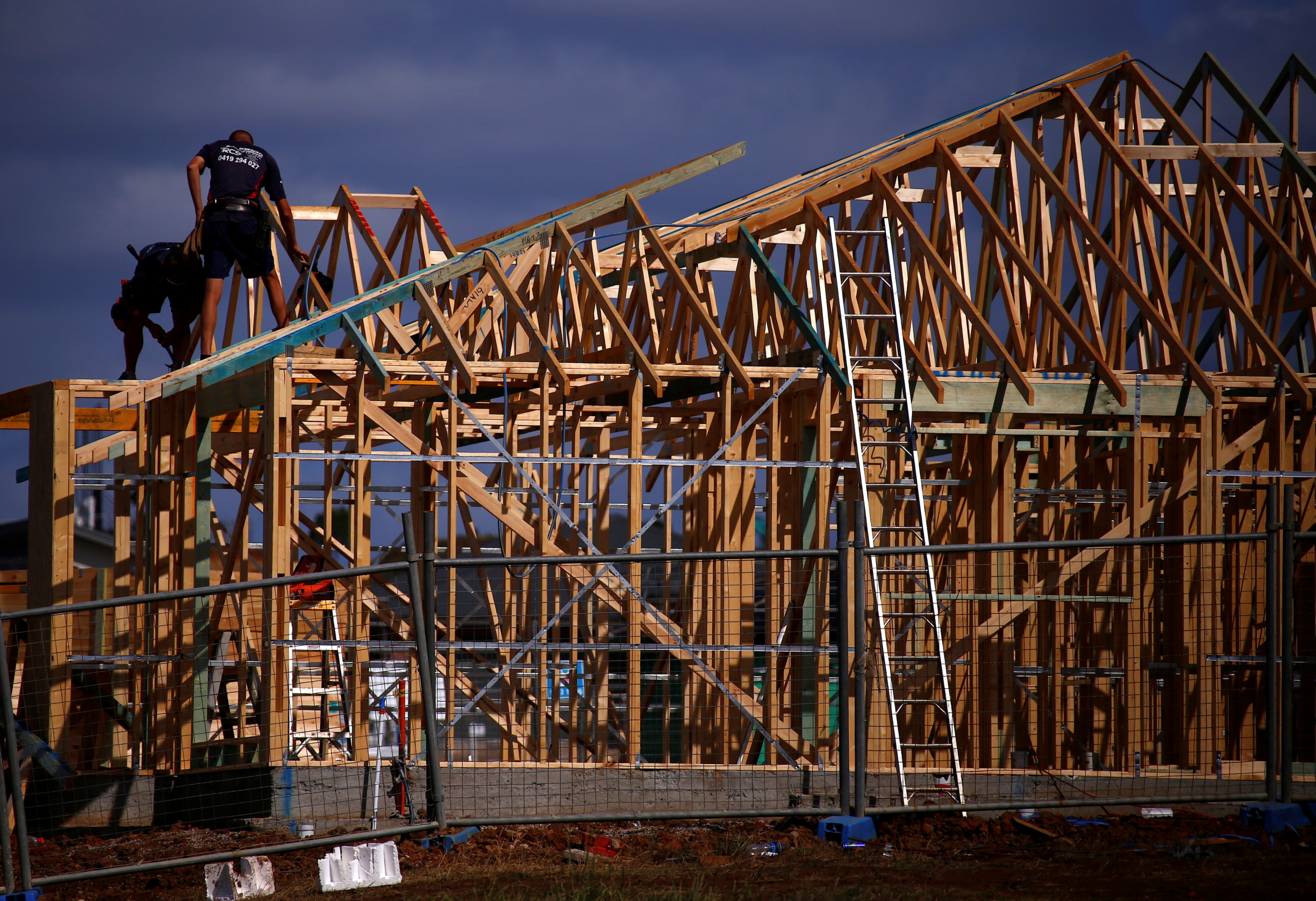
Home prices in Australia will rise less quickly this year than previously thought, with only modest support from further interest rate cuts, according to a Reuters poll of property analysts.A shortage of new homes, together with a stretched price to income ratio after a more than 40% jump in prices over the past five years, is expected to keep many aspiring first-time homeowners out of the market.The Reserve Bank of Australia cut its cash rate by 25 basis points to 4.10% in February, its first cut in four years, and is expected to cut twice more this year but analysts said such cuts would not ease fundamental affordability pressures.The February 17-26 Reuters survey of 16 real estate analysts predicted home prices would rise 3.7% this year, less than a November poll forecast, following a 5.0% rise last year and 8.0% in 2023.Analysts forecast roughly 5% rises in 2026 and 2027."You have to be middle-aged and above-average earning to enter the housing market," said Johnathan McMenamin at Barrenjoey, adding that home ownership in Australia remained "a luxury"The average asking price of an Australian property was A$814,293 in February, according to CoreLogic, nearly eight times the average annual income and nearly 12…

Dollar firms on US trade policy anxiety; Nvidia provides little steer for stocks

The U.S. dollar firmed in early Asian hours on Thursday as Treasury yields ticked higher while investors assessed the outlook for tariffs and the economy under President Donald Trump.Asian stocks were mixed with tech shares around the region getting little steer from heavyweight U.S. chipmaker and AI darling Nvidia's earnings overnight.Cryptocurrency bitcoin languished below $85,000, while safe-haven gold was steady some $40 below its record high as trade war worries kept market sentiment fragile.Trump clouded the outlook for looming levies on top trading partners Canada and Mexico on Wednesday by signalling they would take affect on April 2, which would be another month-long extension.However a White House official later said the previous March 2 deadline for the levies remained in effect "as of this moment", stirring further uncertainty about U.S. trade policy.U.S. two-year Treasury yields rose to 4.09%, finding their footing following a slump to the lowest since November 1 at 4.065% in the prior session. The 10-year yield rose to 4.2772% from a low of 4.245% on Wednesday, a 2-1/2-month trough.The dollar and U.S. yields have been under pressure in recent weeks as a run of soft economic indicators have combined with growth worries arising from Trump's tariffs.Traders have…

New Zealand business confidence rises as economy recovers – ANZ

New Zealand's business confidence rose in February as the economy remains on a path to recovery, an ANZ Bank survey showed on Thursday.The survey's headline measure showed a net 58.4% of respondents expected the economy to improve over the year ahead, versus a 54.4% optimism level in the previous poll in January.A net 45.1% of respondents expected their own businesses to grow in the next 12 months, down from 45.8% last month."The economy remains on the path to recovery as interest rates fall and our commodity export prices outperform expectations," ANZ chief economist Sharon Zollner said in a note."It seems clear from a wide range of indicators that the economy returned to positive growth in the last three months of last year."Source: Reuters.com

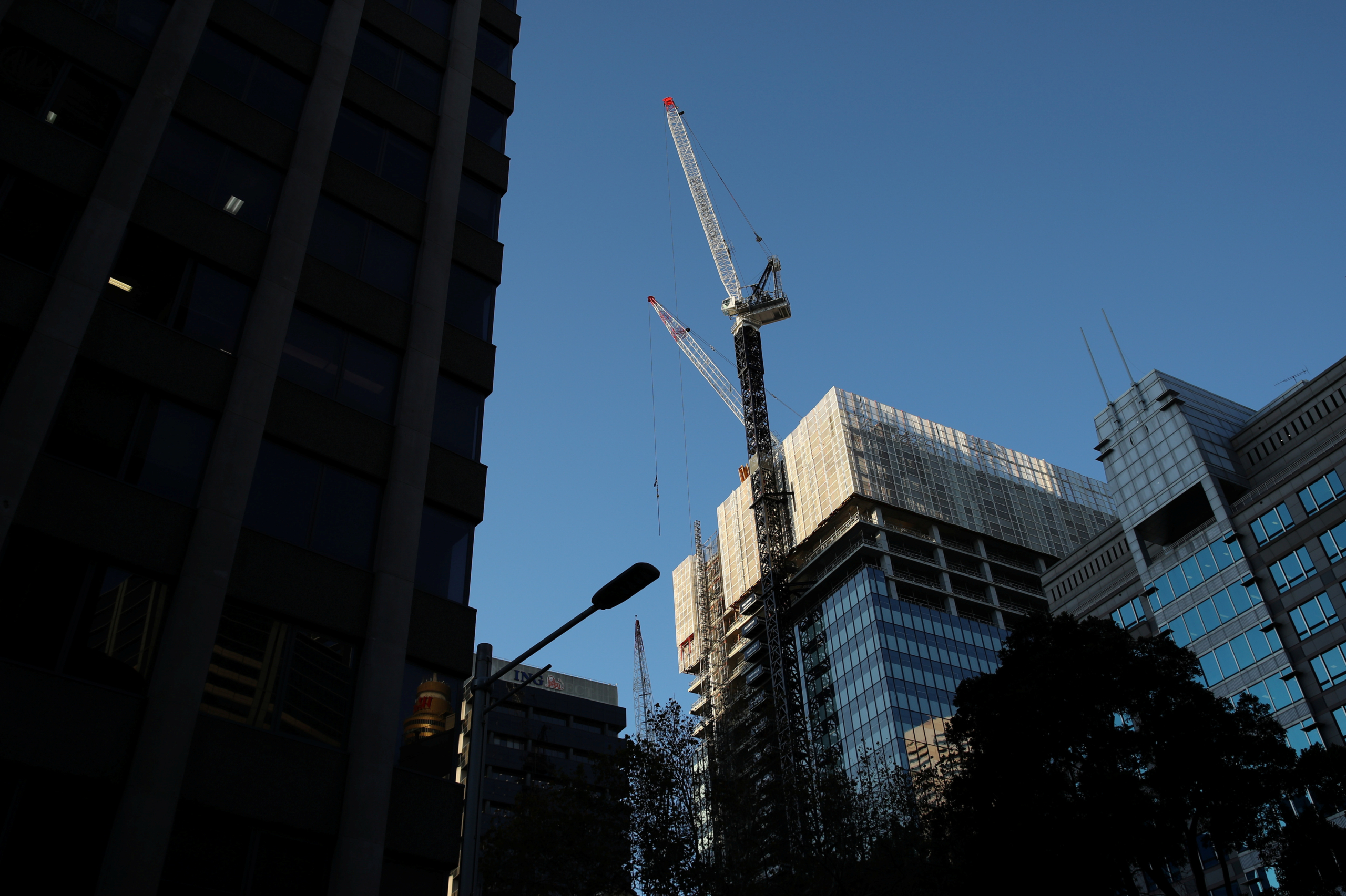
Australia Q4 business investment dips 0.2%, misses forecasts

Australian business investment unexpectedly dipped in the December quarter as a pullback in mining and construction outweighed strength in data centres, suggesting a slight drag on economic growth.Data from the Australian Bureau of Statistics on Thursday showed private capital spending fell an inflation-adjusted 0.2% in the fourth quarter from the previous quarter, when it rose an upwardly revised 1.6%. Market forecast had been for an increase of 0.8% in the December quarter.Spending on buildings and structures rose 0.2%, while spending on plant and machinery fell 0.8%. An ABS survey of firms showed they planned to spend A$148 billion ($93.28 billion) in the fiscal year to June 2026.($1 = 1.5865 Australian dollars)Source: Reuters.com

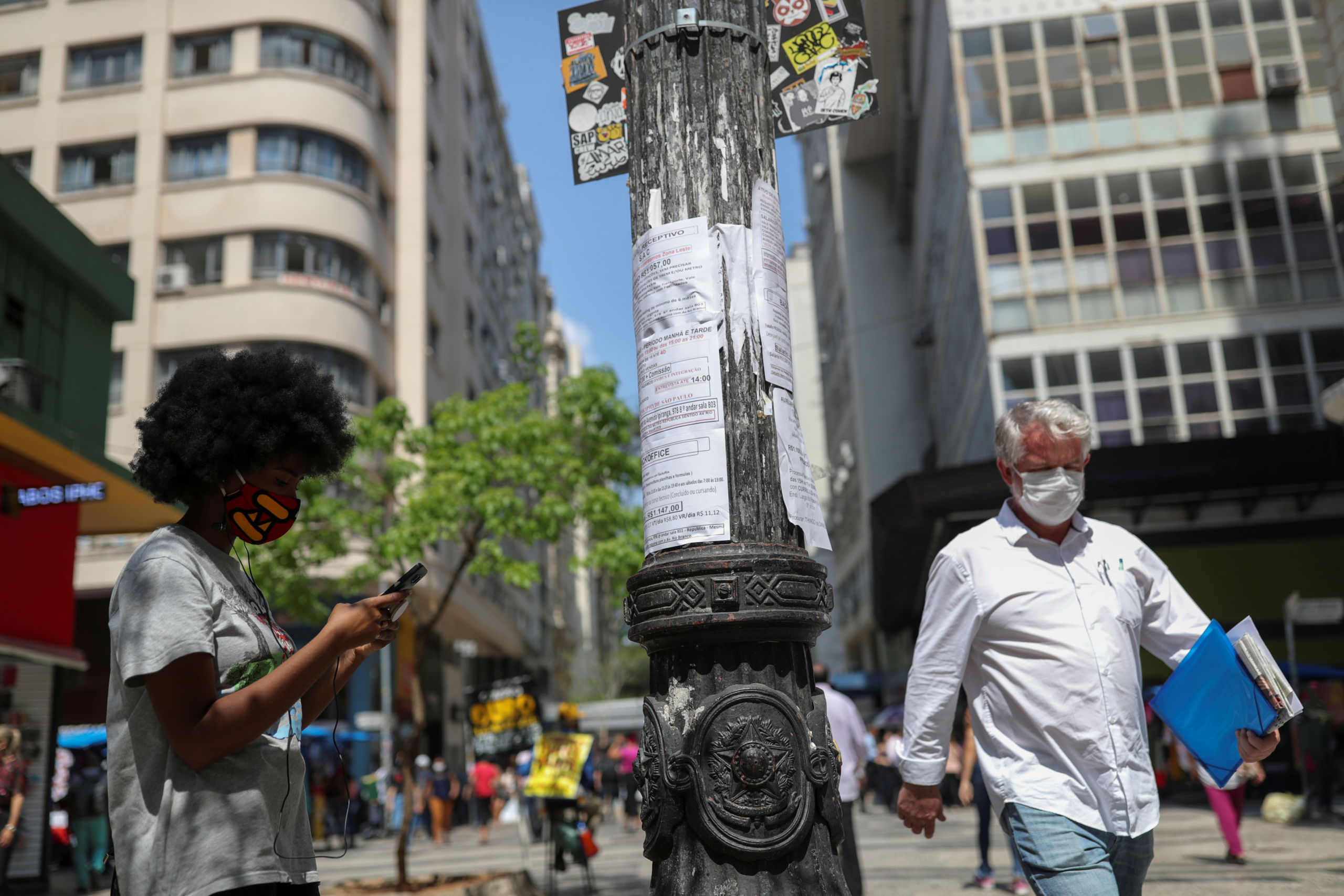
Brazil creates almost three times the expected number of formal jobs in January

Brazil's economy created nearly three times as many formal jobs in January as expected, defying recent economic indicators pointing to a slowdown.According to data from the Labor Ministry released on Wednesday, Latin America's largest economy created a net 137,303 formal jobs in January, far exceeding the 48,000 forecast in a Reuters poll of economists.The result was driven by the industrial sector, which alone created 70,428 jobs, surpassing the services sector, which traditionally holds the top spot as the largest job creator in the country.Weak services sector, industrial output and retail sales figures for December had suggested an economic slowdown, which if confirmed could prompt the central bank to adopt a less aggressive stance to tame inflation.Policymakers have raised interest rates by 275 basis points since the start of a tightening cycle in September, bringing them to 13.25%, and have already signaled a 100 basis-point hike for the upcoming March policy meeting.Economists surveyed by the central bank on a weekly basis project rates to end this year at 15%.Despite the positive surprise in formal job creation, January's result was lower than the 173,233 jobs added in the same month last year, according to the adjusted series.Source: Reuters.com