Trump’s tariff roulette: The markets left reeling from trade threats

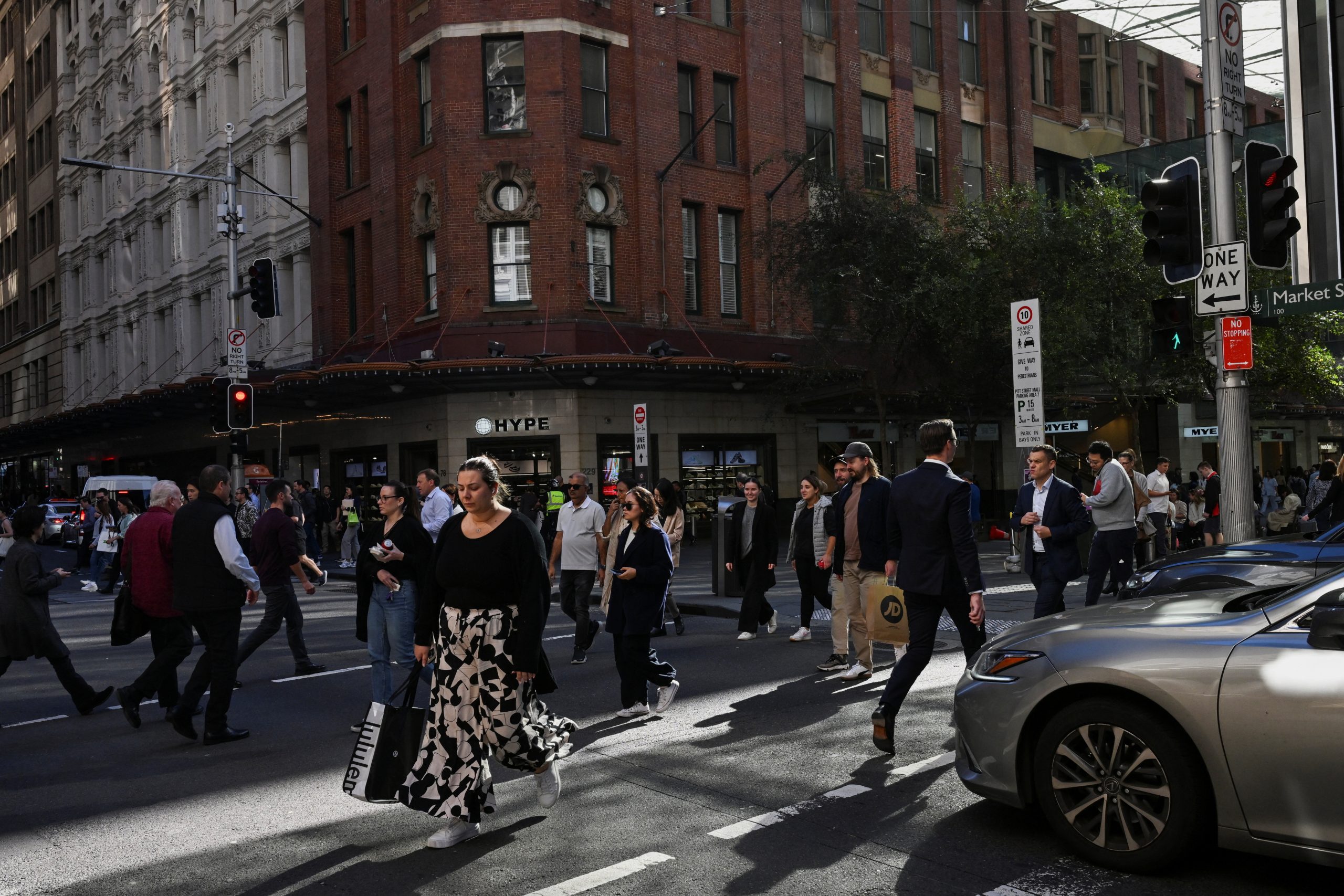
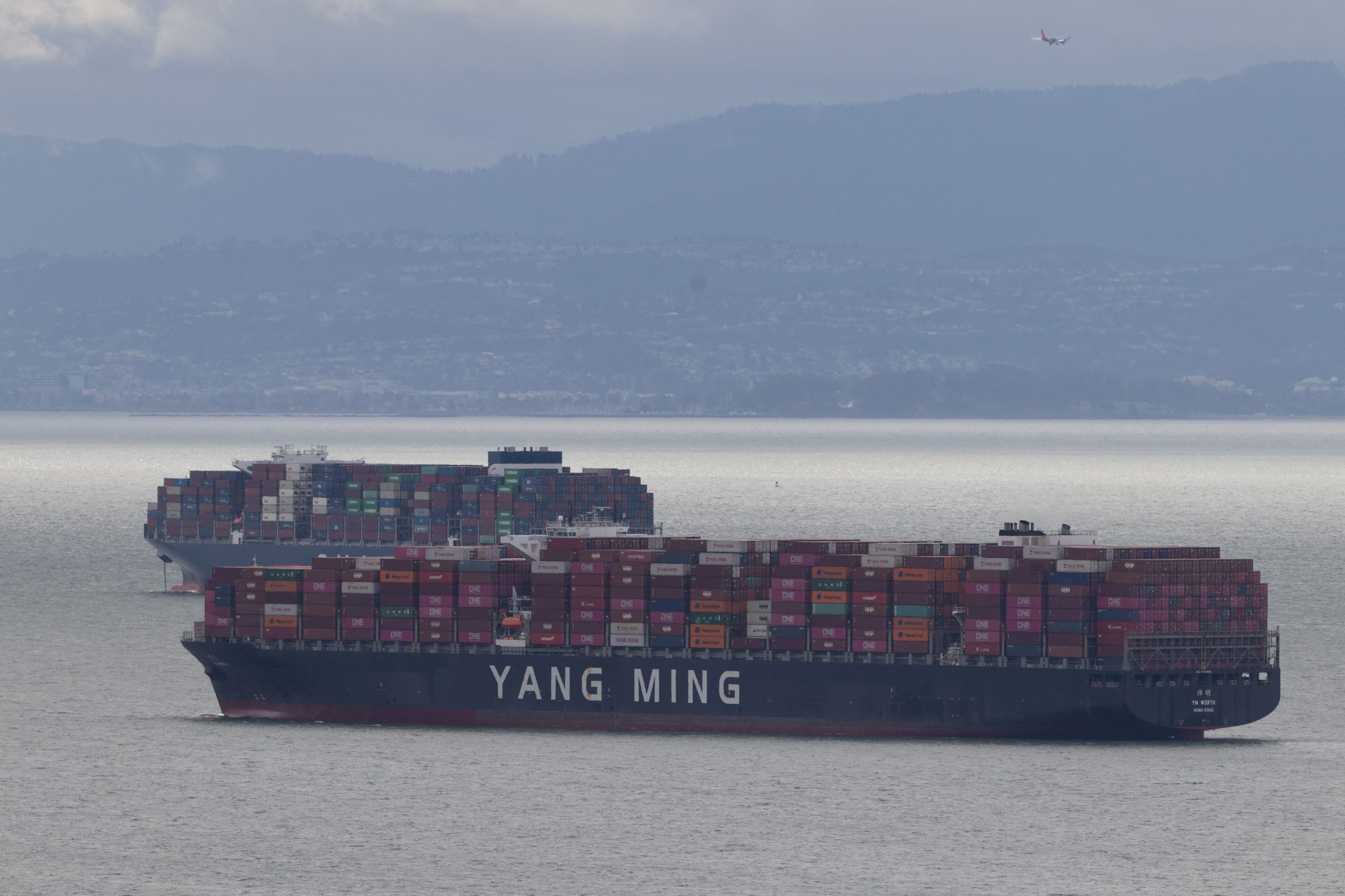
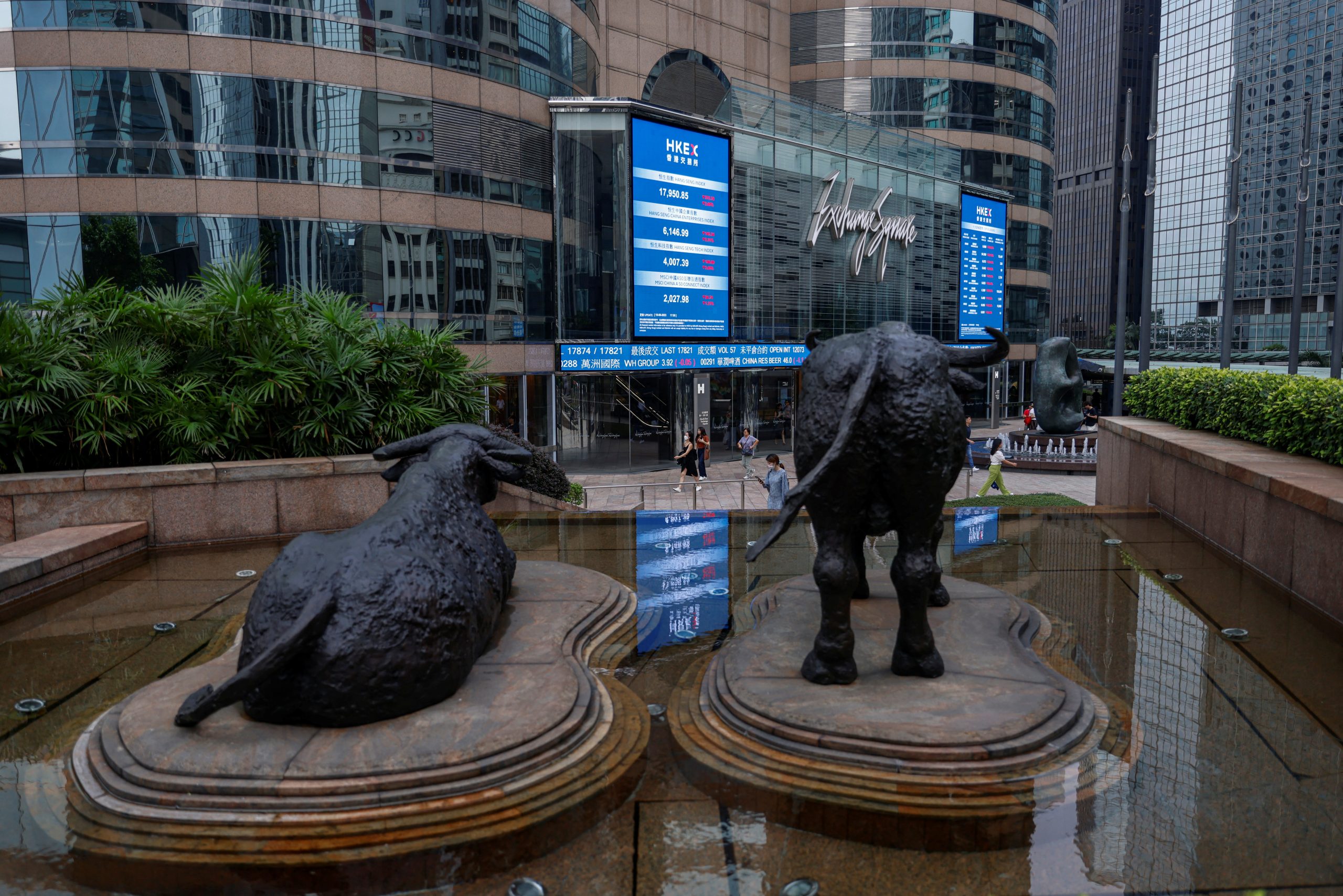
U.S. President Donald Trump's ability to swiftly impose, and then delay, tariffs on top trading partners has left world markets swinging one way and then another.Last weekend, for example, he announced sweeping tariffs on Canada, Mexico and China, and then on Monday he announced one-month delays for Canada and Mexico.These moves show that the risk of a global trade war that hurts economic growth and fuels inflation remains high."The warning shot that has been fired by the White House has confused the world at large," said Tina Fordham, founder and geopolitical strategist at Fordham Global Foresight."Who's next? How will we know if we will be on the sharp end of U.S. tariff ire? And how do we respond? Acquiesce, or hit back?"Here's where some hard-hit markets stand almost a week after Trump launched his salvo:1/ SHAKEN LOONIECanada's dollar , has been in the firing line, briefly hitting over 20-year lows before rebounding on the tariff delay, leading to its largest single-day swing in nearly five years.But the reprieve for the so-called Loonie may not last since the prospect of 25% tariffs remains.Even if tariffs are avoided, uncertainty could weigh on business activity, keeping Canada on a rate-cutting path.The loonie ended…
Global equity funds face outflows as Trump’s tariff threat fuels caution

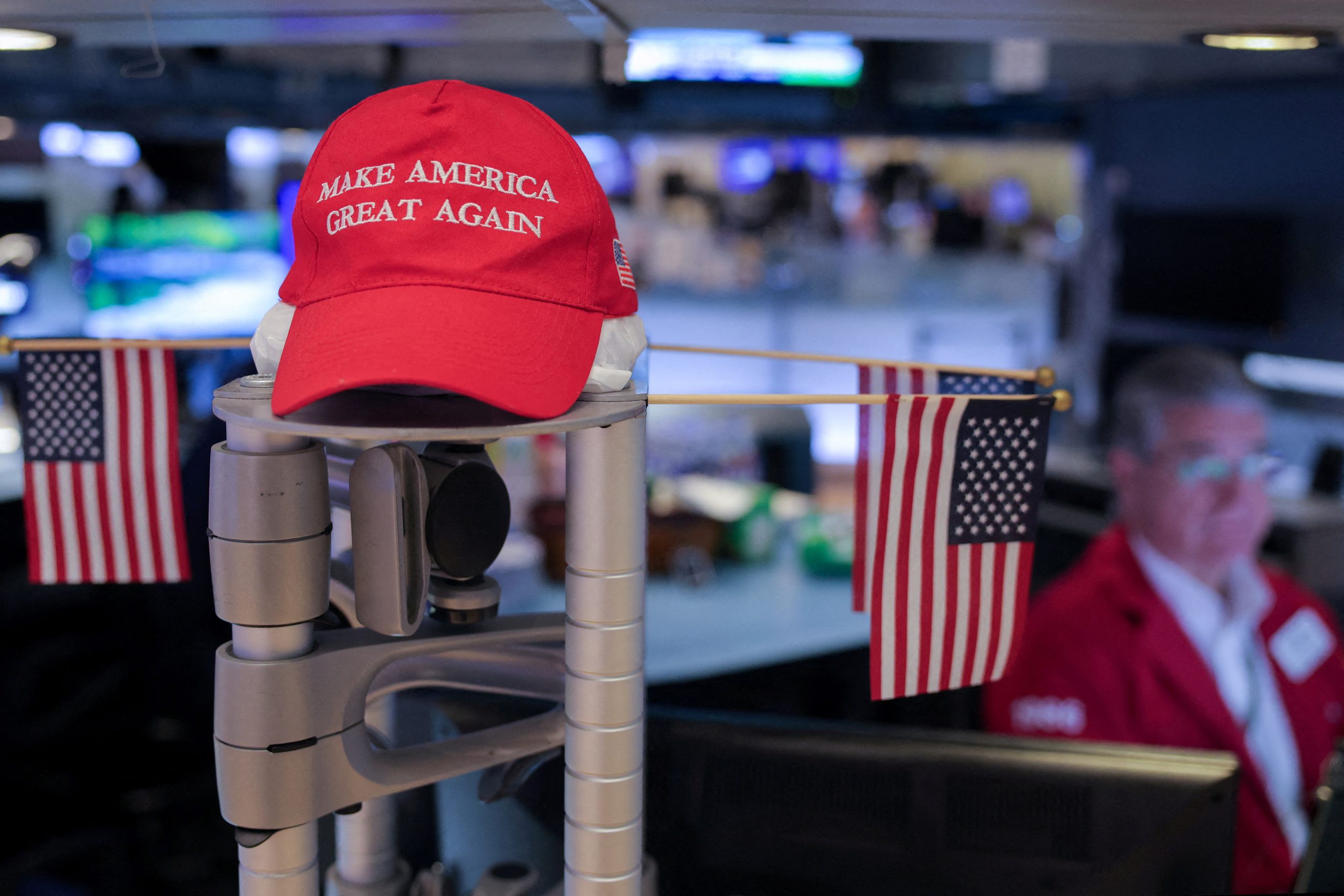
Global equity funds saw their second weekly outflow in seven weeks by February 5, as investors became more cautious following U.S. President Donald Trump's announcement of steep tariffs on Mexico, Canada, and China.However, the selling pressure eased after Trump postponed the tariffs on Canada and Mexico.Investors sold a net $3.86 billion worth of global equity funds during the week, in contrast to a net $15.35 billion worth of purchases in the prior week, according to data compiled by LSEG Lipper.Investors withdrew a net $10.71 billion from U.S. equity funds but allocated a net $4.86 billion to Asian funds and $1.88 billion to European funds.Global equity sectoral funds, meanwhile, attracted about $2.9 billion worth of inflows on a net basis, posting a fifth successive weekly net purchase.The financial and consumer discretionary sectors, both witnessed inflows for a fourth successive week to the tune of a noticeable $2 billion and $911 million, respectively.Global bond funds remained popular for the sixth successive week, attracting a robust $17.74 billion on a net basis for the week.Short-term bond funds stayed in demand for the 18th successive week as investors pumped $4.14 billion into these funds. Loan participation funds and high yield bond funds also drew…

IMF says too early for precise analysis on Trump tariff impact

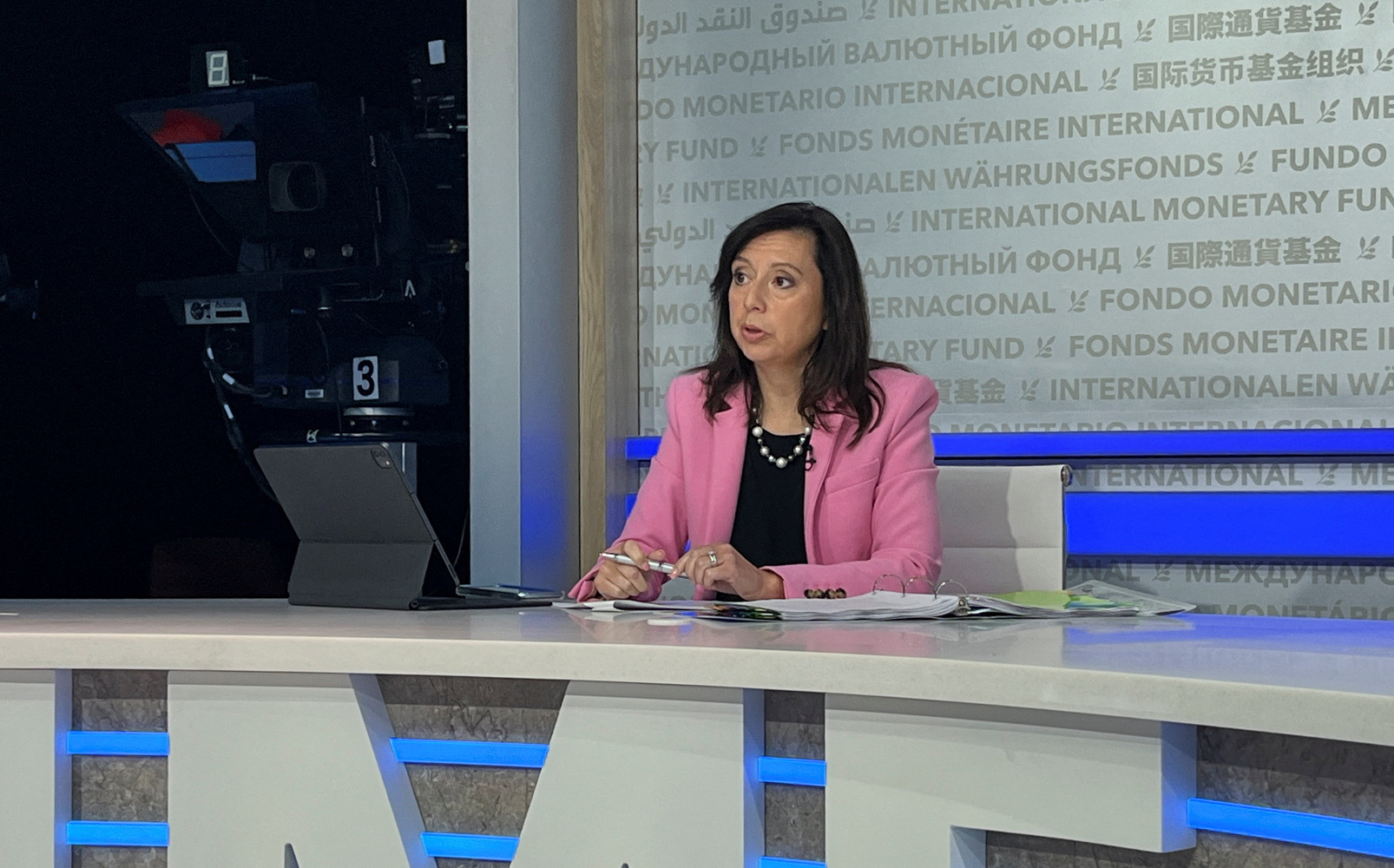
It is too early for any precise analysis of the consequences of higher U.S. tariffs against other countries, Gita Gopinath, the first deputy managing director of the International Monetary Fund, said on Friday."It's in the interest of all countries to work together, take care of disagreements and ensure there is an enabling environment for international trade," Gopinath told a press conference.She was responding to a query about the potential impact of global trade friction and threats of higher tariffs by U.S. President Donald Trump on other countries, including Japan.Source: Reuters.com

IMF says it’s too early to gauge impact of US foreign aid cuts, tariffs

The International Monetary Fund on Thursday said it is closely following developments in the U.S., including moves by the Trump administration to halt foreign aid and impose tariffs on China, but it was too soon to offer clear assessments of the impact.The global lender has repeatedly warned countries that protectionist measures, trade restrictions and increased uncertainty could dampen global growth, but IMF spokesperson Julie Kozack said the impact of already announced U.S. tariffs and other measures would depend on the responses of other countries and consumers, along with further trade developments.Asked about proposals in the Project 2025 agenda written by some key members of U.S. President Donald Trump's administration that call for the U.S. to withdraw from the IMF, Kozack said the IMF had a long history of working with successive U.S. administrations and looked forward to continuing that work with the IMF's largest shareholder."We are a global institution. We have a clearly defined mandate to support economic and financial stability, globally, and to ultimately support growth and development in the world economy," Kozack said."We are continuing as an institution to remain laser-focused, of course, on that mandate. And we, as a global institution, take our responsibility to serve our…

Gulf markets end mixed as Trump proposals continue to weigh

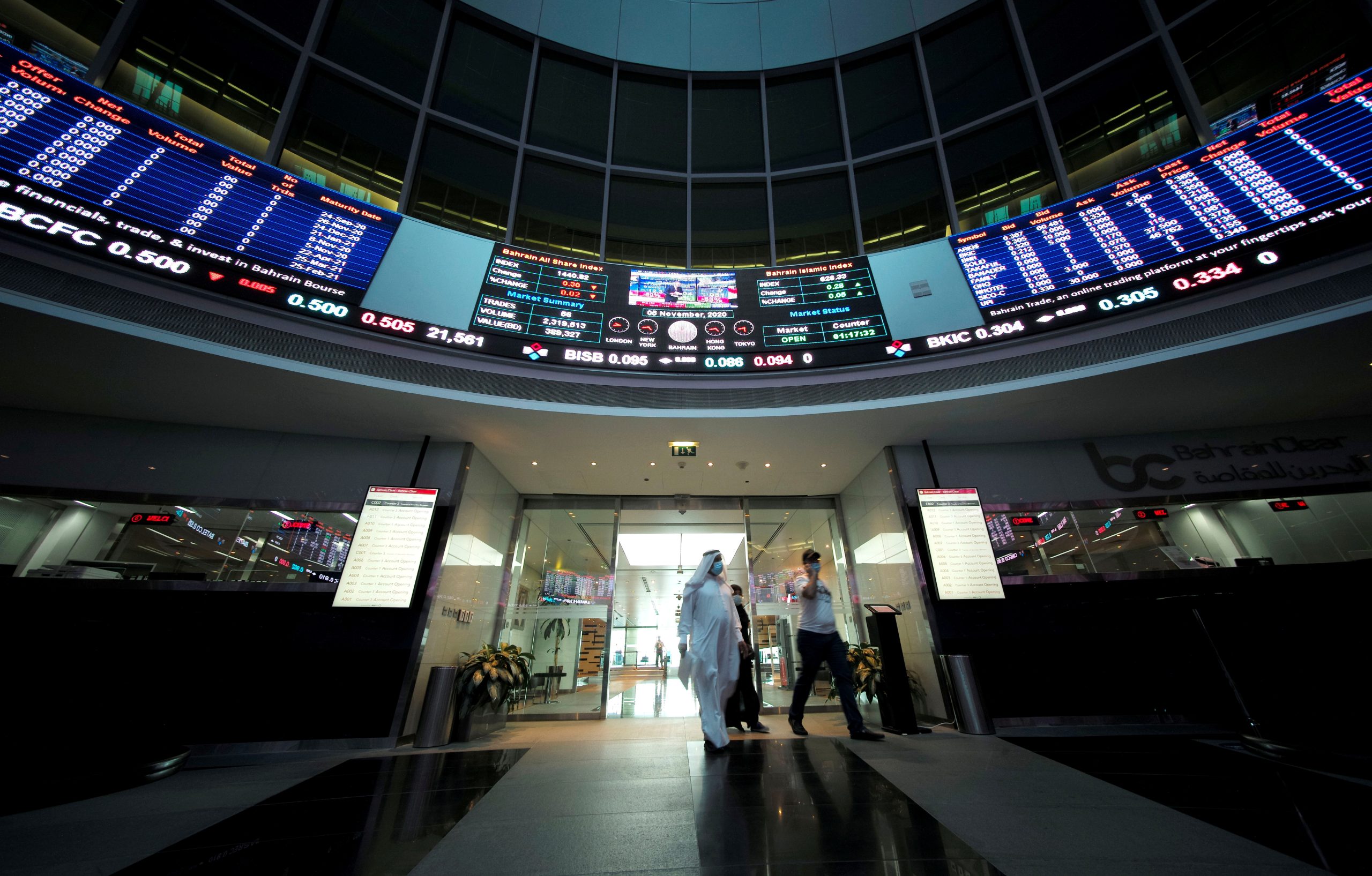
Stock markets in the Gulf ended mixed on Thursday as U.S. President Donald Trump's latest announcements continued to weigh on investor sentiment.Trump said this week the U.S. would take over the war-ravaged Gaza Strip and develop it economically after Palestinians are resettled elsewhere, actions that could impact decades of U.S. policy toward the Israeli-Palestinian conflict.His proposal sent diplomatic shockwaves around the region and globe. However, Israel's government welcomed it, and its defence minister on Thursday ordered the army to prepare a plan for the "voluntary departure" of Gaza residents.Saudi Arabia's benchmark index (.TASI) added 0.2%, helped by a 4.1% rise in Saudi Arabian Mining Company (1211.SE).Dubai's main share index (.DFMGI) gained 0.5%, helped by a 0.7% rise in blue-chip developer Emaar Properties (EMAR.DU) and a 3.3% increase in Parkin Company (PARKIN.DU).The United Arab Emirates' foreign trade touched 3 trillion dirhams ($816.86 billion) for the first time by the end of 2024, Prime Minister and Dubai ruler Sheikh Mohammed bin Rashid Al Maktoum said in a post on X on Wednesday.In Abu Dhabi, the index (.FTFADGI) eased 0.2%, hit by a 1.5% fall in biggest lender First Abu Dhabi Bank (FAB.AD).The bank reported net profit of 4.2 billion dirhams in the…

Trump’s aid cuts imperil emerging market investment cash

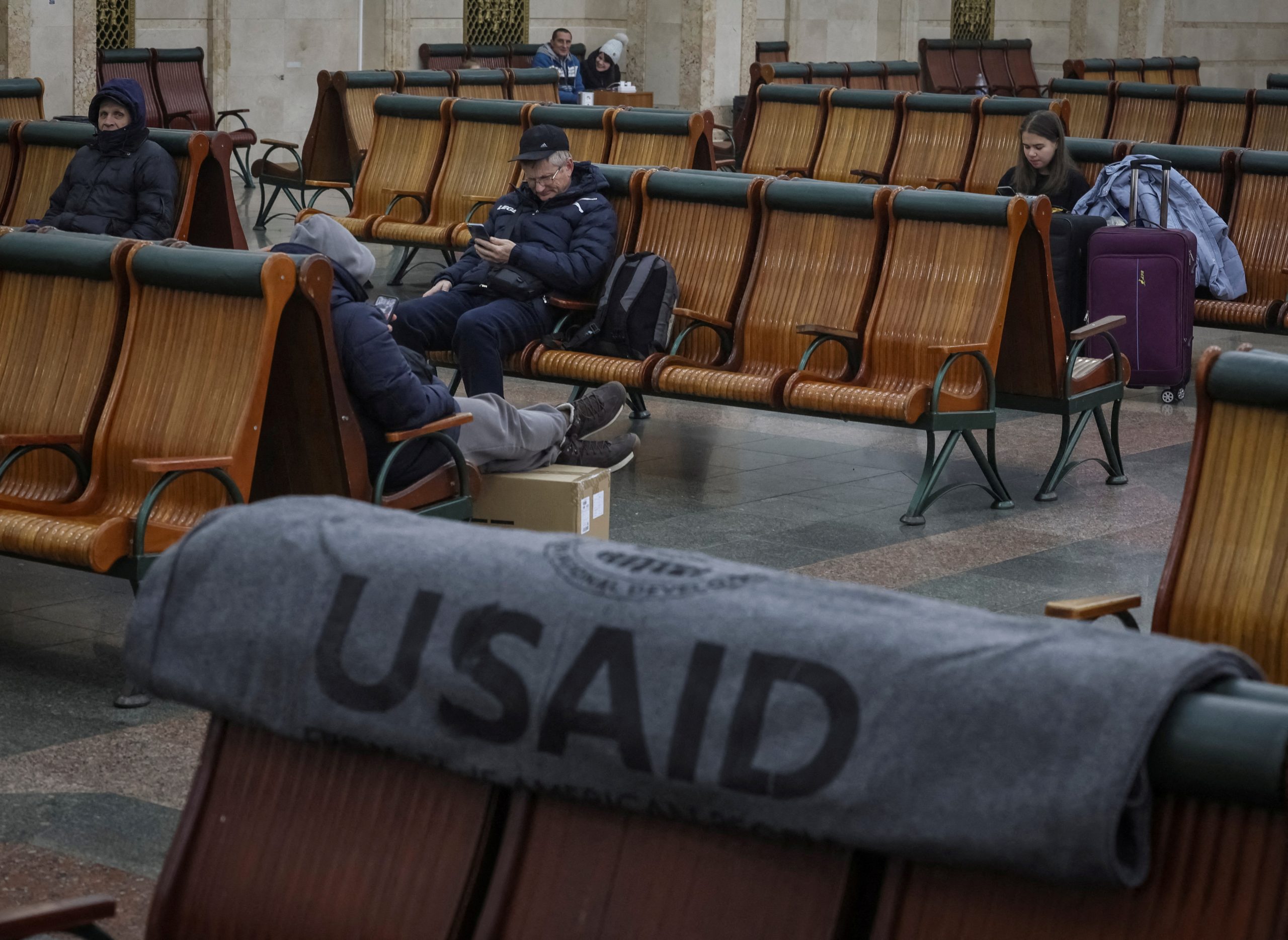
The United States' decision to freeze and potentially scrap its core aid agency jolted countries receiving its funding and could make it harder for emerging economies to attract private cash, investors said.The U.S. Agency for International Development (USAID) not only disbursed $44 billion in fiscal 2023, but anchors private investment in everything from healthcare to small businesses, and underpins the creditworthiness of bigger emerging markets borrowing money on sovereign debt markets.Its elimination could undermine investment in countries from Sri Lanka to South Africa and make it more expensive for them to borrow on international markets.Money from the agency, investors say, enables start-ups in the world's poorest countries to grow to the point they can lure private investors.Elsewhere, relatively small amounts of its money help lower the risk for banks and other lenders looking to invest in efforts to expand irrigation, or build hospitals, leveraging the cash into millions more. Its support can boost the ability of governments to repay debts, bolstering their economies."They do have implications for the medium and long-term creditworthiness of a country," said Giulia Pellegrini, senior portfolio manager for emerging market debt at Allianz Global Investors, referring to the cuts.The near-total U.S. foreign aid funding freeze took…

European shares hit record high as BoE cuts and tech earnings loom

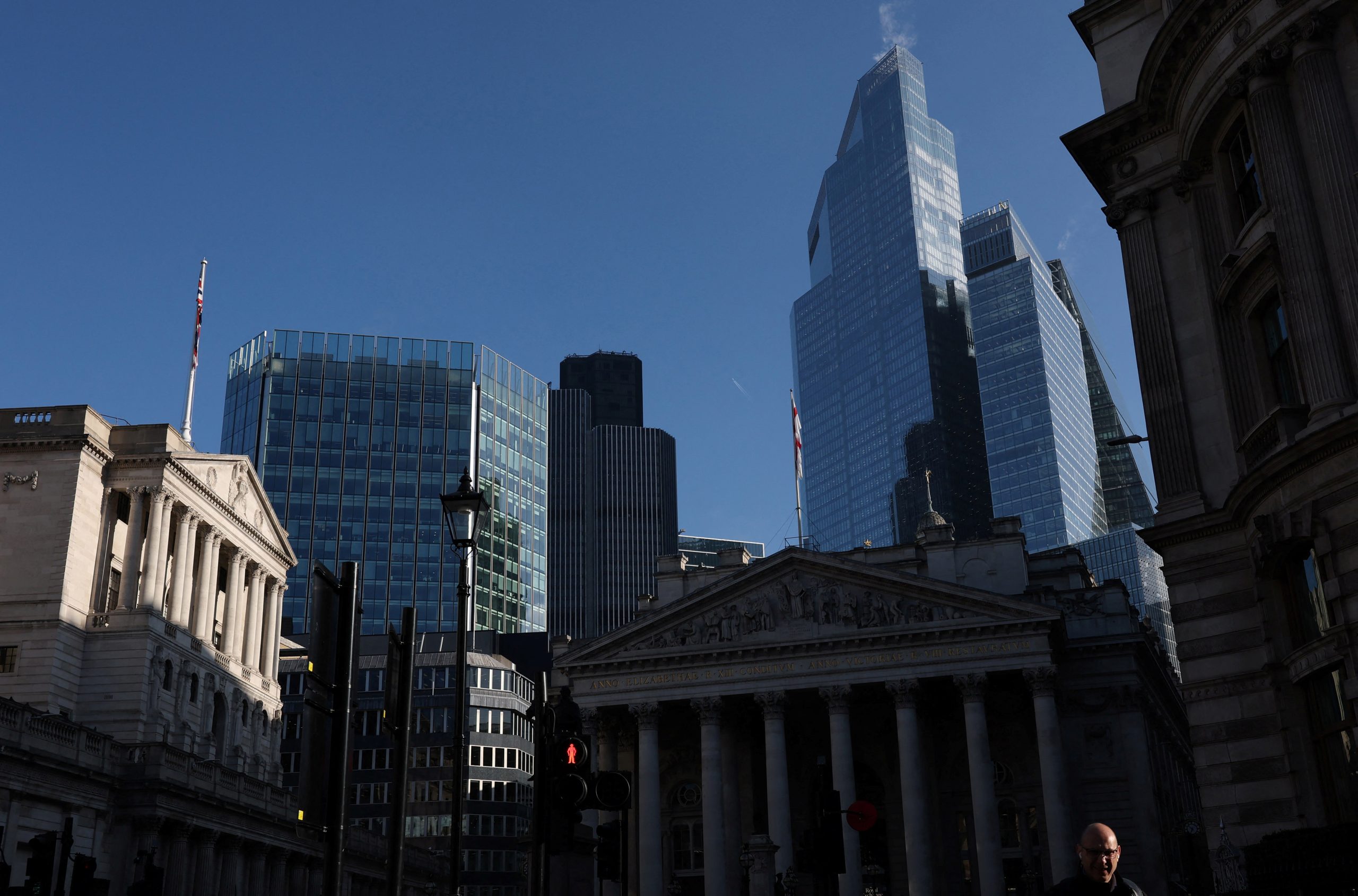
European shares hit a record high, gold was near one of its own all-time peaks and bond markets were back under pressure on Thursday as focus flipped back to where global interest rates and tech stocks are heading after days of trade war angst.Britain's pound took a tumble as the Bank of England cut by another quarter point, but Europe's shares were buoyant again as encouraging signs from drugmaker AstraZeneca (AZN.L) and miners helped the STOXX 600 (.STOXX) climb 0.7%.Wall Street wasn't looking quite so upbeat, with S&P 500 futures and Nasdaq futures broadly flat.Amazon's (AMZN.O) earnings are due later, with the pressure on to deliver on lofty expectations for cloud computing after lacklustre reports from Microsoft (MSFT.O) and Alphabet (GOOGL.O) this week.A weekly jobless claims report is also due before markets open, leading up to the all-important January nonfarm payrolls report on Friday.On the Bank of England's widely-expected rate cut, meanwhile, Royal London's head of rates and cash, Craig Inches, said the broader market barometer had swung back to worrying about global growth in the last couple of weeks.That has caused a "washout" for those betting against bonds and leaves plenty of interest in what BoE chief Andrew Bailey…

Major Gulf markets mixed as Trump proposals continue to weigh

Major stock markets in the Gulf were mixed on Thursday as U.S. President Donald Trump's latest announcements continued to weigh on investor sentiment.Trump said this week the U.S. would take over the war-ravaged Gaza Strip and develop it economically after Palestinians are resettled elsewhere, actions that would shatter decades of U.S. policy toward the Israeli-Palestinian conflict.His proposal sent diplomatic shockwaves across the Middle East and around the globe. However, Israel's government welcomed the proposal, and its defence minister on Thursday ordered the army to prepare a plan for the "voluntary departure" of Gaza residents.Saudi Arabia's benchmark index (.TASI) nudged 0.1% higher, helped by a 3.2% rise in Banque Saudi Fransi (1050.SE).In Abu Dhabi, the index (.FTFADGI) fell 0.2%, hit by a 1.9% fall in First Abu Dhabi Bank (FAB.AD) after the country's biggest lender reported a nominal rise in fourth-quarter profit.Net profit rose 4% to 4.2 billion dirhams ($1.14 billion) in the three months ended December 31, from 4.01 billion dirhams a year earlier, beating analysts' mean expectations of 4 billion dirhams, according to LSEG data.The Qatari benchmark (.QSI) dropped 0.6%, with the Gulf's biggest lender Qatar National Bank (QNBK.QA) losing 0.9%.Dubai's main share index (.DFMGI) added 0.4%, led by…

Australia Dec goods surplus shrinks to A$5.1 bln as imports surge

Australia's surplus on trade goods narrowed sharply in December as a surge in imports of capital equipment outweighed gains in iron ore exports, data showed on Thursday.The Australian Bureau of Statistics reported the surplus on goods narrowed to A$5.1 billion ($3.20 billion) in December, from a revised A$6.8 billion in November, well under market forecasts of A$7.0 billion.Exports rose 1.1% on iron ore and rural goods, while imports jumped 5.9% with capital goods, petroleum and consumption goods all seeing sizeable increases.($1 = 1.5921 Australian dollars)Source: Reuters.com

Traders see tariffs, inflation as 2025’s biggest market movers, survey shows

Traders across the globe project that tariffs and inflation will have the biggest impact on global markets in 2025 as they brace for volatility, an annual survey of institutional trading clients by JPMorgan Chase (JPM.N) showed on Wednesday.The bank said 51% of its 4,233 respondents named inflation and tariffs together as the top potential developments likely to dominate markets this year. Last year, inflation was also a top concern, but only for 27% of the interviewees.U.S. President Donald Trump's threats to impose tariffs on foreign-imported goods and others aimed at specific sectors or countries already have whipsawed markets this year.Major stock indexes fell on Monday after Trump announced on Saturday hefty new tariffs of 25% on imports from Mexico and Canada, and 10% on China. The following day, they rose after the president delayed tariffs on Mexico and Canada.Many market participants see the tariff policy as inflationary.“At the beginning of the week, we saw traders engaging in significantly more activity, attempting to rebalance their portfolios due to movements of 1 to 2 percent in individual currencies such as the Canadian dollar, the Mexican peso, and the offshore Chinese yuan,” said Chi Nzelu, global head of fixed income, currencies and commodities…