Brazil could be collateral damage in Trump trade war

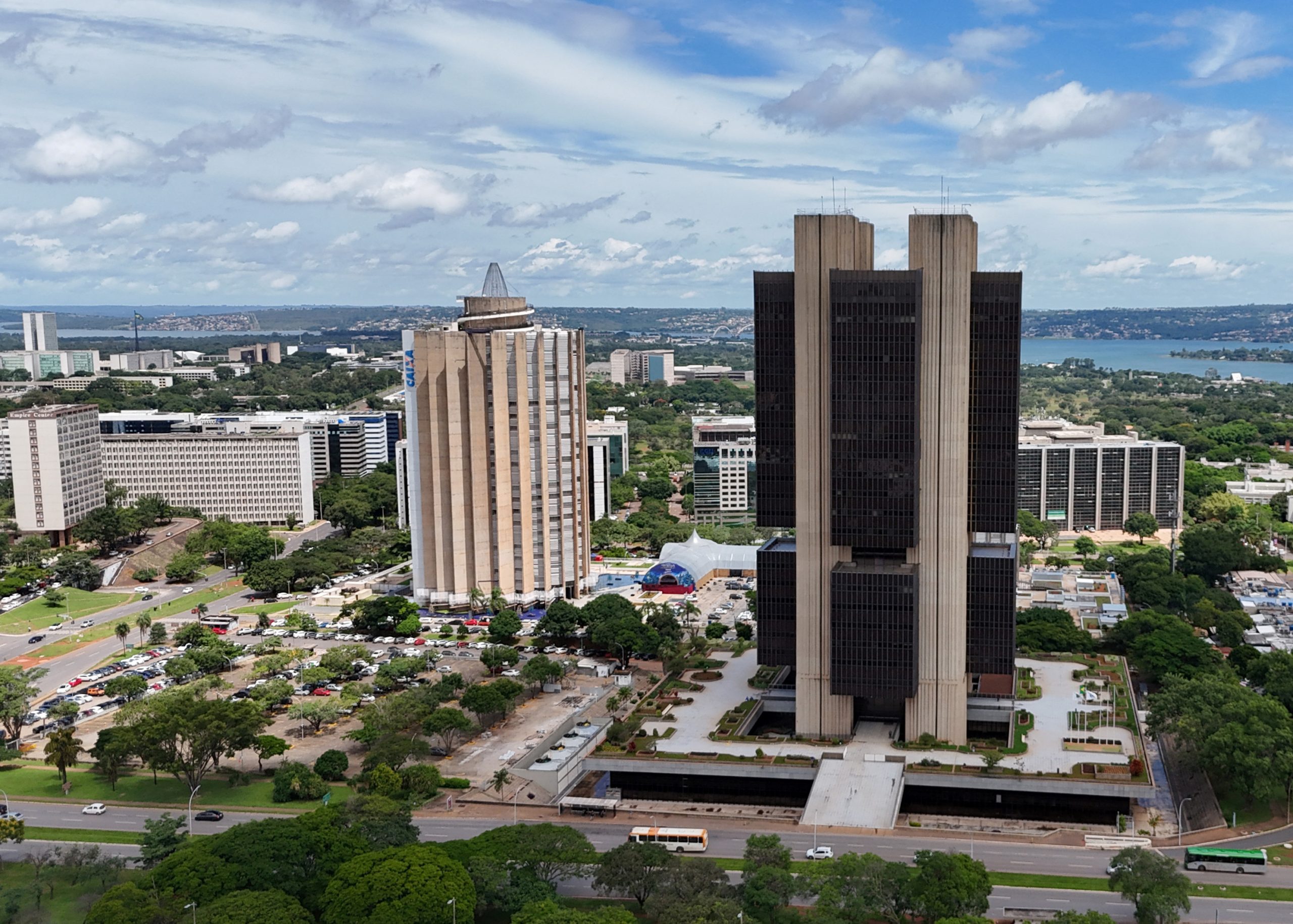
Few countries have been hit harder by the soaring dollar and U.S. bond yields than Brazil. But the country has one thing going for it - as U.S. President Donald Trump prepares to levy punitive tariffs on many of America's major trading partners, Brasilia is unlikely to be in his protectionist line of fire.Brazil has not run a trade surplus with the United States since 2007. However, with its economy and markets at a delicate juncture, Brazil cannot be complacent.Brazil is once again the classic case of an emerging economy under the cosh. Financial conditions are the tightest since 2016, according to Goldman Sachs, real yields above 10% are the highest in more than 15 years, and its currency has never been weaker.The central bank has sought to prop up the real, hiking rates by 100 basis points last month and promising another 200 bps to come. Brazil's primary fiscal balance is healthy, but the soaring interest burden is a drain on the public finances.The central bank also has intervened heavily in the FX market to support the real, spending $28 billion of reserves in December alone. That was 9% of its total reserves, the biggest drop in 19 years.Investors…

Canada December wholesale trade most likely up 0.1% – Statscan flash estimate

Jan 27 (Reuters) - Canadian wholesale trade most likely rose 0.1% in December from November, largely driven by higher sales in the motor vehicle and motor vehicle parts and accessories subsector, Statistics Canada said in a flash estimate on Monday.The estimate was calculated based on a weighted response rate of 65.0%. The average weighted response rate for the survey over the previous 12 months has been 82.1%.NOTE: All figures are seasonally adjusted.(Reporting by Dale Smith; Editing by Promit Mukherjee)(([email protected]))Keywords: CANADA ECONOMY/WHOLESALESource: Reuters.com

Most Gulf markets fall amid US trade concerns

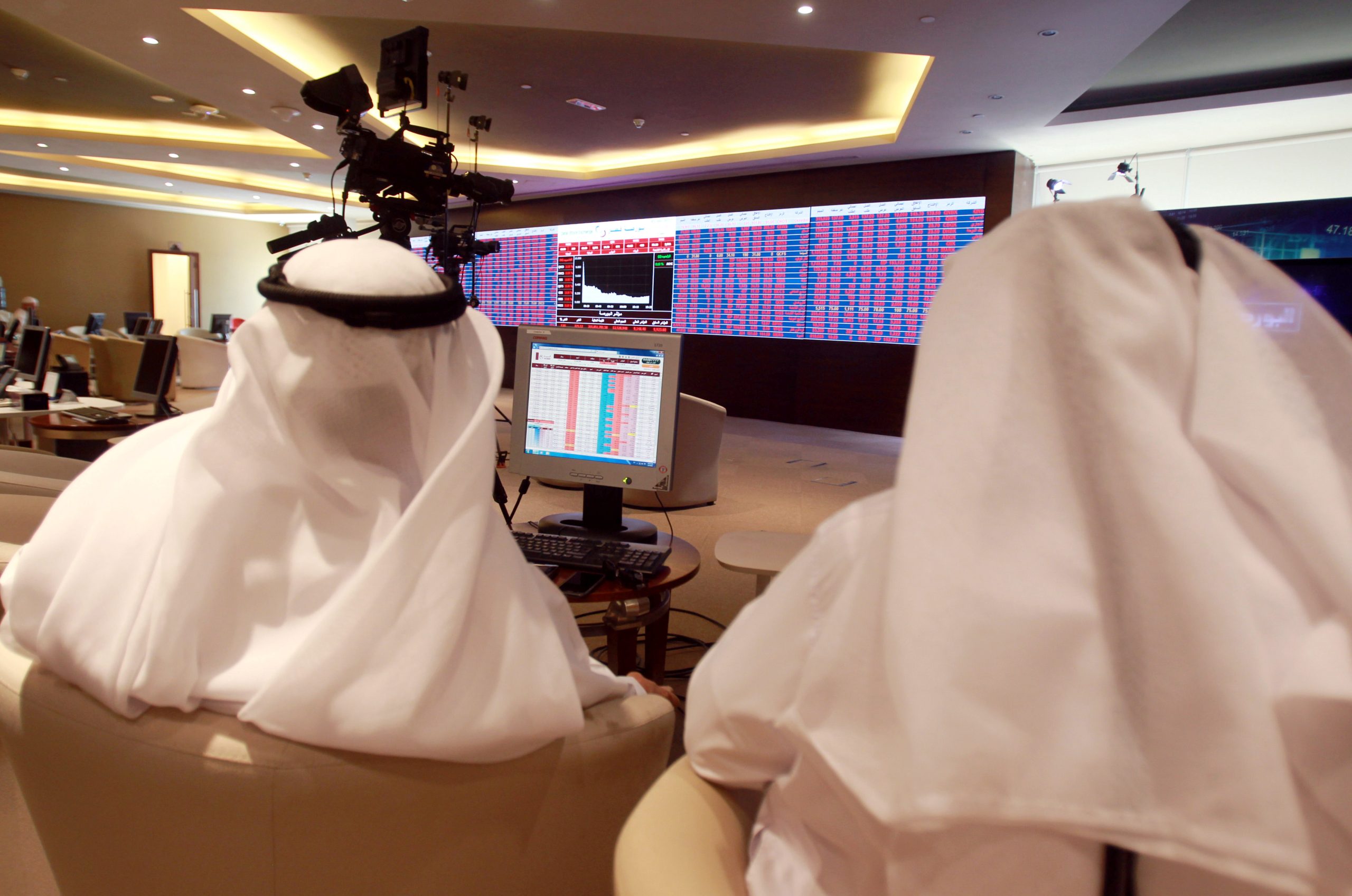
Most stock markets in the Gulf ended lower on Monday due to uncertainty surrounding U.S. trade policy, although the Qatari index bucked the trend.U.S. President Donald Trump reaffirmed his commitment to enforcing tariffs, with a recent dispute with Colombia centered on migration-related issues that prompted Trump to threaten the country with tariffs and sanctions. The move sent a clear signal that the U.S. would not hesitate to act to protect its interests.Investors in the region are increasingly cautious due to the unpredictable nature of U.S. trade decisions, which have the potential to significantly impact global markets. The ongoing tensions between the U.S. and its trading partners have created a climate of uncertainty, making it challenging for investors to make informed decisions.Saudi Arabia's benchmark index (.TASI) gave up early gains to close 0.1% lower, hit by a 0.5% fall in Al Rajhi Bank (1120.SE) and a 2.1% decrease in Saudi Arabian Mining Company (1211.SE).However, the index's losses were limited by gains in the real estate division with Jabal Omar Development Company (4250.SE) soaring 10%.The kingdom's Capital Market Authority (CMA) said foreign investors will be permitted to invest in Saudi-listed real estate companies operating in Mecca and Medina from Jan. 27.Dubai's main…

Most Gulf markets in red amid US trade worries; Saudi gains

Most major stock markets in the Gulf were subdued on Monday due to uncertainty surrounding U.S. trade policy, although the Saudi Arabian bourse bucked the trend, rising on strong gains from real estate companies.U.S. President Donald Trump reaffirmed his commitment to enforcing tariffs, with a recent dispute with Colombia centered on migration-related issues that prompted Trump to threaten the country with tariffs and sanctions. The move sent a clear signal that the U.S. would not hesitate to act to protect its interests.In Qatar, the index (.QSI) was flat.Dubai's main share index (.DFMGI) eased 0.1%, hit by a 2.1% fall in Emaar Development (EMAARDEV.DU).The Abu Dhabi index (.FTFADGI) lost 0.1%.Oil prices - a catalyst for the Gulf's financial markets -slipped after President Trump called on OPEC to reduce prices following the announcement of wide-ranging measures to boost U.S. oil and gas output in his first week in office.Saudi Arabia's benchmark index (.TASI), however, gained 0.4%, led by a 10% surge in Jabal Omar Development Company (4250.SE) and a 9.8% jump in Makkah Construction and Development Company (4100.SE).The kingdom's Capital Market Authority (CMA) said foreign investors will be permitted to invest in Saudi-listed real estate companies operating in Mecca and Medina from…

Global economy takes Trump guessing-game in stride

Global economic policymakers had been braced for an economic firestorm from the new U.S. administration but instead got a surprisingly restrained start from Donald Trump, who remains big on rhetoric but more cautious on action - for now.Trump had hinted at sweeping trade barriers from the very beginning of his term. But instead his first week in office focused on his domestic agenda and left the global trade landscape little changed.The threat of sweeping tariffs, a central plank of his campaign promises, had raised concerns of a resurgence in inflation.Although Trump has warned he may impose a 25% levy on imports from Canada and Mexico from Feb. 1, the restraint so far has allowed cautious confidence in the global outlook.The European Central Bank, the Bank of Canada along with the Bank of England could all cut interest rates in coming days and weeks as policymakers bet inflation will keep slowing.The U.S. Federal Reserve meanwhile is still expected to hold off on further easing on Wednesday, arguing inflation may only come down slowly given a still-hot economy and the continued risk of tariffs. That will likely irk Trump, who is already putting pressure on the bank to lower borrowing costs.After threatening…

Emerging market investors eye frontier assets shielded from Trump’s tariff threats

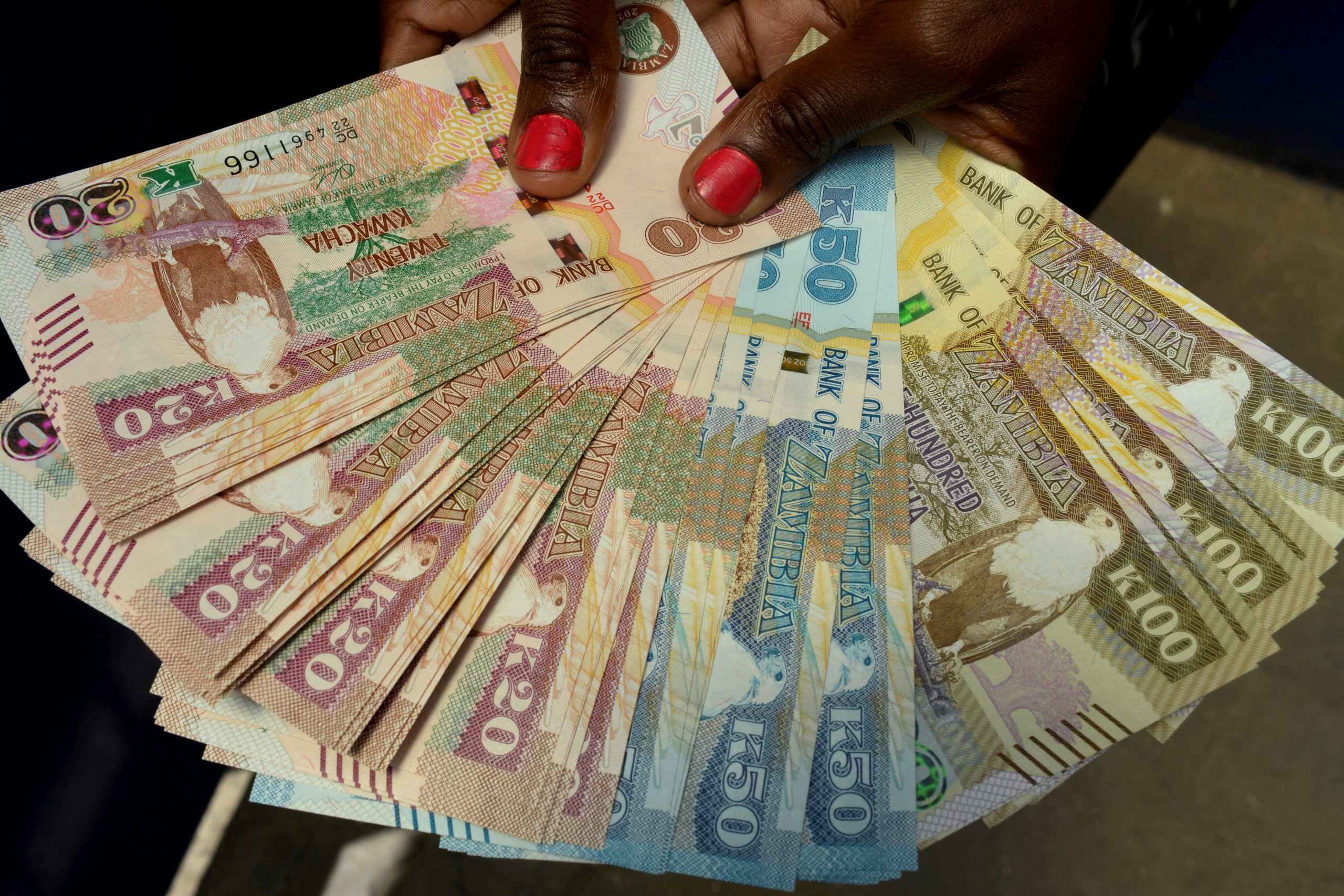
The new era of unpredictability, marked by tariff threats and rising global tensions, is prompting emerging market investors to look for shelter in frontier markets that are relatively safe from U.S. President Donald Trump's trade policy shifts.Trump's return to the White House put Mexico's peso on a roller coaster, further drained enthusiasm for foreign investing in China and cooled hopes of a golden era for emerging markets.So-called frontier markets are the riskiest in EM and often smaller developing economies in Africa, Eastern Europe, Asia and even Latin America. They aren't exactly a safe be but investors say they are strong investment destinations this year because they are not in Trump's firing line for tariffs and other policy shifts.Economies like Serbia have the added allure of sturdy growth, while for Ghana, Zambia and Sri Lanka, emergence from debt default allows them to focus on reforms and growth."The frontier markets are likely to be more insulated than the others, because I don't think that countries like Nigeria or Sri Lanka or Paraguay ... will be a target anytime soon for this administration," said Thierry Larose, an emerging market portfolio manager with Vontobel."They have their own idiosyncratic risk, but they're pretty much immune…

Asia equities slide with US stock futures on China’s AI push; dollar firms

U.S. stock futures and Asian shares outside China slumped on Monday as investors weighed the implications of Chinese startup DeepSeek's launch of a free, open-source artificial intelligence model to rival OpenAI's ChatGPT.Meanwhile, the dollar rose after U.S. President Donald Trump slapped Colombia with retaliatory levies and sanctions for turning away military aircraft carrying deported migrants.U.S. Nasdaq Composite futures tumbled 1.8% as of 0158 GMT and S&P 500 futures sank 0.9%.Japan's Nikkei (.N225) dropped 0.3%, reversing an initial advance. New Zealand's equity benchmark (.NZ50) slipped 0.6% and Singapore's Straits Times index (.STI) lost 0.2%.At the same time, Hong Kong's Hang Seng (.HSI) rallied 0.9% and mainland blue chips (.CSI300) added 0.2%, even after data showed a surprise contraction in manufacturing this month.DeepSeek "has raised the spectre of disruption in the tech landscape, with its emergence suggesting that China can continue to make strides in the AI race despite US restrictions," Yeap Jun Rong, a strategist at IG, wrote in a note.It "seems to instil some concerns over U.S. tech dominance", putting "tech companies' lofty valuation back under scrutiny", he said.In currencies, the dollar jumped 0.3% against the Chinese yuan in offshore trading , and rallied 0.4% versus the Aussie and 0.5%…

HEDGE FLOW Half of investors want to spend more on hedge funds, says BofA survey

Half of the global investors surveyed by Bank of America's (BAC.N) prime brokerage department plan to allocate more money to hedge funds this year, while 37% wanted no change.The results represented a 2% uptick in those wanting to spend more on hedge funds from the start of 2024, a report by the bank to clients showed on Friday.The survey was sourced from responses from 256 firms that oversaw a combined amount of over $1 trillion invested in hedge funds.Investors who would ditch their hedge fund holdings and take their money back thinned to 7% from 12% in 2023, BofA's 2025 hedge fund outlook report said.Dissatisfied investors thought returns should have been better, said the bank. Of those that were unhappy, 73%, cited underperformance as their reason for wanting to redeem money.Other reasons investors were unhappy included when hedge funds changed their investment strategy and when hedge funds simplified, or consolidated their portfolio, the survey said.Allocators have also been worried that their hedge funds are piling into crowded trade positions where everyone has the same idea, said the report. Crowded positions can grow costly if speculators rush for the exit at the same time.Hedge funds growing too large to nimbly invest…

EM portfolios add $274 bln of foreign inflows in 2024, IIF says

Foreign investors added $273.5 billion to their emerging market equity and debt portfolios last year, nearly $100 billion more than in 2023, according to a bank trade group's preliminary data published on Friday.The $273.5 billion of inflows for 2024 topped the $177.4 billion in 2023 though it was below the $375 billion average between 2019-2021, according to the report from the Institute of International Finance.Almost all the inflow was money put into fixed income last year with $219 billion added to debt outside China and $54.2 billion to Chinese debt. The picture was more split in stocks, where Chinese equities raked in $11.3 billion while those elsewhere in the developing economies world lost $11 billion, the data show.U.S. growth and the strength of the dollar were headwinds to investing in emerging markets most of the year, and the Federal Reserve itself has downgraded its expectations for rate cuts in 2025 - which in turn provides yet more support to the dollar.Signs of a looser monetary policy in the U.S. would be supportive of EM assets in general."Throughout 2024, the strong dollar and elevated U.S. yields created significant headwinds for EM equities and certain debt markets, a trend that may reverse…

World inflation not fully defeated yet, IMF’s Georgieva says

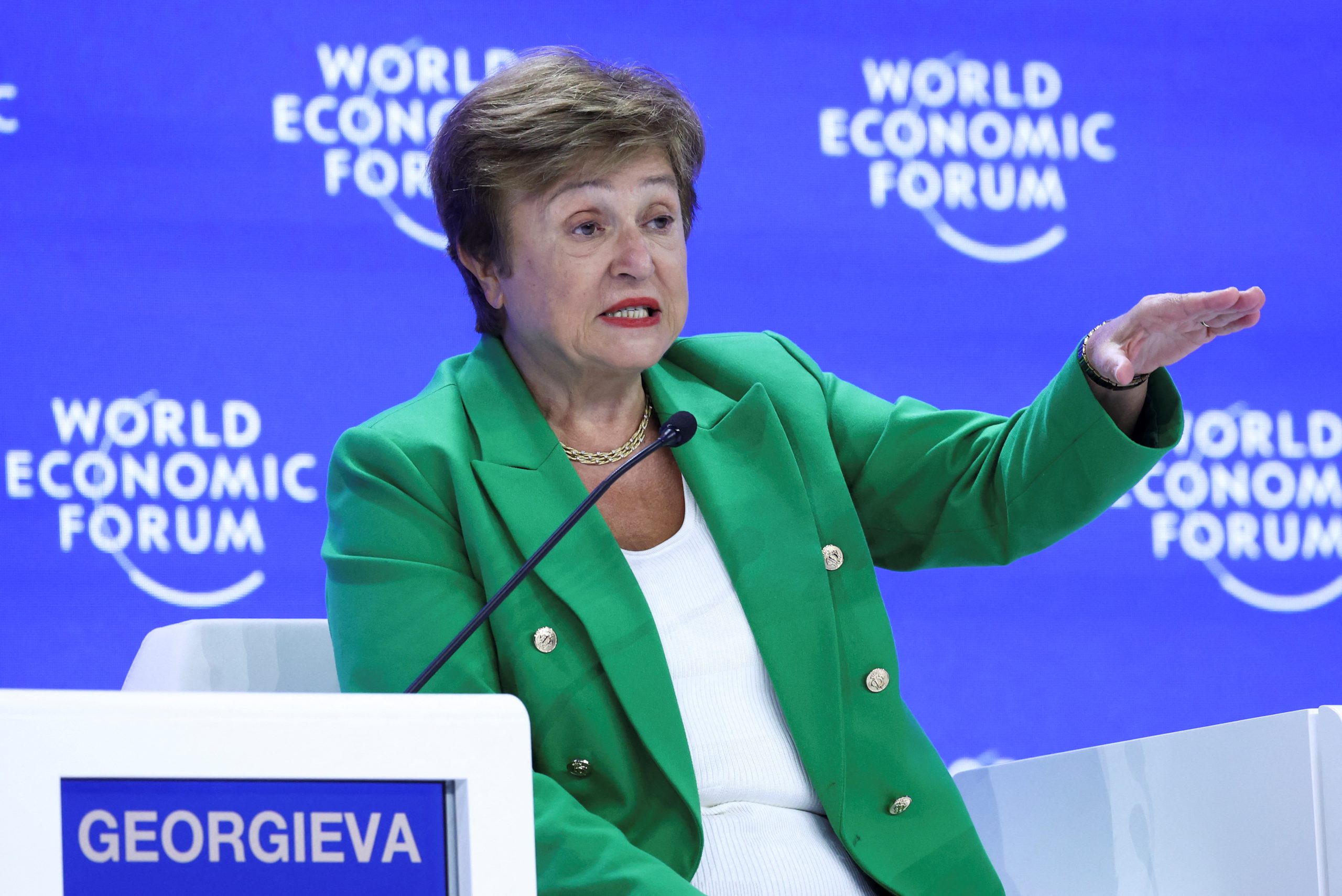
Global policymakers have made remarkable progress in tackling inflation without inducing a recession, but some work remains to be done, International Monetary Fund Managing Director Kristalina Georgieva said in Davos."The head of the genie is in the bottle, most of the body of the genie is in the bottle, kind of getting stuck there, but the legs are kind-of hanging still out," Georgieva told the World Economic Forum when asked if the 'genie' of inflation had been defeated. "We need to push it all the way down."Source: Reuters.com