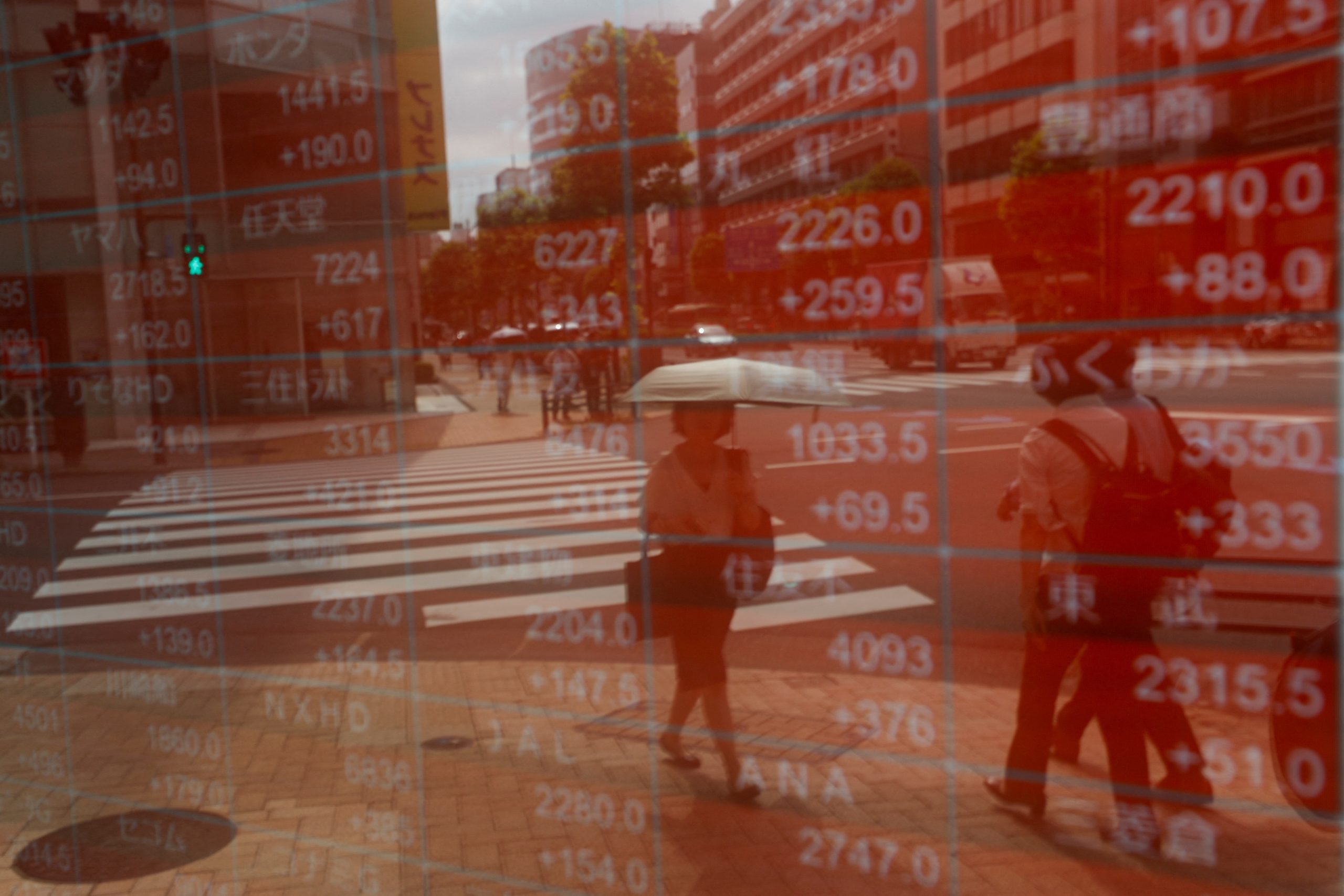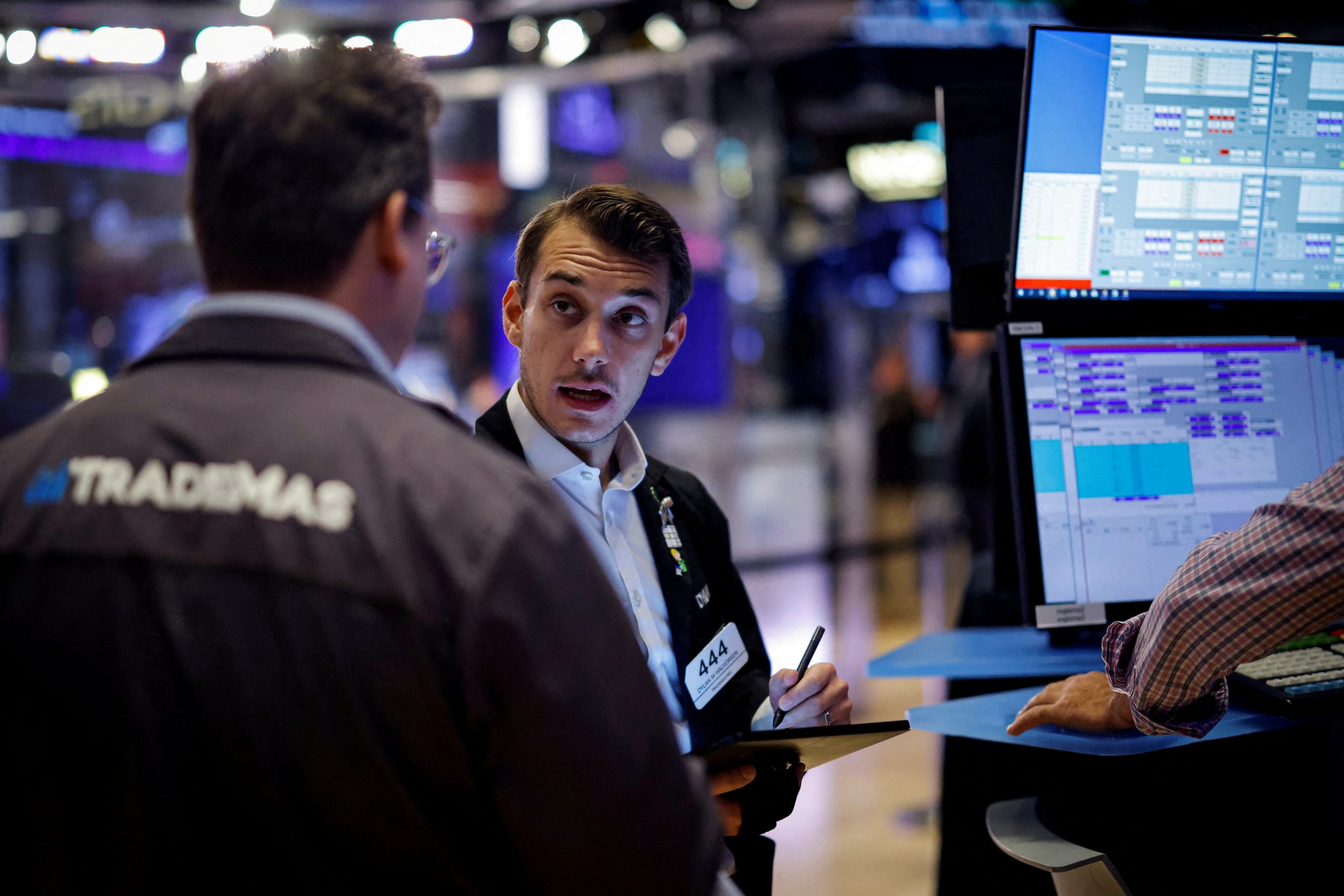
Stocks bask in Trump glow, tariff uncertainty weighs on dollar

Global stocks gained on Wednesday as a flurry of new policies from U.S. President Donald Trump combined with robust corporate earnings to bolster investor optimism, while tariff uncertainty kept the dollar near two-week lows.Netflix shares (NFLX.O) surged 14% in after-hours trading as the streaming giant added a record number of subscribers last quarter, enabling it to increase prices for most service plans in the United States and other countries.That helped lift Nasdaq futures 0.5% in Asia. S&P 500 futures also rose 0.2%.Late on Tuesday, Trump announced that OpenAI, SoftBank and Oracle will form a joint venture called Stargate and invest up to $500 billion in artificial intelligence infrastructure. Shares of SoftBank (9984.T) surged 9% in Tokyo, while Oracle (ORCL.N) already gained 7% overnight.Helping risk sentiment is also relief that Trump did not announce a more comprehensive sweep of tariffs at the start of his second presidency. Many investors and foreign capitals had expected tariffs to be among a raft of executive orders Trump signed in his first day in office.However, he did talk up the threat of tariffs again on Tuesday, vowing to hit the European Union with fresh levies. He also said his administration was discussing imposing a 10%…
What next for U.S.-EU trade ties after Trump’s complaints about deficit?

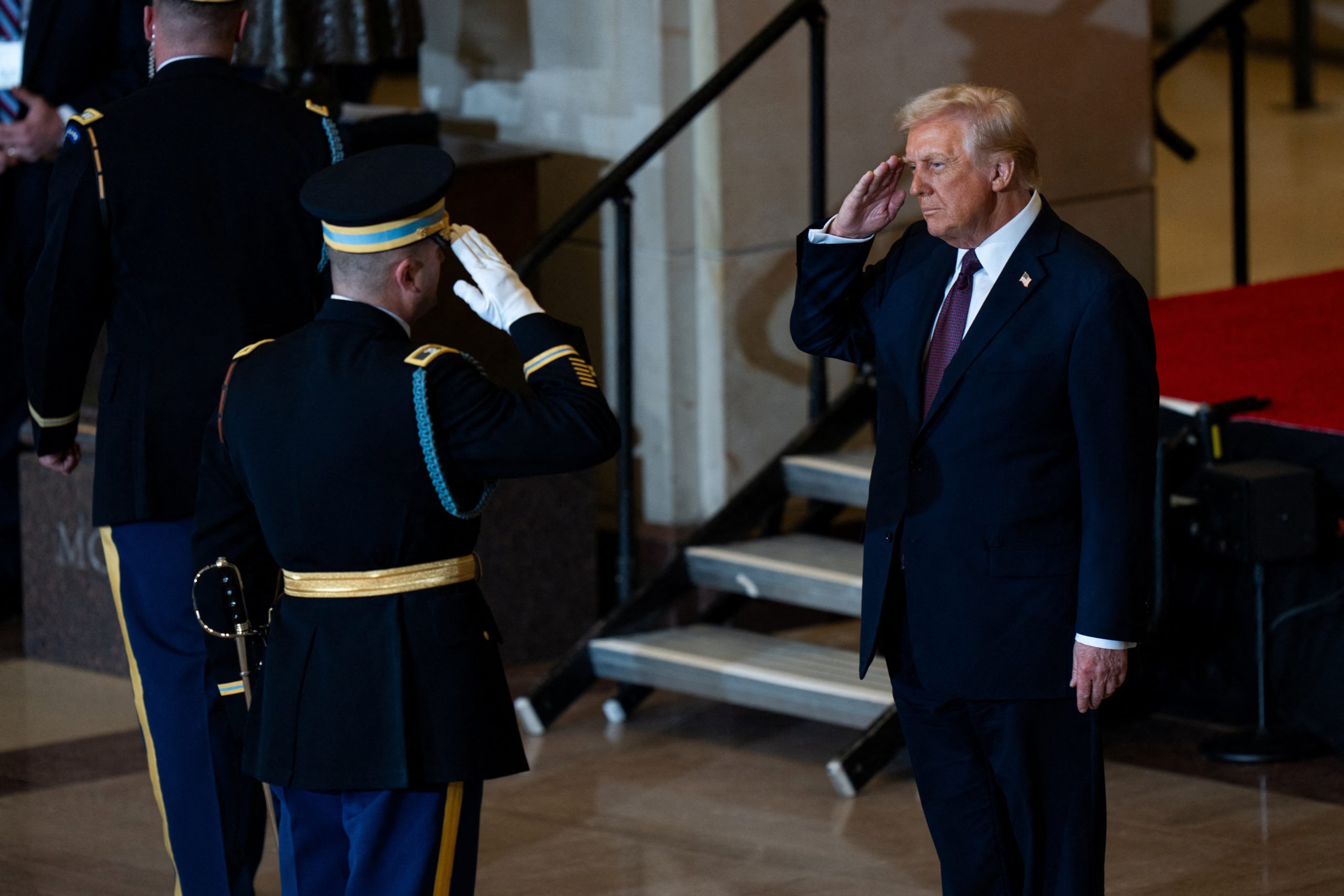
U.S. President Donald Trump has promised to address a longstanding trade deficit with the European Union, saying he will reverse that by imposing tariffs or making the EU buy more U.S. oil and gas.In an "America First Trade Policy" memo issued on his first day back in the White House on Monday, Trump directed the Commerce and Treasury departments and the U.S. Trade Representative to investigate the trade deficit in goods and recommend appropriate measures by April.European Commission President Ursula von der Leyen said on Tuesday the EU wants to engage and negotiate with the United States and warned of the risk of a "global race to the bottom" using tools such as trade tariffs.Following are some key facts about the EU-U.S. trading relationship and how the two sides may interact in the coming weeks and months.GOODS TRADE DEFICITTrump has tended to focus on goods trade alone and has frequently complained about the bloc's car exports to the U.S. with few vehicles shipped east across the Atlantic.Indeed, the EU has consistently exported more goods to the United States than it has imported and the U.S. goods trade deficit stood at 155.8 billion euros ($161.6 billion) in 2023, according to Eurostat…

TSX futures edge down amid tariff jitters; domestic data awaited

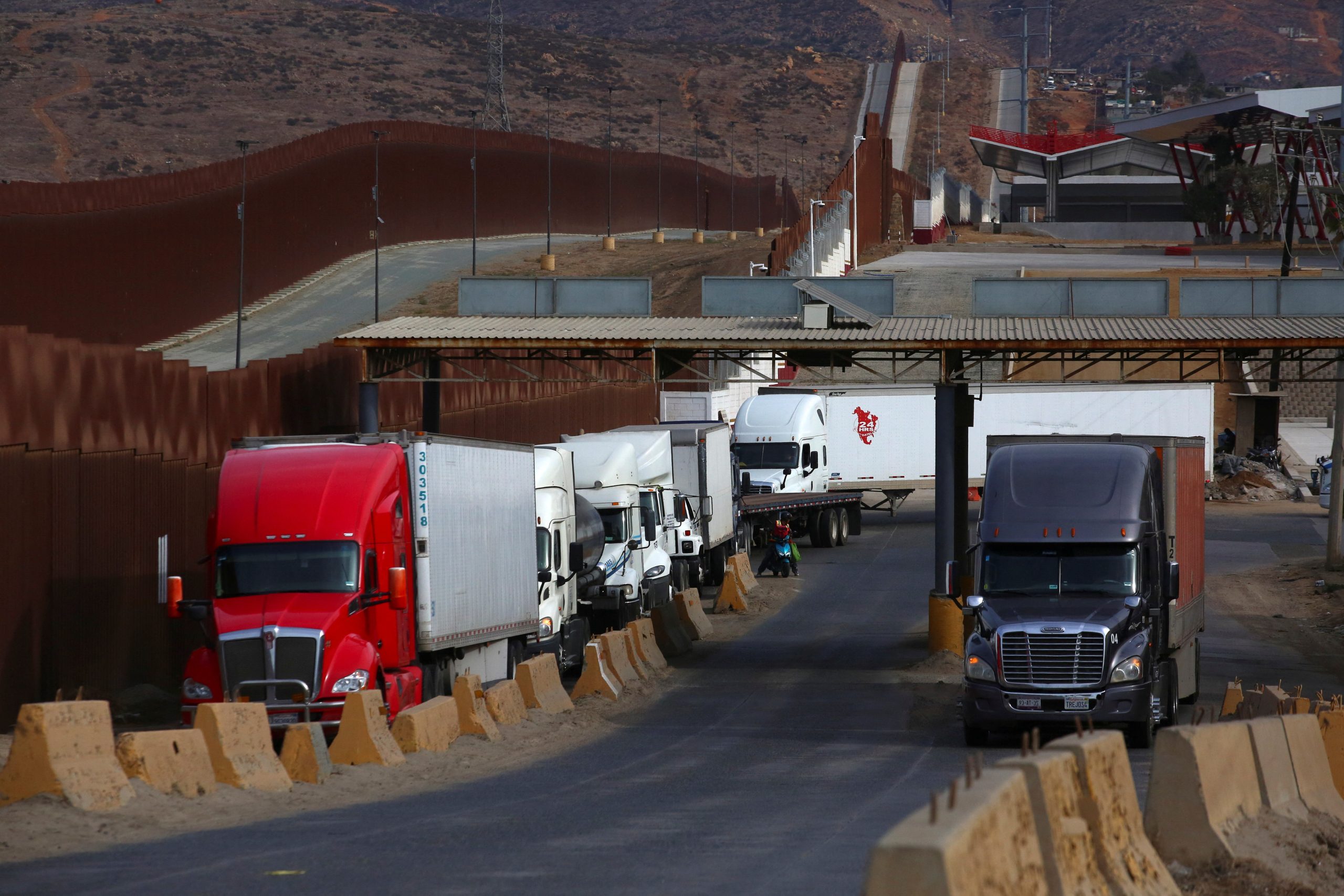
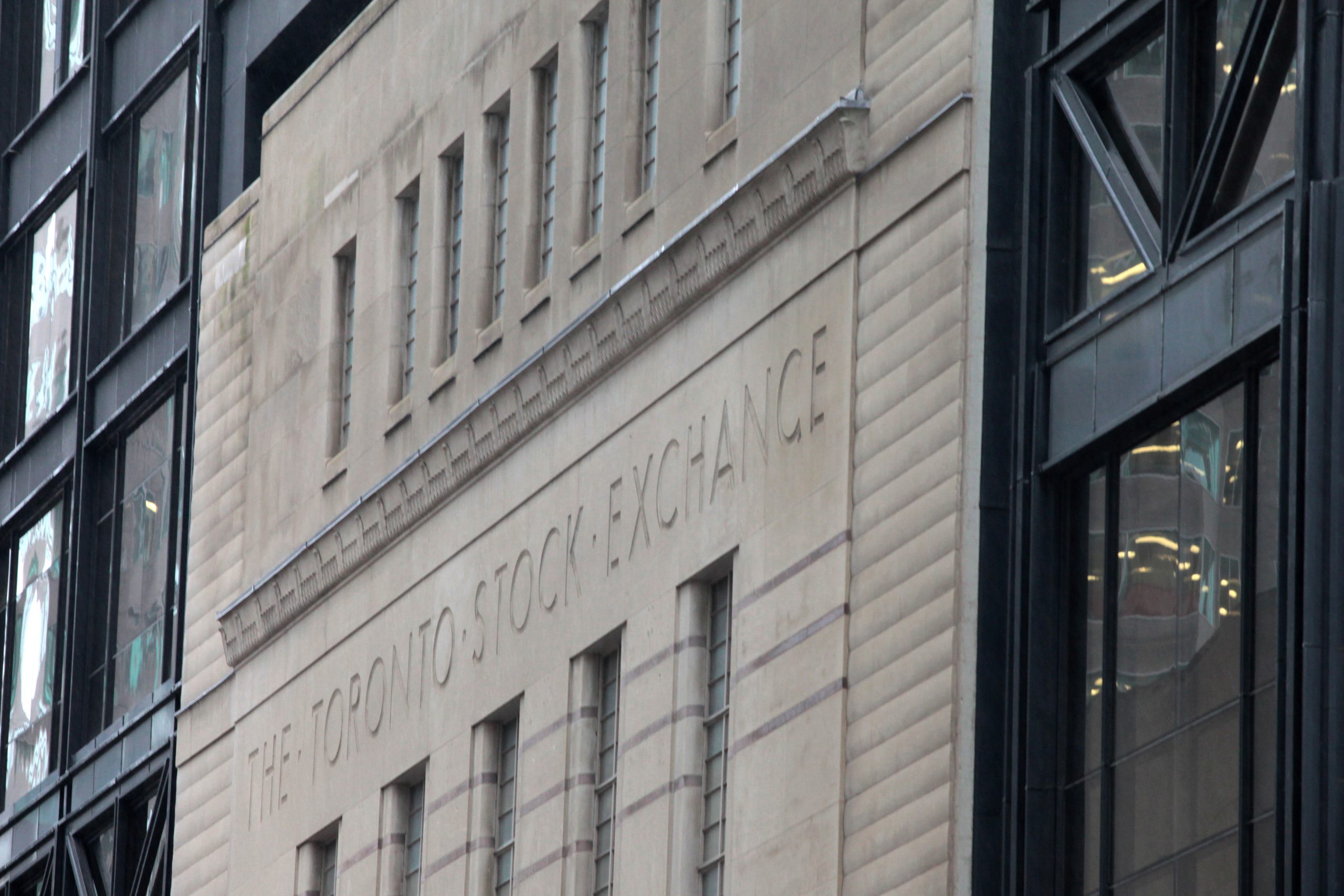
Futures for Canada's main stock index fell on Tuesday amid uncertainties over tariffs under U.S. President Donald Trump, while investors awaited domestic inflation numbers.March futures on the S&P/TSX index were down 0.1% at 6.44 a.m. ET (1144 GMT).Trump did not immediately impose tariffs on Canada and Mexico after taking office on Monday, but later said he was thinking of imposing 25% duties starting Feb. 1, citing concerns over illegal immigration and fentanyl smuggling.Canada sends a majority of its exports south of the border, including energy products.Investors were also focused on domestic consumer price index (CPI) data, scheduled for release at 8:30 a.m. ET on Tuesday, that could potentially influence the Bank of Canada's interest rate decisions.Traders bet that there is an 80% probability of a 25 basis-point cut in interest rates this month.The Toronto Stock Exchange's S&P/TSX composite index (.GSPTSE) reached a five-week high on Monday as markets welcomed the temporary relief from U.S. trade tariffs.In commodities, gold prices rose as investors sought safety amid uncertainties over Trump's trade policies. But copper prices fell on tariff threats.Oil prices , also fell as the market reacted to Trump's plans to boost U.S. oil and gas production.In corporate news, Canadian company Teck…

Trump’s return to the White House: Market winners and losers

U.S. President Donald Trump's return to the White House has been met with both relief and disappointment across world markets as investors try to work out what the next four years will bring."The approach will be chaotic, unpredictable, spur of the moment and driven by Trump himself," said Russel Matthews, senior portfolio manager, global macro at RBC BlueBay Asset Management.Here's a look at some of the winners and losers emerging from Trump's first 24 hours in office.1/ NAME CALLINGCalling out Canada and Mexico as potential targets for tariffs took a further toll on their currencies, which fell sharply following Trump's inauguration speech.Bets on the Mexican peso or other tariff-exposed emerging market currencies were too risky, said Fidelity International multi-asset manager Becky Qin."It is so binary and so dependent on the dollar," she said. "The policy uncertainty is too high."Goldman Sachs strategists said they see a 70% probability of Trump hitting China with 20% tariffs but said the odds of him fulfilling his pledge for 25% import levies on Canada and Mexico were low.The dollar is trading near its strongest levels against Canada's currency in almost five years, with the so-called Loonie also weighed down by economic weakness and rate cut…

Major Gulf markets subdued on Trump’s plans for tariffs

Major stock markets in the Gulf were subdued in early trade on Tuesday in line with Asian shares as investors exercised caution after U.S. President Donald Trump unveiled plans for trade tariffs on neighbouring countries, just hours into his presidency.Global investors are closely watching the president, who announced plans to impose 25% tariffs on Mexico and Canada as early as Feb. 1, sparking concerns about the potential impact on global trade and the economy.The Trump administration's policies may have far-reaching consequences, potentially affecting the value of the U.S. dollar, Treasury yields and inflation rates, in turn leading to fewer interest rate cuts.Monetary policy in the six-member Gulf Cooperation Council (GCC) is usually guided by the Fed's decisions, as most regional currencies are pegged to the dollar.Saudi Arabia's benchmark index (.TASI) fell 0.3% in early trade, with ACWA Power Company (2082.SE) losing 1.4% and Elm Company (7203.SE) down 3.7%.In Qatar, the index (.QSI) eased 0.1%, hit by a 1% fall in telecoms firm Ooredoo (ORDS.QA).Oil prices - a catalyst for the Gulf's financial markets - ticked lower in Asian trading as investors took stock of Trump's plans to apply new tariffs later than expected while boosting oil and gas production in…

Banks running Trump “war rooms” as trade ructions expected

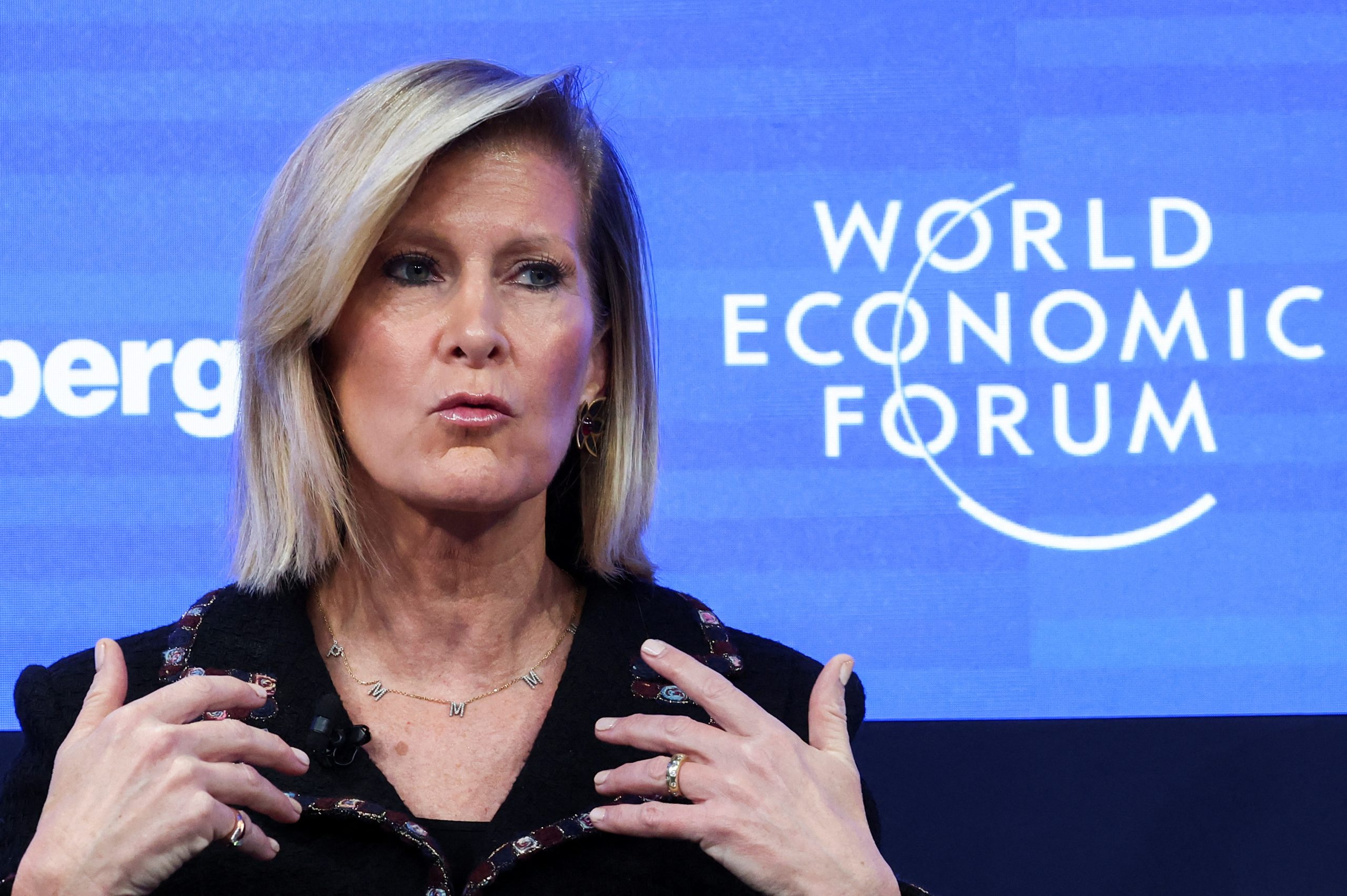
Bankers at JPMorgan (JPM.N) worked through the night in a "war room" to try and assess the early impact of U.S. President Donald Trump's administration on global trade, regulation and other matters, an executive at the bank said on Tuesday."The last 24 hours are showing that there's going to be a lot of changes that we all have to digest," JPMorgan Chase & Co (JPM.N) head of asset and wealth management Mary Callahan Erdoes told a panel discussion at the World Economic Forum in Davos, Switzerland.Trump said on Monday he will revoke nearly 80 executive actions of the administration of former Democratic President Joe Biden, with the Republican U.S. president adding he will also implement an immediate freeze on new regulations and hiring."At JPMorgan we have a war room set up to analyse and evaluate each and every one of these, so they have been up all night and are working on it.""Time will tell but a lot of this is exactly what you would do to have a very pro-business environment," Erdoes said, reflecting on Trump's early executive order to ban remote working for federal staff."Thank God the U.S. government has done it, and hopefully that'll keep us ahead…

Trump’s tariff plans: Which global companies are likely to be affected?

U.S. President Trump said he could impose 25% tariffs on Canada and Mexico from Feb. 1, sending shares of several Asian automakers and battery firms lower in trading on Tuesday.Here are companies that may be affected (by sector, in alphabetical order):AUTOMAKERSAUDIVolkswagen's (VOWG_p.DE) Audi plant in San Jose Chiapa, Mexico, makes the Q5, employing just over 5,000 people. It produced nearly 176,000 cars in 2023, its website showed. In the first half of 2024, nearly 40,000 cars were exported to the U.S., according to the Mexican Automotive Manufacturers Association.BMWBMW's (BMWG.DE) plant in San Luis Potosi, Mexico, produces the 3 Series, 2 Series Coupe and M2, with nearly all of the output going to the U.S. and other markets worldwide, according to the carmaker. From 2027, it will produce the all-electric "Neue Klasse" model line.BYDChinese EV maker BYD (002594.SZ) has been scouting for locations to build a plant in Mexico but has said repeatedly that the factory will serve the domestic market and not produce cars to be sold in the U.S.HONDA MOTORHonda Motor (7267.T) sends 80% of its Mexican output to the U.S. market and its Chief Operating Officer Shinji Aoyama warned in November that it would have to think about…

Trump floats idea of universal tariff but says US not ready for it yet

Republican U.S. President Donald Trump on Monday floated the idea of universal tariffs but said the United States was not yet ready for such a step."We're not ready for that yet. We may put it ... because essentially countries take advantage of the U.S.," Trump told reporters at the White House."Well, you put a universal tariff on anybody doing business in the United States because they're coming in and they're stealing our wealth, they're stealing our jobs, they're stealing our companies, they're hurting our companies. So you put a you put a tariff on to keep them from doing that," Trump, who took office on Monday, added.Source: Reuters.com

Shares jittery, dollar jumps with Trump’s plans for tariffs

Global markets greeted Donald Trump's presidency with apprehension on Tuesday in moves that were highly sensitive to headlines over the newly sworn-in president's plans for trade relations and tariffs in particular.U.S. markets were closed for a holiday on Monday, so the first reactions to Trump's return to the White House were felt during Asian trade on Tuesday.Just as investors cheered the possibility of a delay in Trump's implementation of tariffs following a brief mention of the topic in his inauguration speech, the U.S. president said shortly after that he was mulling imposing 25% tariffs on Mexico and Canada as soon as Feb. 1.That sent the Mexican peso sliding 1% against the dollar while the Canadian dollar tumbled to a five-year low of C$1.4515.The news also quickly reversed gains in global stock markets and sent the greenback strongly rebounding across the board in choppy trade."The first few hours of the Trump administration have underscored that the policy environment will be dynamic once again and markets should brace for volatility," said Charu Chanana, Saxo's chief investment strategist."Clearly, the markets celebrated too soon with tariff threats missing at the outset in Trump's inaugural speech."U.S. stock futures pared their strong gains from earlier in…