Canada’s services PMI falls to 5-month low on tariff concerns

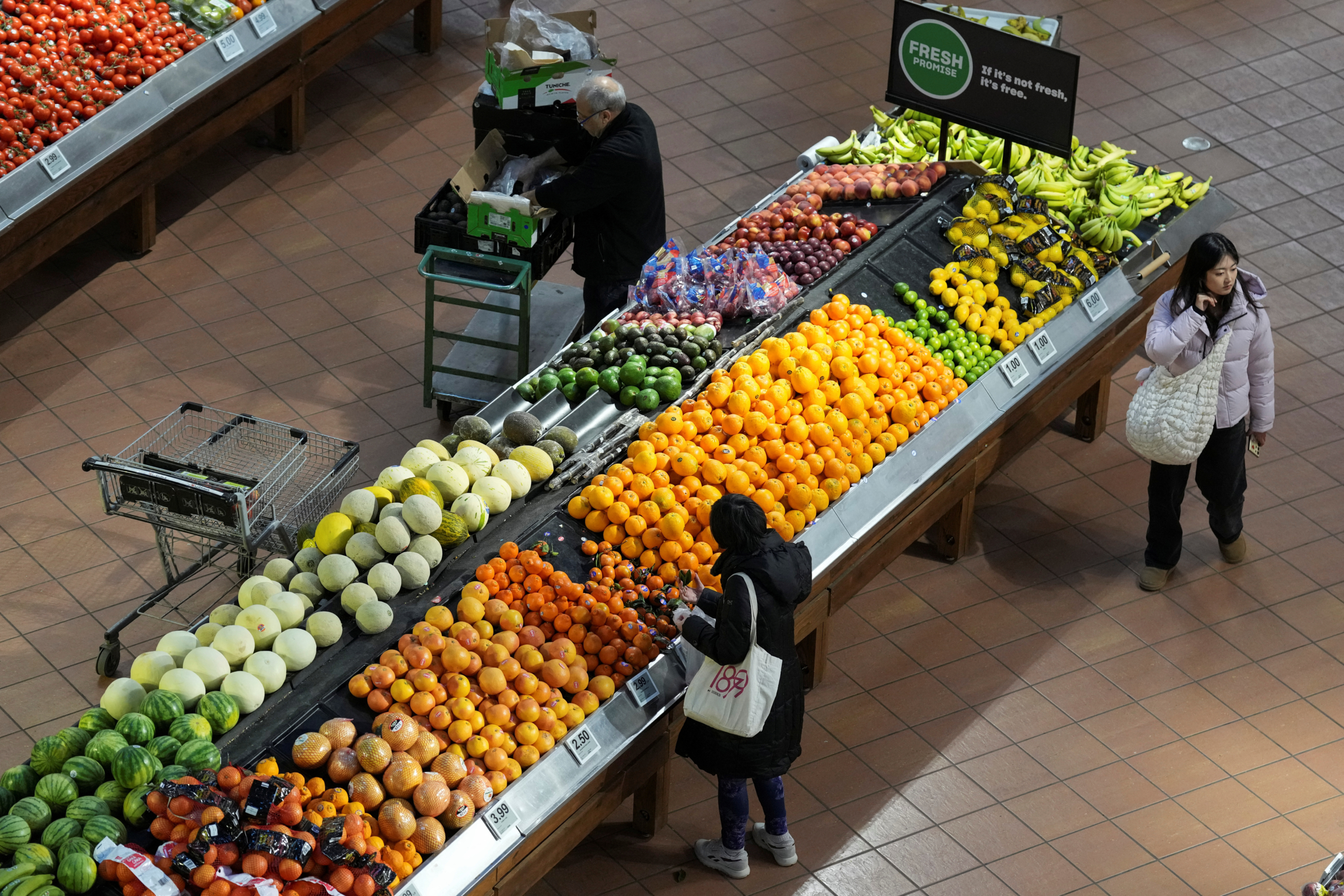
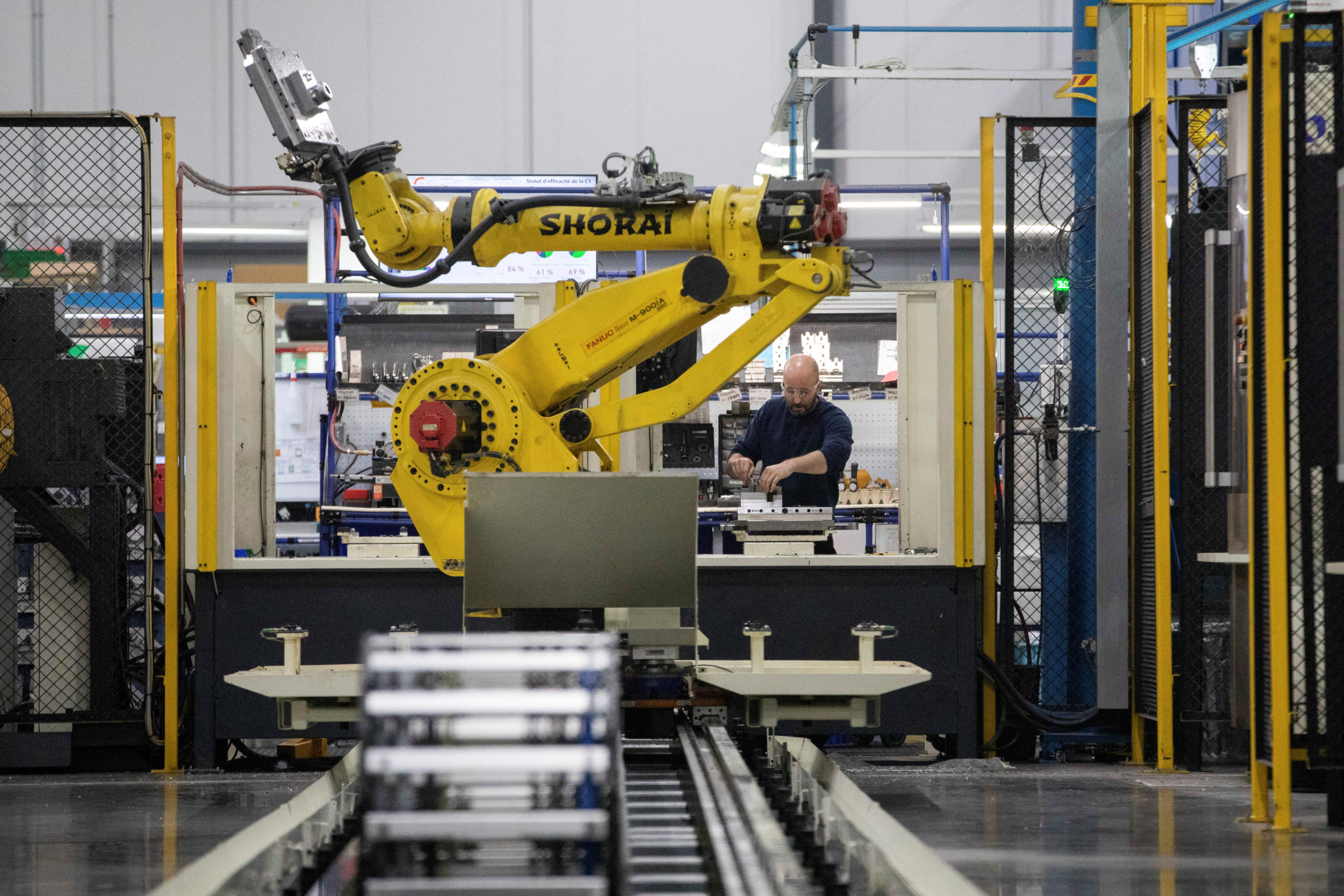
The downturn in Canada's services economy deepened in February as firms avoided committing to new business in anticipation of a trade war, S&P Global's Canada services PMI data showed on Wednesday.The headline Business Activity Index fell to 46.6 from 49.0 in January, the third straight month below the 50.0 no-change mark and the lowest level since September. A reading below 50 shows a contraction in activity."February saw the Canadian service sector hit hard by the spectre of tariffs being applied to all goods and services crossing the border with the U.S.," Paul Smith, economics director at S&P Global Market Intelligence, said in a statement.""Panellists widely reported that market activity had been paralysed by tariff uncertainty, with clients unwilling to commit to new business as they waited to see the size and scope of any changes to respective Canadian and U.S. trade policies."U.S. President Donald Trump's new 25% tariffs on imports from Mexico and Canada took effect on Tuesday. Canadian Prime Minister Justin Trudeau said Ottawa was launching 25% tariffs on C$30 billion ($20.7 billion) worth of U.S. imports.The New Business Index was at 45.1, down from 49.4 in January, and the measure of new export business slumped to 38.7, its…
Toronto home sales drop 28.5% in February as trade uncertainty hits sentiment

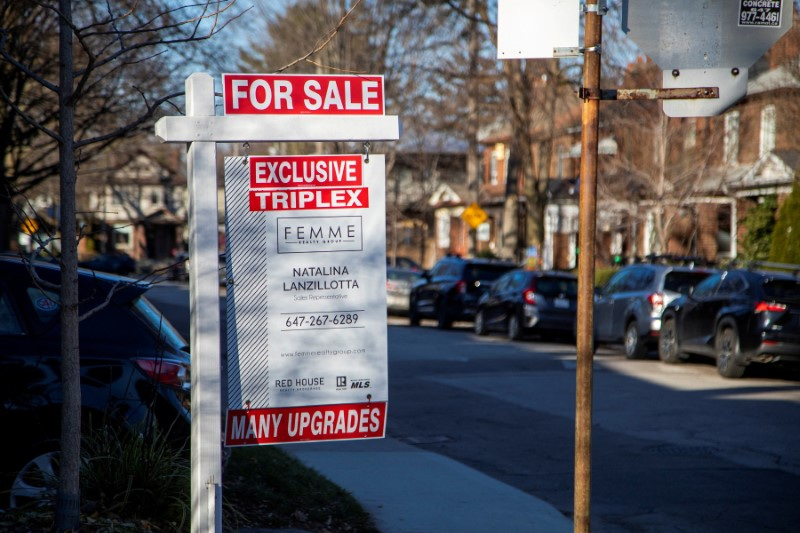
Greater Toronto Area home sales tumbled in February and home prices declined for a third straight month as an uncertain trade outlook weighed on the homebuyers' confidence, data from the Toronto Regional Real Estate Board (TRREB) showed on Wednesday.Seasonally adjusted sales were down 28.5% on a month-over-month basis to 4,326 units after climbing 12.4% in January. Compared to February 2024, sales were down 27.4%."On top of lingering affordability concerns, homebuyers have arguably become less confident in the economy," Jason Mercer, chief market analyst at TRREB, said in a statement."Uncertainty about our trade relationship with the United States has likely prompted some households to take a wait-and-see attitude towards buying a home."U.S. tariffs that took effect on Tuesday are threatening to derail Canada's fledgling economic recovery and will fuel a rise in consumer prices and unemployment, potentially triggering a recession.The Greater Toronto Area includes Toronto, Canada's most populous city, and four surrounding regional municipalities.Seasonally adjusted new listings fell 24.3% in February from January to 14,053 units. On a year-over-year basis, new listings were up 5.4%.TRREB's home price index declined 1.5% month-over-month on a seasonally adjusted basis to C$1,063,300 ($740,562.75). Prices were down 1.8% from February of 2024.($1 = 1.4358 Canadian dollars)Source:…

Canada requests WTO consultations with US over ‘unjustified tariffs’, says ambassador

Canada has requested consultations with the United States on "unjustified tariffs" at the World Trade Organization, Canada's ambassador to the WTO in Geneva said on Wednesday."The U.S. decision leaves us with no choice but to respond to protect Canadian interests," Ambassador Nadia Theodore said in a statement posted on LinkedIn. A WTO spokesperson confirmed the receipt of Canada's request for consultations.U.S. President Donald Trump's new 25% tariffs on imports from Canada and Mexico took effect on Tuesday, along with fresh duties on Chinese goods.The moves, which could upend nearly $2.2 trillion in annual trade, came after Trump declared that the top three U.S. trading partners had failed to do enough to stem the flow of fentanyl and its precursor chemicals into the United States."Everyone plays their position. I played mine today and on behalf of the Government of Canada, requested WTO consultations with the Government of the United States in regard to its unjustified tariffs on Canada," Theodore said.Bilateral consultations are the first stage of formal dispute settlement. If within 60 days no solution is found, then Canada could request adjudication by the Geneva-based organisation's Dispute Settlement Body.Canadian Prime Minister Justin Trudeau said on Tuesday that Trump's tariffs on Canadian…

Dollar mauled by Trump trade war; German ‘bazooka’ blasts bonds

The dollar hit three-month lows on Wednesday as the U.S.' trade war with its partners escalated, while a major overhaul to German government borrowing triggered the biggest sell-off in the country's debt since the late 1990s.In addition to the cocktail of tariffs and a seismic shift in German fiscal policy, investors also scrutinised the start of China's annual sessions of its parliament, the National People's Congress, at which Beijing retained a goal of roughly 5% economic growth for 2025.The euro hit its highest in four months, while European stocks surged (.STOXX). The biggest casualties were longer-dated German government bonds, caught up in their worst one-day selloff in more than 25 years as yields ripped higher.Overnight, German political parties agreed to a 500 billion-euro ($534.75 billion) infrastructure fund and, crucially, an overhaul in borrowing limits that economists billed as "a really big bazooka"."Last night Germany announced plans for one of the largest fiscal regime shifts in post-war history, perhaps with reunification 35 years ago being the only rival," Deutsche Bank strategist Jim Reid said."Everything you thought you knew about Germany's economic prospects three months ago, or even three weeks ago, should be ripped up and you should start your analysis from…

Trump tariffs threaten to derail Canada’s economic recovery

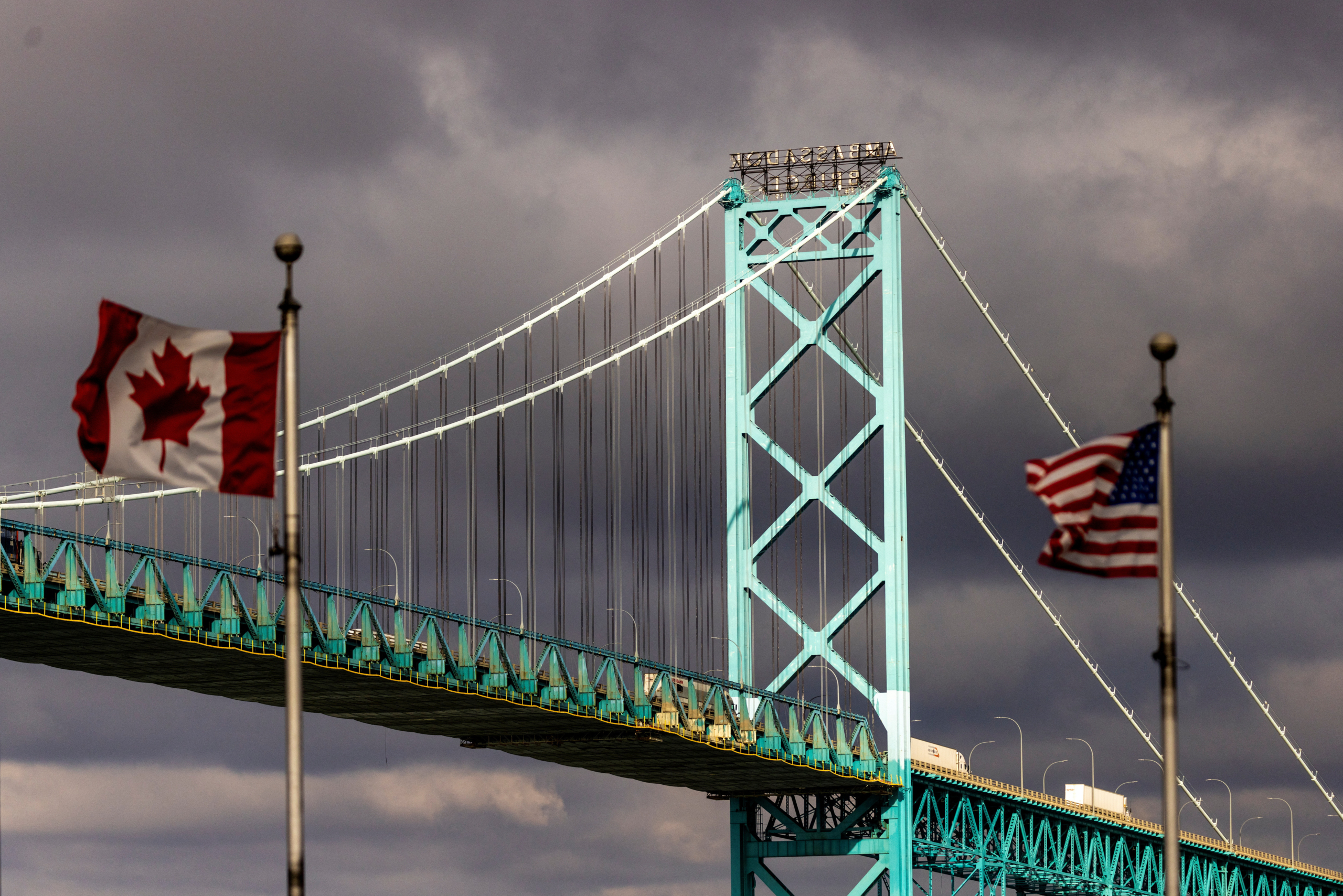
U.S. tariffs that took effect on Tuesday are threatening to derail Canada's fledgling economic recovery and will fuel rise in consumer prices and unemployment, potentially triggering a recession.Canada relies on the United States for 75% of its exports and a third of all imports. Its dependency on trade for economic growth leaves Canada vulnerable to a protracted trade war.The Canadian economy had started showing signs of improvement after several anemic quarters thanks to six consecutive interest rate cuts from the Bank of Canada.Canada's fourth quarter annualized economic growth was 2.6%, surpassing expectations and the unemployment rate dipped thanks to robust job additions in January.The growth spurt may be short-lived, however, depending how long tariffs are in place."If the tariffs are sustained indefinitely, it would almost wipe out two years' worth of economic growth," said Craig Alexander, president of Alexander Economic Views, an independent economic research organization.The economy could at least see a mild recession, he said, but cautioned that this estimate does not take into account the impact of any further tariffs. Economists have also said the impact of tariffs on the U.S. economy will be broad, deep and time-consuming.U.S. President Donald Trump slapped a 25% tariff on all imports…

TSX hits near two-month low as US tariffs take effect

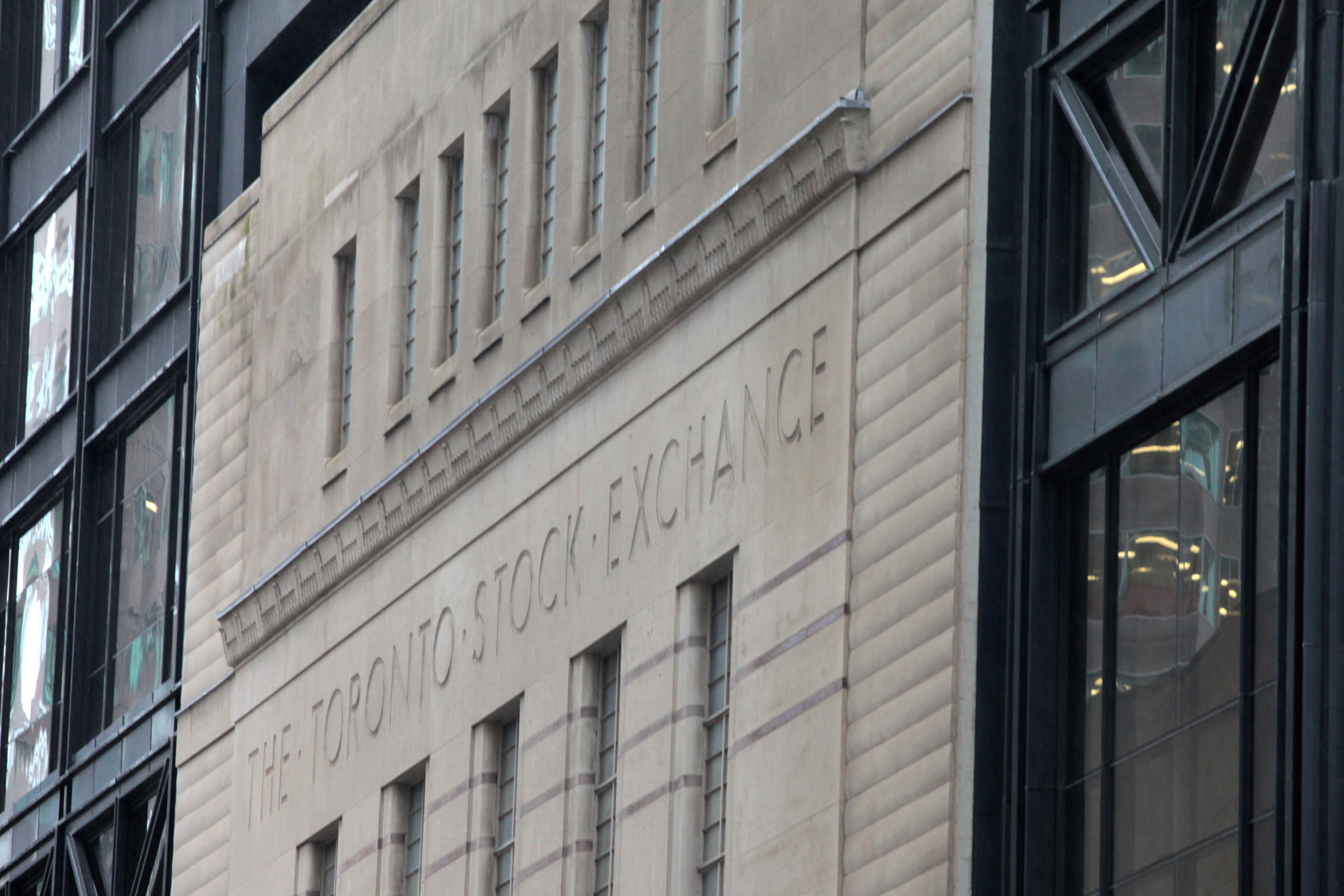
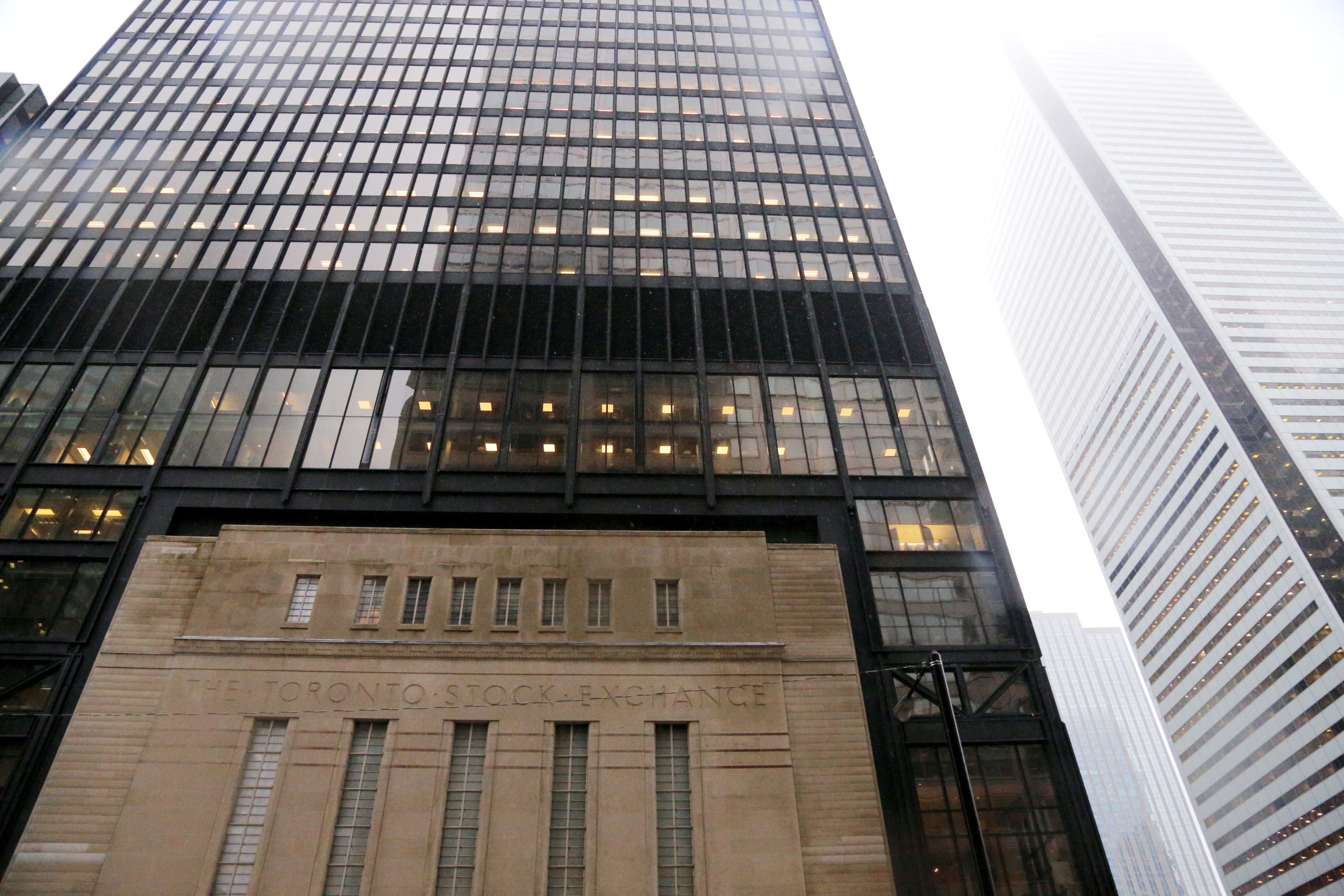
Canada's main stock index fell to its lowest level in nearly two months, as investors assessed President Donald Trump's imposition of new tariffs on the United States' three biggest trading partners.At 10:00 a.m. ET (1500 GMT), the Toronto Stock Exchange's S&P/TSX composite index (.GSPTSE) dropped 1.8% to its lowest since January 14. That put the index on track for its worst day in more than two months and its second straight session of losses.All the 11 sectors declined, with energy (.SPTTEN) leading the losses with a 2.2% fall. Financial (.SPTTFS) and technology lost 2.4% each.Trump imposed a 25% tariff on imports from Mexico and Canada, effective Tuesday, along with a doubling of duties on Chinese goods to 20%."If the U.S. tariffs remain in place, Canada will undoubtedly fall into recession. The limited decline in the loonie so far suggests markets are still pricing in a quick u-turn from the Trump administration," said Stephen Brown, deputy chief North America economist at Capital Economics.China announced additional tariffs ranging from 10% to 15% on select U.S. imports, effective March 10. Canada and Mexico, accustomed to a nearly tariff-free trading relationship with U.S., were poised to swiftly retaliate against their long-standing ally.Canadian Prime Minister…

South Africa sees modest Q4 growth on recovery in agriculture

South Africa's economy returned to modest growth in the fourth quarter of last year, helped by a recovery in agricultural output after the sector triggered a contraction in the previous quarter.But the 0.6% gross domestic product (GDP) expansion in seasonally-adjusted, quarter-on-quarter terms was smaller than the 0.9% predicted by economists (ZAGDPN=ECI) , as only three of the 10 industries tracked by Statistics South Africa grew."While growth is positive, South Africa's economic recovery remains fragile with sectoral performances mixed," said Shaun Murison, senior market analyst at IG.Agriculture expanded 17.2% in the fourth quarter on the back of increased activity in field crops and animal products."Agriculture is always a wildcard, heavily influenced by increasingly erratic and extreme weather events," said Nicky Weimar, chief economist at Nedbank.Trade grew 1.4% and finance 1.1% in the last three months of 2024.However, manufacturing shrank 0.6%, mining dropped 0.2% and construction fell 0.4%.Fourth-quarter GDP grew 0.9% on a year-on-year basis (ZAGDPY=ECI), while for 2024 as a whole it rose 0.6%.Bokang Vumbukani-Lepolesa, chief director for national accounts at Stats SA, said withdrawals under last year's "two-pot" pension reform had lifted household spending towards the end of the year.Economists predict the economy will accelerate modestly in 2025, boosted by…

Stocks and bond yields slip as Trump tariffs ignite new trade conflicts

Stocks and bond yields slid on Tuesday as investors globally ducked for cover after the United States hit Canada, Mexico and China with steep tariffs, launching new trade conflicts with the top three U.S. trading partners.European stocks (.STOXX) fell 1.3%, losing ground from their record highs, with tariff-sensitive automakers (.SXAP) losing 4.3% and on track for their worst day since September 2022.However, aerospace and defence stocks (.SXPARO) hit a record high.Government bond yields fell. U.S. 10-year Treasury yields dropped to their lowest since October and were last at 4.164%. Yields on German 10-year bonds, a benchmark for the euro zone, also slid.Other riskier assets lost ground too, with bitcoin slipping under $84,000, erasing a surge at the start of the week. The Australian dollar fell to a one-month low, while the Mexican peso and Canadian dollar also weakened.MSCI world equity index (.MIWD00000PUS), which tracks shares in 47 countries, fell 0.2%.U.S. futures (.EScv1) were flat, after gaining in European trading hours almost 0.3%. The S&P 500 (.SPX) is down about 5% from its February 19 all-time closing high as tariffs exacerbate concerns about growth.Investors were also unnerved by U.S. President Donald Trump pausing military aid to Ukraine following his clash in…

Investors say it’s time to take Trump seriously as markets recoil

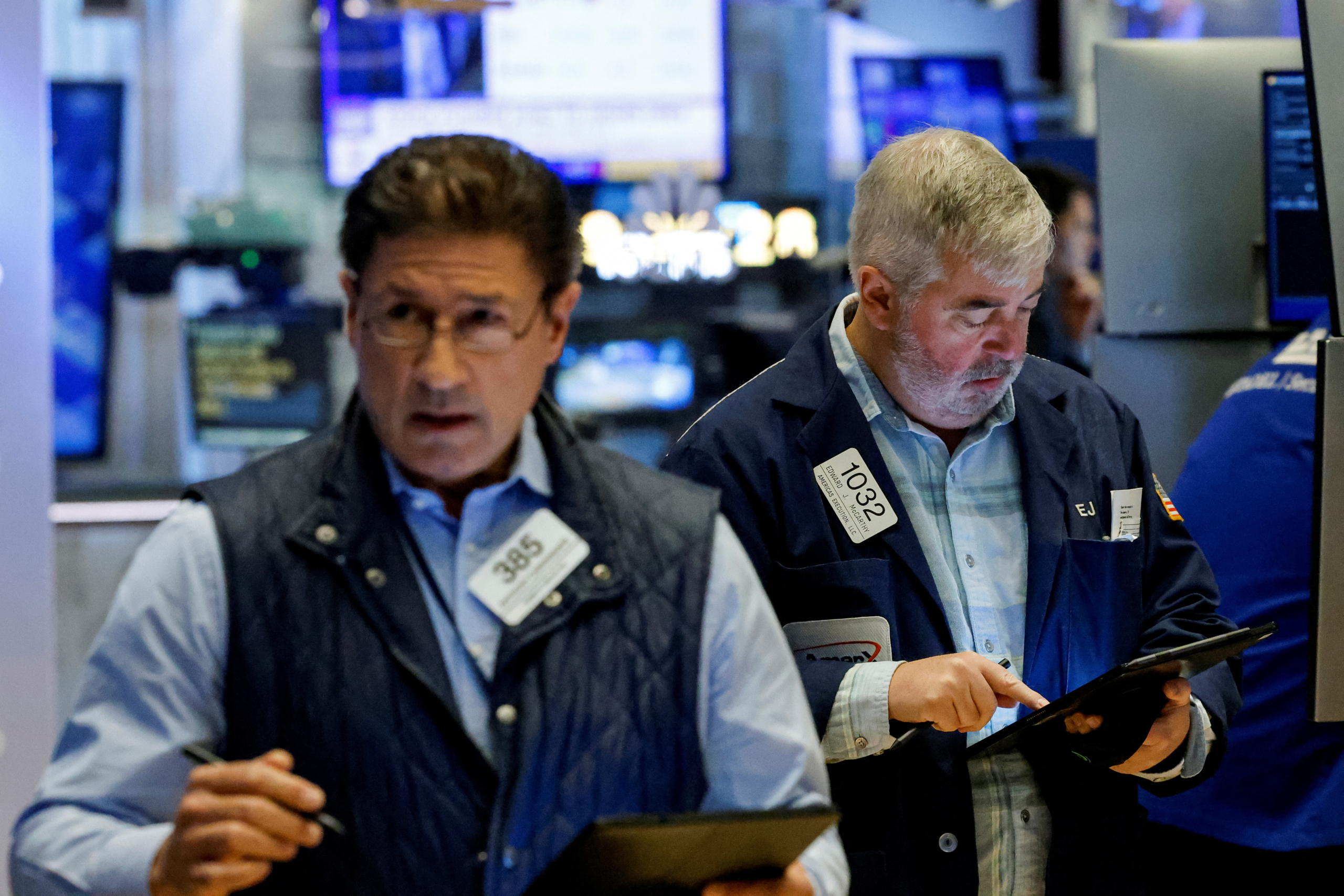
Markets no longer think Donald Trump is full of bluster and are moving quickly to anticipate a slowdown in U.S. and global growth as he raises a wall of tariffs around the world's biggest economy and trading partners start to respond in kind.Six weeks into his second term, the U.S. president has hit imports from Mexico and Canada with 25% levies, put an additional 20% tariff on goods from China, threatened reciprocal tariffs globally and cut off military aid to Ukraine.But instead of the rising yields and higher dollar that investors had wagered on in November, the so-called "Trump trade" is in full retreat.Trade conflict has begun in earnest and the dollar is falling while bond yields dive.U.S. allies are rattled. As Goldman Sachs analysts note, the average tariff rate on imports from China is now 34% and the increase is already roughly twice as large as that in the first Trump administration. Nobody wants to bet anymore that there will be swift compromises or deals."It is difficult for markets to get on with aggressive positioning given the risk of U.S. tariff policies turning on a dime," said Chang Wei Liang, currency and credit strategist at DBS."In credit markets, spreads…