Nomura now expects only one ECB rate cut after policy meeting

Nomura now expects the European Central Bank to lower rates only once this year, diverging from most brokerages that still see at least two reductions, after the central bank signalled the possibility of a pause at its latest meeting.The ECB lowered the deposit rate to 2.5% on Thursday, its sixth cut since June, and said monetary policy was becoming less restrictive as inflation falls towards its 2% target.While the wording could suggest further rate cuts, ECB President Christine Lagarde stopped short of reaffirming that rates were on a downward path and instead said that a reduction or a pause were both on the cards."The ECB delivered a neutral to marginally hawkish rate cut. We believe the change in wording on restrictiveness is at the margin more hawkish than we expected," Nomura economists said in a note late on Tuesday.Earlier this week, the brokerage had lowered its ECB rate cut outlook to two reductions from four in 2025, citing the impact of potential fiscal loosening in Germany.Meanwhile, other global brokerages including Goldman Sachs, Morgan Stanley and Barclays maintained their forecasts of two rate cuts until the mid-year.BofA Global Research sees four rate reductions - in April, June, July and September. It,…
Stocks stumble as investors grapple with US trade policy uncertainty

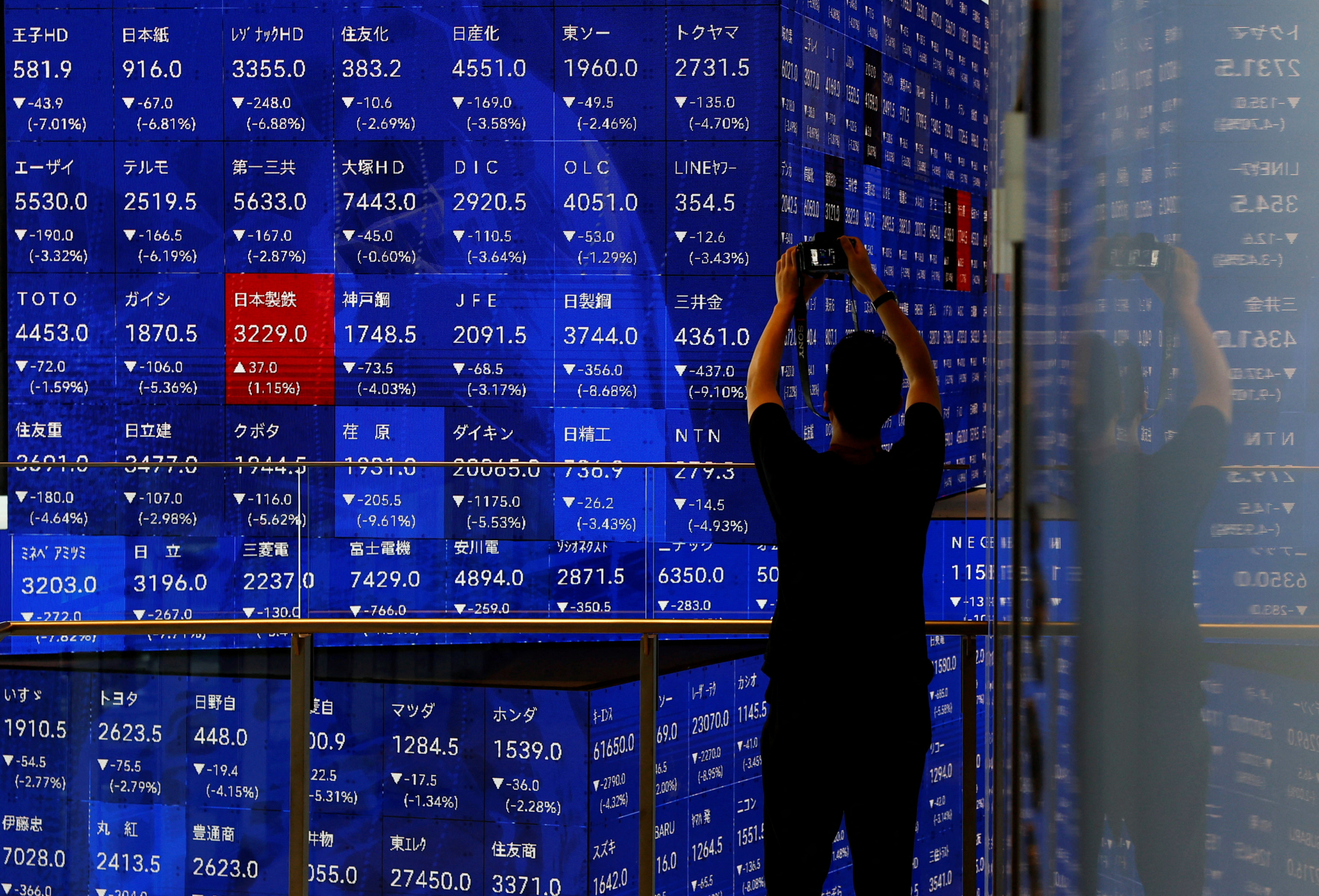
Investor sentiment was fragile on Friday following a turbulent week besieged by confusion over U.S. trade policy and a global rise in borrowing costs, as stocks and risk currencies fell, though a steep selloff in bonds abated.Focus for financial markets later in the day will be on the U.S. nonfarm payrolls report, followed by a speech from Federal Reserve Chair Jerome Powell, which could provide more clarity on the outlook for rates in the world's biggest economy.Overnight the Nasdaq (.IXIC) confirmed it has been in a correction since peaking last December, as Wall Street faces headwinds from a darkening outlook for U.S. growth and uncertainty over President Donald Trump's tariff policies.U.S. stock futures regained some lost ground on Friday, with Nasdaq futures rising 0.24% and S&P 500 futures tacking on 0.11%.But European futures tumbled, with EUROSTOXX 50 futures sliding 0.94%. DAX futures sank 1.2%, while FTSE futures lost 0.5%.Japan's Nikkei (.N225) similarly fell to a six-month low, while MSCI's broadest index of Asia-Pacific shares outside Japan (.MIAPJ0000PUS) shed 0.75%."The rapidly shifting sands of U.S. tariffs are turning into quicksand for businesses in the U.S., Canada and Mexico to drown in," said Tony Sycamore, a market analyst at IG."I'm not particularly…

Canada’s January trade surplus at 32-month high as firms stockpile on tariff threat

Canada's trade surplus in January exceeded expectations by a wide margin to post a 32-month record as fears of tariffs from the U.S. pushed exports of cars and energy products higher, especially south of its border, data showed on Thursday.It posted a trade surplus of C$3.97 billion ($2.78 billion), more than double the upwardly revised C$1.69 billion seen in December, Statistics Canada said, and posted a record surplus with top trading partner the United States.U.S. President Donald Trump has slapped a 25% tariff on almost all Canadian imports and after retaliation by Prime Minister Justin Trudeau, he has threatened to stack up more tariffs on them.On Wednesday, Trump agreed to exempt automakers from the tariffs for one month as long as they comply with the terms of the Canada-U.S.- Mexico free trade agreement, and agreed to look at other products too for similar relief.Analysts polled by Reuters had forecast Canada's trade surplus to be at C$1.28 billion and have said that trade balances would benefit from companies front-loading orders in January."This uncertainty is creating major swings in the data, and we are just getting started," Andrew DiCapua, Principal Economist, Canadian Chamber of Commerce.Total exports increased 5.5% in January to a…

Brazil’s fourth-quarter economic growth forecast to have slowed: Reuters Poll

Brazil's economy is forecast to have moderated in the final quarter of last year due to slower growth in private consumption and investment, a Reuters poll showed.The economy expanded by 0.5% in October-December over the previous three-month period, according to the median estimate of 21 economists polled February 26-March 3. The yearly rate was estimated at 4.1%.A 0.5% rise would imply a deceleration from 0.9% in the third quarter. "This step down was... led by slower (private) consumption and the first decline in investment in over a year," J.P. Morgan analysts wrote in a report."Solid government consumption, a slightly positive contribution from net exports, and inventories should have contributed to a positive growth rate at the end of last year."The flip side of Latin America's No.1 economy's reliance on federal spending is increased fiscal worries, which have led to a selloff on the markets.At the same time, foreign direct investment increased less than the current account deficit last year, limiting Brazil's economic expansion.On the supply side, LCA 4intelligence economist Bruno Imazumi said he projected quarterly rises of 0.4% in services, 0.1% in industry and 1.8% in agriculture."Within services, we will see a still strong number for financial intermediation, insurance, supplementary…

Canada’s Ivey PMI rises to seven-month high in February

Canadian economic activity expanded at the fastest pace in seven months in February as employment rose and prices heated up, Ivey Purchasing Managers Index (PMI) data showed on Thursday.The seasonally adjusted index rose to 55.3 from 47.1 in January, its highest level since July. A reading above 50 indicates an increase in activity.The Ivey PMI measures the month to month variation in economic activity as indicated by a panel of purchasing managers from across Canada.The gauge of employment rose to an adjusted 53.7 from 52.9 in January, while the prices index was at 71.5, up from 64.4.The unadjusted PMI rose to 53.6 from 46.2.Source: Reuters.com

Germany probes Argus Media, S&P Global over fuel market pricing concerns

Germany's antitrust watchdog said it was investigating the impact of price information services provided by Argus Media and S&P Global on the fuel wholesale market, after an initial investigation raised pricing and competition concerns.Price quotations are usually linked to wholesale procurement contracts and can indirectly influence retail prices.They are provided by price-reporting agencies such as S&P Global Commodity Insights (Platts) and Argus Media, based on reported transactions.Argus Media and S&P Global Commodity Insights (Platts) were not immediately available for comment.Last month, the cartel office said an examination into oil market price quotations showed pricing based on limited data which was vulnerable to manipulation, and it urged stronger regulations."We see indications of such a structural disruption of competition in the fuel wholesale trade," said Andreas Mundt, the watchdog's president, in a statement on Thursday.The office said it will use new powers obtained in 2023 to investigate whether there was a significant and ongoing competition disruption in individual markets or across markets, which it would address the causes of if confirmed.Source: Reuters.com

TSX futures slip as tariff woes linger

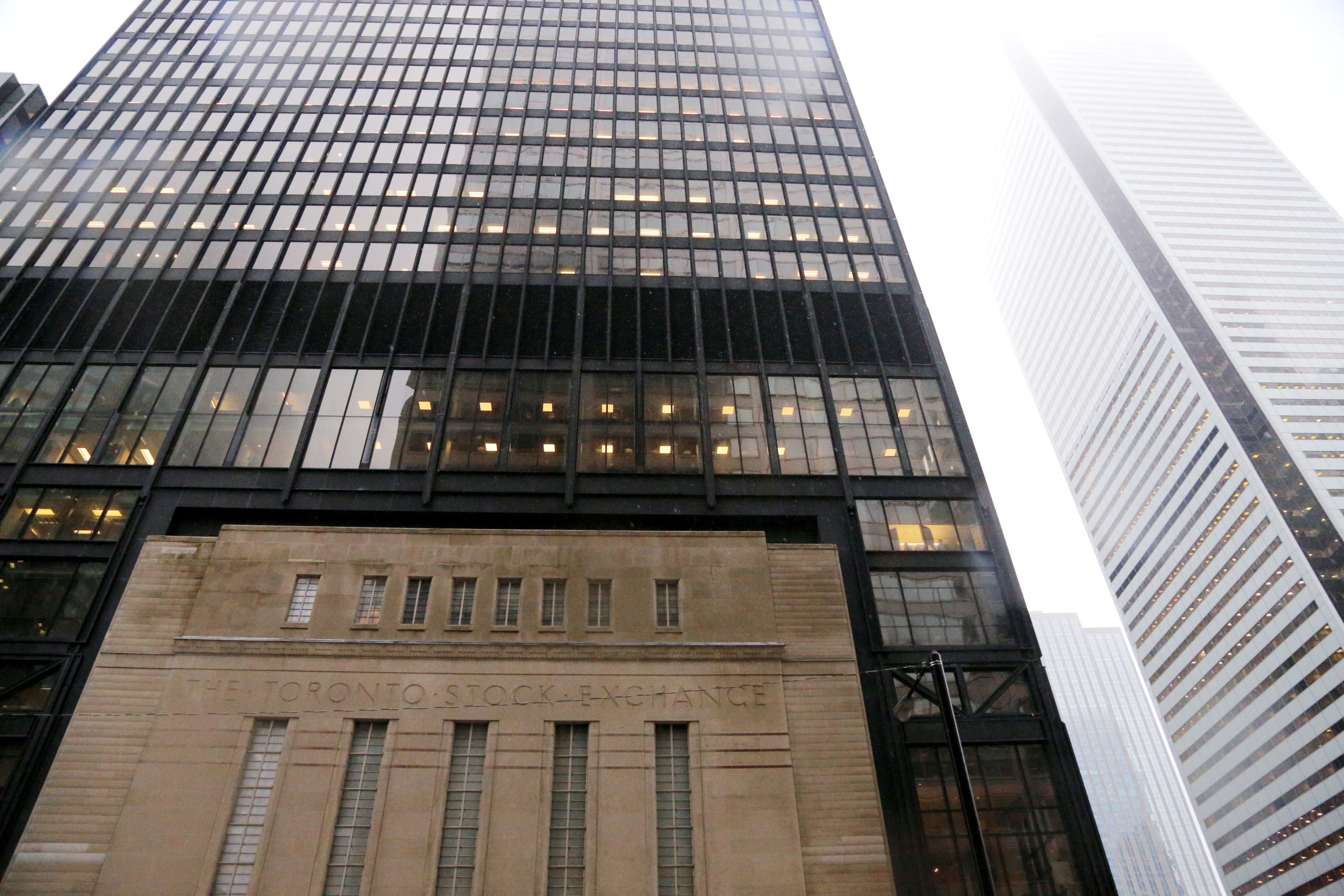
Futures tied to Canada's main stock index declined on Thursday as trade tensions lingered despite some reprieve on U.S. tariffs.The futures on the S&P/TSX index were down 1% at 6:30 a.m. ET (1130 GMT).The S&P/TSX composite index (.GSPTSE) recorded a strong rally in the previous session, closing 1.2% higher.U.S. President Donald Trump on Wednesday exempted automakers from his stringent tariffs on Canada and Mexico for one month, as long as the companies complied with the terms of an existing free-trade agreement.However, Trump made it clear that he was not calling off his 25% tariffs on Canadian and Mexican imports, pressing the two countries to deter fentanyl smuggling.Oil prices were steady on Thursday, recovering slightly from a multi-year low. Brent was below $70, still pressured by the ongoing trade tensions and OPEC+'s plans to raise output.Gold prices fell as investors took profits following a three-day rally. Copper prices hit a near three-week high, helped by a sharp pullback in the U.S. dollar and hopes for more stimulus from top consumer China.The U.S. weekly jobless claims report, due before markets open, will set the stage for Friday's key U.S. payrolls data that could help investors gauge the economy's health.Traders expect the U.S.…

Shipping firms pull back from Hong Kong to skirt US-China risks

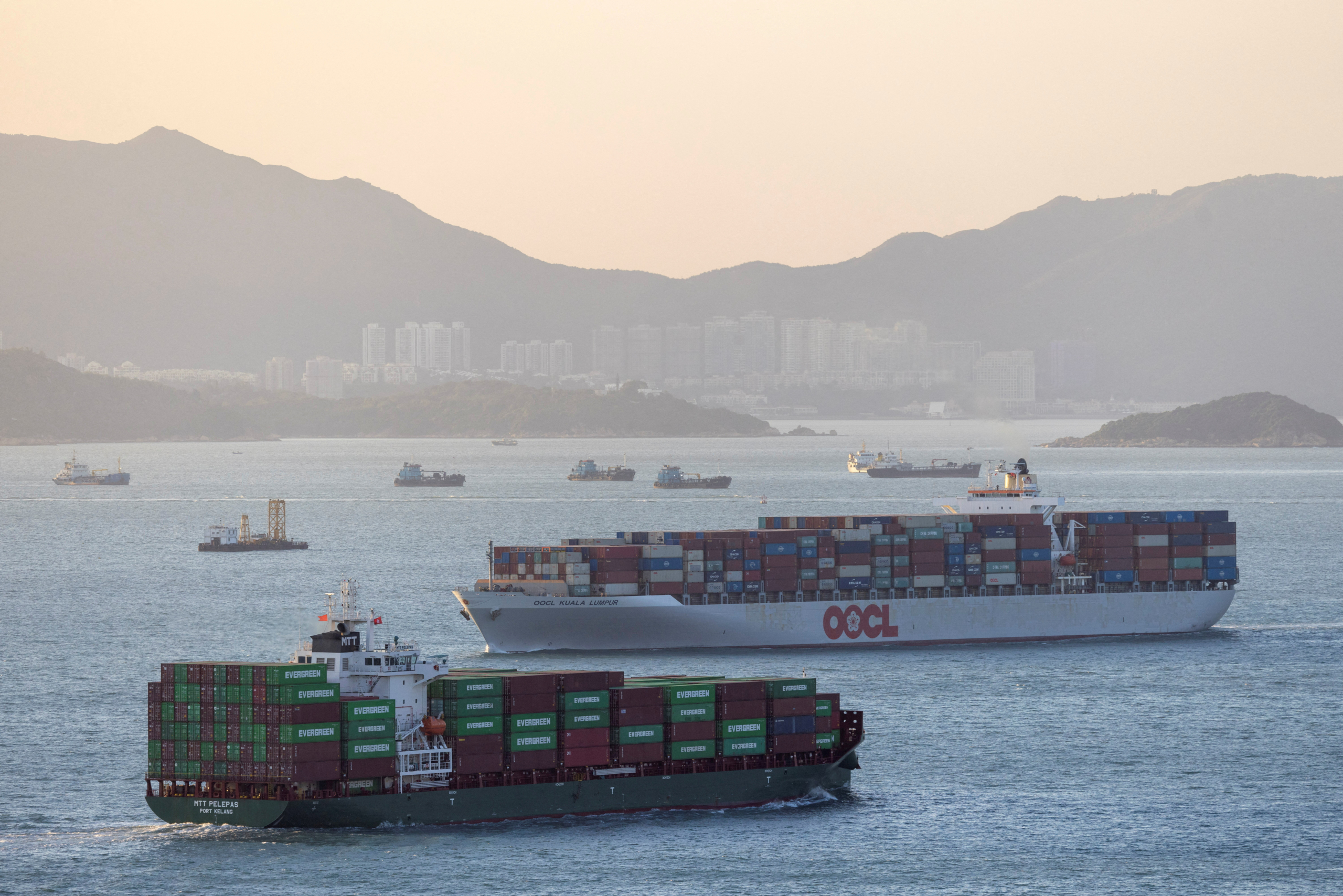
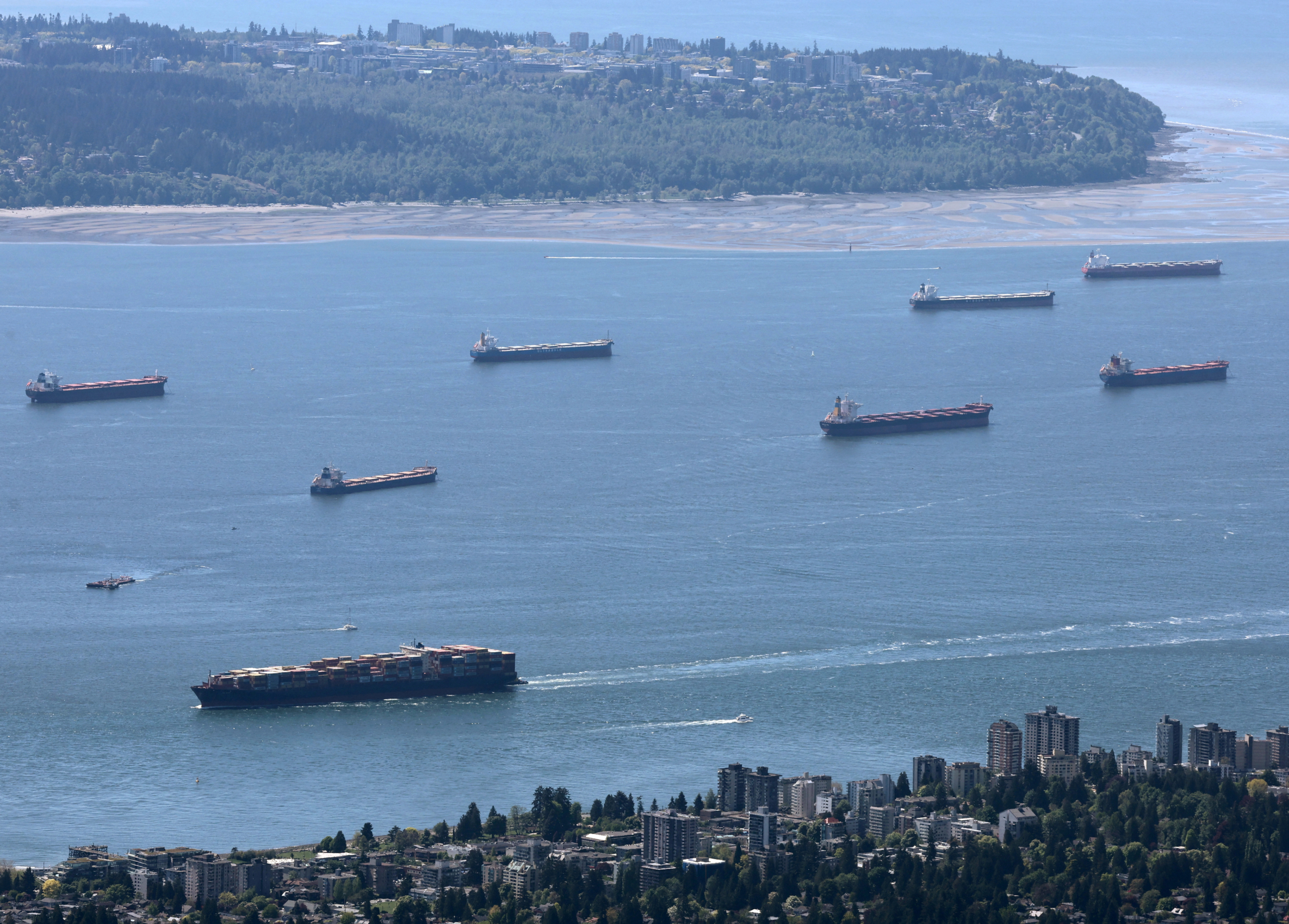
Some shipping companies are discreetly moving operations out of Hong Kong and taking vessels off its flag registry. Others are making contingency plans to do so.Behind these low-profile moves, six shipping executives said, lie concerns that their ships could be commandeered by Chinese authorities or hit with U.S. sanctions in a conflict between Beijing and Washington.Beijing's emphasis on the role of Hong Kong in serving Chinese security interests and growing U.S. scrutiny of the importance of China's commercial fleet in a possible military clash, such as over Taiwan, are causing unease across the industry, the people told Reuters.The U.S. Trade Representative's office last month proposed levying steep U.S. port fees on Chinese shipping companies and others that operate Chinese-built vessels, to counter China's "targeted dominance" of shipbuilding and maritime logistics.Washington in September warned American businesses about growing risks of operating in Hong Kong, where the U.S. already applies sanctions against officials involved in a security crackdown.Hong Kong for more than a century has been a hub for shipowners and the brokers, financiers, underwriters and lawyers supporting them. Its maritime and port industry accounted for 4.2% of GDP in 2022, official data show.The city's flag is the eighth most-flown by ships…

Stocks rise as tariff reprieve lifts sentiment

Asian stocks rose on Thursday as investors held out hope that trade tensions could ease after U.S. President Donald Trump exempted automakers from tariffs for a month, while the euro stood tall ahead of the European Central Bank policy meeting.Japanese government bonds fell sharply in Asian hours after German long-dated bonds were swept up in their biggest sell-off in years as the parties in talks to form Germany's new government agreed to try to loosen fiscal rules.Japan's 10-year government bond yield hit a near 16-year high as sentiment remained fragile.Much of the focus in markets remains on an escalating global trade war after 25% tariffs on imports from Mexico and Canada were imposed on Tuesday along with fresh duties on Chinese goods, sparking fears about economic growth.But on Wednesday, the White House said Trump will exempt automakers from his 25% tariffs on Canada and Mexico for one month as long as they comply with existing free trade rules.That led U.S. stocks sharply higher, shoring up Asian markets in early trade. MSCI's broadest index of Asia-Pacific shares outside Japan (.MIAPJ0000PUS) was up 0.86%, while Tokyo's Nikkei (.N225) gained 0.8%."Obtaining any kind of reliable signal from the headlines is almost impossible," said…

Canada, citing trade turmoil, to crack down on foreign takeover bids

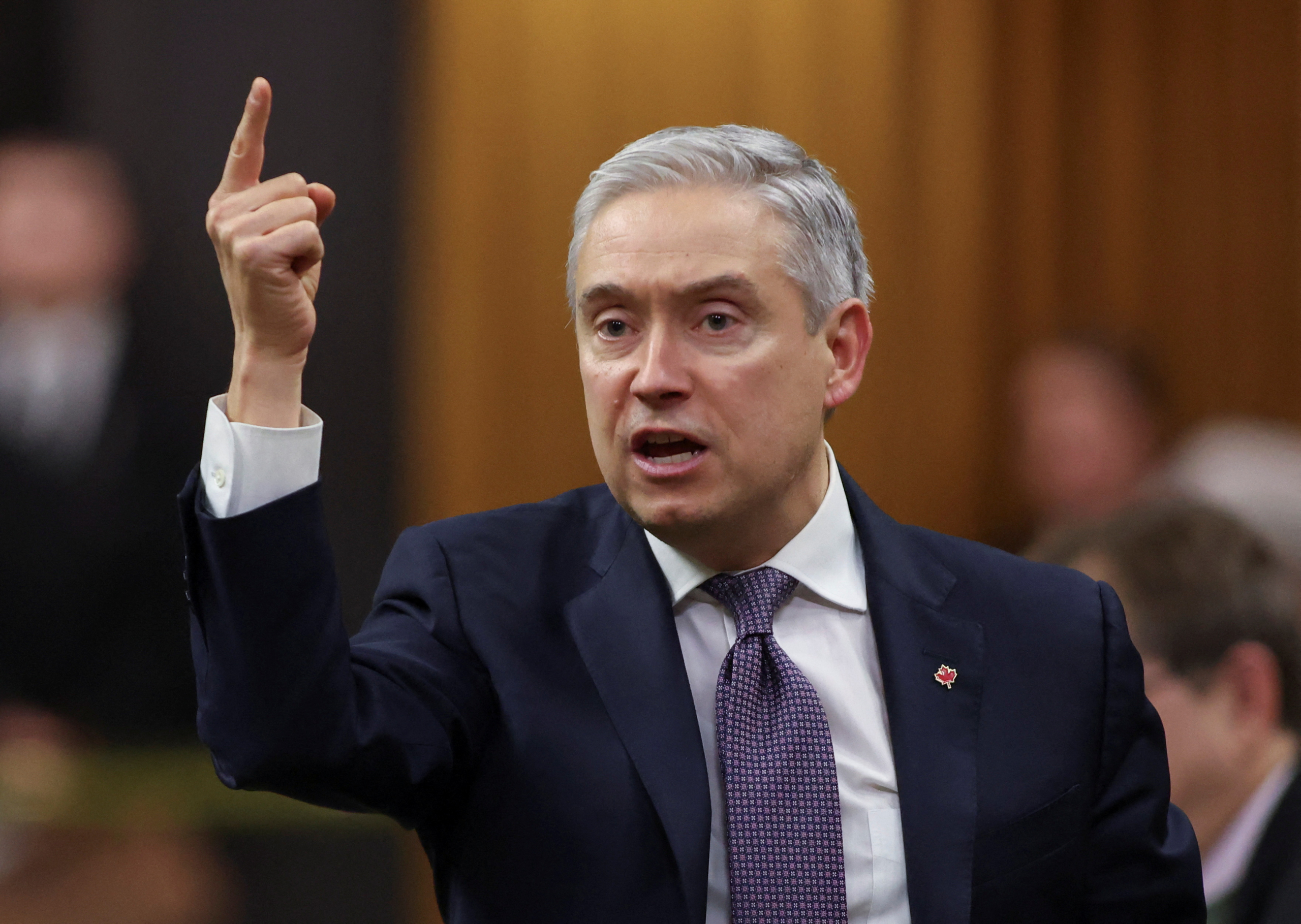
Canada, citing fears that recent trade turbulence could cut the value of domestic companies, on Wednesday vowed to make it harder for foreign firms to launch "predatory" takeover bids.Innovation Minister Francois-Philippe Champagne made the announcement a day after U.S. President Donald Trump launched a trade war against Canada and Mexico.Under the Investment Canada Act, Ottawa can approve or reject mergers and acquisitions based on their net benefit to the country. Champagne said from now on, investments would also be studied to see if they might undermine Canada's security at a time when the economy was facing unprecedented challenges."As a result of a rapidly shifting trade environment, some Canadian businesses could see their valuations decline, making them susceptible to opportunistic or predatory investment behavior by non-Canadians," Champagne said in a statement."When these businesses are important to Canada's economic resiliency ... it would run counter to Canada's interests to allow them to fall victim to this type of behavior."He did not give details. Last July, the government put the mining industry on notice that any major deals targeting the country's producers of critical minerals would only be approved under "the most exceptional circumstances".In March 2024, Ottawa introduced tougher national security reviews of…