RBNZ chief economist says data consistent with pick-up in economy

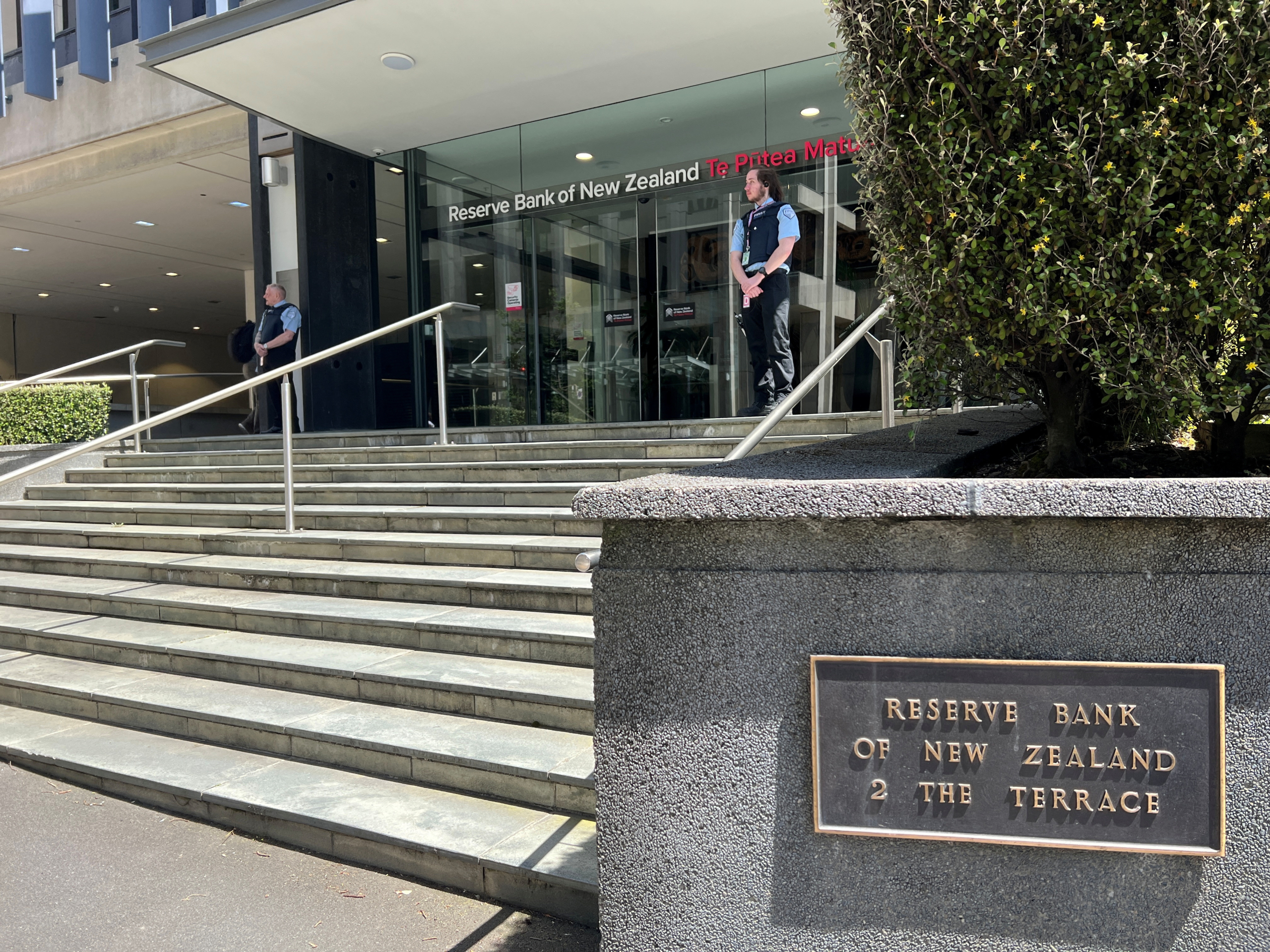
High-frequency data is consistent with the central bank's view that New Zealand's economy bottomed out in the middle of 2024 and started to slowly pick up in December, the chief economist of the Reserve Bank of New Zealand (RBNZ) said on Friday.Paul Conway added in an interview with Reuters that some businesses should be starting to feel an improvement.New Zealand's economy sank into a recession in the third quarter of last year after recording it's biggest six-month downturn outside of the pandemic since 1991. Fourth-quarter GDP data has yet to be released.Conway said there were risks around the economic improvements "as its very difficult to pick the turning point."Data including on manufacturing and services "suggests that some business should already be starting to feel a bit of a turnaround," Conway said, although he acknowledged companies would be wary."The labour market tends to lag economic activity. Businesses need to have confidence that growth is returning and that growth will be sustained into the future before they start to think about employing someone," he said.The central bank raised interest rates by 525 basis points to 5.5% in a series of increases that started in October 2021, but the higher borrowing costs took…
Asia shares get China boost, gold heads for eighth straight weekly gain

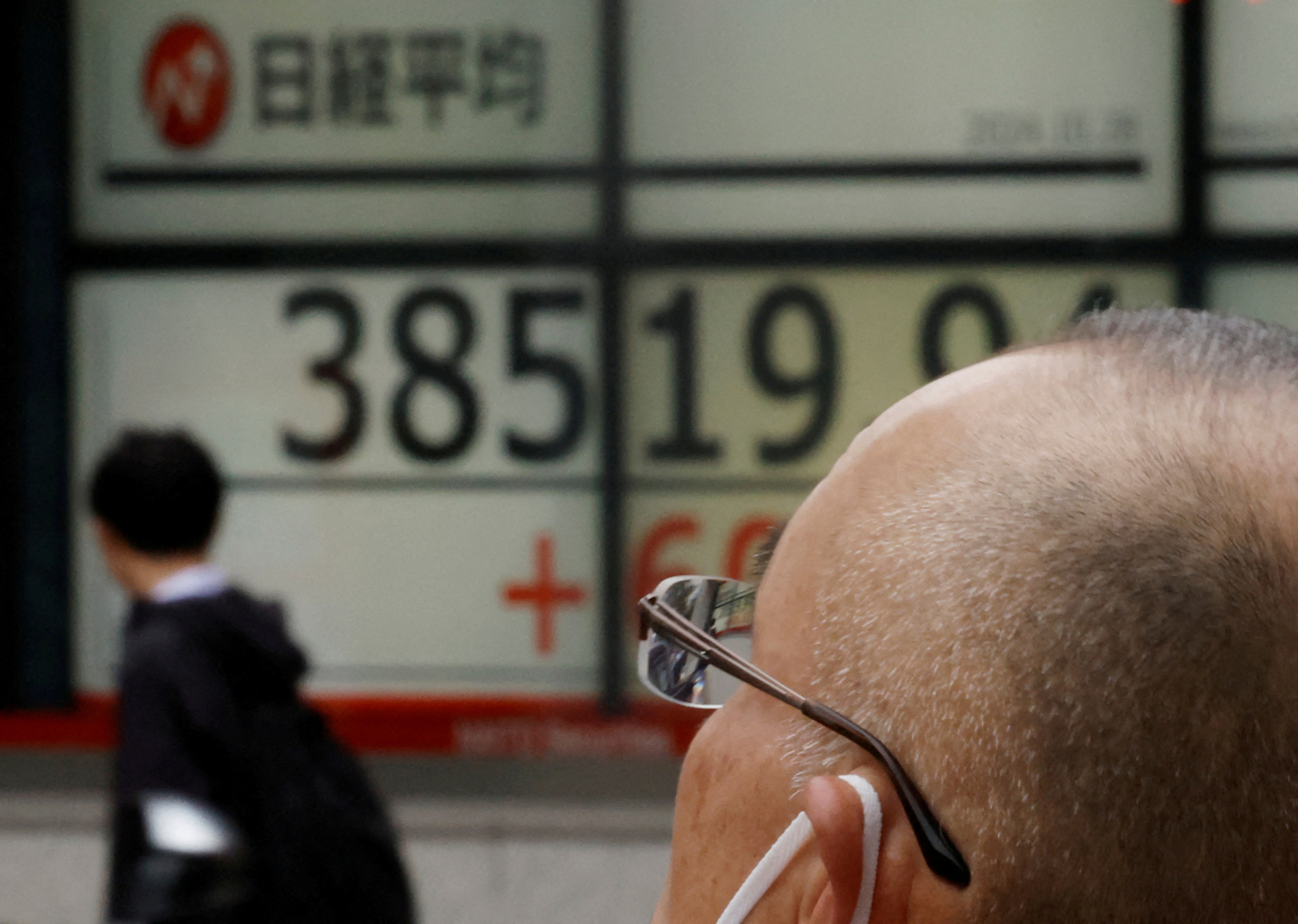
Asian shares rose on Friday, reversing Wall Street's negative lead as the U.S. exceptionalism narrative continued to lose its shine, while once unloved Chinese stocks found themselves more buyers thanks to optimism over artificial intelligence (AI).Gold hovered near a record high and was set to extend its gains for an eighth consecutive week, helped by safe-haven flows due to concerns over Donald Trump's tariff threats and amid contentious talks as the U.S. President pushes for a quick deal to end the Russia-Ukraine war.MSCI's broadest index of Asia-Pacific shares outside Japan (.MIAPJ0000PUS) rose 0.8% in the early Asian session, boosted by a jump in Hong Kong-listed stocks.Hong Kong's Hang Seng Index (.HSI) advanced 1.8% shortly after the open, while tech shares (.HSTECH) surged 2.5%.Similarly, China's CSI300 blue-chip index (.CSI300) gained 0.2%, with the CSI big data index (.CSI930902) rising 2%.Chinese stocks have been on a tear in recent days, driven by DeepSeek's AI breakthrough that reignited investor interest in China's technology capabilities.While the Hang Seng Tech Index has gained 26% for the year thus far, the S&P 500 (.SPX) is up just 4% over the same period."DeepSeek has been a catalyst for sentiment changing," said Brian Arcese, portfolio manager at Foord…

TSX futures flat amid Trump’s new tariff threats

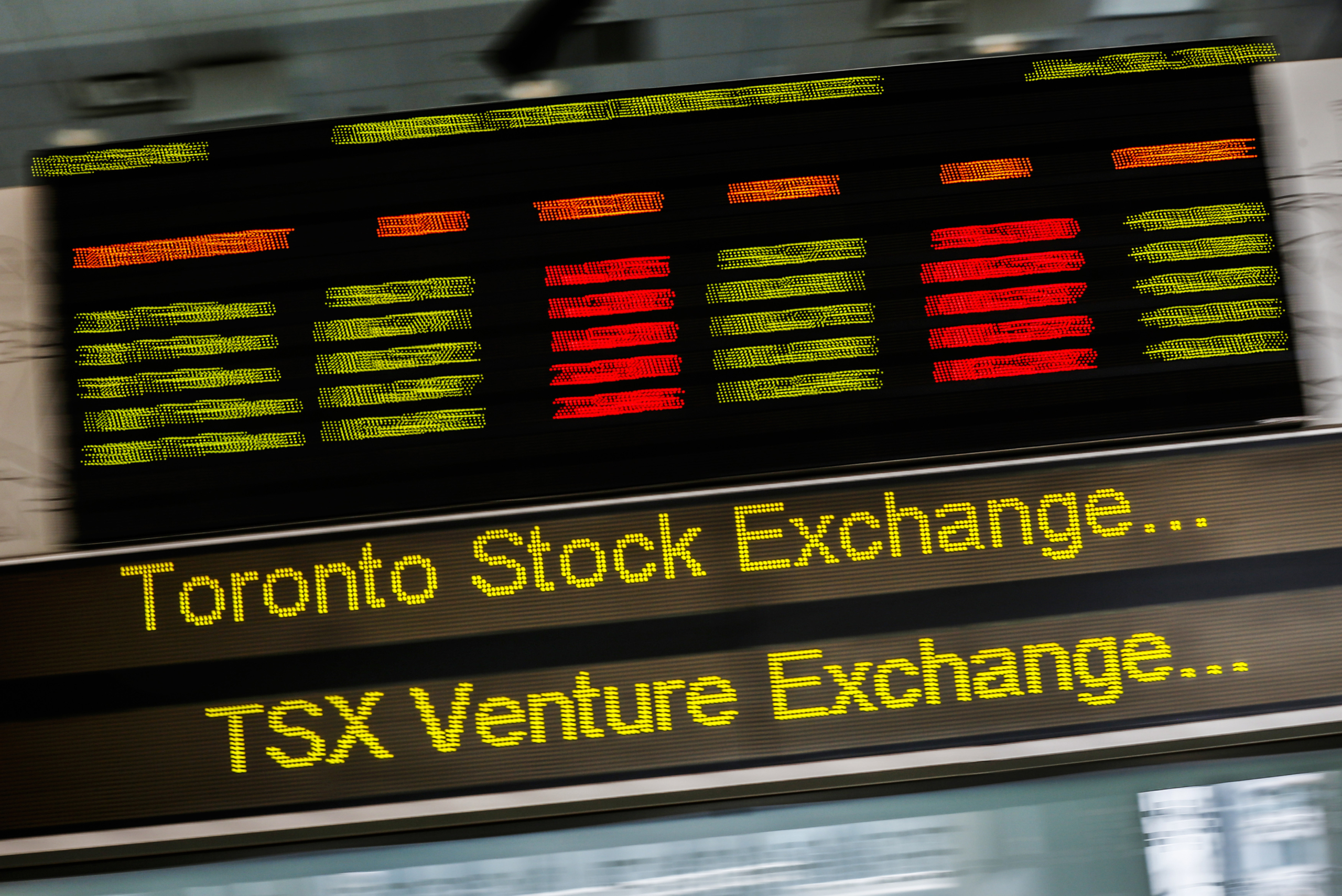
Futures for Canada's primary stock index remained steady on Thursday as market participants weighed the potential consequences of fresh tariff threats issued by U.S. President Donald Trump.As of 6:24 a.m. ET (11:24 GMT), March futures on the S&P/TSX index was flat.Trump announced plans to unveil fresh tariffs within the next month or sooner, targeting lumber and forest products in addition to previously announced duties on imported cars, semiconductors and pharmaceuticals.This announcement is particularly significant for Canada, one of the globe's leading producers and exporters of softwood lumber, with the lion's share of these exports destined for the United States.Amidst the renewed tariff threats, gold prices soared to unprecedented heights, as fears of a global trade war pushed investors towards the safe-haven metal.Later in the day, investors are set to digest a U.S. weekly jobless claims report and remarks from at least four Federal Reserve officials, including Chicago Fed President Austan Goolsbee.Meanwhile, oil prices held steady on Thursday after climbing to nearly a one-week high in the previous session after an industry report indicated a buildup in U.S. crude stockpiles.On Wednesday, the S&P/TSX Composite index (.GSPTSE) shed 0.09%, or 22.68 points, closing at 25,626.16.In corporate developments, Canadian oil and gas giant…

Yen surges, gold shines as stocks nurse record run

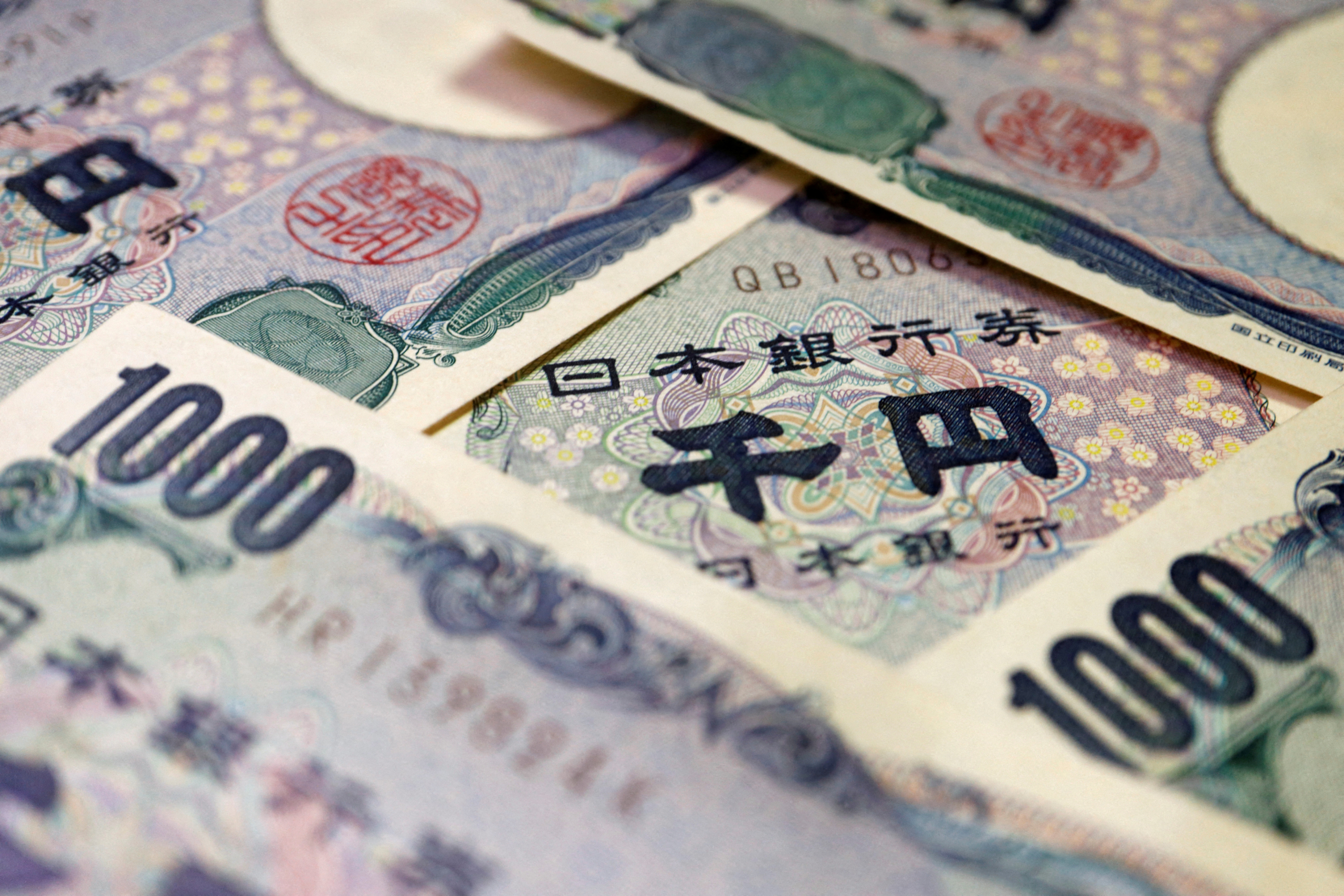
Traders were marking five years since COVID first rocked world markets and one month since Donald Trump's return to the White House started shaking up the global order on Thursday - and there was plenty to keep tabs on.Record-high gold was nearing $3,000 per ounce on concerns Trump will unleash a global trade war, the yen stomped higher on bets of more BOJ interest rate hikes, while Ukraine's bonds tumbled on worries about its future.The dollar had been weakened overnight by news the Federal Reserve's policymakers had discussed slowing or pausing the drawdown of its bloated balance sheet and stocks hit the brakes as the tariff warnings offset Wall Street's latest record high.Saxo Bank's John Hardy said the day's big move was the yen's pacey rise. It hit a more than two-month high against the dollar and briefly dropped below 150. It was also up more than 1% versus the euro and set for its biggest daily jump since late January."I'm just wondering whether this a bit of a lightbulb moment for traders," Hardy said.Key inflation data is due in the coming days, "there is a geopolitical angle there too perhaps in that they don't want to get attention from…

US companies swap dollar bonds into euros to lower funding costs

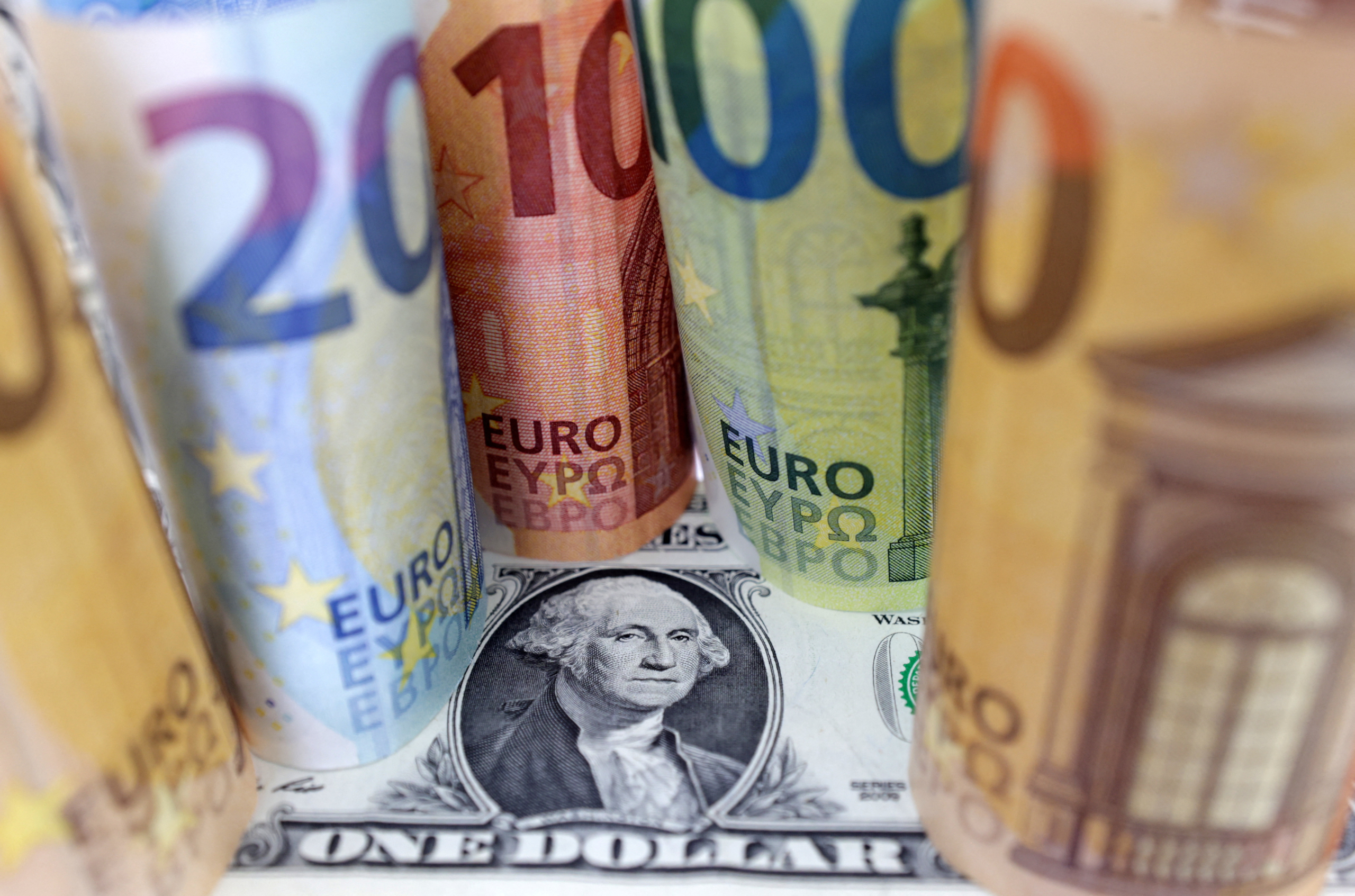
U.S. companies with overseas operations are taking advantage of lower rates in euros to slash their debt funding costs and soften the blow of higher interest rates with a hedging strategy that is expected to expand if the Fed continues to pause rate cuts and other central banks do not, bankers and corporate advisers said.Demand for cross-currency swaps, a hedge where companies exchange loan principal and interest payments from one currency to another, has steadily picked up as interest rates between the United States and other major economies diverged."We have seen activity in both new cross-currency swap transactions and restructurings of existing hedges, mostly USD to EUR flows associated with net investment hedging activity," said John Wahr, head of rates sales in the derivative products group at U.S. Bank.Generally, companies turn to cross-currency swaps when there is a positive carry and also a shield against volatility that can come from macroeconomic uncertainty over the impact President Donald Trump's tariffs and policies might have on inflation, interest rates and the U.S. economy.Monthly EUR/USD cross-currency swaps increased 7% in January to $266 billion, versus the corresponding period in 2024, according to data from Clarus, an ION company that researches derivatives. The bankers…

Major Gulf markets mixed on US tariff worries

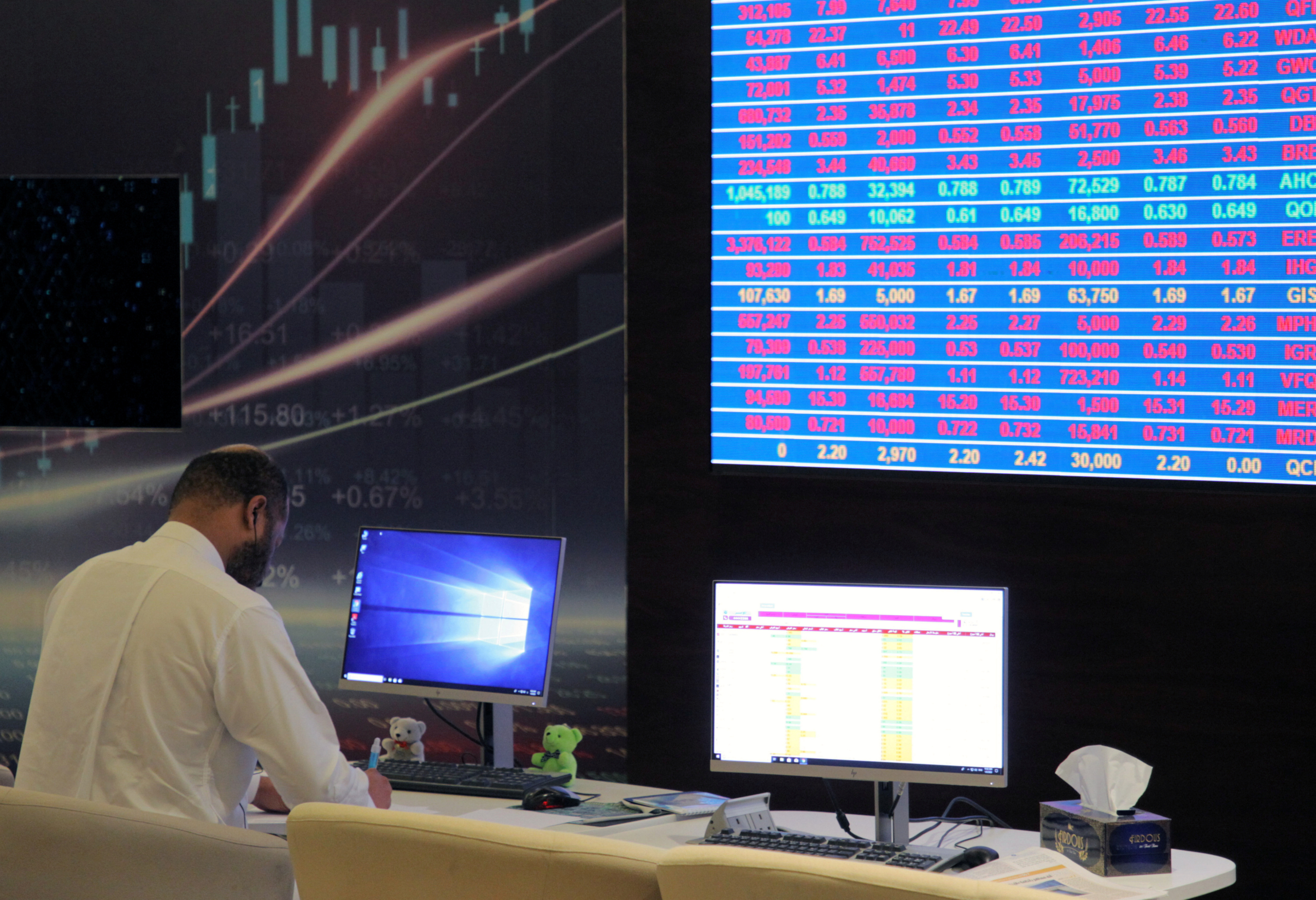
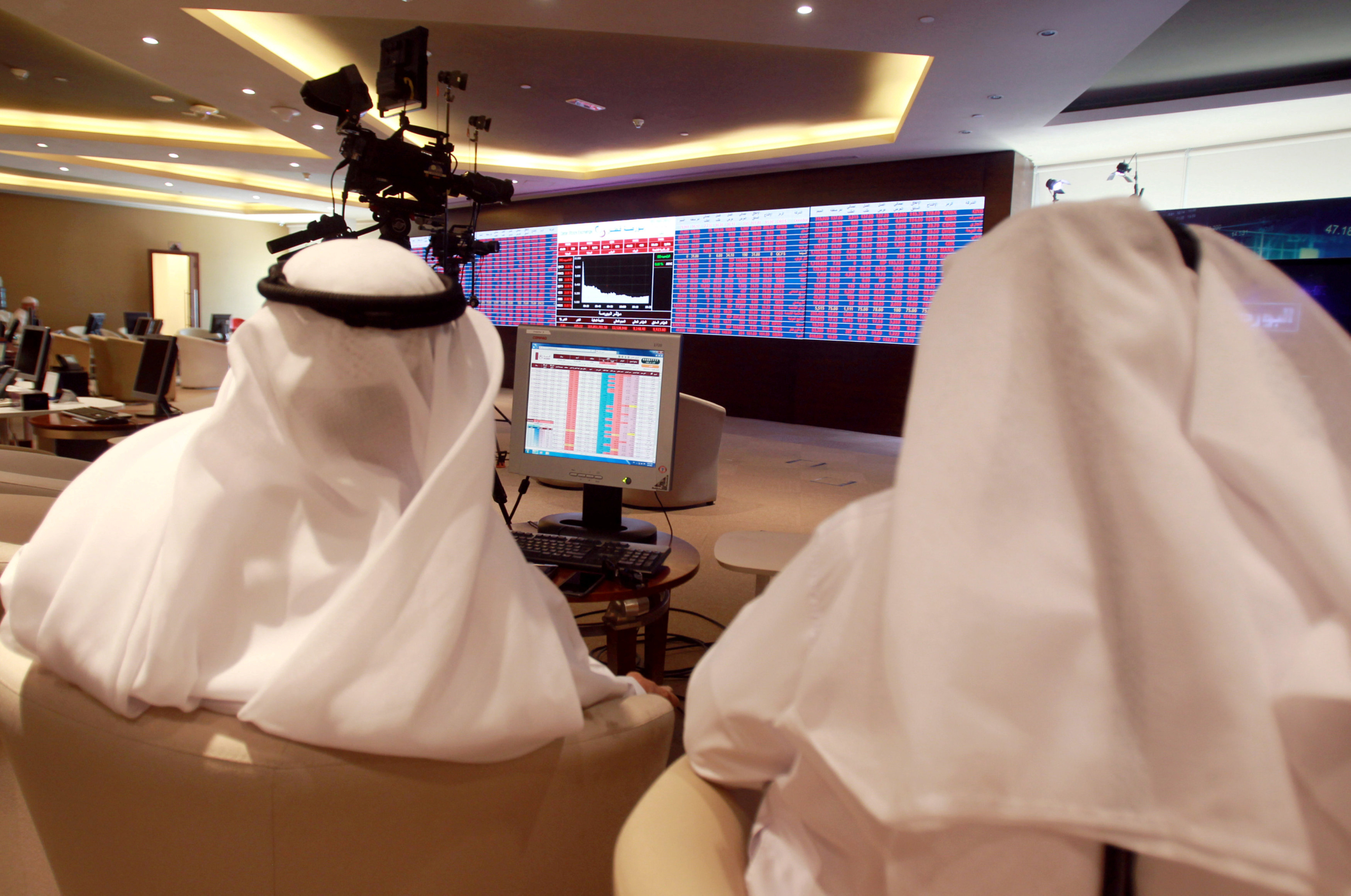
Major stock markets in the Gulf were mixed in early trade on Thursday due to cautious amid concerns over U.S. President Donald Trump's tariffs threats and as the Federal Reserve's dovish tone dampened risk appetite.Trump has been making waves with his tariff announcements this week, targeting a broad range of imports, including pharmaceuticals, semiconductor chips, and lumber. The big one, though, is the impending tariff on autos, set to kick in as early as April 2.These moves have investors on edge, fearing an all-out trade war. However, some analysts believe Trump's aggressive stance is simply a negotiating tactic.Minutes of the Fed's last policy meeting showed Trump's initial policy proposals raised concerns about higher inflation and affirmed a continued pause on rate cuts. That impacts monetary policy in the Gulf, where most currencies, including the riyal, are pegged to the dollar.Saudi Arabia's benchmark index (.TASI) nudged 0.1% higher, helped by a 4.4% rise in Etihad Etisalat Company (Mobily) (7020.SE), on course to extend its gains, following a significant increase in its annual profit. Mobily also proposed a higher cash dividend for the second half of the year.In Abu Dhabi, the index (.FTFADGI) added 0.2%.Oil prices - a catalyst for the Gulf's…

Australia Jan employment jumps 44,000, jobless edges up to 4.1%

Australian employment outpaced forecasts for a second month in January as more women got work, yet the unemployment rate still ticked higher as an unusually large number of people were waiting to start a new job.Figures from the Australian Bureau of Statistics on Thursday showed net employment rose 44,000 in January from December, when they jumped 60,000. That was well above market forecasts for a 20,000 rise, while annual jobs growth accelerated further to a blistering 3.5%.The jobless rate rose to 4.1%, from 4.0%, matching market expectations as the workforce expanded by even more than the rise in jobs. The participation rate climbed to a record high of 67.3%, from 67.2%, while hours worked dipped 0.4%.Source: Reuters.com

Tech and financials drag TSX as investors assess tariff threats

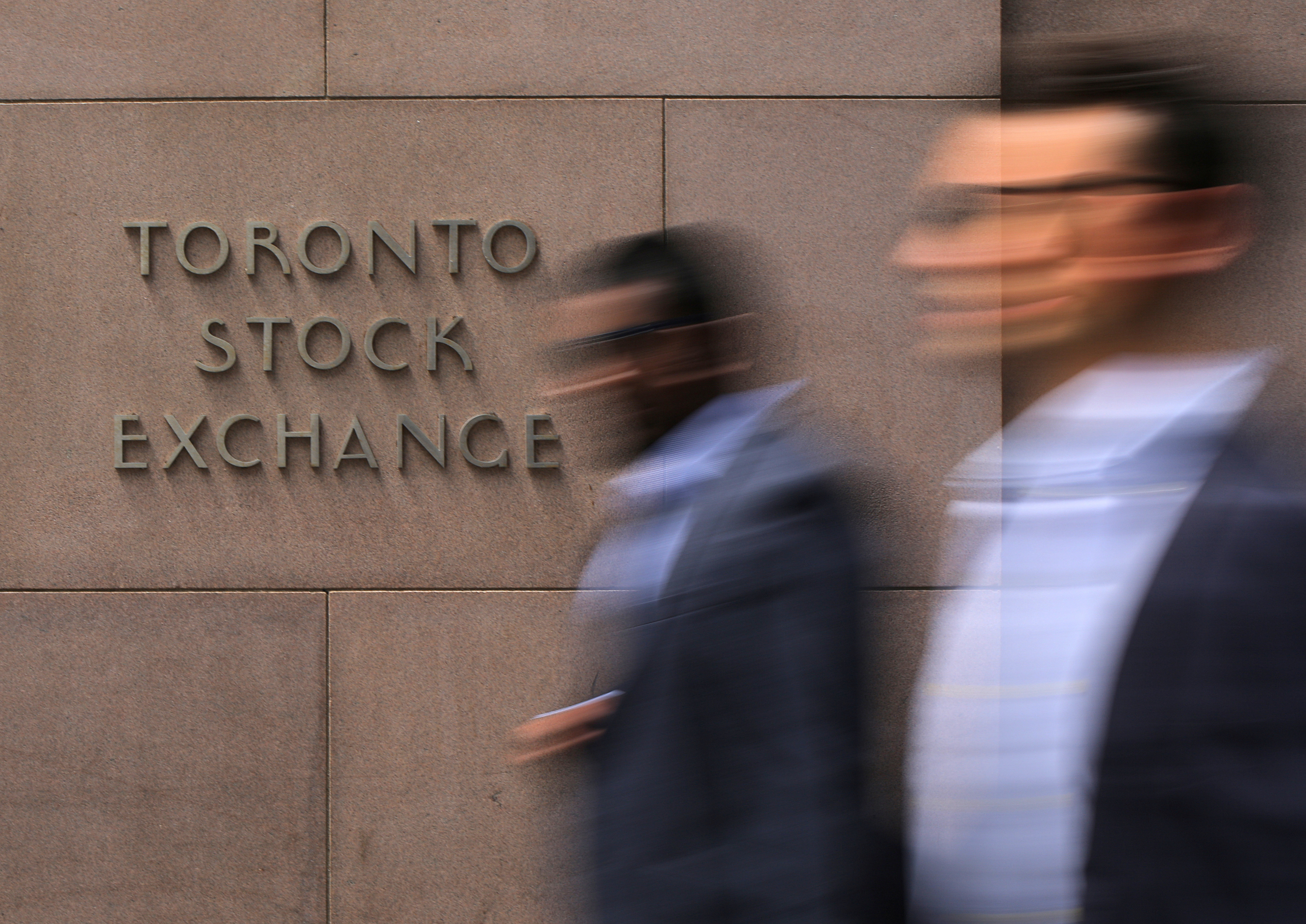
Canada's primary stock index fell on Wednesday, dragged by technology and financials, as investors evaluated U.S. President Donald Trump's threat of tariffs on automobiles, semiconductors and pharmaceutical products.At 10:03 a.m. ET (1503 GMT), the Toronto Stock Exchange's S&P/TSX composite index (.GSPTSE) was down 0.7% at 25,461.84.At least ten major sectors fell; the technology sector (.SPTTTK) was the worst performer after dropping 1.6%.Financials (.SPTTFS), which has the heaviest weighting on the index, lost 0.9% and materials (.GSPTTMT) declined 0.8%.The only sector trading in the green was energy (.SPTTEN), rising 0.6%, tracking crude oil prices bolstered by worries about potential supply disruptions in Russia and the U.S."This isn't a decline that's specific to Canada today. It's part of a general pull back in global markets. Today's feels more like a day of consolidation, perhaps some profit-taking," said Colin Cieszynski, chief market strategist at SIA Wealth Management.On Tuesday, Trump said he intends to impose auto tariffs "in the neighborhood of 25%," along with similar duties on semiconductor and pharmaceutical imports.Since his inauguration just four weeks ago, Trump has enforced a 10% tariff on all imports from China, adding to the existing levies. He also declared a 25% tariff on goods from Mexico and…

Gulf markets end mixed on Trump’s tariff threats

Stock markets in the Gulf ended mixed on Wednesday as investors exercised caution following U.S. President Donald Trump's latest tariff threats on auto, semiconductor and pharmaceutical imports.Since taking office last month, Trump has imposed a 10% tariff on imports from China, and announced plans for 25% tariffs on goods from Mexico and non-energy imports from Canada, although these have been delayed.Additionally, he has set a date for 25% tariffs on imported steel and aluminium, and is considering reciprocal tariffs on countries that tax U.S. imports.Saudi Arabia's benchmark index (.TASI) eased 0.1%, hit by a 1.1% fall in ACWA Power Company (2082.SE).ACWA plans to buy stakes in assets in Kuwait and Bahrain worth $693 million from French utility developer Engie , the companies said in a joint statement on Wednesday.Among other decliners, SAL Saudi Logistics Services Company (4263.SE) dived about 8% - to become the top loser in the index - following a drop in its fourth-quarter profit.The cargo firm also slashed its fourth-quarter cash dividend to 1.33 riyals apiece.Dubai's main share index (.DFMGI) gained 0.3%, helped by a 1.1% rise in blue-chip developer Emaar Properties (EMAR.DU).In Abu Dhabi, the index (.FTFADGI) finished 0.3% lower.Meanwhile, oil prices edged up, buoyed by…

Argentine, Turkish stocks could post more than 20% returns this year, says JPMorgan

J.P. Morgan said equity markets in Argentina and Turkey could post returns of more than 20% this year, driven by policy reforms aimed at reducing inflation levels."Lifting of capital controls is a potential upside driver for Argentina," said J.P. Morgan analysts in a note on Tuesday, while adding that Turkey's ongoing path to lower inflation and lower interest rates could bolster its equities.Argentina's benchmark Merval stock index (.MERV) is trading at nine times its 12-month forward price-to-earnings (PE) ratio, while Turkey's BIST 100 index (.XU100) trades at seven times, as per JPM estimates.Both indexes are trading at a discount to the broader MSCI emerging markets index (.dMIEF00000PUS) whose PE ratio stands at 12.MILEI'S REFORMS PAVING THE WAYInvestors are doubling down on Argentina's stocks and bonds even as they hit records in 2024, as Javier Milei's government seeks to reduce inflation and eliminate capital controls that have been detrimental to business and investment.JPM expects the lifting of capital controls and the upcoming midterm elections in October to further support the region's equities.In the last 12 months, Argentina's benchmark has risen 77% in dollar-denominated terms, the second-best global performance of 92 main equity markets, as per JPM's estimates.TURNING TIDE IN TURKEYHaving upgraded…