Mexico’s central bank will likely bring interest rate down to 9.5%: Reuters poll

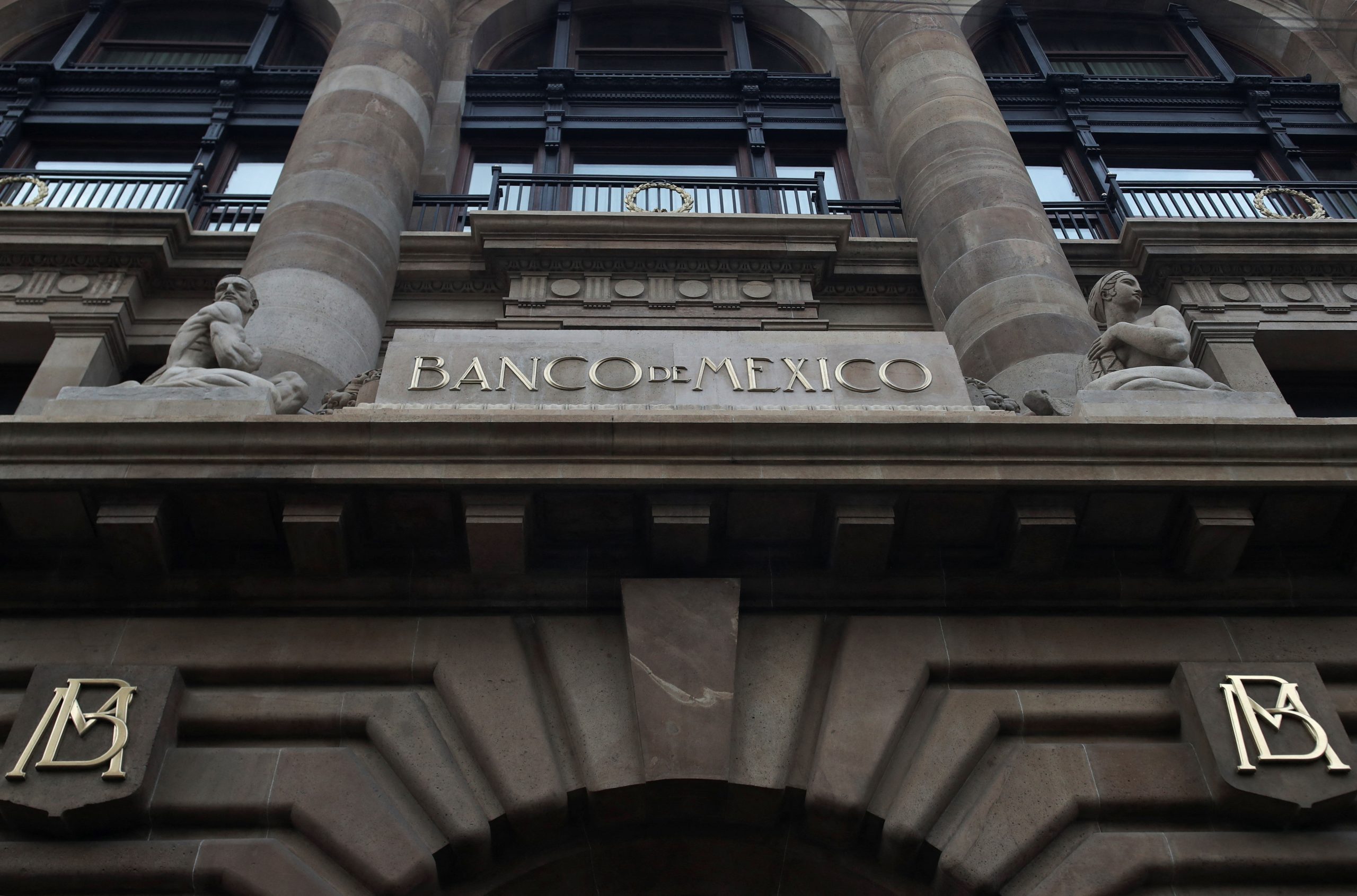
Mexico's central bank will likely cut its benchmark interest rate by 50 basis points later this week, taking it to 9.50%, a Reuters poll showed on Wednesday, as inflation cools and the economy notched a slight contraction late last year.According to the poll, 14 of 17 economists surveyed expect the central bank to deliver the 50-basis-point cut, which would follow five 25-basis-point cuts last year. The other three economists forecast a 25-basis-point cut this week.The central bank's policymaking board lowered the benchmark rate (MXCBIR=ECI) to 10.00% in a unanimous vote in December.Annual inflation in Latin America's second-biggest economy slowed to its lowest level in almost four years in the first half of January, a price level that is seen as encouraging Mexican central bankers to keep cutting rates.The 12-month headline inflation reading came in at 3.69% during the first two weeks of January, its lowest level since early 2021 and falling within the bank's target of 3%, plus or minus one percentage point.In 2022, the rate of rising consumer prices hit a two-decade high at above 8%.The prospect of a rate cut this week also was boosted by data showing Mexico's economy contracted by 0.6% in the fourth quarter, marking…
TSX gains as mining shares advance on bullion strength

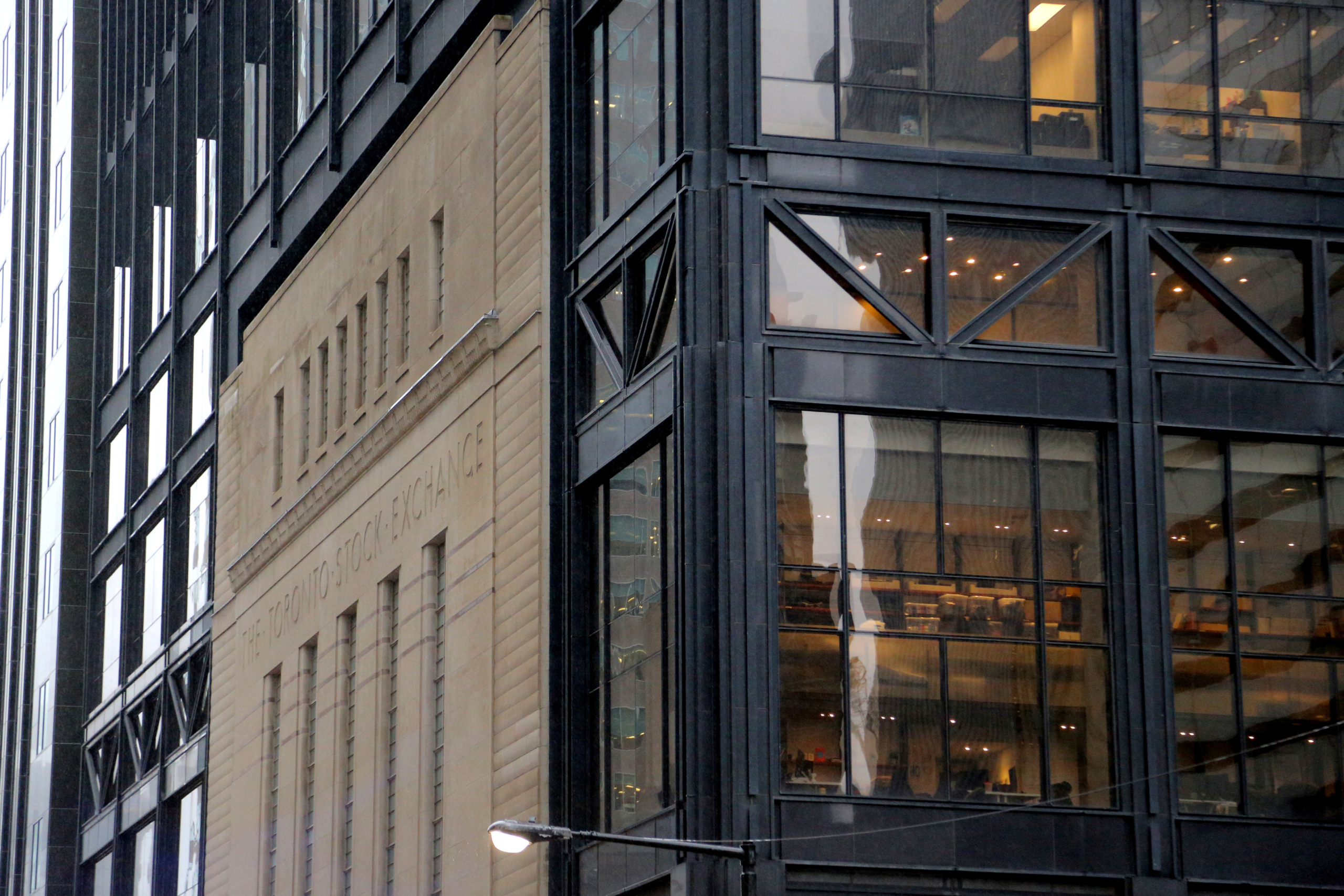
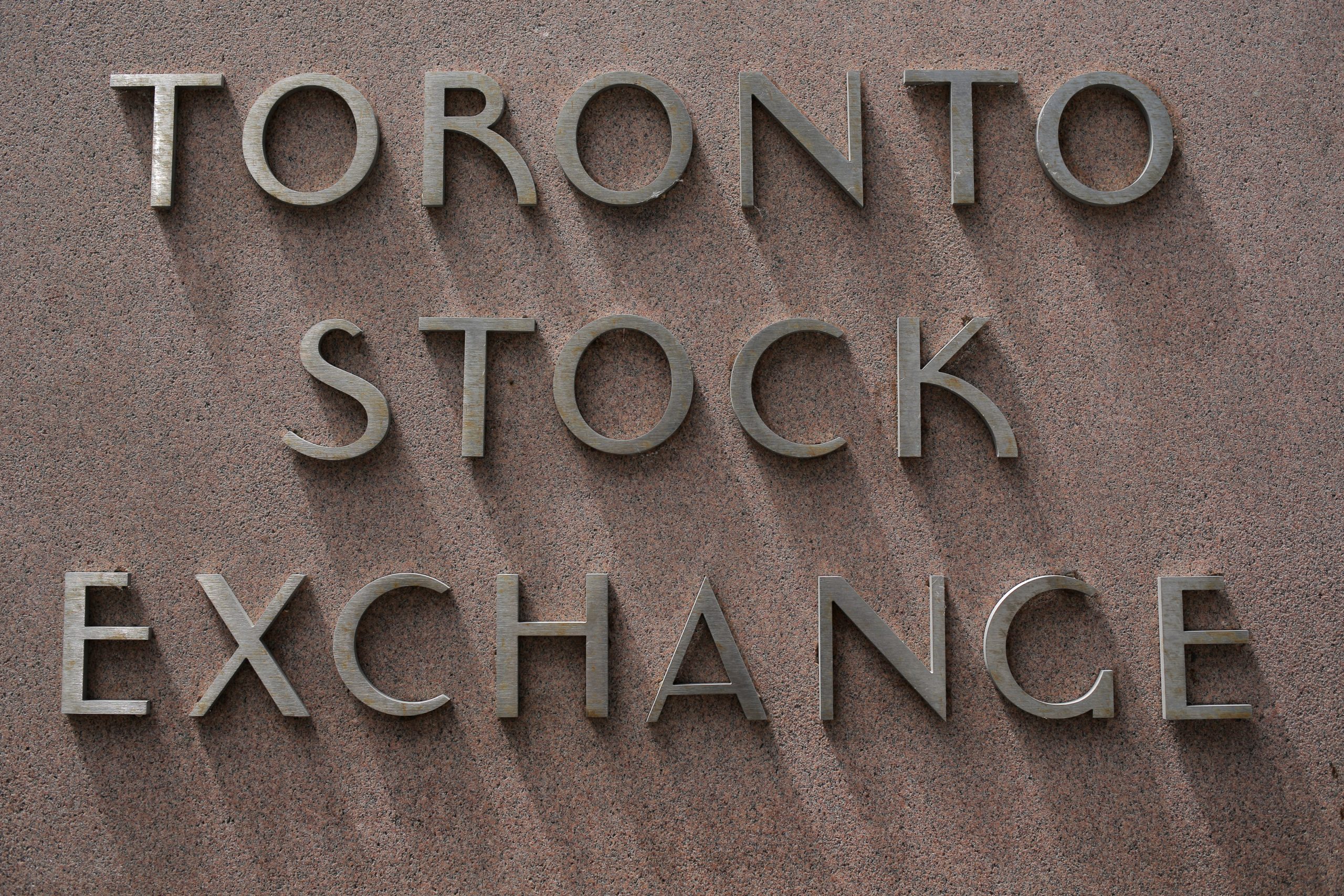
Canada's main stock index extended its gains on Wednesday, led by mining shares, as gold prices rose due to safe-haven demand in light of the escalating U.S.-China trade war.The S&P/TSX composite index (.GSPTSE) was up 0.41% at 25,372.31.Materials (.GSPTTMT) shares climbed 1.6% as gold prices hit a record high, continuing their upward trend due to safe-haven demand. Copper prices were at a six-week high on a softer dollar.U.S. President Donald Trump on Tuesday implemented a 10% tariff on China, prompting Beijing to retaliate with tariffs on select American imports and reigniting a trade war between the top global economies.Market volatility has been high recently, especially after Trump's announcement of tariffs on Canada and Mexico, which he later delayed by a month.Investors were also affected by Trump's comments suggesting the United States would like to take over the war-ravaged Gaza Strip and develop it economically, something which the markets ignored."Times like these are just way too volatile to know anything with certainty, which is why the market's going to continue to react to every little piece of news in short term" said Colin White, president and CEO at Verecan Capital Management."We're more focused on longer term issues, I think it is…

Toronto home sales rebound 10% in January

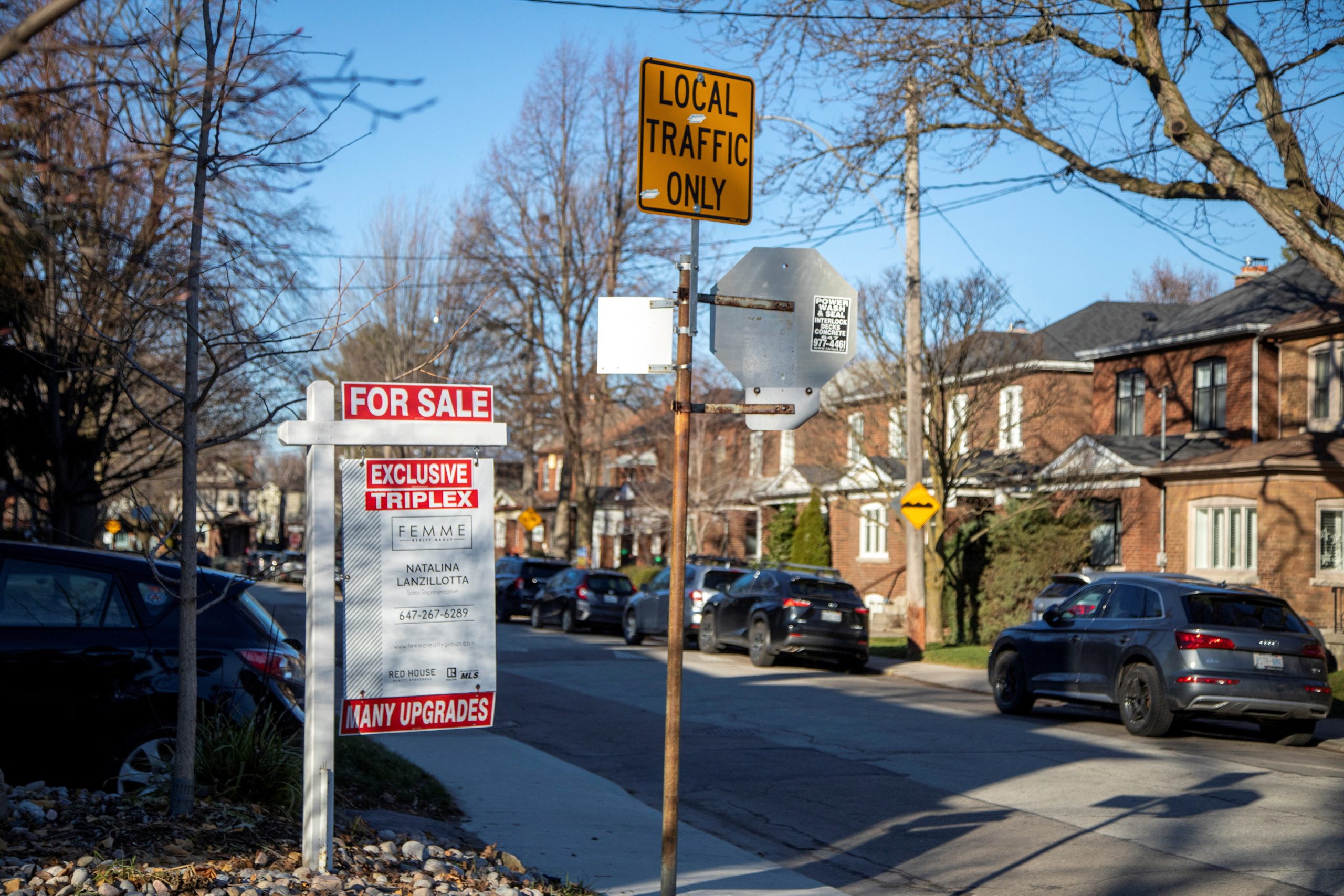
Greater Toronto Area home sales rebounded in January as new listings climbed, while home prices were little changed after two straight months of increases, data from the Toronto Regional Real Estate Board (TRREB) showed on Wednesday.Seasonally adjusted sales rose 10% on a month-over-month basis in January to 5,971 units after tumbling 18.2% in December. Compared to January of 2024, sales were down 10.7%.The Bank of Canada continued its interest rate cutting campaign in January, lowering its benchmark rate by a quarter of a percentage point to 3% to support the economy."A growing number of homebuyers will take advantage of lower borrowing costs as we move toward the 2025 spring market, resulting in increased transactions and a moderate uptick in average selling prices in 2025," said Jason Mercer, chief market analyst at TRREB."However, the positive impact of lower mortgage rates could be reduced, at least temporarily, by the negative impact of trade disruptions on the economy and consumer confidence."The GTA includes Toronto, Canada's most populous city, and four surrounding regional municipalities.New listings jumped 26% in January from December and were up 48.6% on a year-over-year basis.TRREB's home price index was nearly unchanged month-over-month on a seasonally adjusted basis at C$1,089,300 ($762,921.98)…

Major Gulf markets ease as Trump’s Gaza remarks spark concerns

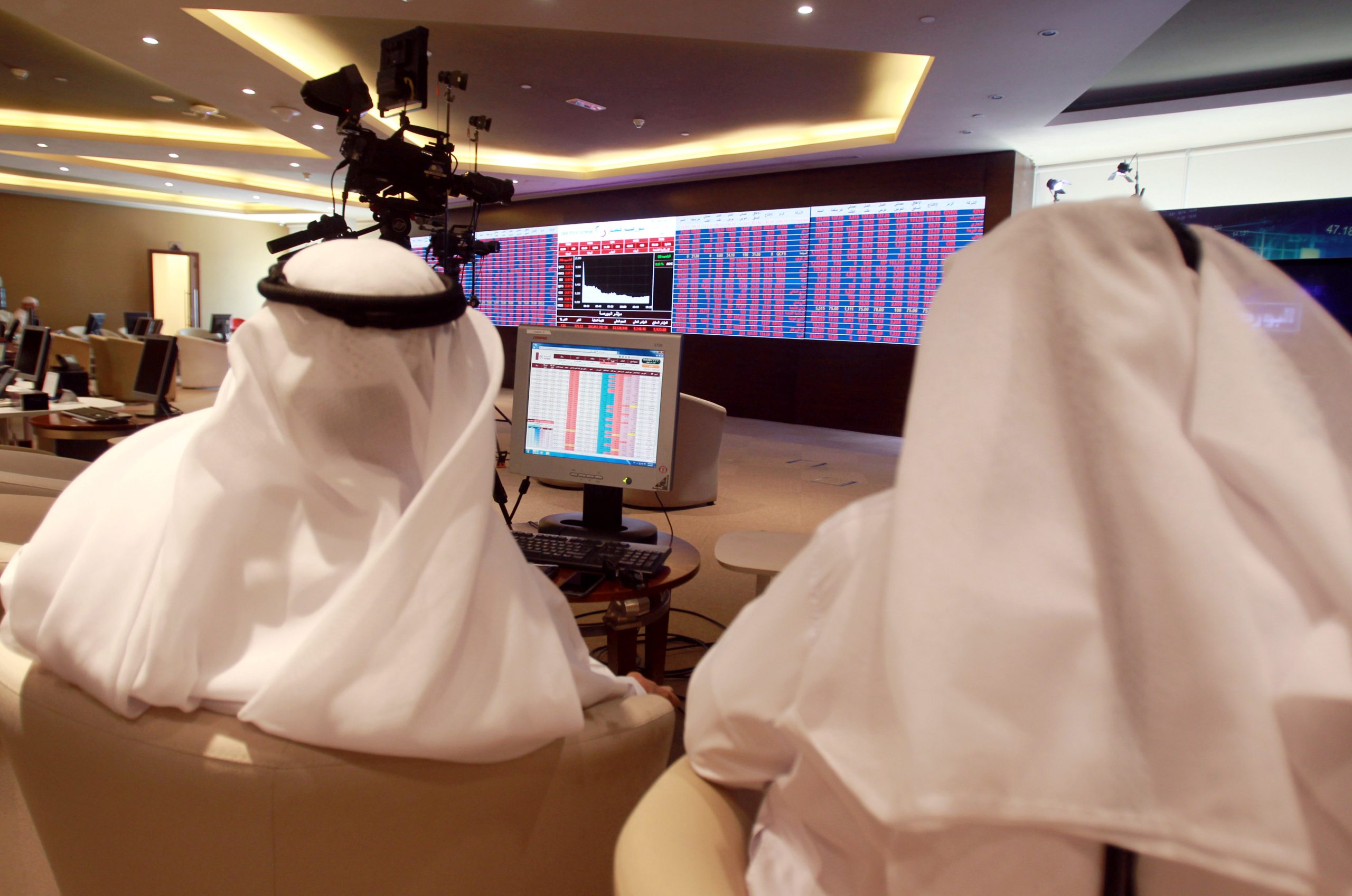
Major stock markets in the Gulf were subdued in early trade on Wednesday, reacting to U.S. President Donald Trump's stunning statement about taking control of the war-ravaged Gaza Strip and revamping its economy once Palestinians are relocated elsewhere.The announcement followed Trump's shock proposal for the permanent resettlement of the more than two million Palestinians from Gaza to neighboring countries, calling the enclave - where the first phase of a fragile Israel-Hamas ceasefire and hostage release deal is in effect - a "demolition site."Saudi Arabia's benchmark index (.TASI) eased 0.1% in choppy trade, with SABIC Agri-Nutrients Company (2020.SE) losing 2.6%.The kingdom rejects any attempts to displace the Palestinians from their land and would not establish ties with Israel without the creation of a Palestinian state, Saudi Arabia's foreign ministry said.The United States had led months of diplomacy to get Saudi Arabia, one of the most powerful and influential Arab states, to normalise ties with Israel and recognise the country.Dubai's main share index (.DFMGI) lost 0.2%, hit by a 1.1% fall in blue-chip developer Emaar Properties (EMAR.DU).In Abu Dhabi, the index (.FTFADGI) fell 0.1%, with the country's biggest lender First Abu Dhabi Bank (FAB.AD) ahead of its earnings announcement.The United Arab Emirates'…

Russia plans to boost yuan sales by 17% to support the rouble

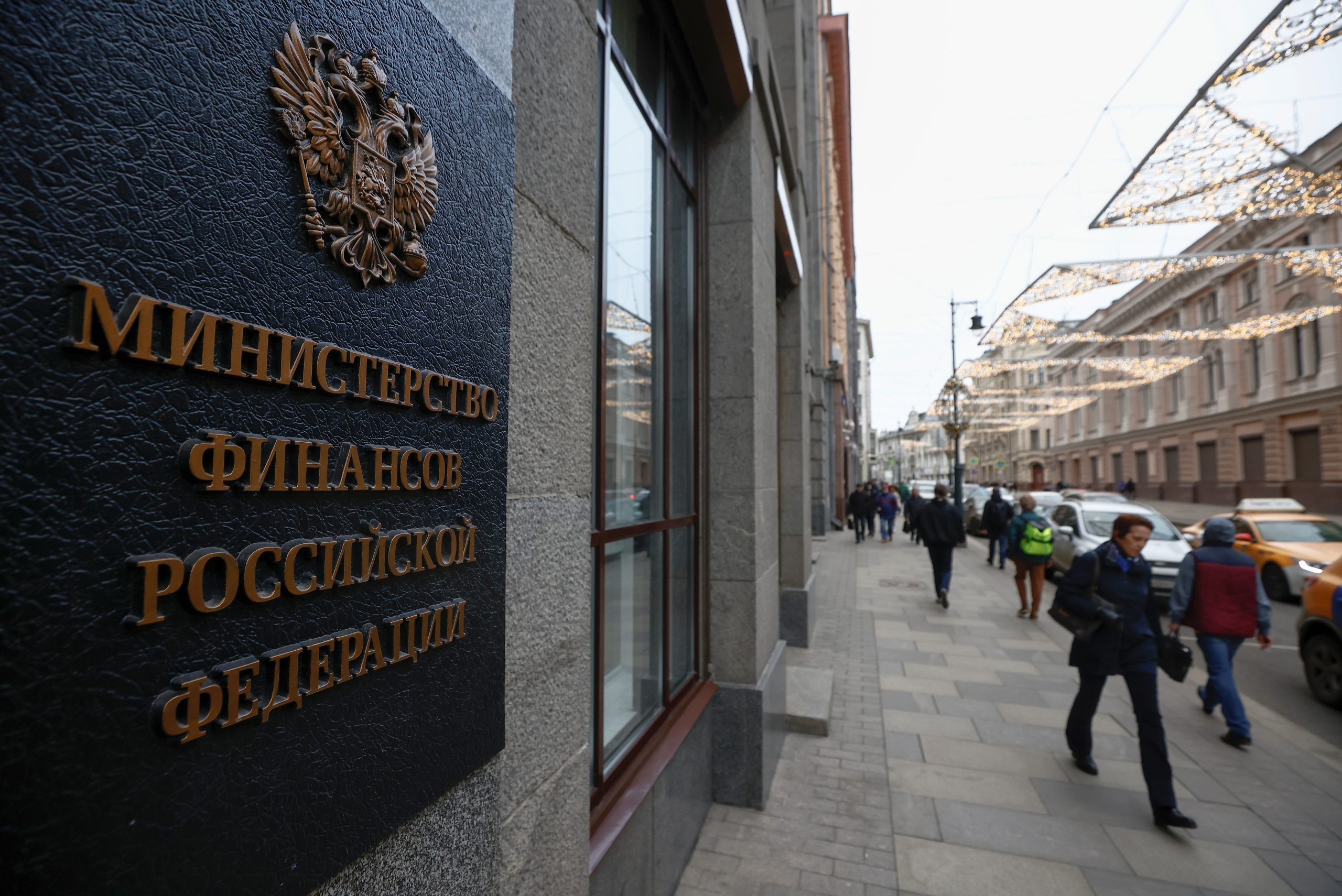
Russia said on Wednesday it would boost its sales of Chinese yuan by 17% from Feb. 7 in a move seen as aimed at supporting the rouble in the face of increased volatility due to Western sanctions and turbulence in the global forex market.Under a complex scheme of foreign currency operations, the central bank buys and sells forex both to ensure supply on the domestic market and to act on behalf of the finance ministry, which runs the "rainy day" National Wealth Fund (NWF).The finance ministry said it would cut its purchases of foreign currency and gold in the month ahead, a move that will increase the state's overall forex sales, providing support for the rouble.The finance ministry said its purchases of foreign currencies and gold for the period from Feb. 7 to March 6 would amount to the equivalent of 66.5 billion roubles, or 3.3 billion roubles a day.In the previous period the purchases amounted to the equivalent of 70.2 billion roubles, or 4.1 billion roubles a day.The move implied that the overall net forex sales by the government and the central bank will rise to 5.56 billion roubles per day from Feb. 7 from 4.76 billion roubles previously.The…

DeepSeek and Trump: how hedge funds navigated a turbulent start to 2025

Hedge funds started 2025 buoyed by choppier markets driven by uncertainty on new U.S. President Donald Trump's policies and a tumble in tech-darling Nvidia as Chinese artificial intelligence startup DeepSeek emerged, sources told Reuters.A global tech rout at the start of last week was followed by volatility ahead of Trump's weekend announcement of sweeping tariffs on Canada, Mexico and China, kicking off a trade war that could hurt economic growth internationally.On Monday, Trump delayed tariffs on Canada and Mexico by one month, fueling wild swings in currency, bond and share markets.Despite the turmoil, stock picking hedge funds which take bets based on company fundamentals recorded an average 2.6% return, their best month since February 2024, given a broader market rally, a Goldman Sachs prime brokerage note sent to clients on Tuesday showed.Systematic equity funds, meanwhile, returned 2.71% on average, the note also showed.Stock markets in the United States and Europe ended January near record highs (.SPX), (.STOXX), as did MSCI's World Stock Index.Citadel's equity fund posted a 2.7% return in January, while its flagship Wellington fund rose 1.4%, a source familiar with the matter said on Tuesday, declining to be identified because the information was private.Business Insider reported the Wellington…

Global stocks, currencies find footing in calm after tariff storm

Stocks and currencies held steady on Tuesday as an uneasy calm settled on markets despite the United States and China going tit-for-tat on tariffs, a day after Mexico and Canada won a last-minute reprieve.The U.S. S&P 500 (.SPX) opened flat, while the tech-heavy Nasdaq (.NDX) climbed 0.2%.The S&P dropped 1.9% early on Monday as U.S. President Donald Trump looked set to put 25% tariffs on Mexican and Canadian goods, only to rally and finish 0.76% lower when both countries won a delay by promising to beef up border security.European stocks (.STOXX) were last flat after falling 0.87% the previous day."We're taking some comfort from the fact that we sort of stepped back from the brink of a global trade war yesterday," said Ben Laidler, head of equity strategy at Bradesco BBI."I think the lack of a stronger rebound is that we're not out of the woods yet. We've got 10% being put on China, I think the European Union has been put clearly in the crosshairs."An additional 10% U.S. tariff on Chinese exports took effect at 0501 GMT, and minutes later Beijing announced it was investigating Google and imposing tariffs on imports of U.S. oil, coal, gas, cars and farm…

TSX futures fall as crude prices dip on US-China trade conflict

Futures for Canada's main stock index declined on Tuesday as oil prices fell after an escalating trade war between the U.S. and China, overshadowing Ottawa's temporary relief from President Donald Trump's tariffs.March futures on the S&P/TSX index were down 0.36% at 6:26 a.m. ET (1126 GMT).Oil prices , fell over 1% after China retaliated with tariffs on the U.S.U.S. levies on China came into effect at 12:01 a.m. ET on Tuesday (0501 GMT), while Beijing's trade duties on Washington will start on Feb. 10.U.S. stock index futures also edged down on Tuesday after China's tariffs.Gold prices remained steady on Tuesday after a record rally in the previous session driven by safe-haven demand.Meanwhile, copper prices edged higher following a sharp pullback, but gains were limited due to the trade tensions.On Monday, domestic investors were relieved after Trump suspended steep tariffs on Mexico and Canada, agreeing to a 30-day pause in exchange for concessions on border and crime enforcement with the two neighboring countries.The deal temporarily averted a trade war that economists warned could harm all involved economies and lead to higher consumer prices.On Monday, the Toronto Stock Exchange's S&P/TSX composite index (.GSPTSE) fell 1.1% but partly recovered from initial steeper losses,…

Brazil’s central bank sees economic cooling as key, flags fiscal and FX risks

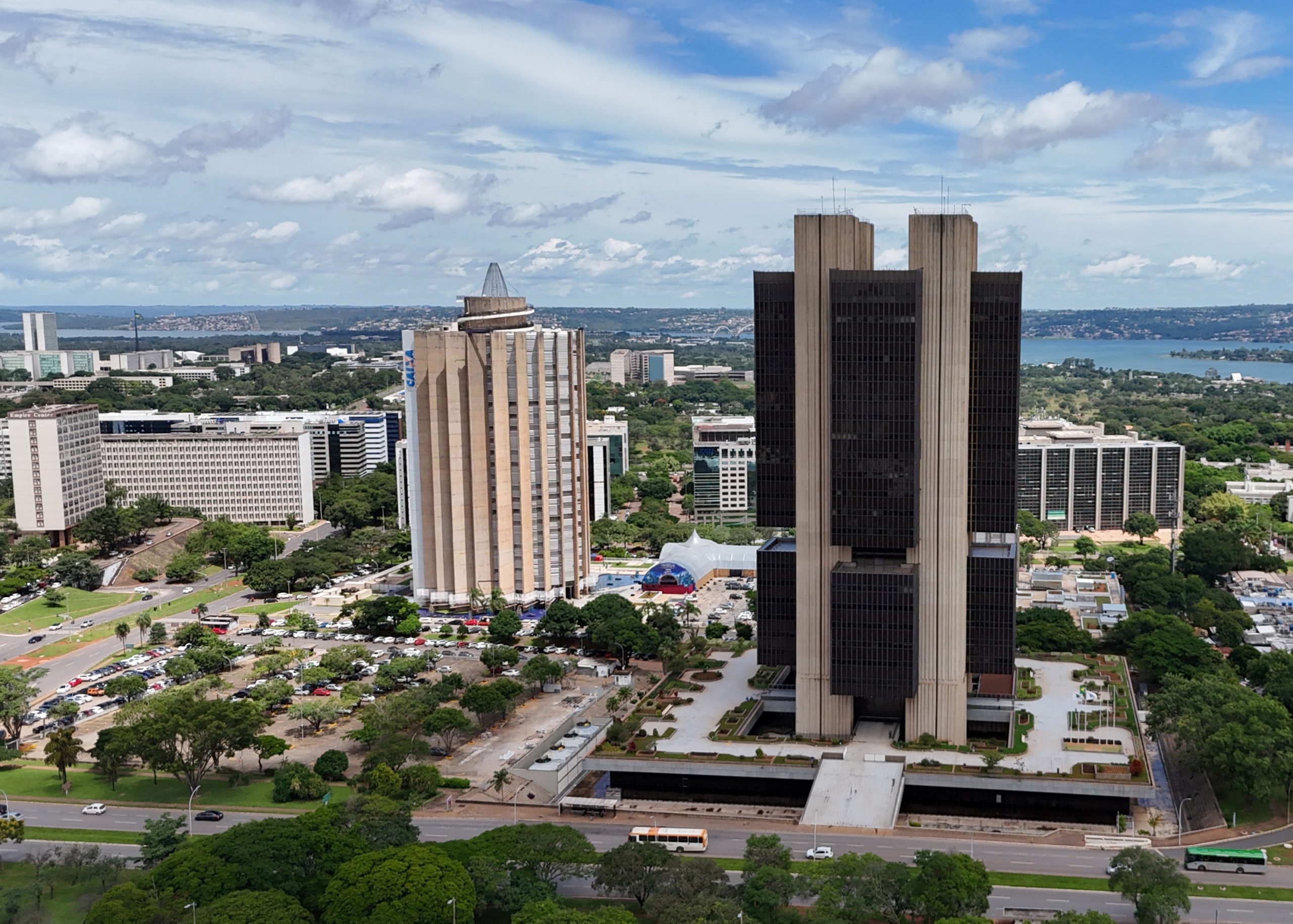
Brazil's central bank on Tuesday stressed that cooling economic activity is crucial for bringing inflation to target, while labeling the unanchoring of inflation expectations and an overheating economy as "highly relevant" inflationary risks."The aggregate demand slowdown is an essential element of the supply-demand rebalancing process in the economy and inflation convergence to the target," it said in the minutes of its latest policy decision, referring to its 3% inflation goal.After raising rates last week by 100 basis points to 13.25% and signaling another matching hike in March, policymakers also noted in the minutes that market perceptions of the government's fiscal framework and debt sustainability continued to weigh "significantly" on asset prices and expectations.Looking ahead, the central bank said it will closely track economic activity, along with exchange rate pass-through following recent depreciation and volatility.It will also monitor inflation expectations, which have become further unanchored and remain crucial in driving future inflation trends, it said.Regarding economic growth, which the government expects to have reached around 3.5% in 2024, the central bank said recent data indicate early signs of moderation, particularly in goods and credit-sensitive sectors, aligning with its baseline scenario.However, policymakers warned that past slowdowns were later reversed due to volatility…

Stocks, dollar stumble as China quickly hits back at US tariffs

U.S. stock futures and the dollar fell on Tuesday, while Hong Kong shares slipped from two-month highs, as the U.S. and China went tit-for-tat on tariffs and raised the spectre of a broader, damaging trade conflict."(The) trade war story remains alive and well and this has a lot further to play out," said Shane Oliver, chief economist at AMP in Sydney, as prices skidded around on news headlines.S&P 500 futures , which had bounced in relief that Mexico and Canada cut last-minute deals to delay a U.S. tariff hit, swung to a 0.2% loss, while the dollar index erased earlier gains to trade 0.1% lower at 108.86 .European stocks (.STOXX) slipped 0.1% in morning trading after falling 0.87% on Monday. Germany's DAX index (.GDAXI) was flat and Britain's FTSE 100 (.FTSE) 0.3% lower.Hong Kong's Hang Seng (.HSI) scaled 2025 highs on hopes that China would also negotiate its way out of tariffs with U.S. President Donald Trump, but later pared its gains slightly to trade about 2.8% higher, buoyed by hopes that Beijing will ramp up stimulus spending to counter U.S. moves.An additional 10% U.S. tariff on Chinese exports took effect at 0501 GMT, and minutes later Beijing announced it…