EU seeks unity in first strike back at Trump tariffs

European Union countries will seek to present a united front in the coming days against U.S. President Donald Trump's tariffs, likely approving a first set of targeted countermeasures on up to $28 billion of U.S. imports from dental floss to diamonds.Such a move would mean the EU joining China and Canada in imposing retaliatory tariffs on the United States in an early escalation of what some fear will become a global trade war, making goods more expensive for billions of consumers and pushing economies around the world into recession.The 27-nation bloc faces 25% import tariffs on steel and aluminium and cars and "reciprocal" tariffs of 20% from Wednesday for almost all other goods.Trump's tariffs cover some 70% of the EU's exports to the United States - worth in total 532 billion euros ($585 billion) last year - with likely duties on copper, pharmaceuticals, semiconductors and timber still to come.The European Commission, which coordinates EU trade policy, will propose to members late on Monday a list of U.S. products to hit with extra duties in response to Trump's steel and aluminium tariffs rather than the broader reciprocal levies.It is set to include U.S. meat, cereals, wine, wood and clothing as well…
US, Vietnamese businesses ask Trump to delay 46% tariffs on Vietnam

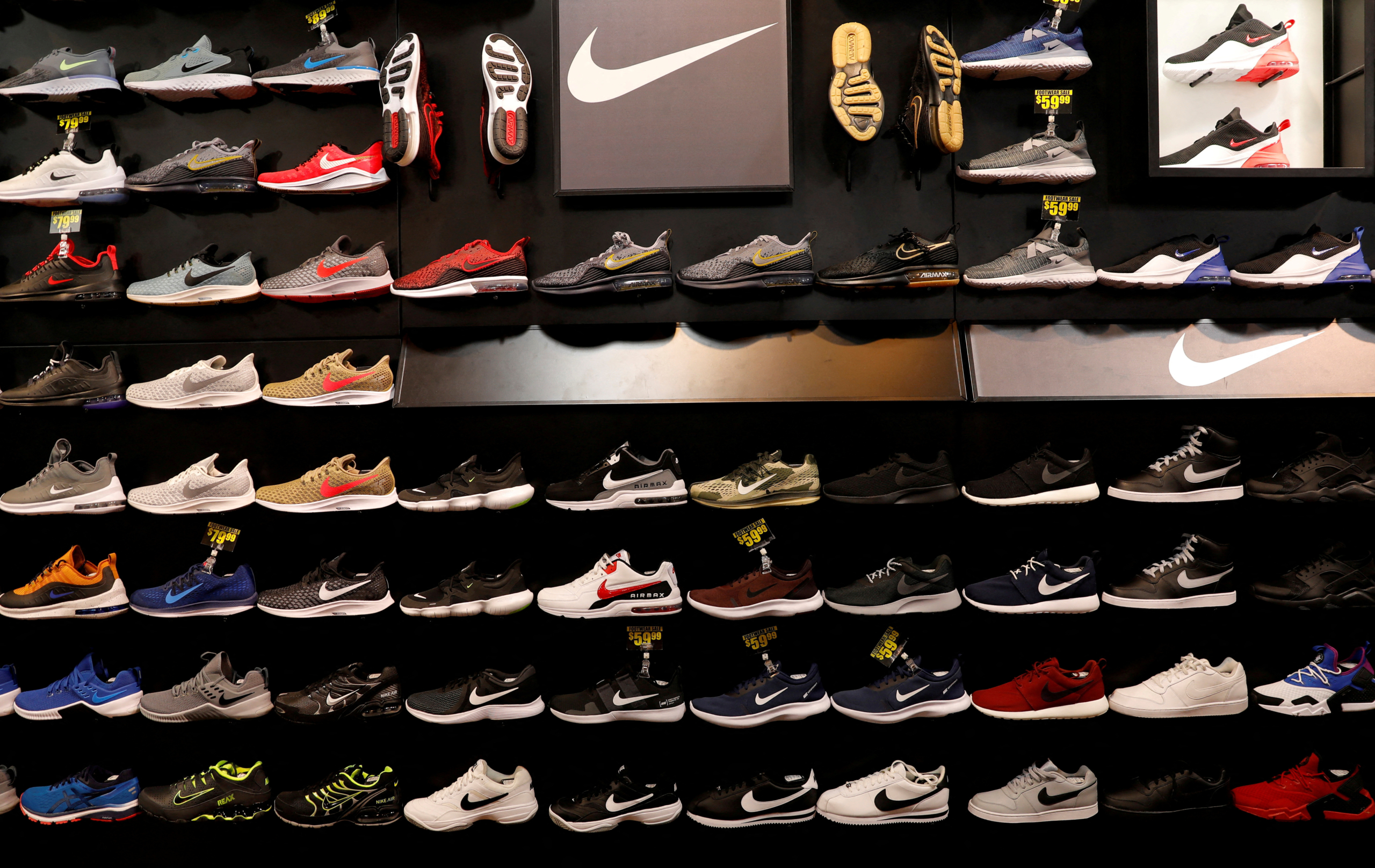
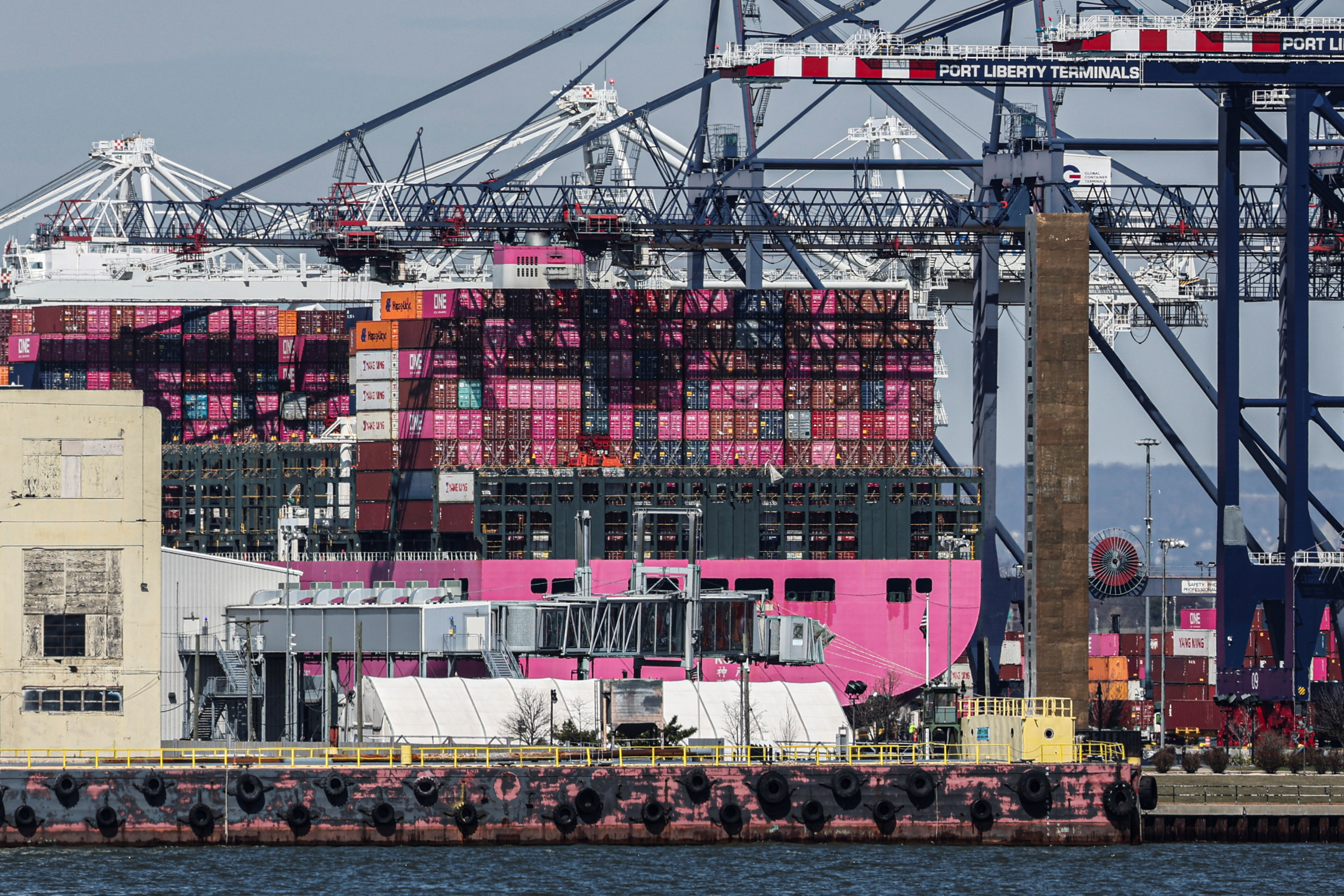
U.S. and Vietnamese businesses have asked the Trump administration to delay its planned 46% tariff on Vietnamese goods, saying the levy will hurt them and bilateral commercial relations.The Vietnam Chamber of Commerce and Industry and the American Chamber of Commerce in Hanoi expressed concern to Commerce Secretary Howard Lutnick in a letter dated Saturday, saying the tariff, to take effect on Wednesday, was "shockingly high"."Lower tariffs for products coming into Vietnam, and for products reaching the American consumer is what will help U.S. companies, the economy, and consumers," AmCham and VCCI said in a statement. "Higher tariffs will not."The Southeast Asian country, a major regional manufacturing base for many Western companies, posted a trade surplus of over $123 billion with the U.S., its largest export destination, last year.President Donald Trump and Vietnamese leader To Lam agreed on Friday to discuss a deal to remove tariffs, both said after a phone call that Trump called "very productive".Even before Trump's Wednesday announcement of sweeping global tariffs, Vietnam cut several duties as part of a series of concessions to the U.S., which also included pledges to buy more American goods, such as planes and agriculture products.AmCham and VCCI said: "A fast and fair…

US starts collecting Trump’s new 10% tariff, smashing global trade norms

U.S. customs agents began collecting President Donald Trump's unilateral 10% tariff on all imports from many countries on Saturday, with higher levies on goods from 57 larger trading partners due to start next week.The initial 10% "baseline" tariff took effect at U.S. seaports, airports and customs warehouses at 12:01 a.m. ET (0401 GMT), ushering in Trump's full rejection of the post-World War Two system of mutually agreed tariff rates."This is the single biggest trade action of our lifetime," said Kelly Ann Shaw, a trade lawyer at Hogan Lovells and former White House trade adviser during Trump's first term.Shaw told a Brookings Institution event on Thursday that she expected the tariffs to evolve over time as countries seek to negotiate lower rates. "But this is huge. This is a pretty seismic and significant shift in the way that we trade with every country on earth," she added.Trump's Wednesday tariff announcement shook global stock markets to their core, wiping out $5 trillion in stock market value for S&P 500 companies by Friday's close, a record two-day decline. Prices for oil and commodities plunged, while investors fled to the safety of government bonds.Among the countries first hit with the 10% tariff are Australia,…

TSX set for near seven-month low amid US-China trade war

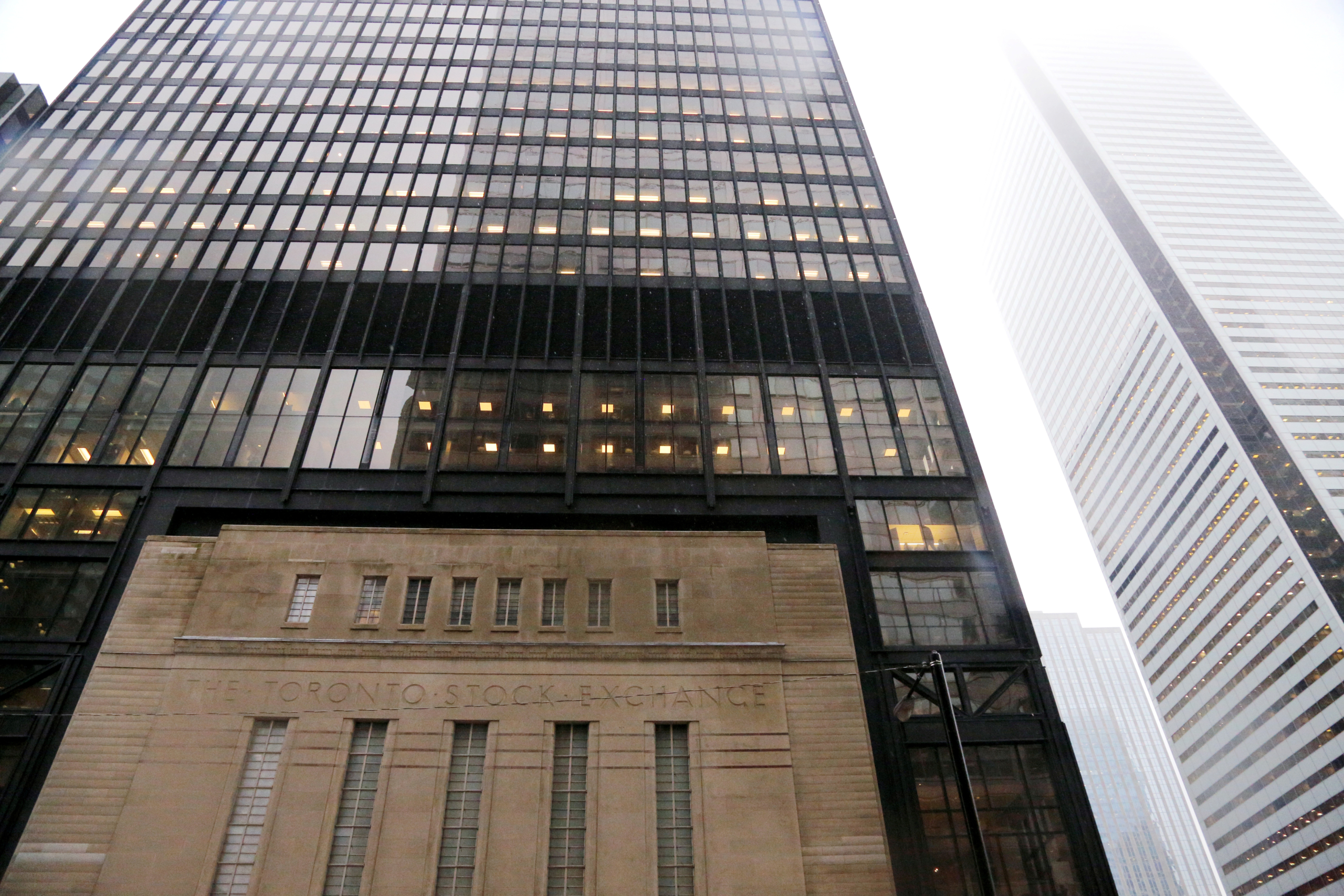
Canada's main stock index fell sharply on Friday as investors reacted to mounting global trade tensions following China's retaliatory measures against U.S. reciprocal tariffs.Toronto Stock Exchange's S&P/TSX composite index (.GSPTSE) fell 5% to 23,118.61 points, its lowest since 11 September 2024 if losses hold.China on Friday retaliated with additional tariffs of 34% on all U.S. goods from April 10, intensifying a trade war between the two leading global economies and amplifying fears of a recession."There is going to be this idea that whatever U.S. does, we are going to do back the same, and that is obviously not good for the markets," said Allan Small, senior investment advisor at Allan Small Financial Group with iA Private Wealth.On Thursday, Canadian Prime Minister Mark Carney announced a limited set of counter measures against U.S. tariffs.Heavyweight energy (.SPTTEN) sector led the declines on TSX, falling 9.7%, as oil prices plunged 8% and are headed towards their lowest close since the midst of the coronavirus pandemic in 2021.Materials (.GSPTTMT) sector fell 7.9%, tracking the decline in base metals, with copper on track for its biggest weekly slide since the early days of the 2020.Gold prices fell more than 1%, as traders liquidated their bullion…

Canada loses jobs in March for first time since 2022 on tariff uncertainty

Canada's total employment fell and the unemployment rate ticked up in March, data showed on Friday, as the uncertainty around tariffs and their subsequent implementation forced companies to pause hiring and spurred some layoffs.The country shed a net 32,600 jobs last month, the first decrease in more than three years. It was driven by a steep decline in full-time work, Statistics Canada said.The employment decline followed largely flat job growth in February and a robust gain of 211,000 new jobs from November to January. The unemployment rate rose to 6.7% in March from 6.6% a month earlier."The wheels may be starting to fall off the Canadian labor market," Andrew Grantham, senior economist at CIBC Capital Markets, wrote in a report.Analysts polled by Reuters had forecast a net job gain of 10,000 people and had estimated the unemployment rate to rise to 6.7%.Most economists had expected the job market to start showing signs of weakening as companies held back on investments and hiring due to the uncertain tariff situation.U.S. President Donald Trumphas imposed a 25% tariff on Canadian steel and aluminum from March and slapped import duties on cars and parts based on non-U.S. content and non-compliance with a free trade…

VIEW Canada’s economy sheds 32,600 jobs in March

Canada's total employment fell and the unemployment rate ticked up to 6.7% in March, data showed on Friday, as uncertainty around tariffs and their subsequent implementation took a toll on hiring and spurred some layoffs.Market reaction:Link: https://www150.statcan.gc.ca/n1/daily-quotidien/250404/dq250404a-eng.htm?HPA=1COMMENTARYANDREW GRANTHAM, SENIOR ECONOMIST, CIBC CAPITAL MARKETS"The wheels may be starting to fall off the Canadian labour market, with a 33K decline in jobs during March falling well short of consensus forecasts for a 10K gain.""Overall, today's report was clearly weaker than expected, although next week's BoC surveys and global risk sentiment will also be key in determining whether the Bank continues to cut interest rates or elects to skip a meeting later this month."DEREK HOLT, VICE PRESIDENT OF CAPITAL MARKETS ECONOMICS, SCOTIABANK"There was high breadth so the details tend to bolster how bad the headline was. The one thing I would flag though is that I think we are somewhat cooking the books in terms of the seasonal adjustment factors. It was the lowest seasonal adjustment factor for the month of March on record so that amplified or distorted some of the downside ... It was soft but I think that's a big caveat around the number."DOUG PORTER, CHIEF ECONOMIST AT BMO"It is…

Global rout in bank shares intensifies as recession fears mount

Bank shares tanked across the globe on Friday as fears of a recession swept through markets in the wake of U.S. President Donald Trump announcing the highest tariff walls in a century.The S&P 500 banks index (.SPXBK), which tracks U.S. banks, fell 6% shortly after open, extending declines after plunging on Thursday. Citigroup (C.N) and Bank of America (BAC.N) were the biggest losers in the index, dropping more than 6% each.JPMorgan Chase (JPM.N), the largest U.S. lender, also lost 6%, while Goldman Sachs (GS.N) and Morgan Stanley (MS.N) fell 6.3% and 7.3% respectively.The selloff accelerated after China's finance ministry said on Friday it would impose additional tariffs of 34% on all U.S. goods from April 10 in retaliation for Trump's tariffs.Banks, as barometers of growth, are seeing their shares hammered as the U.S. breaks with the free trade order that it built up over decades. Investors are bracing for falling spending, a sharp decline in loan demand and a cratering of deal volumes."Bank stock valuations tell us investors are leaning toward the bear case for banks becoming a reality," according to brokerage Raymond James, which pointed to investor expectations for a recession in 2025.The tremors were felt across geographies. European…

Retail investors buy stocks at largest level in 10 years, JPMorgan says

Retail investors bought $4.7 billion in stocks on Thursday, the highest level over the past decade, JPMorgan (JPM.N) said in a note on Friday.The historic "buy-to-dip" move by retail investors included names such as Nvidia (NVDA.O), Amazon (AMZN.O) and S&P exchange-traded funds, but they sold Tesla (TSLA.O).Small-cap technology was one of individuals' favorite sector picks amid the meltdown, while institutional investors have increased their bets against the sector.The S&P 500 (.SPX) plunged 4.9% on Thursday, its biggest one-day percentage loss since June 2020. The fall was triggered by U.S. President Donald Trump's announcement of new import tariffs, which sparked fears of a global recession.Retail investors' buying spree on Thursday was in contrast to their behavior during the COVID-inspired selloff in March 2020, JPMorgan said.JPMorgan said that retail performance on Thursday was in line with the losses posted by S&P 500 index (.SPX) on the day, while individuals' stock portfolios are down 12.9% year-to-date on average, below the index.Source: Reuters.com

Wall Street ‘fear gauge’ jumps to 8-month high as stocks sell off

Wall Street's top 'fear gauge' jumped to a fresh eight-month high on Friday as U.S. stocks opened sharply lower after China imposed fresh tariffs on all U.S. goods in response to the Trump administration's sweeping levies.The Cboe Volatility Index (.VIX) - an options-based gauge of stock investors' anxiety about the market's near-term outlook - rose as much as 15.54 points to a 45.56, its highest since August.The index was last up 8.25 points to 38.27."A VIX at 40 is a sign of fear for sure," said Joe Tigay, portfolio manager for Rational Equity Armor Fund."Usually you see a 40 when there's something more than the usual sell-off ... some sort of credit risk, margin risk, something that could cause a contagion that could spill over and across to other asset classes," Tigay said.Investors, who have been battered by a sharp selloff this year - the S&P 500 is down about 11% for the year - have been keeping an eye on the volatility gauge as an indicator of market stress.In the last 10 instances when the S&P 500 experienced a correction - a fall of 10% or more from a recent high - the VIX on average touched a peak…

Nowhere to hide: Trump tariffs leave trading partners cornered

U.S. trading partners have few good options in their trade war with President Donald Trump, other than to sue for peace.Hit by 10%-50% tariffs on their exports to the world's dominant economic superpower, most lack the firepower to hit back or the political will to slug it out, say government officials, economists and trade experts.This is why the vast majority of trading partners did not immediately retaliate and indicated a readiness to negotiate a face-saving compromise with Trump. Even among those that have taken counter measures, the door was left ajar to talks.From China, which on Friday slapped extra tariffs of 34% on all U.S. goods, to Canada, which has taken limited retaliation, nations are tipped to come to the negotiating table sooner or later, given U.S. consumption is so important globally -- two-thirds bigger than EU consumption, according to World Bank data.Other than talks, governments have limited options to protect their export industries and broader economies.These include spending on state aid or on broader economic stimulus -- Spain announced a €14 billion ($15.5 billion) aid package on Thursday -- or looking to greener trade pastures. German officials are eyeing up Mexico, Canada and India.But for a world already deep…