Tech, bank stocks tumble as China’s retaliation stokes fears of widening trade war

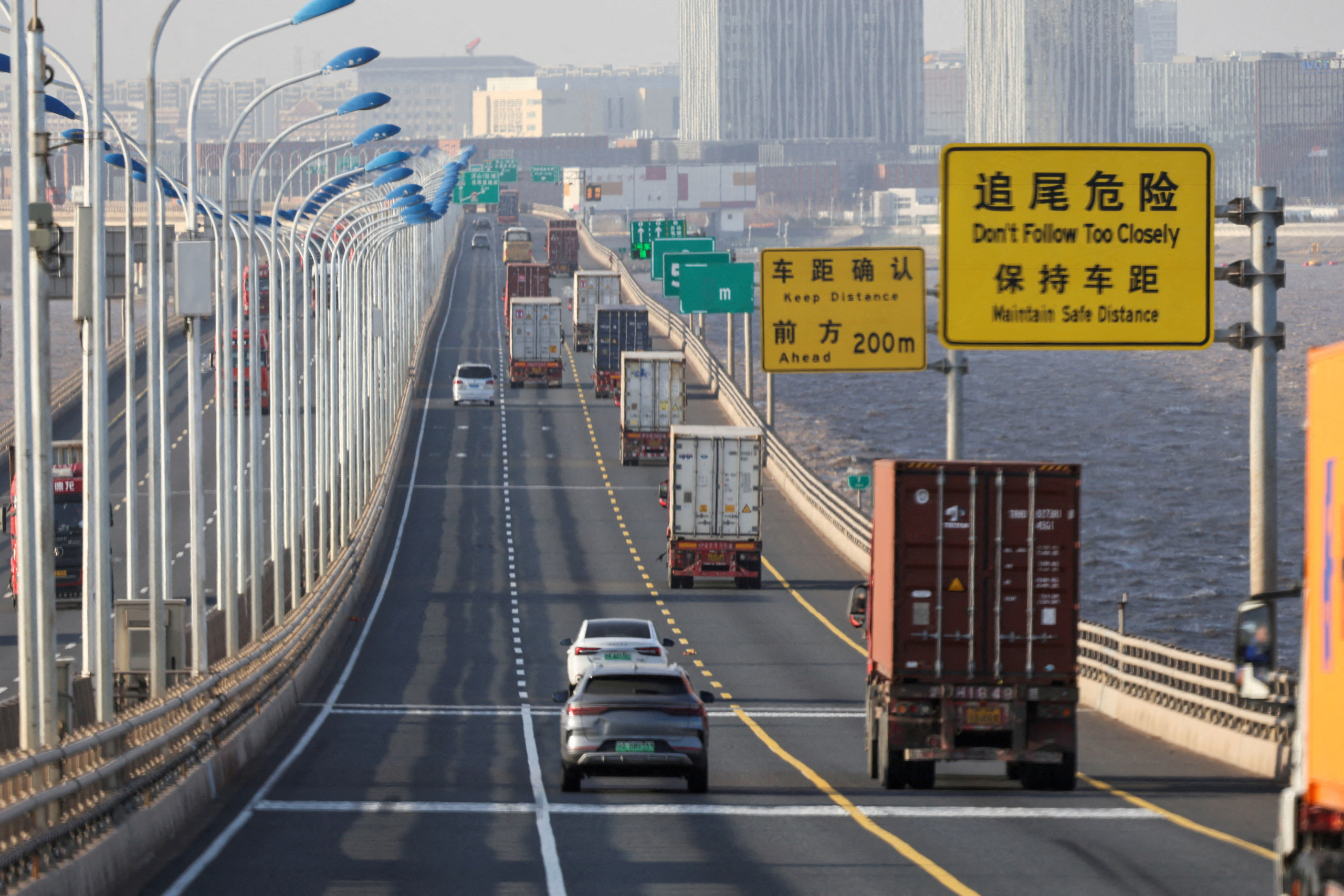
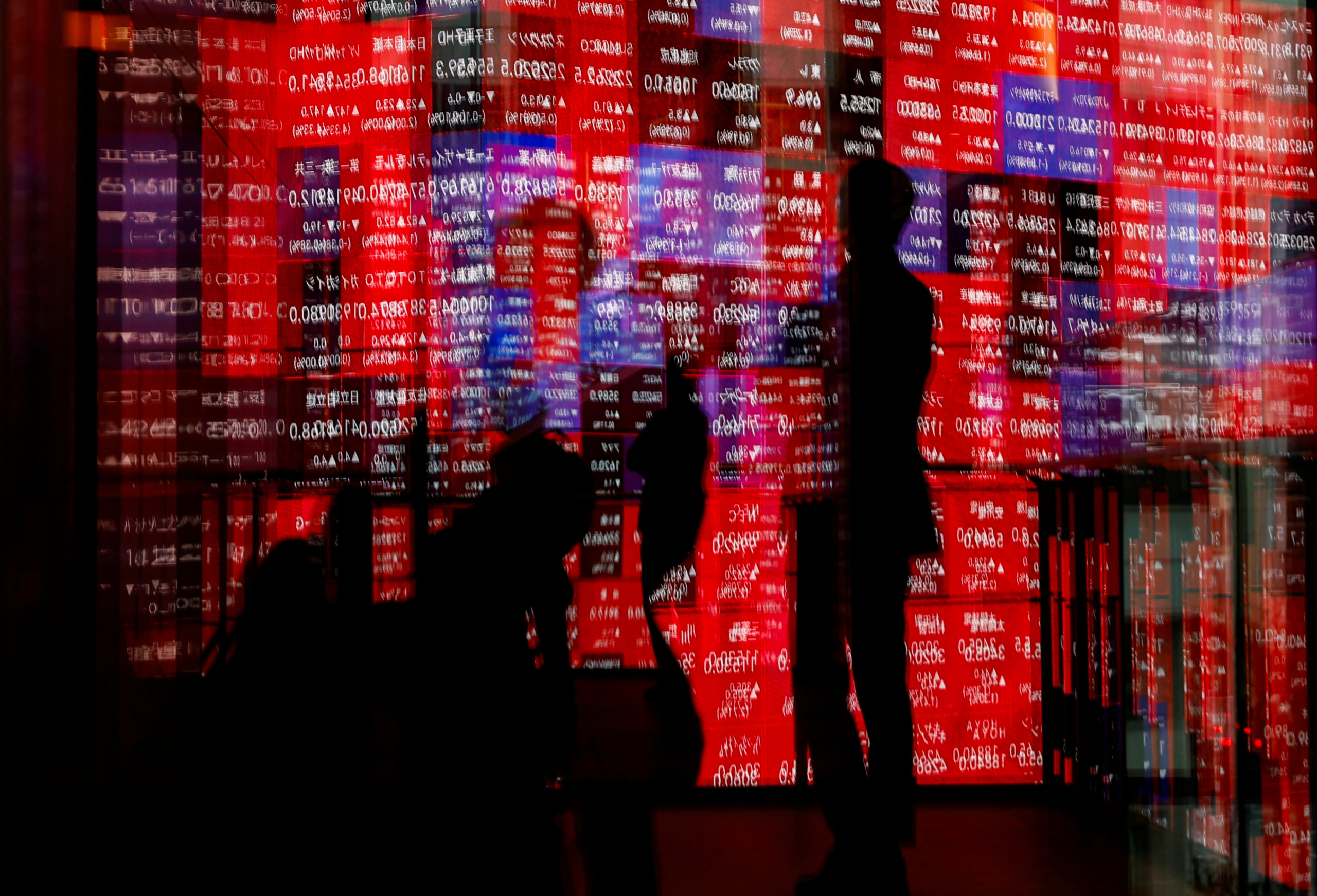
U.S. tech heavyweights, banks and oil majors fell sharply on Friday after China retaliated to Trump's tariffs with steep duties, amplifying worries of a global economic downturn.China slapped additional duties of 34% on U.S. goods, set to go into effect April 10. It also announced curbs on exports of some rare-earths and added several U.S. firms to its export control list and the "unreliable entities" list, which allows Beijing to take punitive action.U.S. President Donald Trump on Wednesday announced 34% duties on imports from China along with a 10% baseline tariff on most goods flowing into the U.S., triggering a massive market meltdown on Thursday.Investors are already fretting over potential supply chain disruptions, price hikes and demand destruction for everything from cars and smartphones to sneakers.Shares of Tesla (TSLA.O) and Apple (AAPL.O) - among companies with a large exposure to China - were down 8% and 4%, respectively. While both companies have local production in China, duties on U.S.-imported parts could squeeze margins and force them to raise prices."Several tech companies have established local supply chains in China. Most source components from China already, and hence, disruptions should be controllable, though we do expect price hikes on parts and components…
US tariffs risk slowing global growth significantly, ADB chief economist says

The United States' sweeping new tariff regime risks slowing both U.S. and global growth, shrinking export markets and potentially prompting a Federal Reserve response, the Asian Development Bank's chief economist said.Chief Economist Albert Park said that unlike previous U.S.-China trade tensions which saw manufacturing shift to Southeast Asia, this round of tariffs was broad enough to slow trade across the region.The fallout could dampen U.S. growth and prompt the Federal Reserve to lower policy rates, he said."The magnitude and breadth of the new U.S. tariffs may slow growth in the U.S. and globally so significantly that it will shrink total East Asian export opportunities rather than simply shifting production within it," Park said.The U.S. tariffs impose substantial levies on trading partners, including Southeast Asian nations, with Vietnam, Laos and Cambodia facing some of the highest rates.China, already facing economic headwinds, will have a 34% tariff, on top of the 20% Trump imposed earlier this year, bringing total levies to 54%.The escalation in tariffs will have "negative repercussions for China's growth outlook," Park said.China has relied on exports for its post-pandemic recovery and is "likely to double down on their recent policy shift to prioritise domestic consumption while increasing trade with…

J.P.Morgan lifts global recession odds to 60% as US tariffs stoke fears

The risk of a U.S. and global recession this year have risen to 60% from 40% earlier on the heels of President Donald Trump's sweeping reciprocal tariffs, Wall Street brokerage J.P. Morgan said.On Wednesday, Trump imposed a 10% baseline tariff on all imports to the U.S. and higher duties on dozens of other countries."Disruptive US policies has been recognized as the biggest risk to the global outlook all year," J.P. Morgan strategists, led by Bruce Kasman, said in a note on Thursday, adding that US trade policy has turned less business-friendly than anticipated."The effect of this tax hike is likely to be magnified through retaliation, a slide in US business sentiment, and supply chain disruptions," Kasman said.Other Wall Street brokerages, including Barclays and Deutsche Bank, also warned that the U.S. economy faces a higher risk of slipping into a recession this year if Trump's new levies remain in place.However, Kasman expects the shock of the tariffs to be "modestly dampened" by the prospect of further rate cuts in the U.S.J.P.Morgan reiterated its forecast of two 25-basis point rate reductions by the Federal Reserve in June and September this year, while investors expect a total of four rate cuts in 2025,…

After tariff shock, Trump may weaponise finance against allies

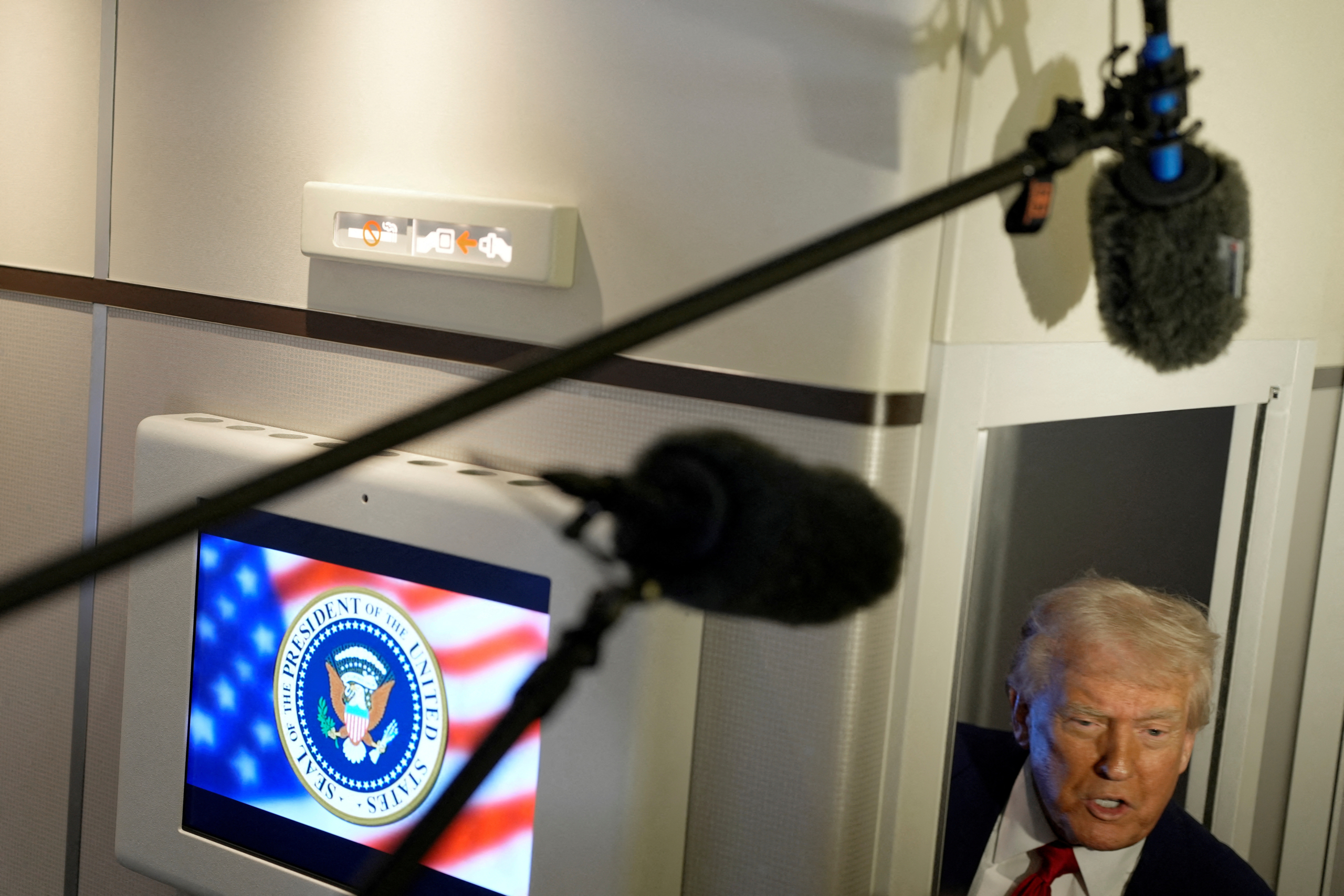
With the ink still fresh on U.S. President Donald Trump's latest batch of tariffs, some are already bracing for what may come next in his effort to strong-arm trading partners into doing his bidding.As the epicentre of the financial world and the issuer of the global reserve currency, the United States has a number of levers that Trump can pull to coerce other countries, from credit cards to the very provision of dollars to foreign banks.While deploying these unconventional weapons would come at a large cost for the U.S. itself and may even backfire altogether, observers say such doomsday scenarios should not be discarded.This would be particularly true if tariffs do not succeed in reducing the U.S. trade deficit with the rest of the world - an outcome many economists see as plausible given the fact that near-full employment in the U.S. has led to deep labour shortages."I could well imagine that Mr. Trump...grows frustrated and he does try to implement wacky ideas, even if the logic for them is not there," said Barry Eichengreen, professor of economics and political science at the University of California, Berkeley.MAR-A-LAGO ACCORDThe U.S. administration's not-so-secret plan is to rebalance trade by weakening the dollar.…

Australia household spending up 0.2% in February, growth stays modest

Australian household spending rose for a fifth straight month in February, data showed on Friday, but the gains were slim and overall growth remained modest as consumers struggled with cost-of-living pressures.The Australian Bureau of Statistics' monthly household spending indicator (MHSI) showed a seasonally adjusted rise of 0.2% in February from January, when it rose by 0.5%.Annual growth was little changed at a sluggish 3.3%, having shown next to no improvement since hefty tax cuts were handed out in the middle of last year.The data should help ease concerns at the Reserve Bank of Australia (RBA) that consumption might spike as inflation cooled and incomes recovered in the wake of the tax handouts.Robert Ewing, ABS head of business statistics, said spending in February had been concentrated in food, recreation and eating out, while households cut back on healthcare, alcohol and tobacco.The MHSI series will replace the current retail sales report from July and is much broader in scope covering 68% of household consumption, more than double the retail survey.It includes spending on many services and should offer a better guide on what to expect from household consumption in the gross domestic product report.Source: Reuters.com

ASX to face investor push back on dual-class listing plans – again

Australia's plan to introduce dual-class share trading to help revive its weak listing market faces resistance from investors concerned the structure would give too much power to some shareholders, including founders.The Australian Securities Exchange told Reuters in March it was considering allowing dual-class listings to bring it in line with most major rivals including New York and London.Dual-class structures typically have two or more types of shares with differing voting rights. Companies might favour such a listing to reward founders or executives however some argue the structure can diminish the rights of other shareholders.Such criticism contributed to the ASX shelving dual-class shares the last time it floated the idea in 2007. However, a two-decade low in new listings and regulatory calls for action have prompted the exchange operator to reconsider.ASX faces an uphill battle as fund managers now, as in 2007, remain unconvinced. Dual-class shares would need to be sold at a discount in an IPO to attract local investors, they said."Most fund managers would be pretty hostile to dual-class shares," said Hugh Dive, chief investment officer of Atlas Funds Management which has A$200 million ($126.28 million) of funds under management."There are different voting interests and we have had enough…

Shares bruised, dollar crumbles as Trump tariffs stir recession fears

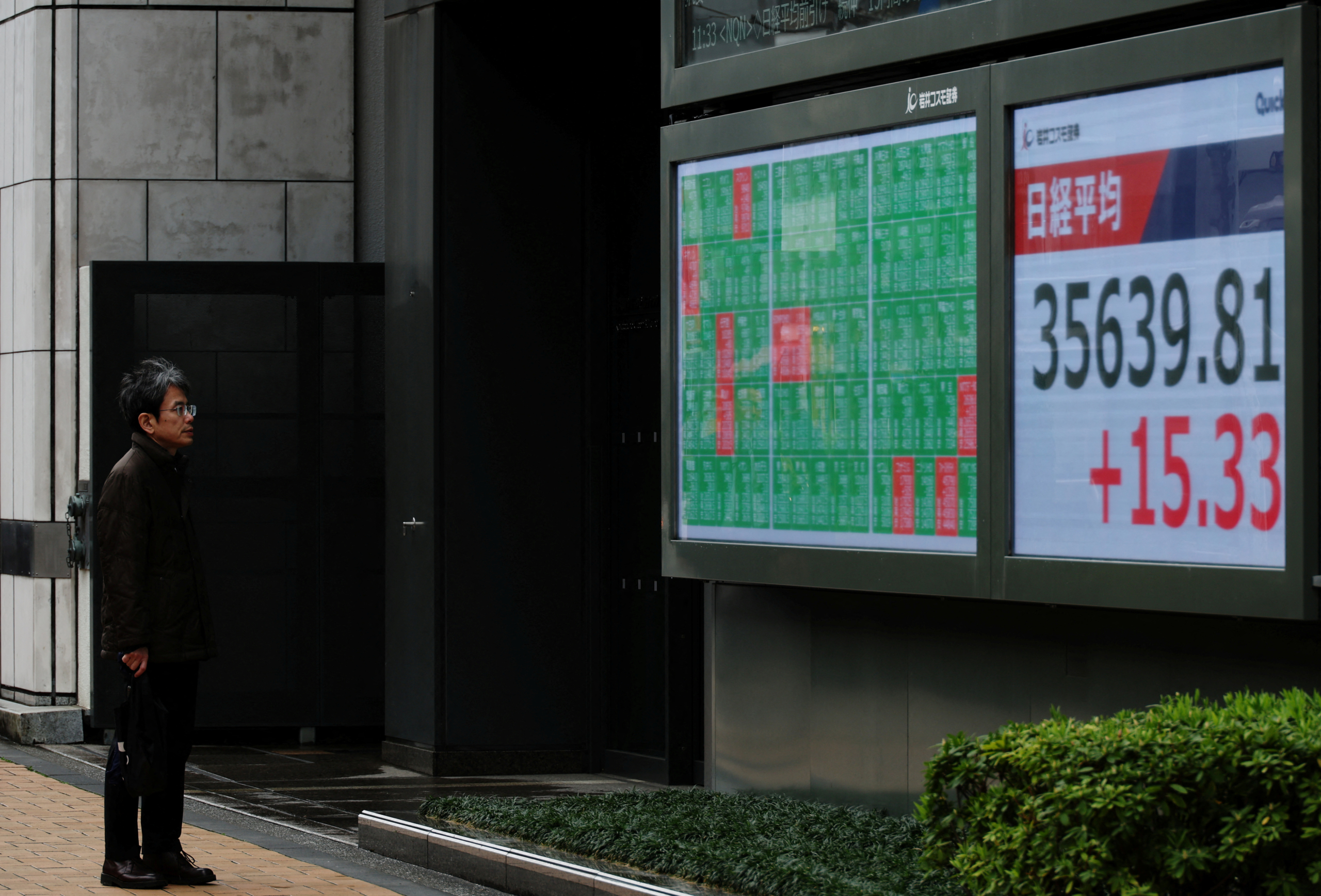
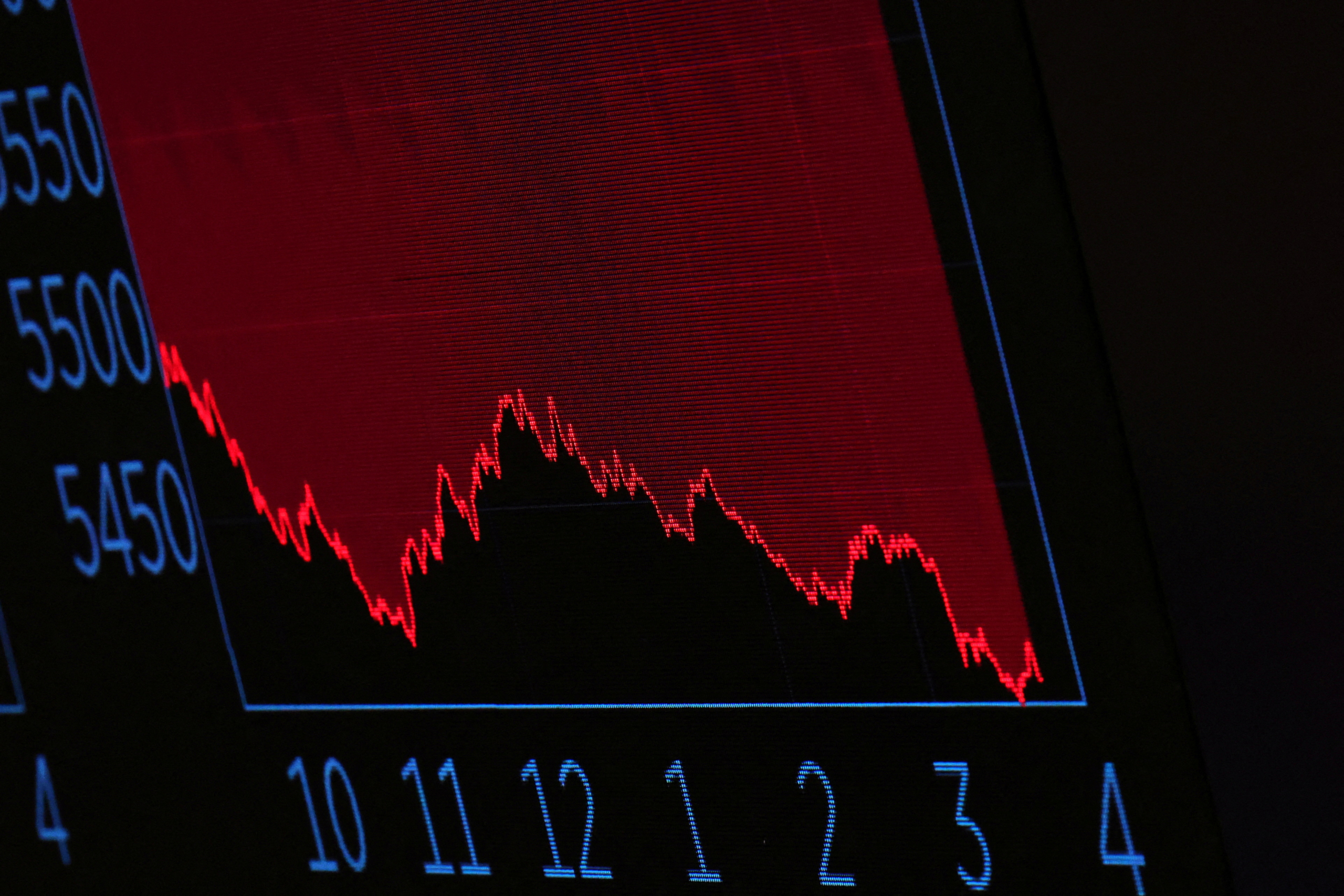
Stocks limped to the end of the week on Friday, the dollar was set for its worst week in a month while gold flirted with a record peak as investors feared U.S. President Donald Trump's sweeping tariffs would tip the global economy into a recession.Asian shares struggled to recover their heavy losses from the previous session as Japan's Nikkei (.N225) fell 1.85%, extending its 2.8% slide from Thursday.MSCI's broadest index of Asia-Pacific shares outside Japan (.MIAPJ0000PUS) dipped 0.26% in thin trade, with markets in China, Hong Kong and Taiwan closed for a holiday.Overnight S&P 500 companies lost a combined $2.4 trillion in stock market value, their biggest one-day loss since the coronavirus pandemic hit global markets on March 16, 2020, while other Wall Street indexes similarly clocked sharp falls.The bruising selloff across markets came after Trump on Wednesday announced Washington's steepest trade barriers in more than 100 years, sending investors scrambling for safety assets."If the current slate of tariffs hold, a Q2 or Q3 recession is very possible, as is a bear market," said David Bahnsen, chief investment officer at The Bahnsen Group."The question is, does President Trump seek some sort of off-ramp for these policies if and when we…

Emerging economies brace for Trump tariff ‘turning point’

Emerging economies worldwide are bracing for sliding currencies and a possible deterioration of their sovereign credit after U.S. President Donald Trump's tariffs brought levies on U.S. imports to their highest levels in 100 years.The worse-than-expected tariff blitz hits Asia -- and some of the world's poorest nations -- the hardest. It could mark a negative turning point for emerging market debt just as many nations had hoped to lure investments after years of risk aversion."We are immediately concerned by the potential impact of the severe tariffs imposed on a range of emerging economies — an approach which risks further damaging the development prospects of countries already facing worsening terms of trade," said John Denton, Secretary-General of the International Chamber of Commerce. He added that the shifts could cause a cascade of sovereign rating downgrades.Trump unveiled the sweeping set of penalties as high as 50% on allies and antagonists alike, roiling financial markets and stoking fears of a global trade war.The tariffs, which add to existing levies, will hit everything from Madagascar's vanilla, at 47%, to Sri Lanka's textiles at 44%."The shock to sentiment and capital flows is likely to endure and requires higher risk premia," investment bank JPMorgan said in…

Trump’s trade policies triggered largest Asian equity outflows in at least 15 years in Q1

Foreign investors withdrew the largest amount of money from Asian equities in about 15 years in the quarter to March ahead of U.S. President Donald Trump's major tariffannouncement - and some say the region may see more selling as investors head for safe-haven assets.Overseas investors divested stocks worth a net $43.73 billion in India, Taiwan, South Korea, Thailand, Indonesia, Vietnam, and the Philippines in the quarter - the largest quarterly net sales since at least March 2010, LSEG data showed.On Wednesday, Trump introduced sweeping reciprocal tariffs on his country's trading partners, escalating a trade war that has heightened fears of a global economic slowdown, with particularly severe impacts on regional growth."Asia bears the brunt of these tariffs, with China, South Korea, and Taiwan seeing significant increases compared to lower rates for LATAM. Specifically, China will face a 34% tariff on top of the existing 20%, resulting in an effective tariff rate of 54%, which is close to the 60% rate pledged during Trump's campaign," said Ray Sharma-Ong, head of multi-asset investment solutions, at Aberdeen Investments.In March alone foreigners offloaded a net $17.51 billion worth of the region's equities, the biggest net sales for a month since June 2022.Taiwan stocks witnessed…

TSX slumps to near three-week low as Trump’s tariffs stir recession fears

Canada's main index tumbled on Thursday in broad-based declines as U.S. President Donald Trump's reciprocal tariffs escalated the global trade war and sparked worries of a recession.Toronto Stock Exchange's S&P/TSX composite index (.GSPTSE) was down 3.29% at 24,474.92 points, on pace for its worst daily drop since June 2020.Trump's new tariffs announced on Wednesday set a baseline of 10% for all imports and higher duties on some of the biggest trading partners of U.S.But Canada avoided the new levies as goods that comply with the USMCA trade agreement between the U.S., Mexico, and Canada will largely remain exempt, excluding autos, steel and aluminum."But it doesn't look like investors are breathing a sigh of relief as Canadian exports to the U.S. are still subject to 25% tariff," said Brian Madden, chief investment officer and portfolio manager at First Avenue Investment Counsel."Prime Minister Mark Carney promised to respond and retaliate ... so the window of risk for Canada remains open because an aggressive retaliation could trigger an escalation on the part of the U.S."Trump already imposed 25% tariffs on Canada and Mexico on March 4 for not doing enough to curb migration and fentanyl trafficking.On TSX, information and technology (.SPTTTK) stocks fell…