Trump tariffs triggered big Q1 plunge in market values for top global firms

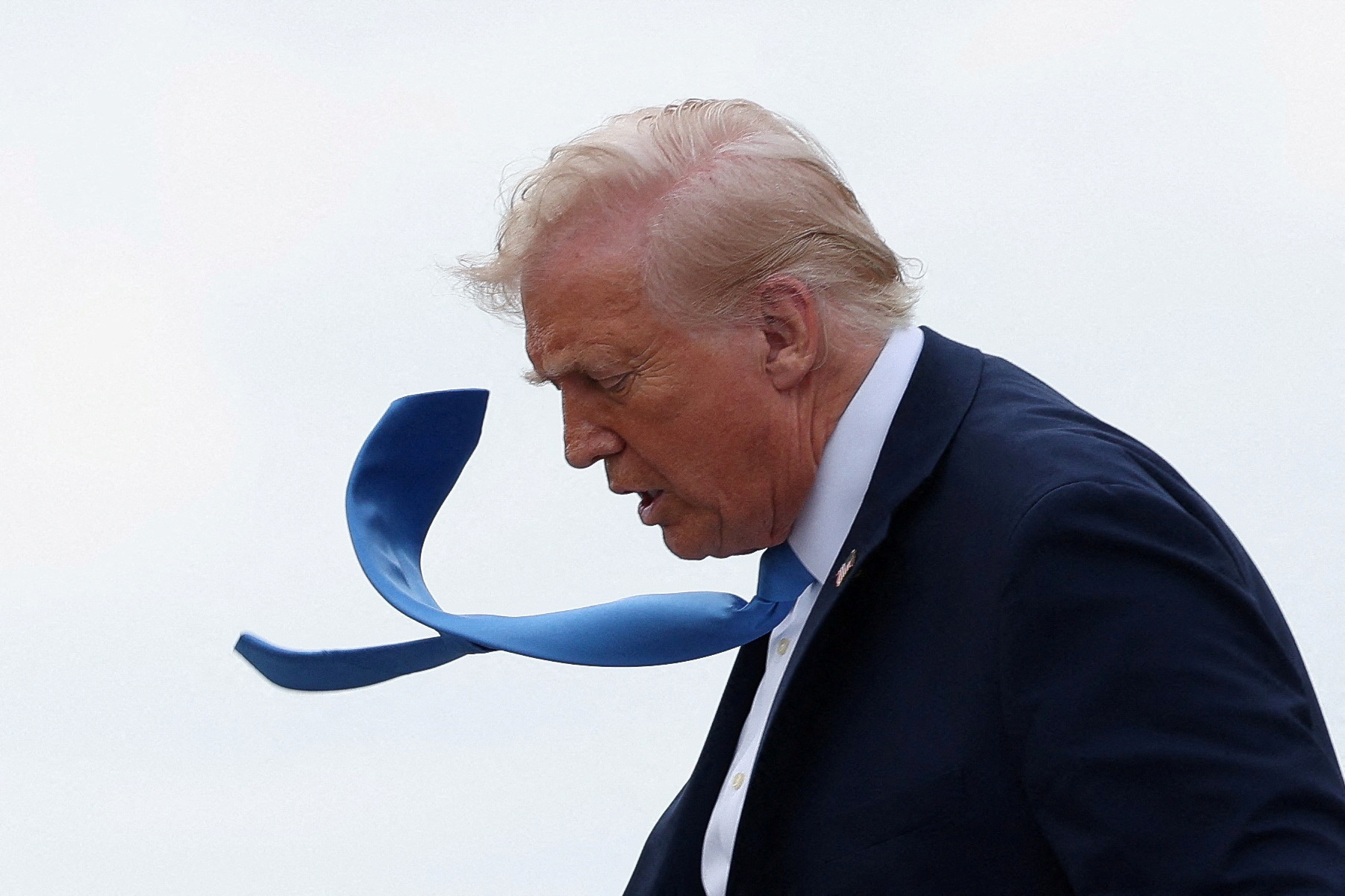
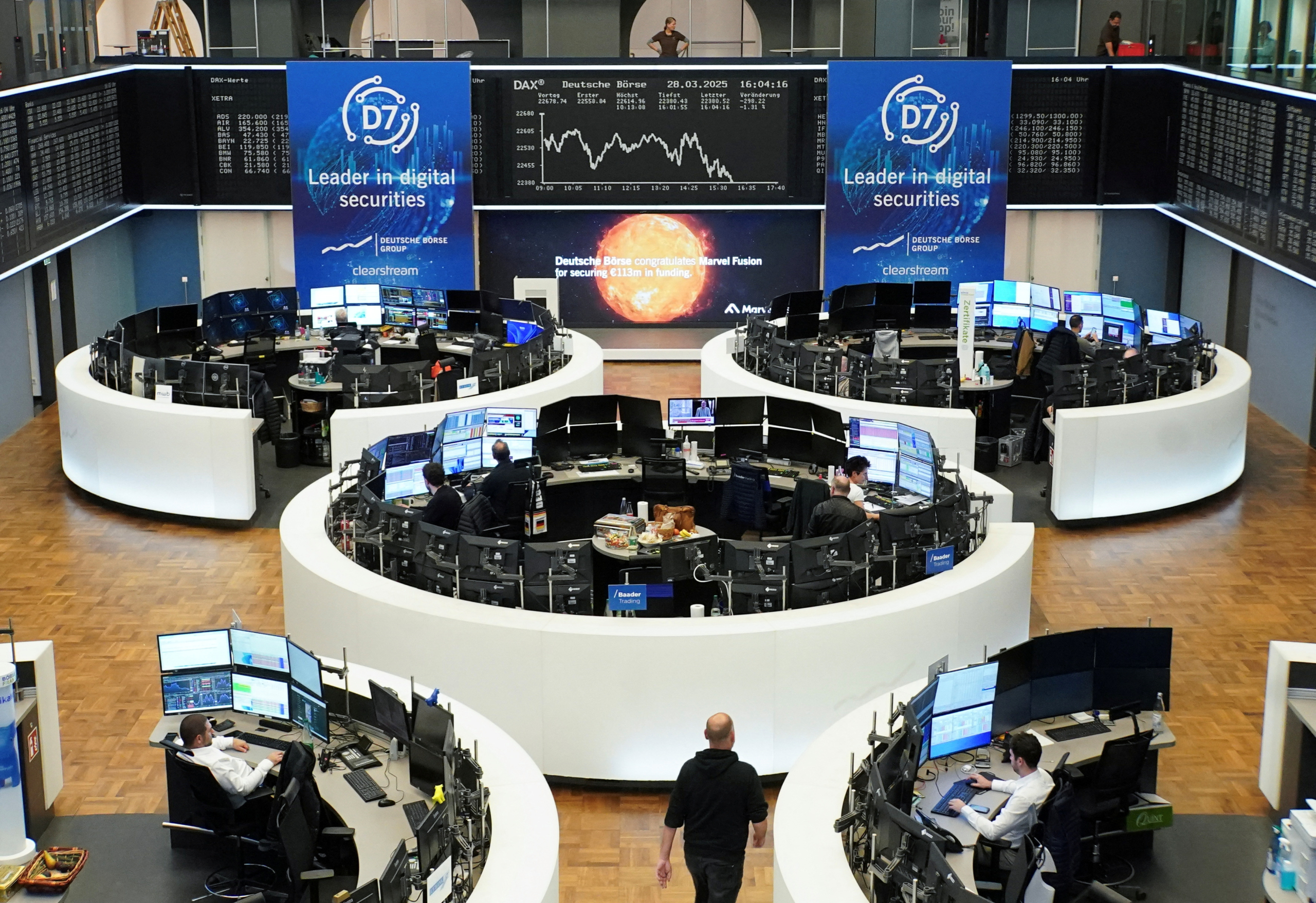
Top global corporations experienced the largest quarterly erosion of market values in nearly three years in the first quarter of 2025, hit by tariffs imposed by U.S. President Donald Trump, which are fuelling heightened concerns of a U.S. recession.According to LSEG data, the top 10 global companies saw a 13.2% decrease in their market value to $18.64 trillion at the end of Q1 2025, marking the biggest drop since June 2022.The prolonged surge in tech stocks, which had been a key driver of equity index gains, lost momentum as concerns over excessive AI investments, stretched valuations and uncertain profitability triggered market caution.Tesla Inc's (TSLA.O) market value plummeted by 35.7% to $833.59 billion, while Broadcom Inc (AVGO.O) and NVIDIA Corp (NVDA.O) recorded a 27.56% and 19.59% drop in market capitalization to $787.25 billion and $2.64 trillion, respectively.The Nasdaq Composite index (.IXIC), which had surged approximately 84.5% over the previous two years, declined by 10.42%, marking the highest drop since June 2022.In the first quarter, Trump imposed tariffs on aluminum, steel, and autos, along with increased tariffs on all goods from China.Trump said on Sunday that the reciprocal tariffs he plans to announce on Wednesday will apply to all countries, not just…
Investors pour record $11 billion into Europe ETFs to ‘Make Europe Great Again’

U.S. investors poured a record $10.6 billion into exchange-traded funds focused on European stocks in the first quarter, seven times the inflows recorded a year earlier, according to data from BlackRock (BLK.N).As U.S. President Donald Trump's tariffs and economic policies fuel uncertainty across markets, European equities have emerged as a bright spot. Tim Seymour, founder and chief investment officer of Seymour Asset Management, dubbed the burgeoning trend Make Europe Great Again, or MEGA.The resurgent interest in European ETFs reflects a sharp reversal in sentiment. Since Russia's invasion of Ukraine in February 2022, the funds had seen net outflows of $6.4 billion."It's a really massive swing," said Kristy Akullian, head of iShares Investment Strategy at BlackRock.In three of the last five calendar years, investors steered money out of European ETFs that trade in U.S. markets and into domestic funds, especially dominant technology stocks like Nvidia (NVDA.O), whose valuations remain elevated."It's not that anyone is going to dump all their U.S. stocks, but they're rediscovering international stocks, and Europe in particular, for the first time in more than a decade," said Seymour, who is also a portfolio manager of the Amplify International Enhanced Dividend ETF (IDVO.P).The breakout for Europe is different from…

Australian interest rate changes since 1990

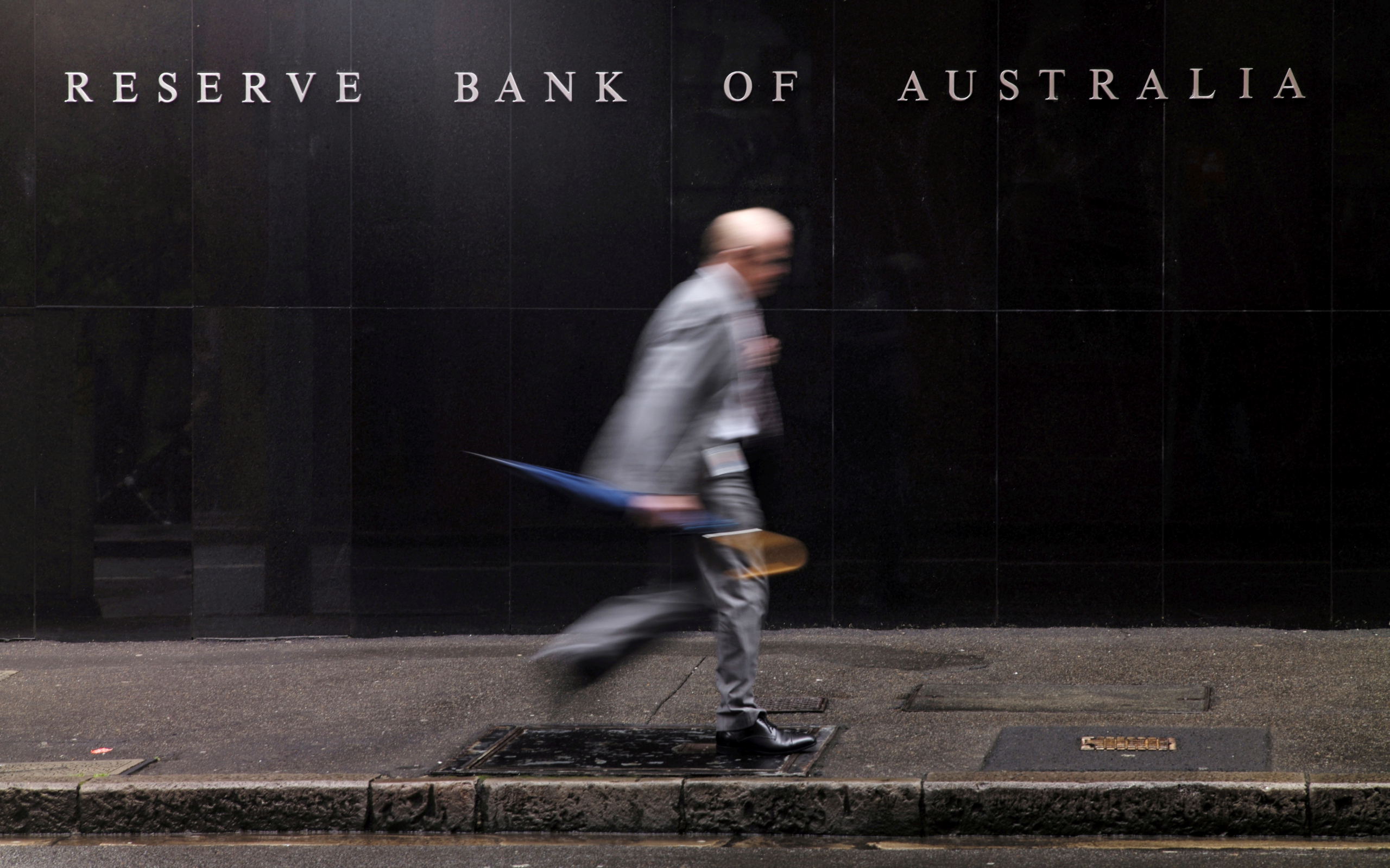
The Reserve Bank of Australia on Tuesday left its cash rate unchanged at 4.10% following a two-day policy meeting.The following is a chronology of the Reserve Bank of Australia's interest rate moves since 1990. Each move is measured in basis points (bp), which are one-hundredths of a percentage point.Feb 18 2025 Down 25 bp to 4.10Nov 7 2023 Up 25 bp to 4.35Jun 6 2023 Up 25 bp to 4.10May 2 2023 Up 25 bp to 3.85Mar 7 2023 Up 25 bp to 3.60Feb 7 2023 Up 25 bp to 3.35Dec 6 2022 Up 25 bp to 3.10Nov 1 2022 Up 25 bp to 2.85Oct 4 2022 Up 25 bp to 2.60Sep 6 2022 Up 50 bp to 2.35Aug 2 2022 Up 50 bp to 1.85Jul 5 2022 Up 50 bp to 1.35Jun 7 2022 Up 50 bp to 0.85May 3 2022 Up 25 bp to 0.35Nov 3 2020 Down 15 bp to 0.10Mar 19 2020 Down 25 bp to 0.25Mar 3 2020 Down 25 bp to 0.50Oct 1 2019 Down 25 bp to 0.75Jul 2 2019 Down 25 bp to 1.00Jun 4 2019 Down 25 bp to 1.25Aug 2 2016 Down 25 bp to 1.50May 3 2016 Down 25…

Australia’s central bank holds rates as it frets over trade war risk

Australia's central bank on Tuesday left its cash rate steady as widely expected but took a small step towards further easing in a policy meeting dominated by risks of a global trade war.Wrapping up its April policy meeting, the Reserve Bank of Australia (RBA) held interest rates steady at 4.1%, having just cut them by a quarter point in February for the first time in over four years.Markets had seen scant chance of a further easing this week given policy makers had emphasised that they needed to be certain core inflation was under control before acting again."Monetary policy is well placed to respond to international developments if they were to have material implications for Australian activity and inflation," the board said in a statement.The statement also dropped an explicit reference to being cautious about cutting rates again, in a slightly dovish tone. It also omitted a sentence that upside risks to inflation remain.Governor Michele Bullock, in the post-decision press conference, said the board did not discuss a rate cut this time, and the slightly dovish turn in the statement did not open the door to an easing in May."We still think there is tightness in the labour market, so at…

Asia’s factory activity weakens as US tariffs sap confidence

Asia's factory activity mostly weakened in March as an intensifying U.S. tariff war and slowing global demand hurt business sentiment, private sector surveys showed on Tuesday, darkening the outlook for the region's economy.China was one outlier among a broadly downbeat set of purchasing managers' indexes, showing activity in the world's second-largest economy picking up, as factories rushed to get goods to customers before U.S. tariffs took effect.The prospect of a widening global trade war is adding to headaches for policymakers as they seek to cushion the hit to growth and manage inflationary pressures from rising costs.Elsewhere in Asia, Japan, South Korea and Taiwan saw manufacturing activity decline in March, the surveys showed, as companies braced for more uncertainty on U.S. trade policy.U.S. President Donald Trump has introduced various tariffs against trading partners since taking office in January, including a plan to impose higher levies on auto imports.China's Caixin/S&P Global manufacturing PMI climbed to 51.2 in March from 50.8 in the previous month, exceeding market expectations and staying above the 50.0 mark that separates growth from contraction.The rebound broadly aligned with an official PMI released on Monday that showed manufacturing activity growing at its quickest pace in a year.But analysts expect…

Stocks stabilise, gold hits record before Trump tariff reveal

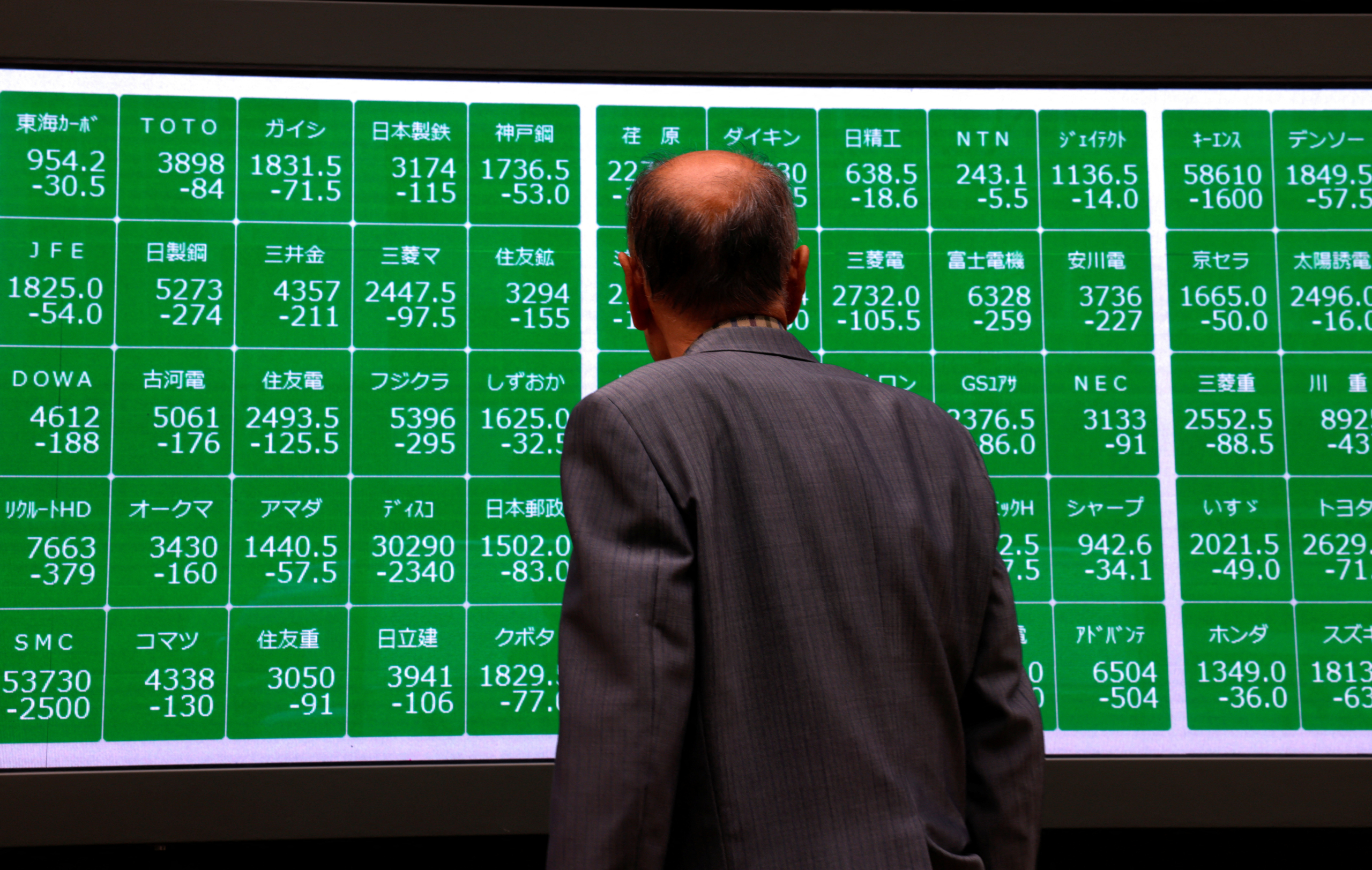
Asian equities rose on Tuesday following Wall Street's overnight gains, while gold hit an all-time peak and Treasury yields fell as markets awaited details of U.S. President Donald Trump's reciprocal tariffs.The Japanese yen strengthened as traditional haven assets drew demand. Meanwhile, the risk-sensitive Australian dollar was under pressure after a soft reading of local retail sales, ahead of a Reserve Bank of Australia policy decision later in the day.Regional stocks found some respite on the first day of April after being battered in March by worries that Trump's trade war could trigger stagflation or even a U.S. recession.Investors are nervously awaiting April 2, a day Trump has dubbed "Liberation Day", when he has promised to unveil a massive reciprocal tariff plan.Japan's Nikkei (.N225) rose 0.7%, South Korea's KOSPI (.KS11) advanced 1.4% and Taiwan's equity benchmark (.TWII) climbed 1.7%, following steep drops on Monday.Hong Kong's Hang Seng (.HSI) gained 1%, while mainland Chinese blue chips (.CSI300) edged 0.1% higher.The U.S. S&P 500 (.SPX) gained 0.55% on Monday, snapping a three-day losing run, but futures pointed 0.54% lower."It is possible that a significant portion of last night's rebound in the key (Wall Street) indices was attributable to month-end and quarter-end rebalancing flows,…

Australia retail sales edge higher as shoppers stay cautious

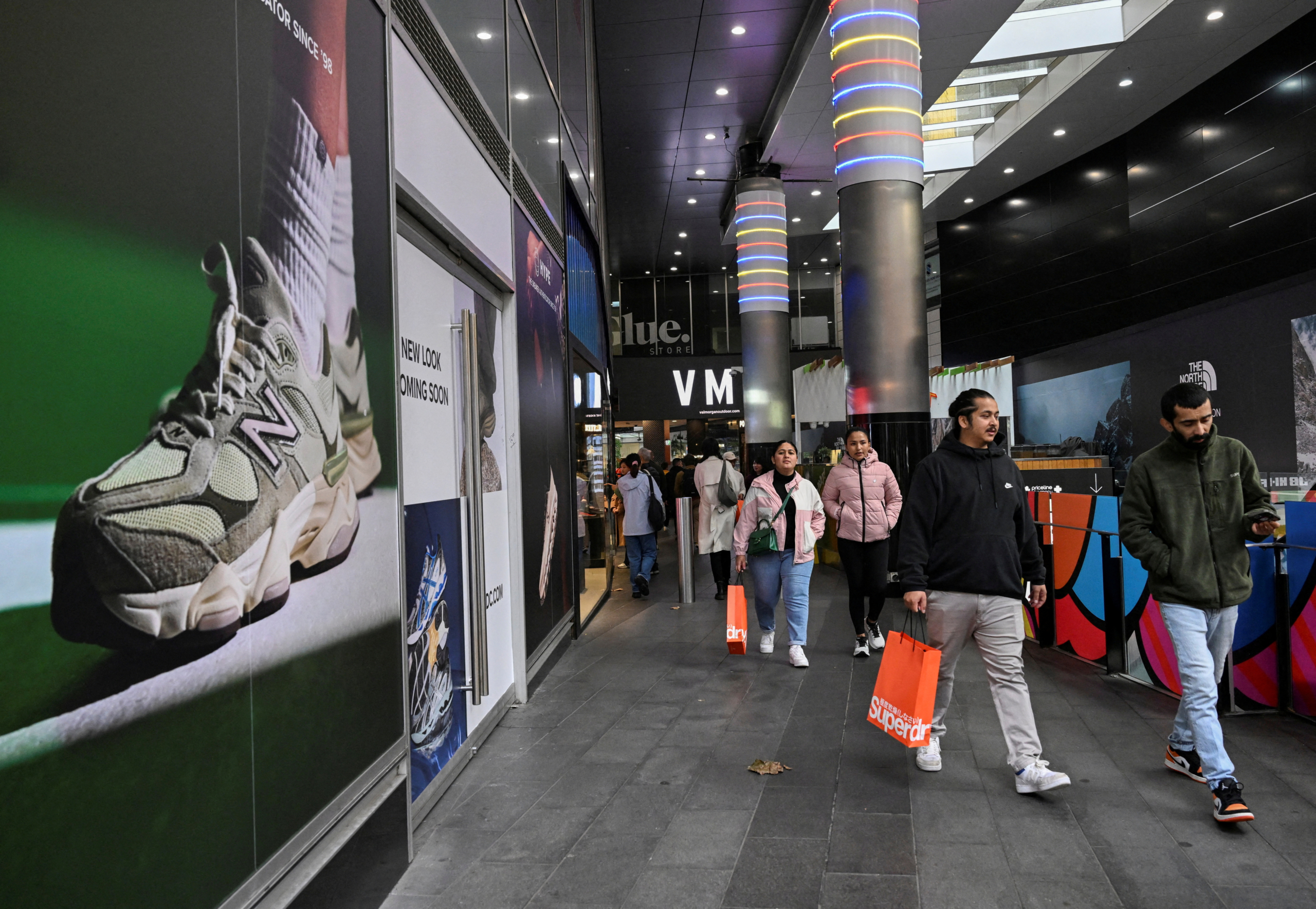
Australian retail sales rose modestly for a second straight month in February as a long-awaited cut in interest rates combined with slower inflation to boost consumer sentiment and spending power.However, the recovery in consumer spending is still tepid, suggesting consumers remain cautious and would not be a bar to more policy easing. The Australian dollar was steady at $0.6241 and three-year bond futures were little changed at 96.31.Data out from the Australian Bureau of Statistics (ABS) on Tuesday showed retail sales added 0.2% in February from January, when they gained 0.3%. The outcome was just below market forecasts of a 0.3% increase.Sales were up 3.6% on a year earlier at A$37.1 billion ($23.14 billion), with the ABS noting the February gain was largely due to food and eating out, with demand for household goods falling in the wake of year-end discounting."Some overhang is to be expected after a very strong quarter of sales in Q4... Discounting activity at the end of 2024 pulled forward some spending, and conditions in this component may be subdued for a little longer yet," said Sean Langcake, head of macroeconomic forecasting for Oxford Economics Australia."The fundamentals for consumer spending are still sound, with real income…

TSX set for monthly loss as Trump’s tariff announcement nears

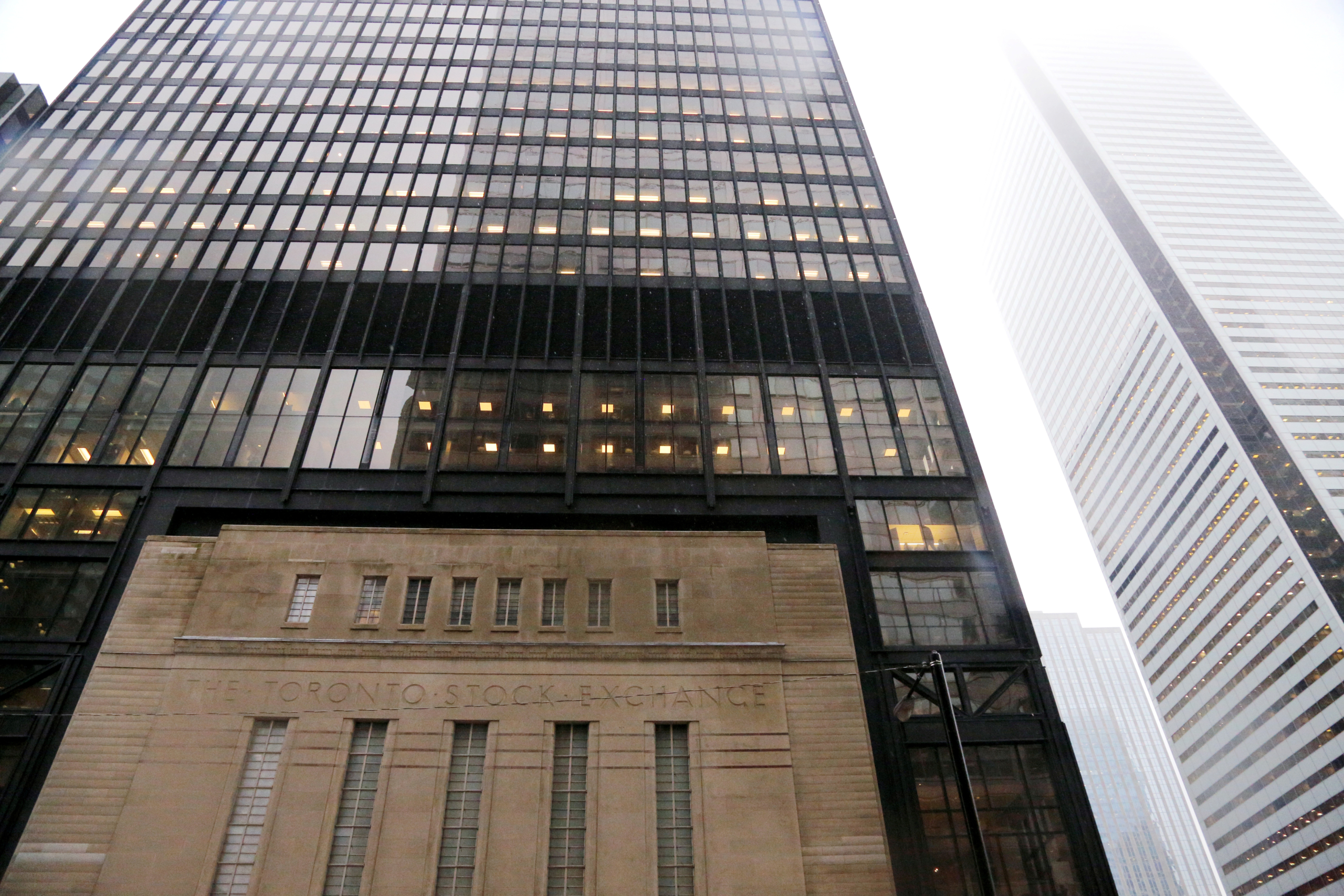
Canada's main stock index fell on Monday, dragged by information technology stocks, as investors shunned risky assets amid concerns that U.S. President Donald Trump's upcoming tariffs will hurt the global economy.Toronto Stock Exchange's S&P/TSX composite index (.GSPTSE) was down 0.2% at 24,686.72 points, and is poised to decline nearly 3% this month, if losses hold.Global stocks plunged after Trump said on Sunday the reciprocal tariffs he is expected to announce on Wednesday will include all nations, adding to existing levies on aluminum, steel, autos and a range of Chinese goods."We've got that big fear that there could be a lot of tariffs implemented on Wednesday", said Colin Cieszynski, chief market strategist at SIA Wealth Management.While Canada had secured protections against new U.S. auto tariffs, including a 60-day delay and annual duty-free quotas, under a 2018 trade agreement with the U.S. and Mexico, there's no evidence Trump will honor those commitments.However, the Canadian government expects the U.S. to honor the agreements on Wednesday.Information technology (.SPTTTK) led declines, down 2.6% to its lowest in five months, with electronic equipment company Celestica (CLS.TO) falling 7.2% to the bottom of the benchmark index.Meanwhile, heavy-weight energy (.SPTTEN) climbed 1.4%, tracking crude prices, spurred by Trump's…

Australia home prices hit new record in March after rate cut, CoreLogic data shows

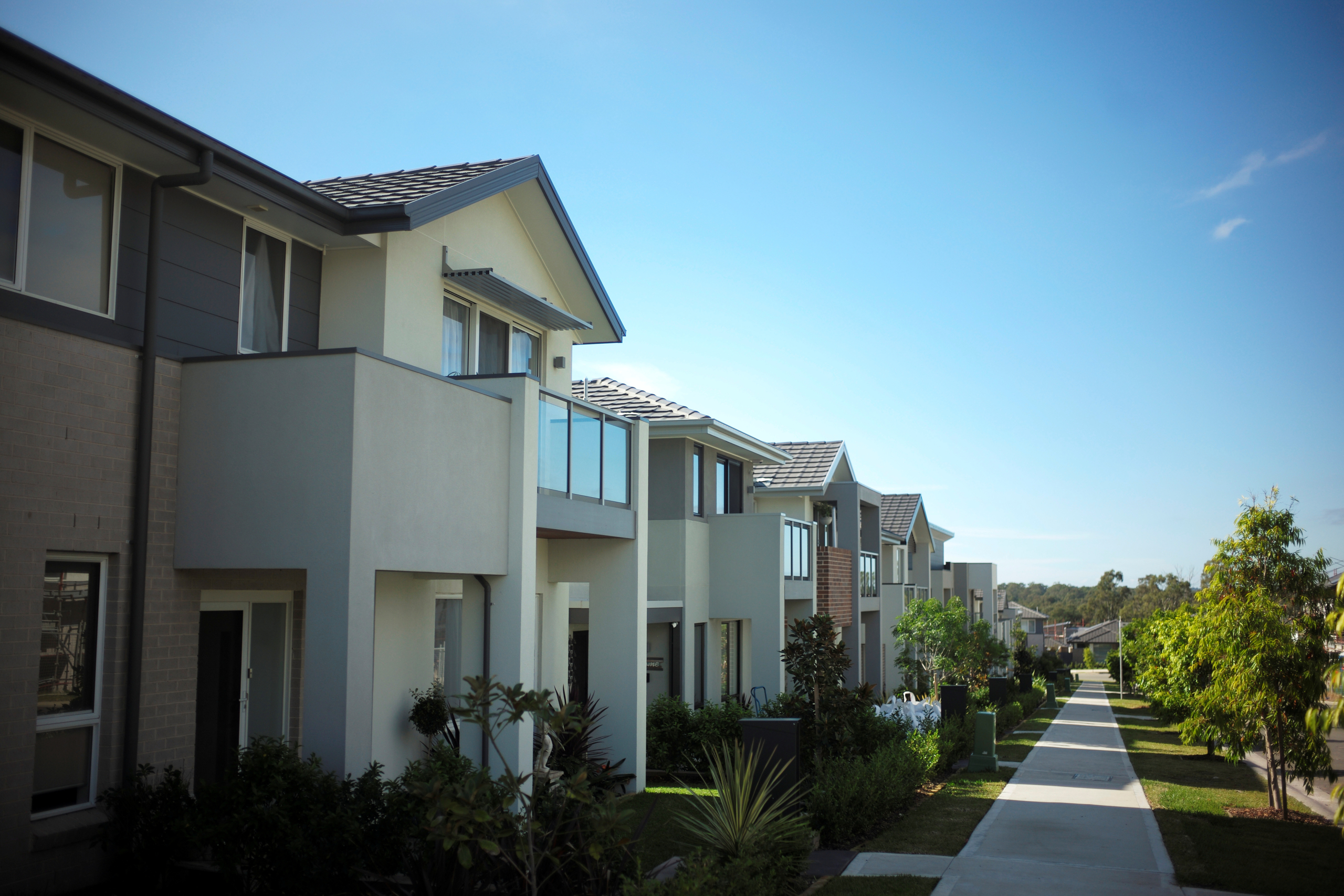
Australia's property prices hit a record high in March after the first rate cut in over four years bolstered buyer sentiment, although it remains unclear if the upward momentum will last due to affordability issues.Figures from property consultant CoreLogic, which will soon rebrand to Cotality, showed prices across the nation rose 0.4% in March from February to a new peak price of A$820,331 ($515,332).The monthly rise was broad-based, with every capital city posting a positive chance except for Hobart. Prices in Sydney rose 0.3% while Melbourne gained 0.5%."Improved sentiment following the February rate cut is likely the biggest driver of the turnaround in values," said Tim Lawless, CoreLogic's research director, adding that the cut led to a slight improvement in borrowing capacity and mortgage serviceability."With the rate-cutting cycle expected to be drawn out, it will be interesting to see if this positive inflection in values can last in the face of affordability constraints."Australia's property market has ended a year-long slide earlier than anyone thought, boosted by strong immigration and limited supply.It felt the weight of decade-high interest rates late last year, but a quarter-point rate cut from the Reserve Bank of Australia in February injected some confidence and helped end…

Argentina requests first tranche of more than 40% under $20 billion IMF program

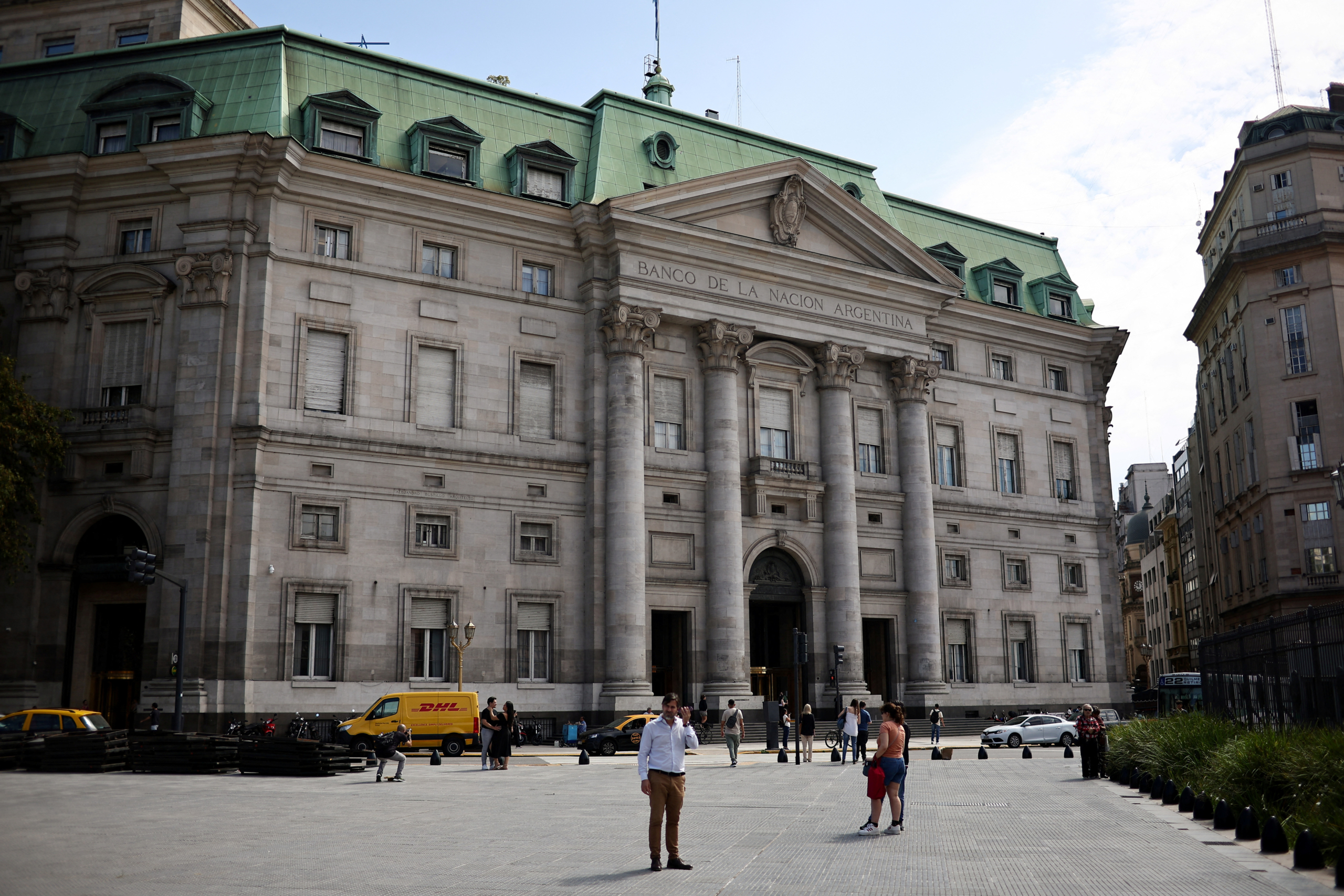
Argentina is seeking a first disbursement of more than 40% under a $20-billion program it is negotiating with the International Monetary Fund (IMF), Economy Minister Luis Caputo said on Sunday.The South American country had eliminated the fiscal deficit and cut public spending, Caputo reiterated, as the government aims to beef up central bank reserves, and begin unwinding forex curbs that arguably hinder business and investment."We've requested more because, traditionally, these are made in exchange for monetary and fiscal targets," Caputo said in remarks on television, adding that first disbursements were usually between 20% and 30%. "We've already done everything."Last week, the government and the IMF confirmed the lender's board of directors must still approve the four-year program that follows one of $44 billion signed in 2018.Source: Reuters.com