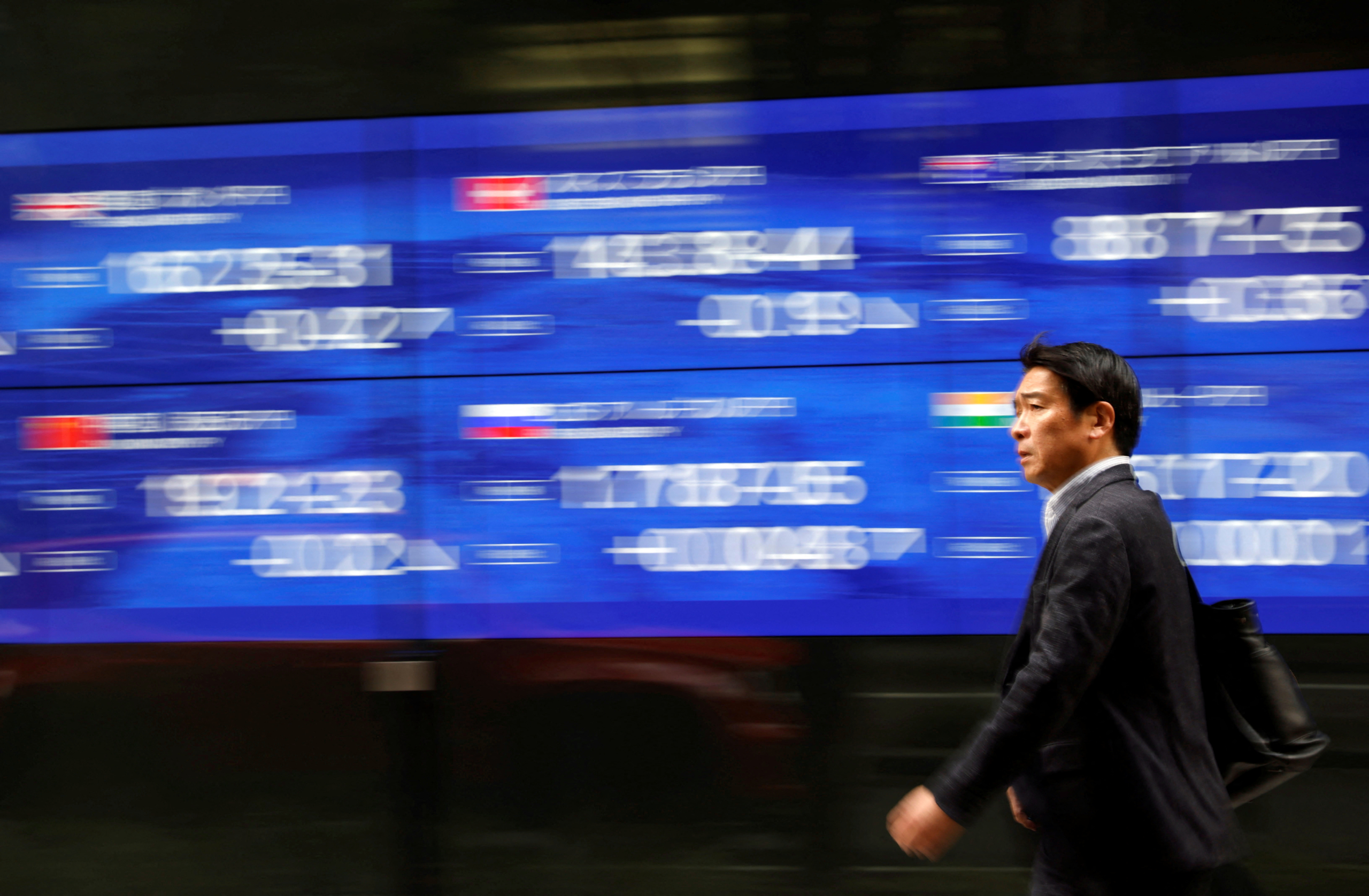
Taiwan defends trade, currency record ahead of possible US tariffs

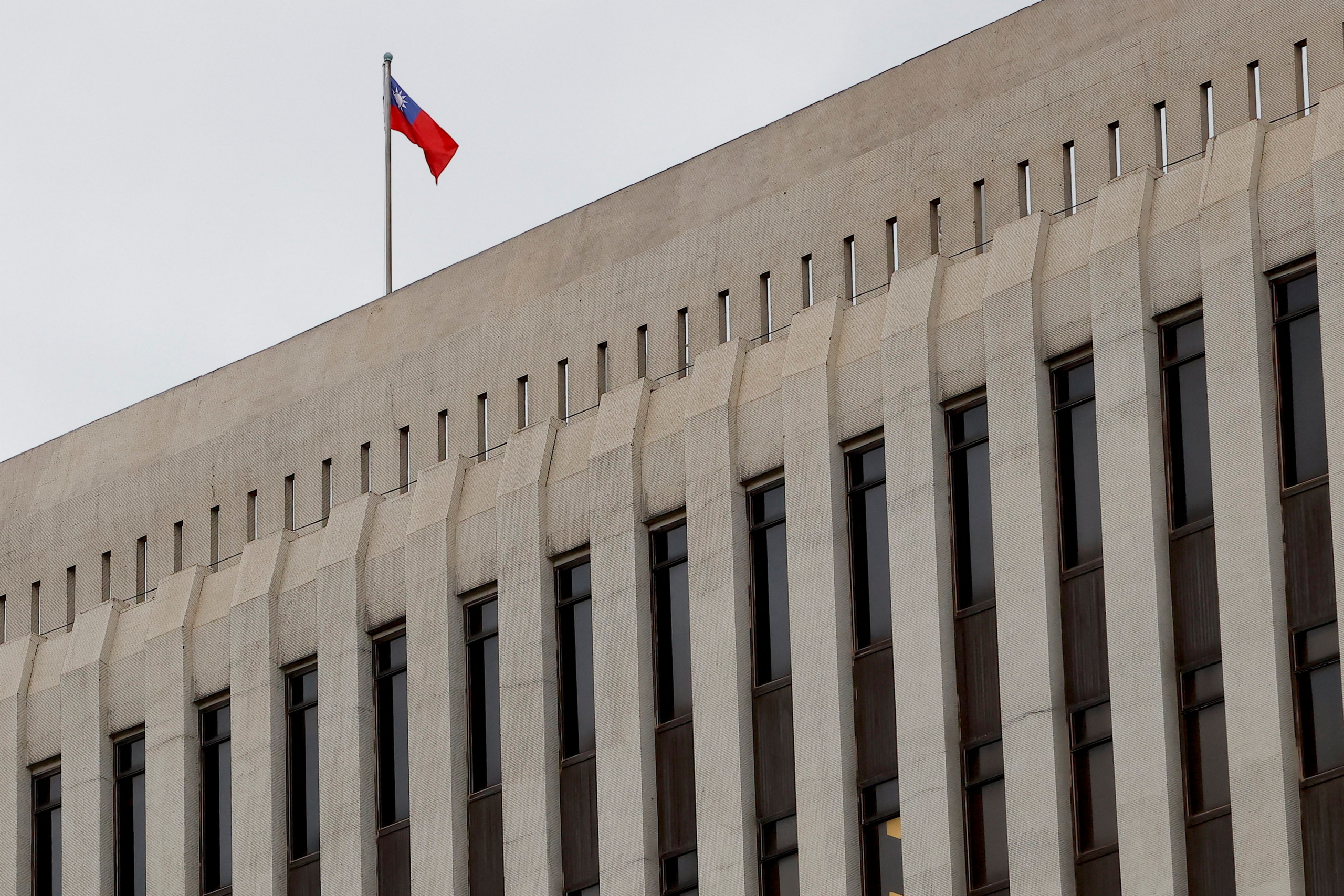
Taiwan's central bank on Wednesday defended the island's trade and currency record ahead of possible tariffs from U.S. President Donald Trump, saying the high current account surplus was a structural problem and Washington understood that.Trump officials, including Treasury Secretary Scott Bessent, have said that much of the reciprocal tariff focus, to be announced on April 2, will be on 15 countries that have the highest trade surpluses, which Bessent has referred to as the "Dirty 15."They did not name these, but according to U.S. Census Bureau data, Taiwan is one of those 15 with the largest trade surpluses with the United States, along with countries like China and South Korea plus the European Union.In a report to lawmakers, Taiwan's central bank noted that the island's current account surplus last year was 14.3% of GDP."It reflects the structural problem of the sharp increase in U.S. demand for Taiwan's technological products and the expansion of our trade surplus with the United States. The U.S. side understands this point of view," the central bank said.Taiwan runs a large trade surplus with the United States, which surged 83% last year, with the island's exports to the U.S. hitting a record $111.4 billion, driven by…
Most Gulf markets gain as investors await US tariff clarity

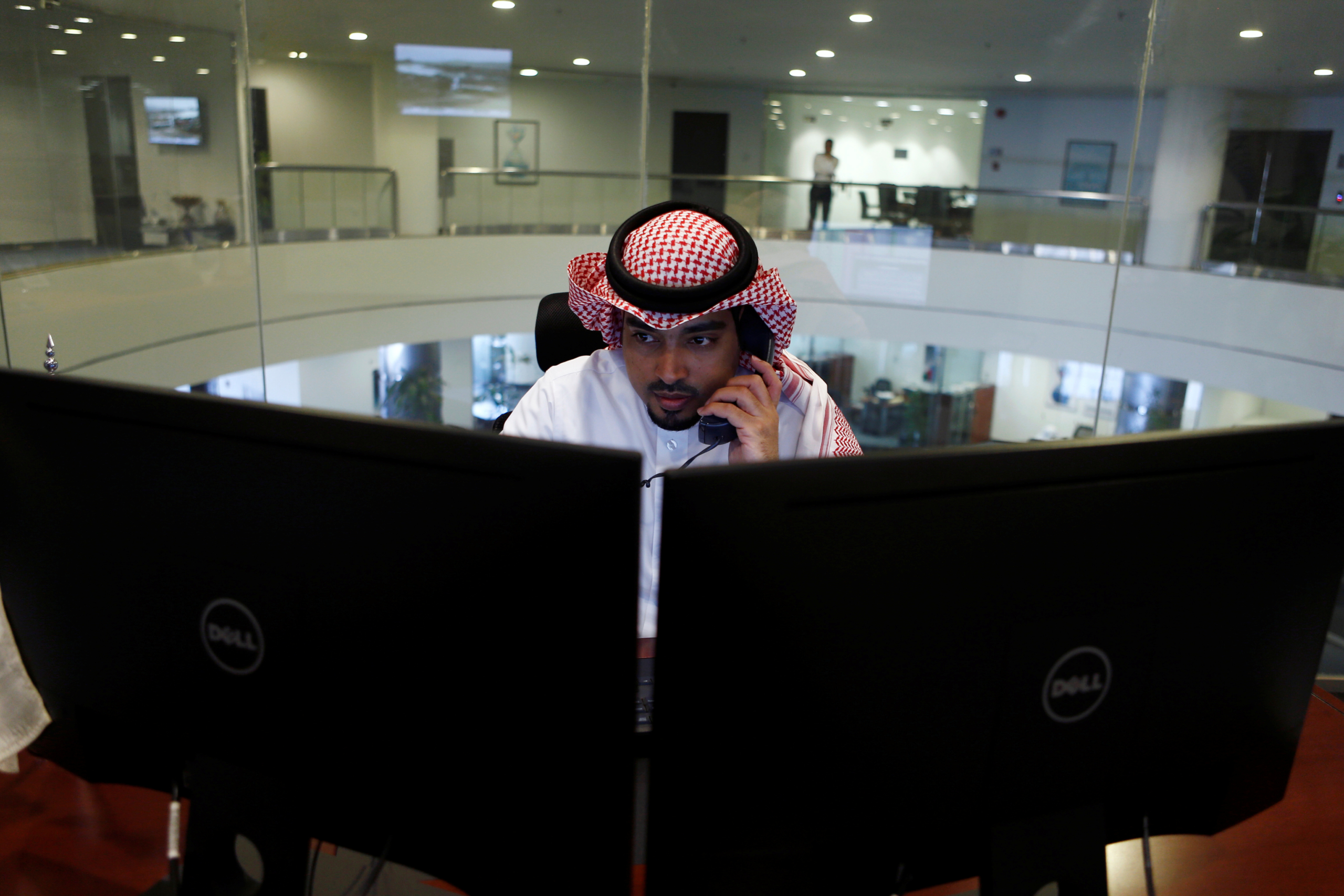
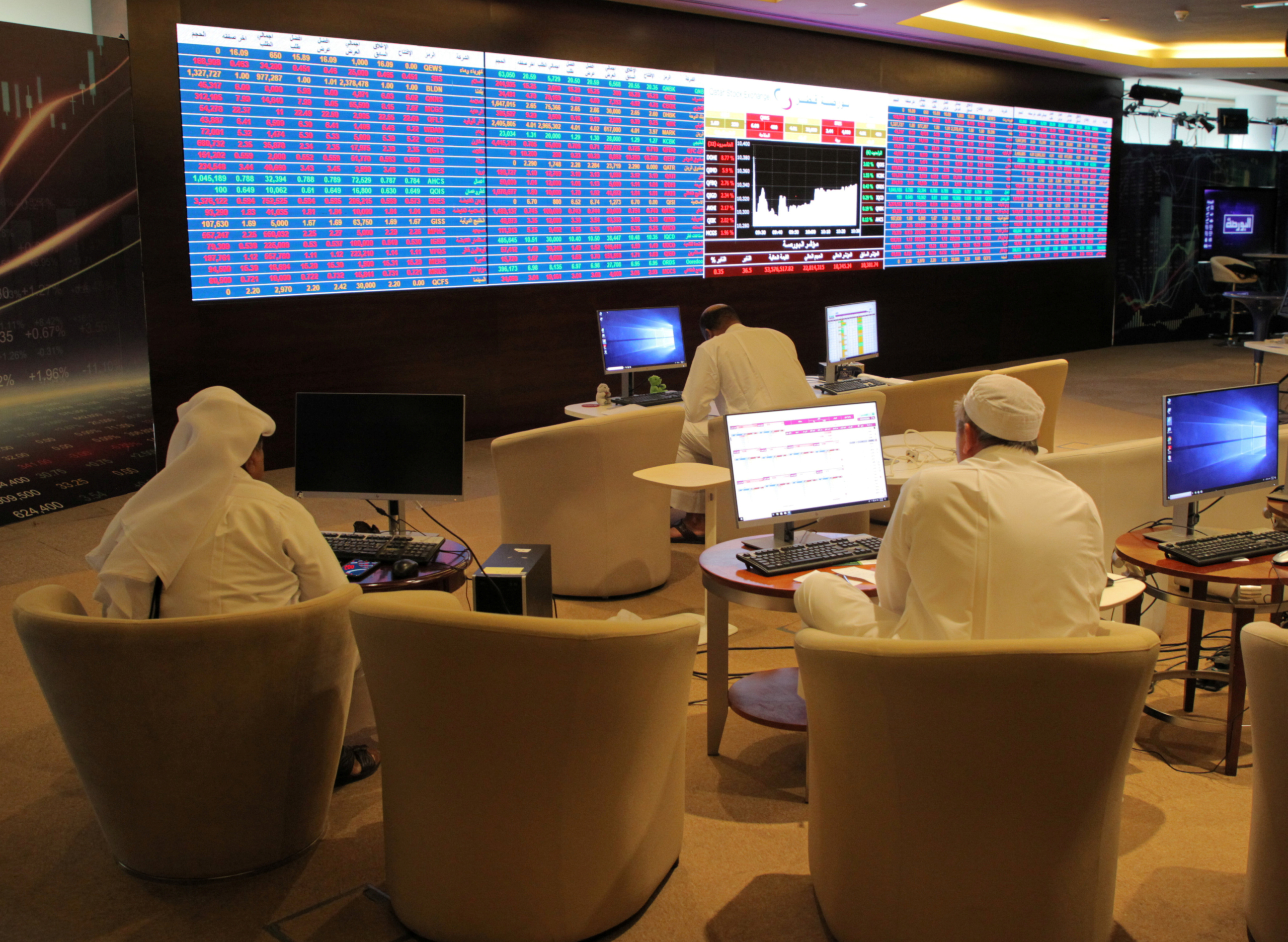
Most major stock markets in the Gulf rose in early trade on Wednesday in line with Asian shares as investors await clarity on U.S. President Donald Trump's trade policy ahead of looming tariffs.Trump's recent statements have given traders a glimmer of hope for flexibility in trade policies. On Monday, he hinted that not all tariffs would kick in on April 2 and that some countries might receive exemptions, although he didn't provide details.However, Trump also escalated his trade war by introducing 25% secondary tariffs on countries that buy oil or gas from Venezuela. This move initially drove oil prices up, but the impact was later mitigated by the relief sparked by the U.S.-brokered Black Sea maritime security deals in the Ukraine conflict.Saudi Arabia's benchmark index (.TASI) gained 0.7%, led by a 1.6% rise in Al Rajhi Bank (1120.SE) and a 0.8% increase in oil giant Saudi Aramco (2222.SE).Oil prices - a catalyst for the Gulf's financial markets - edged higher on supply concerns with the U.S. stepping up efforts to limit Venezuelan and Iranian oil exports, while a bigger-than-expected drop in U.S. crude inventories also lent support.The Qatari benchmark (.QSI) rose 0.4%, with the Gulf's biggest lender Qatar National Bank…

Australian inflation ticks lower in February, backs bets for more rate cuts

Australia's consumer inflation slowed in February, helped by a fall in electricity prices, while the continued easing in home building costs and rents supported the case for more rate cuts in the months ahead.Data from the Australian Bureau of Statistics on Wednesday showed the monthly consumer price index was flat in February from January. The annual pace, however, slowed to 2.4% from 2.5%, versus forecasts for no change.The trimmed mean measure - a gauge of core inflation - rose an annual 2.7% in February, slowing from 2.8% in January, but still staying around the level where it has been for the past three months."Today's inflation data shows more positive news on the inflation story in Australia," said My Bui, an economist at AMP.The trimmed mean measure is on track to rise 2.9% year-on-year in the first quarter, she said, meaning the core annual gauge will be back in the central bank's target band for the first time in three years.The Reserve Bank of Australia cut interest rates for the first time in over four years last month but said it was cautious about the prospects of further policy easing. It is closely watching the pulse of underlying inflation, which is…

Stocks gain, dollar drifts as traders ponder Trump tariff outlook

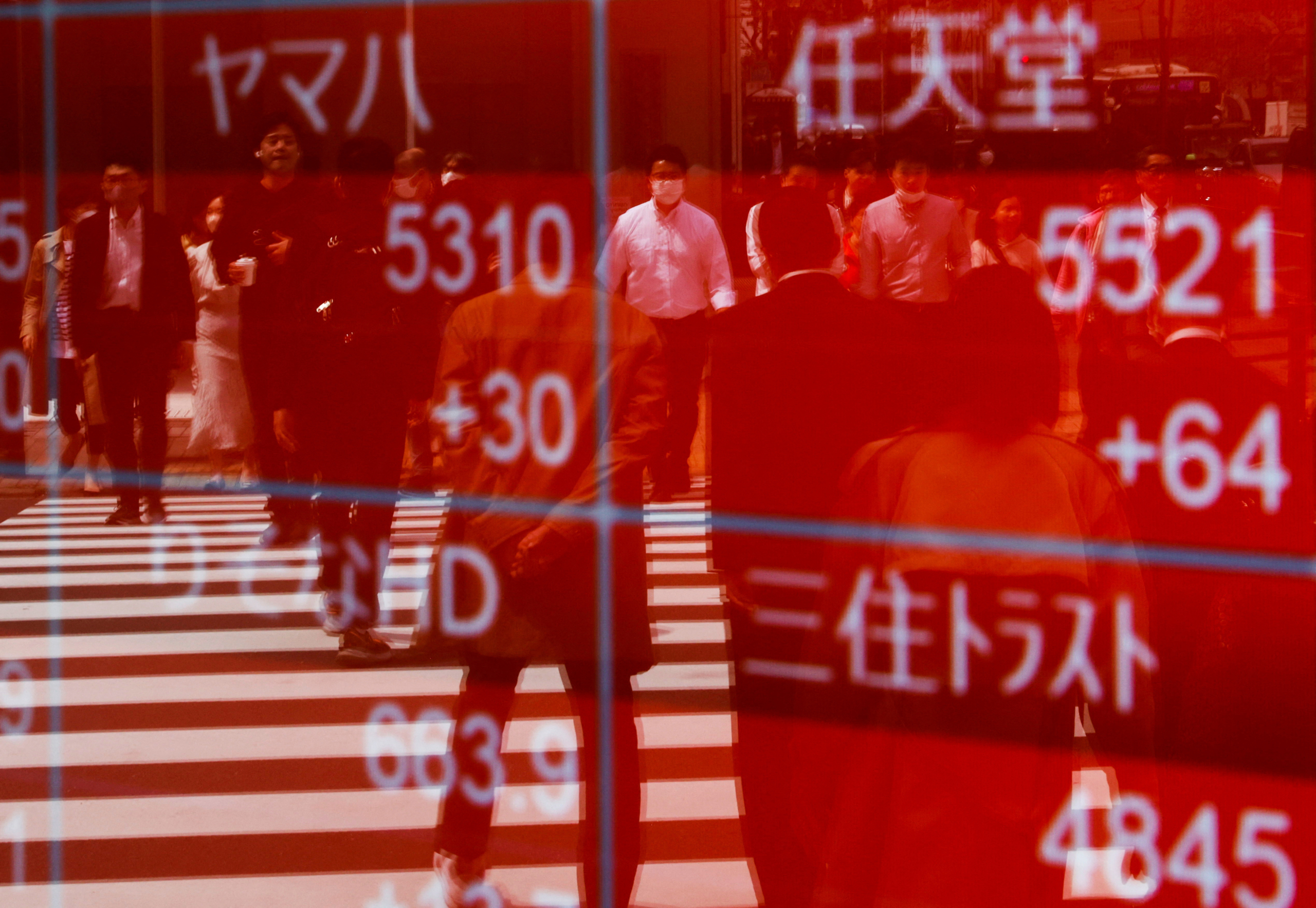
Asian stocks followed Wall Street higher on Wednesday and the U.S. dollar meandered as markets awaited clarity on President Donald Trump's trade policy ahead of a new round of tariffs next week.Traders received some hope on flexibility from the White House after Trump said on Monday that not all levies would come on the April 2 deadline, and some countries would get breaks, without providing further details.At the same time, Trump opened a new front in his trade war with a directive for 25% secondary tariffs on any country that buys oil or gas from Venezuela. That initially sent oil prices higher, but the impact was offset somewhat by relief from Black Sea maritime security deals struck by the U.S. in the war in Ukraine.Japan's Nikkei (.N225) advanced 0.35%, and South Korea's KOSPI (.KS11) rose 0.37%.Australian stocks (.AXJO) gained 0.76%, with softer-than-forecast consumer price data providing a bit of additional support. The Australian dollar eased 0.1% to $0.6298.Hong Kong's Hang Seng (.HSI) climbed 0.8%. Chinese blue chips (.CSI300) were flat.U.S. S&P 500 futures pointed 0.08% higher after the cash index (.SPX) eked out a 0.16% gain overnight."There's an elevated baseline anxiety in the markets still ahead of next week's trade…

TSX rises as potential US tariff exemptions keep spirits high

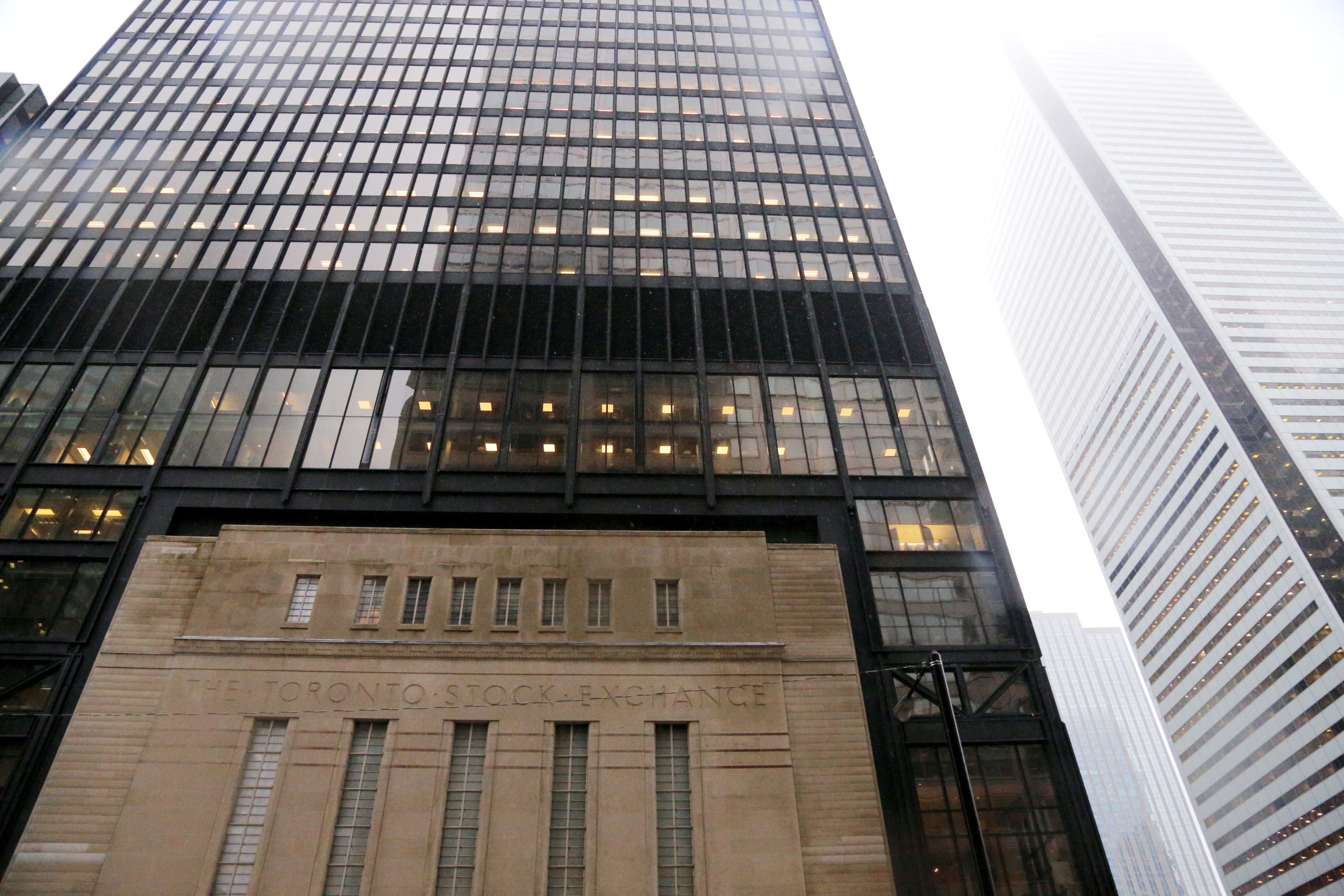
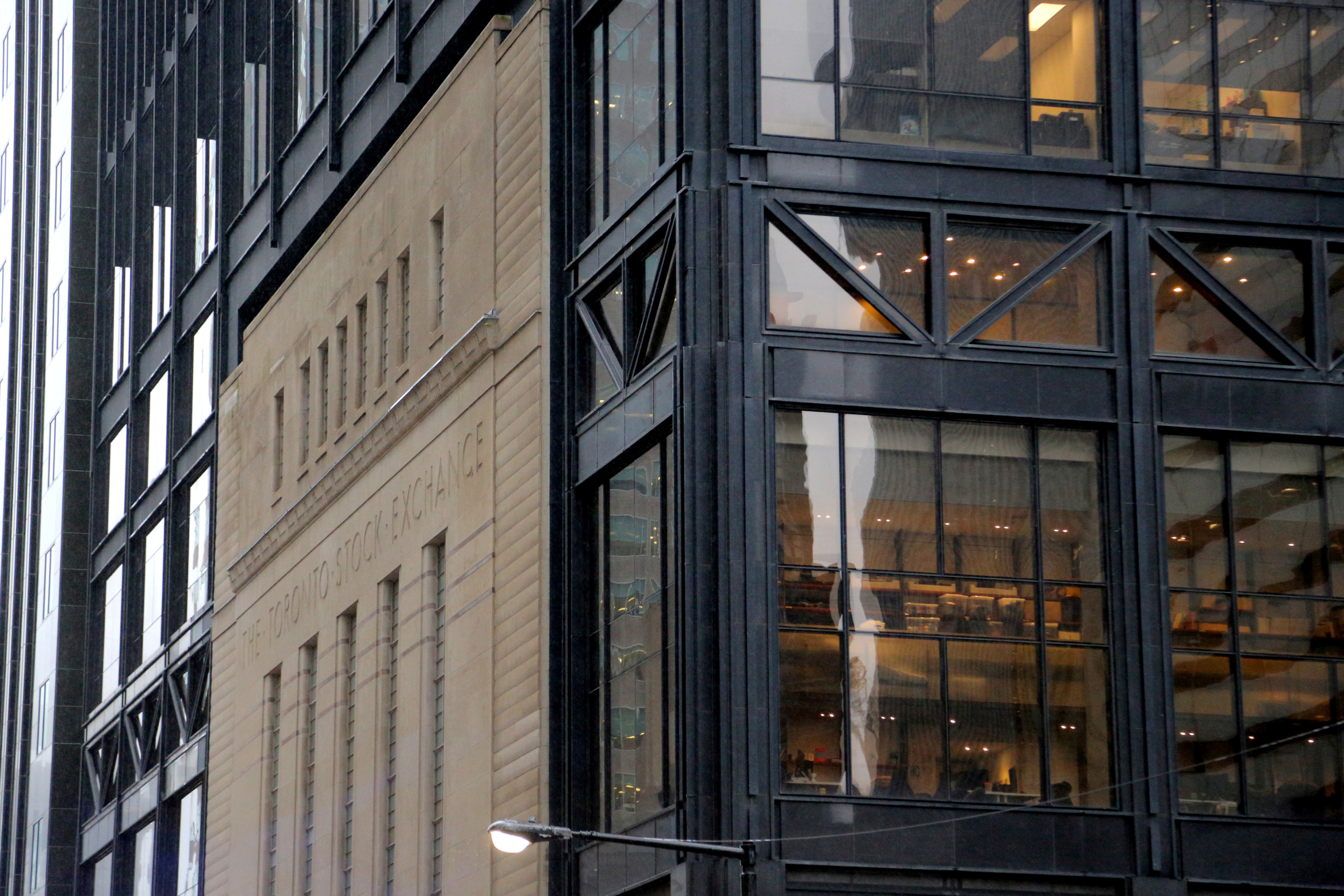
Canada's main stock index rose on Tuesday, building on the previous day's gains as optimism about narrower-than-feared tariffs kept investor hopes high.Toronto Stock Exchange's S&P/TSX composite index (.GSPTSE) was up 0.41% at 25,408.87 — near the three-week high reached in the previous session.U.S. President Donald Trump on Monday suggested that not all proposed levies would be enforced by April 2, with some countries potentially receiving exemptions."Yesterday everything went higher up based on what the market perceived as positive news out of the White House on tariffs," said Allan Small, senior investment advisor at Allan Small Financial Group with iA Private Wealth."I think today is just a little bit carried forward from the previous session".On TSX, the materials (.GSPTTMT) and energy (.SPTTEN) led the sectoral gains, rising 1.4% and 0.6%, respectively.Gold prices rose on demand for safe-haven amid uncertainty over Trump's tariff plans for next week that could potentially boost inflation.Copper prices also gained as traders kept up speculative buying based on expected tariffs.Meanwhile, oil prices rose for the fifth consecutive day on expectations that global supply may tighten after the U.S. announced tariffs on countries buying Venezuelan crude.South of the border, a conference board report showed that an index tracking…

Asian stocks rise on easing tariff worries; dollar perks up

Asian stocks rose on Tuesday, taking cues from the Wall Street, as the prospect of narrower-than-feared U.S. tariffs boosted risk appetite, while the dollar hovered near three-week highs after upbeat economic data provided some comfort.Investors have been focused on the impending reciprocal tariffs promised by U.S. President Donald Trump and its impact on the global economy as trade war fears grip markets.Trump said on Monday automobile tariffs are coming soon even as he indicated that not all of his threatened levies would be imposed on April 2 and some countries may get breaks.That was enough for investors to send U.S. stocks higher. The S&P 500 (.SPX) closed at its highest in over two weeks, while a rally in tech stocks led Nasdaq (.IXIC) up over 2%.Asian stock bourses joined in on Tuesday morning, with Japan's Nikkei (.N225) and stocks in Taiwan (.TWII) rising over 1%. European futures also pointed higher in early Asian hours."It seems we are getting a better picture for what these trade measures might be and if nothing else that's bringing a little more certainty to the markets," said Kyle Rodda, senior financial markets analyst at Capital.com.Chinese stocks were a lot more subdued. Hong Kong's Hang Seng…

Gulf markets end mixed, investors fret about US tariffs, geopolitics

Gulf markets were mixed on Monday with uncertainty about U.S. President Donald Trump's next tariff move and heightened regional geopolitical tensions affecting some stocks.Trump's reciprocal tariffs, due to take effect on April 2, are expected to fuel inflation and stunt economic growth. However, Trump suggested on Friday that there may be some flexibility regarding tariffs, potentially softening their impact.Saudi Arabia's benchmark index (.TASI) gained 0.7%, with Al Rajhi Bank (1120.SE) rising 1.4% and Saudi Telecom Company (7010.SE) increasing 1.6%.Elsewhere, Umm Al Qura for Development and Construction (4325.SE) surged 30% - the maximum daily limit allowed for newly-listed stocks during their first three days of trading - to 19.5 riyals in its debut trading."The introduction of Umm Al Qura added further positive sentiment to the market," said Hassan Fawaz, chairman & founder of GivTrade. "However, for a sustainable reversal, the market will need reduced geopolitical tensions, less pressure from external factors, and a recovery in oil prices."Dubai's main share index (.DFMGI) added 0.3%, with toll operator Salik Co (SALIK.DU) closing 2.6% higher.Meanwhile, escalating geopolitical concerns led investors to exercise caution and retreat from riskier investments.An Israeli airstrike at a hospital in Gaza on Sunday killed five people, including a Hamas political…

Trump’s fees on Chinese ships will hurt US companies, maritime executives to tell hearing

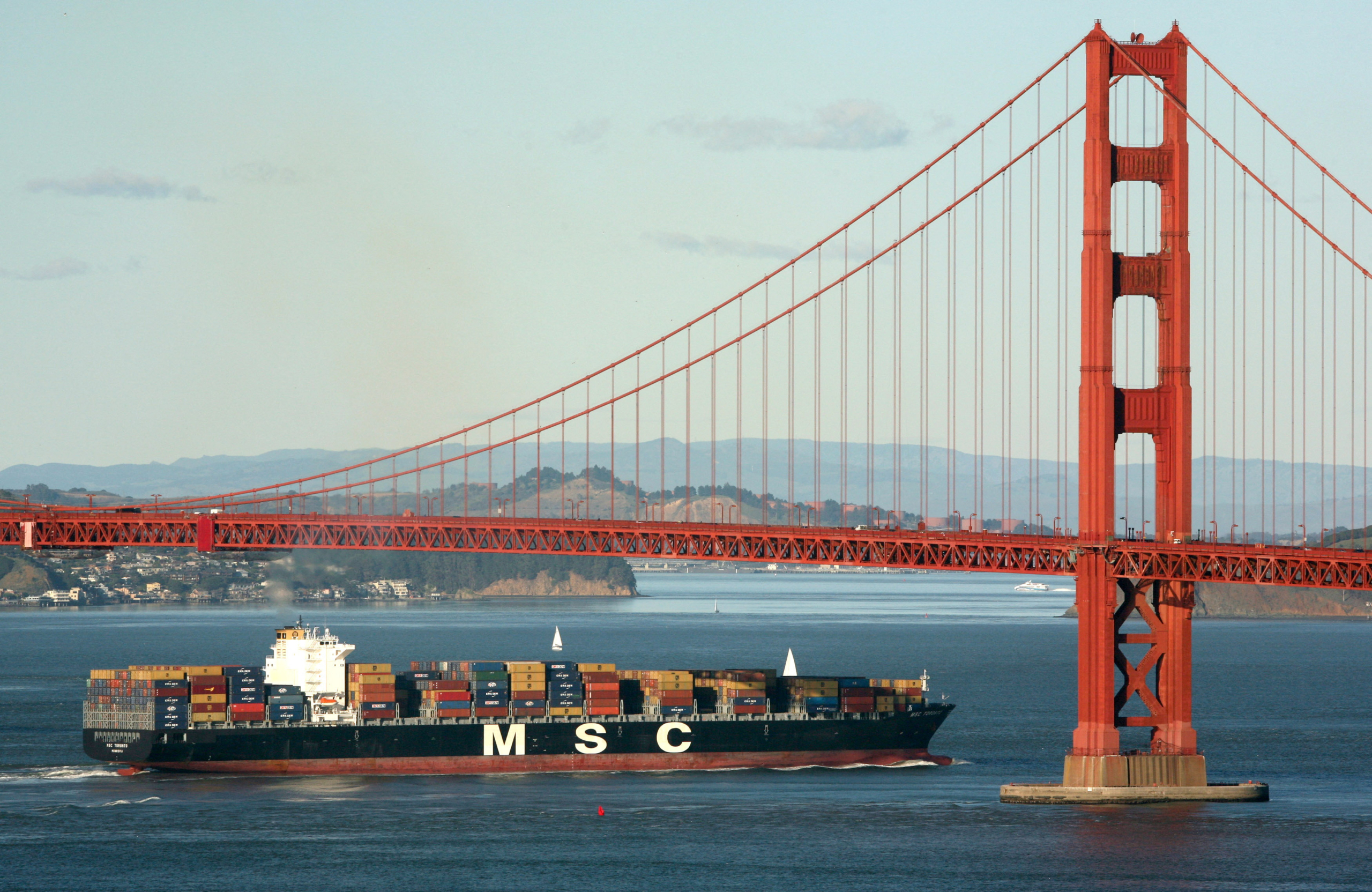
President Donald Trump's plan to revitalize the U.S. shipbuilding industry is likely to backfire because it relies on proposed fees on China-linked vessels that will hurt domestic ship operators and ports, industry executives will tell the U.S. Trade Representative at hearings this week.In particular, they will say the plan would hurt U.S. ship operators by strictly limiting the vessels they would need to use to avoid the fees, and by concentrating ship traffic at America's biggest ports while leaving the smaller ones neglected."Any proposal to support U.S. shipbuilding should also support existing U.S.-owned carriers (not harm them)," Edward Gonzalez, CEO of Florida-based Seaboard Marine wrote in comments ahead of his expected testimony on Monday.At issue is a proposed charge of up to $1.5 million for Chinese-built or Chinese-flagged vessels docking at U.S. ports. The Trump administration says that and other contemplated fees would curb China's growing commercial and military dominance on the high seas and promote domestically-built vessels.In the short-term at least, the plan is a huge problem for U.S. operators like Seaboard, the largest U.S.-owned international cargo carrier, which has 16 China-built ships in its fleet of 24 vessels, according to maritime data provider Alphaliner. Like many U.S. operators,…

TSX futures rise on reports of moderate US approach to tariffs

Futures tied to Canada's main stock index rose on Monday, mirroring gains of its Wall Street peers after media reports said the approach of the U.S. to fresh tariffs is likely to be more moderate than thought.The futures on the S&P/TSX index were up 0.7% at 6.45 ET (1045 GMT).U.S. President Donald Trump's administration is likely to exclude a set of sector-specific tariffs while applying reciprocal levies on April 2, according to media reports over the weekend that helped sentiment in early trading.Back home, new Canadian Prime Minister Mark Carney called a snap election for April 28 on Sunday, saying he needed a strong mandate to deal with the threat posed by Trump.After meeting provincial and territorial leaders on Friday, Carney said that Canada could offset the effects of any U.S. tariffs by removing internal trade barriers. He said he aimed for free trade within the country by July 1.This week's economic calendar features domestic January GDP figures and the Federal Reserve's preferred inflation reading, though markets will likely be driven by updates on Trump's global reciprocal tariff plans set for April 2.In commodities, oil prices rose as investors weighed the impact of fresh U.S. sanctions on Iranian exports against…

Turkey stocks stage cautious rally after last week’s plunge, Istanbul mayor arrest

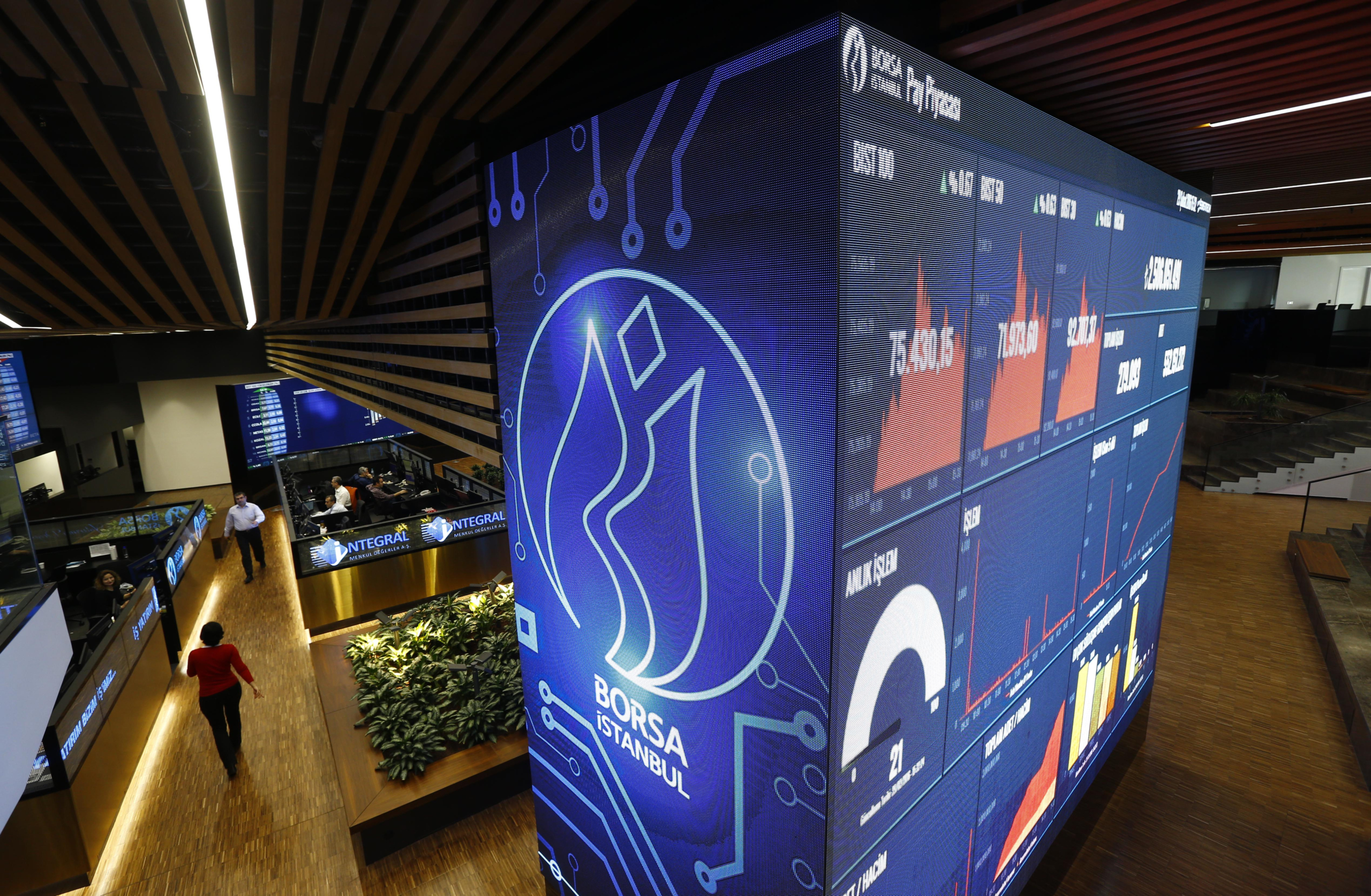
Turkish stocks rose 3.1% on Monday to claw back some of the previous week's hefty losses, with the capital markets board banning short selling and tensions in the country rising after a court jailed Istanbul Mayor Ekrem Imamoglu pending a trial.The Borsa Istanbul benchmark index (.XU100) ended last week down 16.6%, its worst drop since the global financial crisis in October 2008. The banking sub-index (.XBANK) was 3.23% higher by 0856 GMT after falling more than 26% last week.A Turkish court on Sunday jailed Istanbul Mayor Ekrem Imamoglu, President Tayyip Erdogan's main political rival, pending trial on corruption charges in a move that sparked the country's biggest protests in more than a decade.Imamoglu's detention last Wednesday roiled markets, sending the lira, stocks and bonds sharply lower, and prompted an outcry from the main opposition party, European leaders and hundreds of thousands of protesters, who criticise the actions against him as politicised and undemocratic.Analysts expect a prolonged period of political turmoil and uncertainty."The protests mark the most significant and widespread public reaction in over a decade, making the trajectory of events difficult to predict," said Wolfango Piccoli at Teneo."Once again, President Erdogan's political agenda has inflicted serious damage on Turkey's economic…