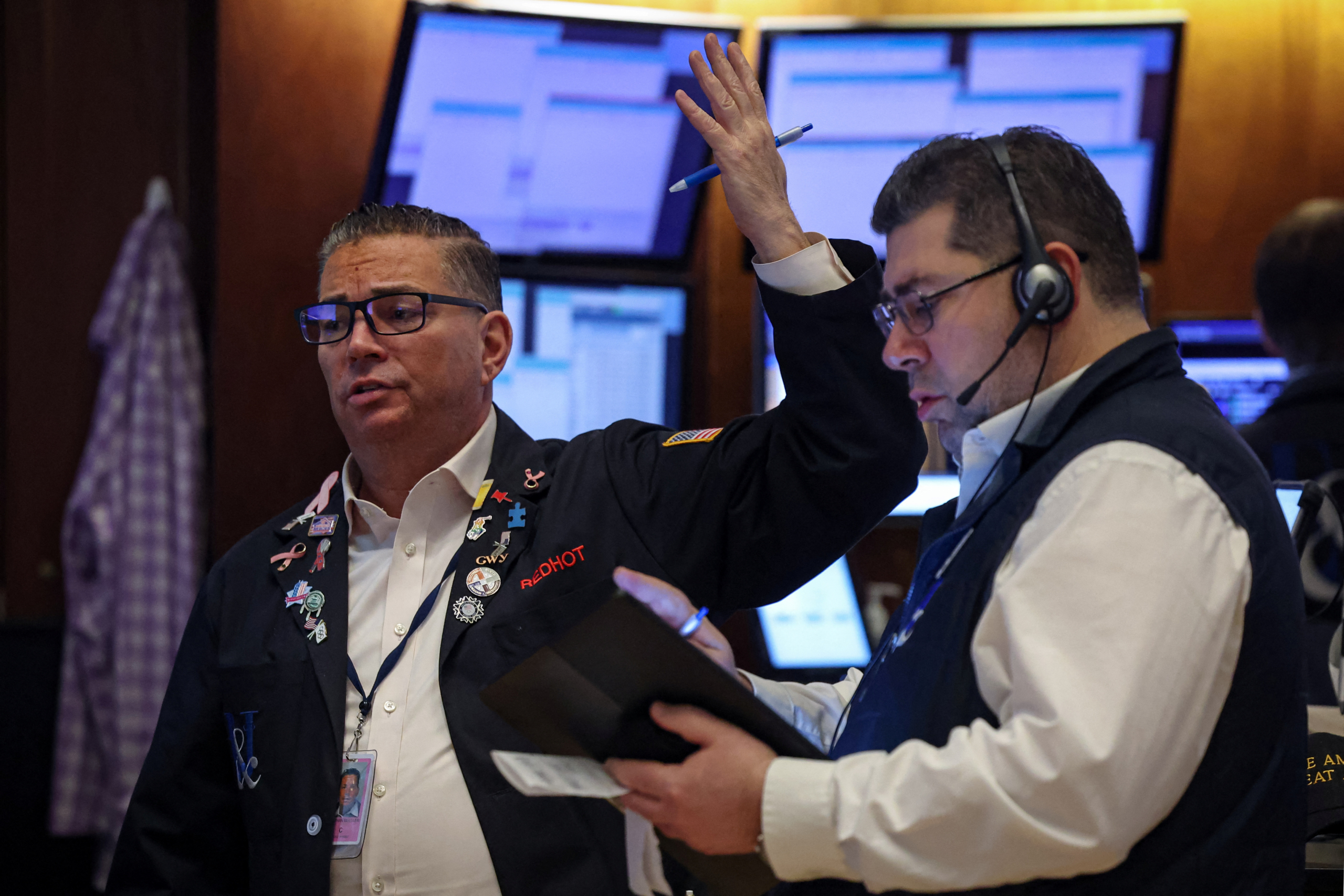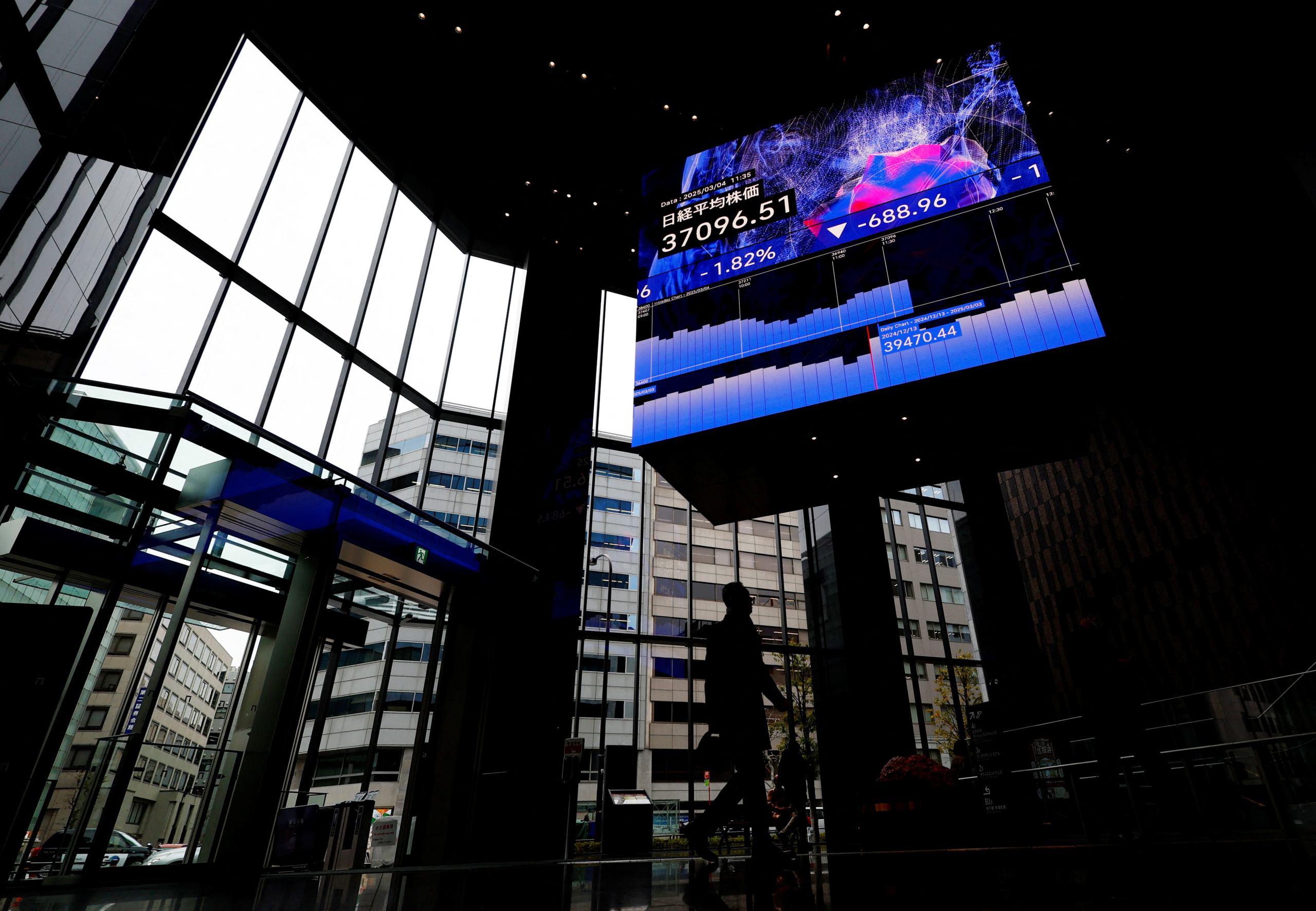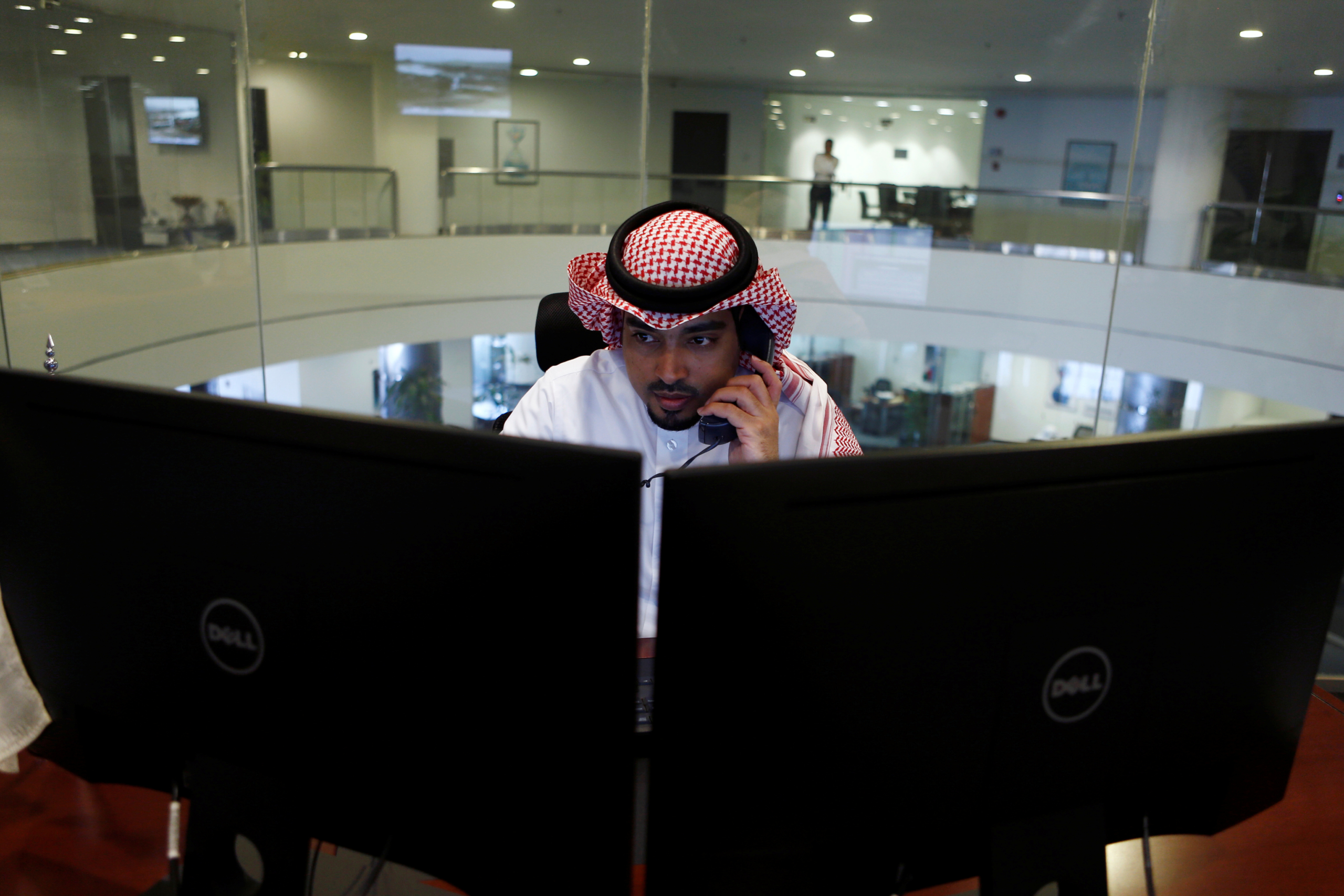
Major Gulf markets gain ahead of US tariff deadline

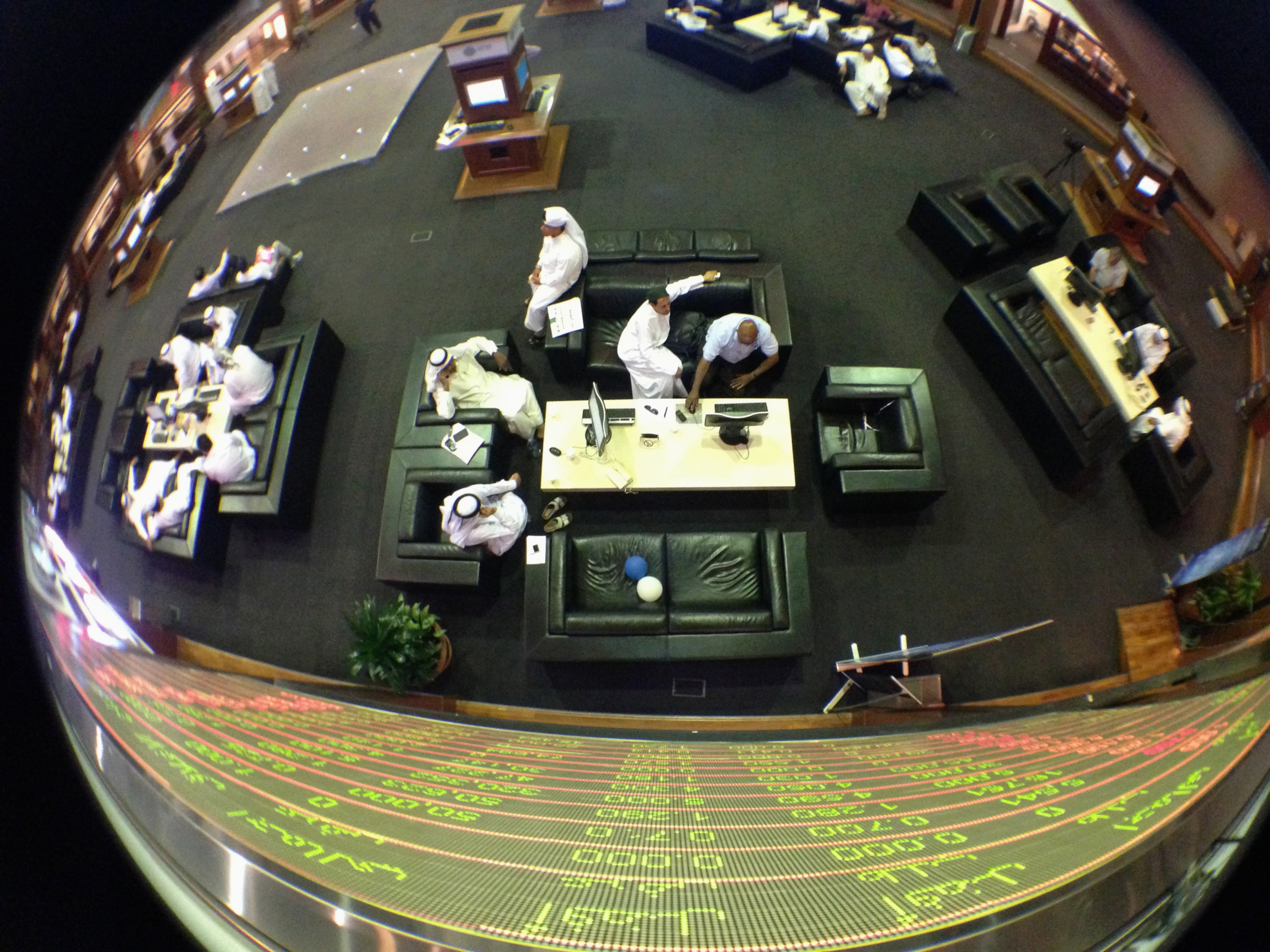
Major stock markets in the Gulf nudged higher early on Monday as investors awaited clarity on U.S. President Donald Trump's next tariff move amid heightened regional geopolitical tensions.Trump's reciprocal tariffs, due to take effect on April 2, are expected to fuel inflation and stunt economic growth. However, Trump suggested on Friday that there may be some flexibility regarding tariffs, potentially softening their impact.Saudi Arabia's benchmark index (.TASI) added 0.1%, helped by a 1.3% rise in Saudi Arabian Mining Company (1211.SE).Elsewhere, Umm Al Qura for Development and Construction (4325.SE) surged 30% - the maximum daily limit allowed for newly-listed stocks during their first three days of trading - to 19.5 riyals in its debut trading.Dubai's main share index (.DFMGI) was up 0.1%, with toll operator Salik (SALIK.DU) rising 1% and utility firm Dubai Electricity and Water Authority (DEWAA.DU) gaining 2.6%.Meanwhile, escalating geopolitical concerns led investors to exercise caution and retreat from riskier investments.An Israeli airstrike at a hospital in Gaza on Sunday killed five people, including a Hamas political leader, Palestinian medics and Hamas said, in an attack Israel had targeted a key figure in the militant group.After two months of relative calm in the war, Gazans have again been fleeing…
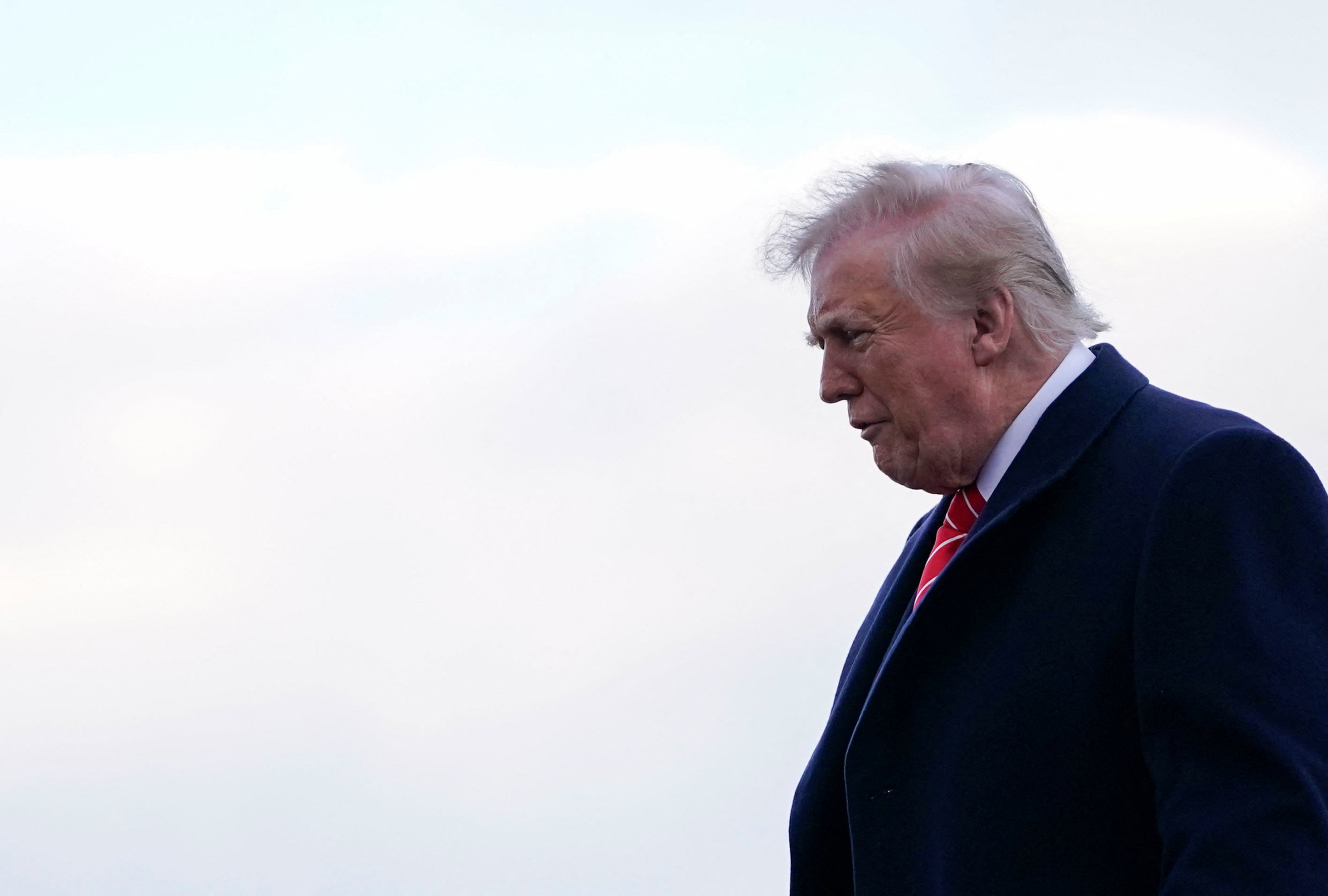
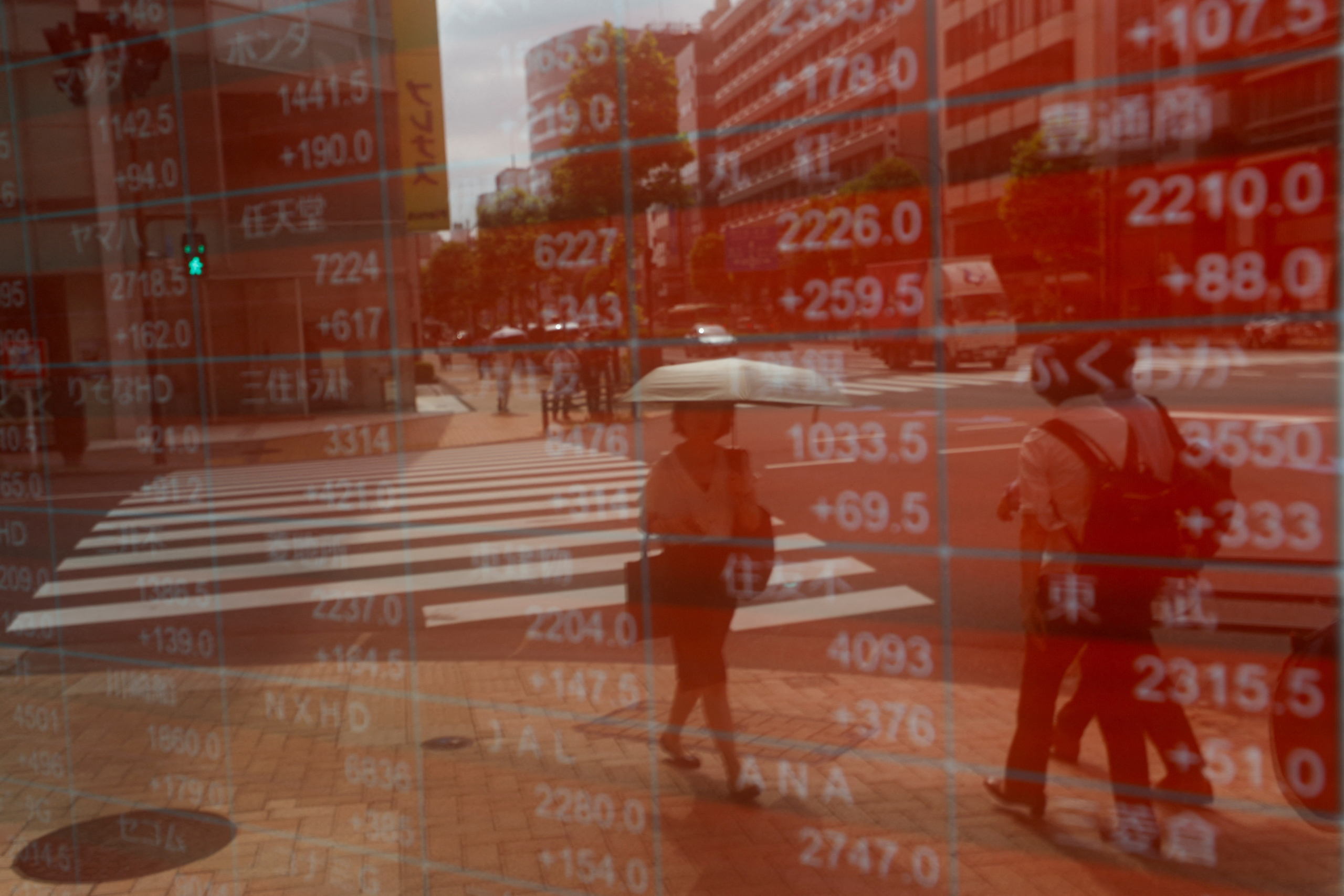
US planning to exclude sector-specific tariffs on April 2, Bloomberg News, WSJ report

U.S. President Donald Trump's administration is likely to exclude a set of sector-specific tariffs while applying reciprocal levies on April 2, Bloomberg News and the Wall Street Journal reported, citing officials.Trump said in February that he intended to impose auto tariffs "in the neighborhood of 25%" and similar duties on semiconductors and pharmaceutical imports, but he later agreed to delay some auto tariffs after a push by the three largest U.S. automakers for a waiver.Sector-specific tariffs are now not likely to be announced on April 2, the Wall Street Journal reported on Sunday, citing an administration official.The official added that the White House was still planning to unveil reciprocal tariff measures on that day, although planning remains fluid.Bloomberg News reported on Saturday that sector-specific tariffs would be excluded.Trump still intends new reciprocal tariff rates to take effect on April 2, the White House said last week, despite earlier comments from Treasury Secretary Scott Bessent that indicated a possible delay.The White House did not respond to a request for comment outside regular business hours.Source: Reuters.com

Futures buoyant, dollar drifts as markets sail toward tariff storm

Financial markets made an mixed start on Monday with U.S. stock futures rising but the dollar wavering ahead of a week driven by data, Chinese earnings and the threat of steep U.S. tariff hikes on the horizon.S&P 500 futures were up about 0.6% in the Asia morning and Nasdaq 100 futures rose 0.8%. Japan's Nikkei (.N225) and Hong Kong's Hang Seng (.HSI) climbed about 0.2%The euro , which fell slightly last week, was up about 0.2% at $1.0835 in early trade. In emerging markets, Turkey's lira was on a knife's edge as the jailing of President Tayyip Erdogan's main rival unsettles investors.Shares in Australia-listed fibre-cement maker James Hardie (JHX.AX) fell 12% after it said it would buy U.S. outdoor building products maker AZEK Company (AZEK.N) for $8.8 billion in cash and stock.The week holds global purchasing managers index gauges, the U.S. Federal Reserve's preferred inflation reading, inflation data in Australia and Japan, a budget update in Britain and major earnings in China.But it is likely to be updates on U.S. President Donald Trump's plans to for global reciprocal tariffs from April 2 that drives markets, and after a volatile month for stocks, bonds and currencies, analysts said there is no…

Investor caution sends most Gulf markets lower

Most Gulf stock markets were subdued on Sunday as escalating geopolitical concerns and worries over U.S. tariffs and their potential impact on the global economy led investors to exercise caution and retreat from riskier investments.Saudi Arabia's benchmark index (.TASI) fell 0.6%, with Al Rajhi Bank (1120.SE) and the country's biggest lender, Saudi National Bank (1180.SE), each losing 1.6%.Oil giant Saudi Aramco (2222.SE) rose 0.4%.Aramco has agreed to buy fuel distributor Primax, which has operations in Peru, Colombia and Ecuador, Peruvian newspaper Gestion reported late on Thursday, citing sources familiar with the deal.In Qatar, the index (.QSI) retreated by 0.7%, with Commercial Bank (COMB.QA) down 7.1% as it traded ex-dividend.Outside the Gulf, Egypt's blue-chip index (.EGX30) gained 0.8%, with most of its constituents in positive territory, including a 3.7% gain for Commercial International Bank (COMI.CA).Source: Reuters.com

Exclusive: Some European officials weigh if they can rely on Fed for dollars under Trump

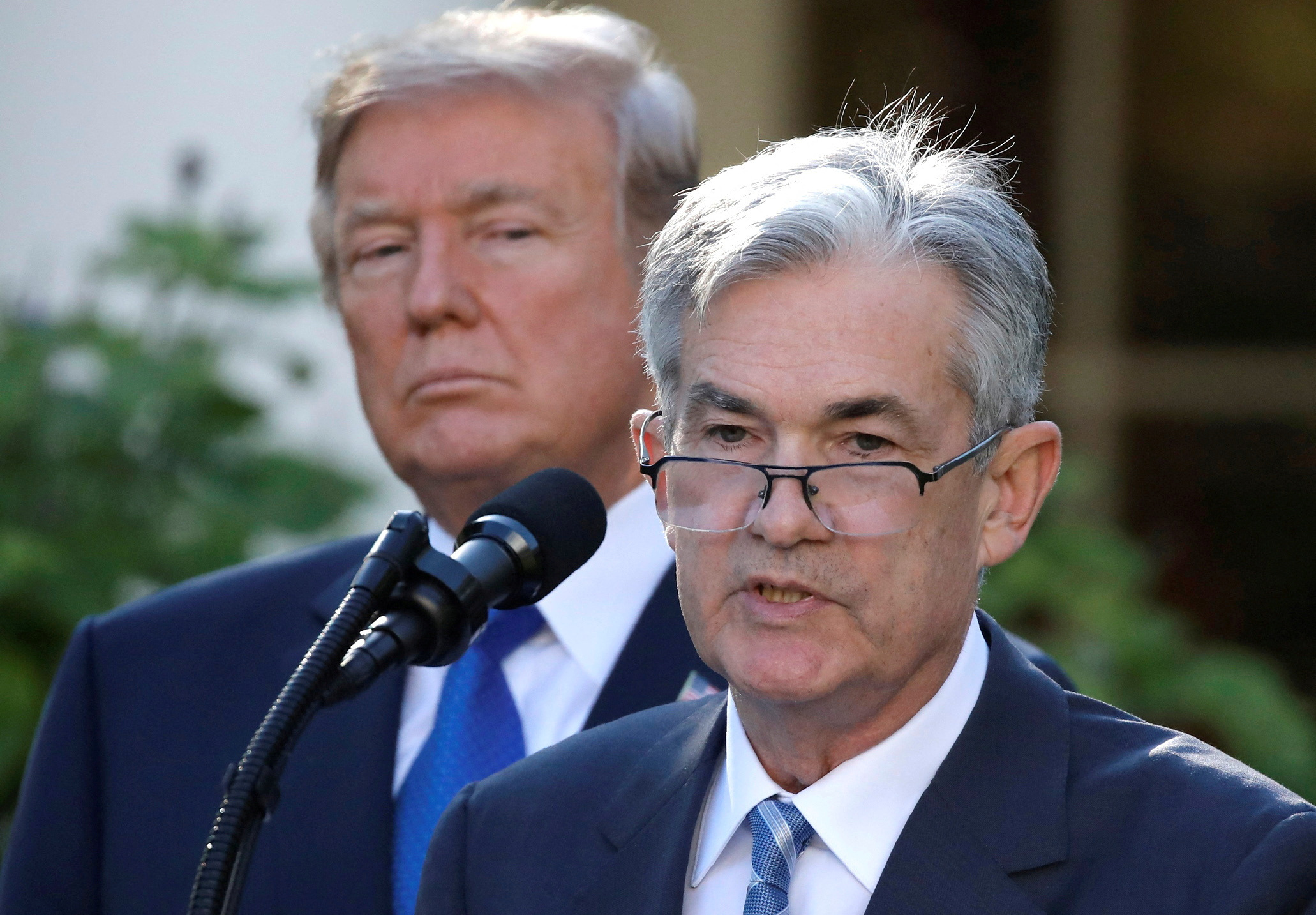
Some European central banking and supervisory officials are questioning whether they can still rely on the U.S. Federal Reserve to provide dollar funding in times of market stress, six people familiar with the matter said, casting some doubt over what has been a bedrock of financial stability.The sources told Reuters they consider it highly unlikely the Fed would not honour its funding backstops — and the U.S. central bank itself has given no signals to suggest that.But the European officials have held informal discussions about this possibility - which Reuters is reporting for the first time - because their trust in the United States government has been shaken by some of the Trump administration's policies.President Donald Trump has made a sharp break from long-standing U.S. policy in several areas, such as appearing to endorse Russia's position on Ukraine, raising questions about U.S. commitment to European security and imposing tariffs on its allies.In some European forums where participants assess potential risks to the financial system, these officials have discussed scenarios under which the U.S. government might pressure the Fed to suspend the dollar backstops, two of the sources said.Some officials have been gaming out whether they can find alternatives to the…

Canada’s January retail sales shrink by 0.6%, February sales likely to fall 0.4%

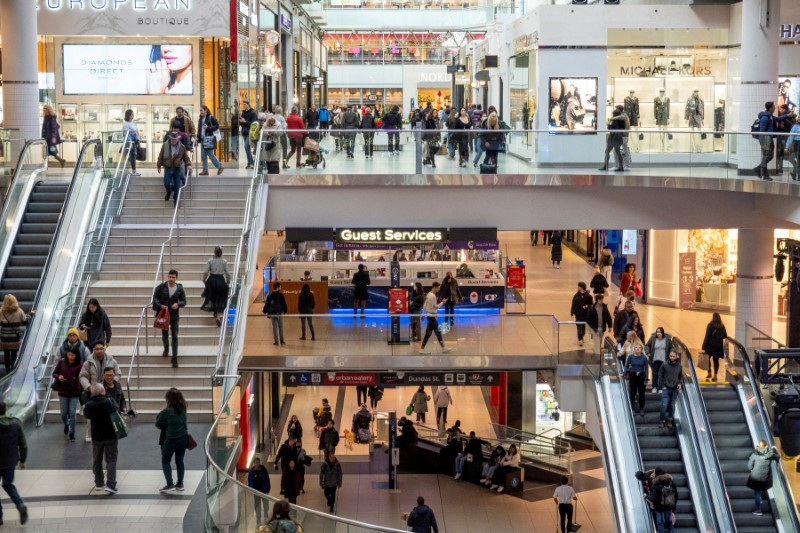
Canada's retail sales shrank faster than anticipated in January as car purchases and supermarket and grocery sales all fell, data showed on Friday.Sales dropped 0.6% on a monthly basis to C$69.4 billion ($48.31 billion), after rising by an upwardly revised 2.6% in December, Statistics Canada said. In volume terms, sales were down 1.1%, a decline last seen two years ago.The drop in sales is mostly due to normalization of consumer spending after the December holiday season, when sales are usually high. December's purchases were also bumped up by a sales tax break that ended in mid-February, economists noted.Analysts polled by Reuters had forecast retail sales to drop by 0.4% month-on-month.Excluding automotive parts and dealers, sales were predicted to fall by 0.2%, although the data showed that in fact they rose 0.2%.Retail sales are considered an early indicator of gross domestic product growth and contribute almost 40% to total consumer spending, which was partly responsible for keeping Canada's economy growing in the third and fourth quarters of 2024.However, as Canadian businesses and consumers deal with a wave of tariffs from U.S. President Donald Trump's administration, the Bank of Canada has predicted that consumer spending will drop and GDP will be hit.The…

TSX futures fall on tariff jitters ahead of retail sales data

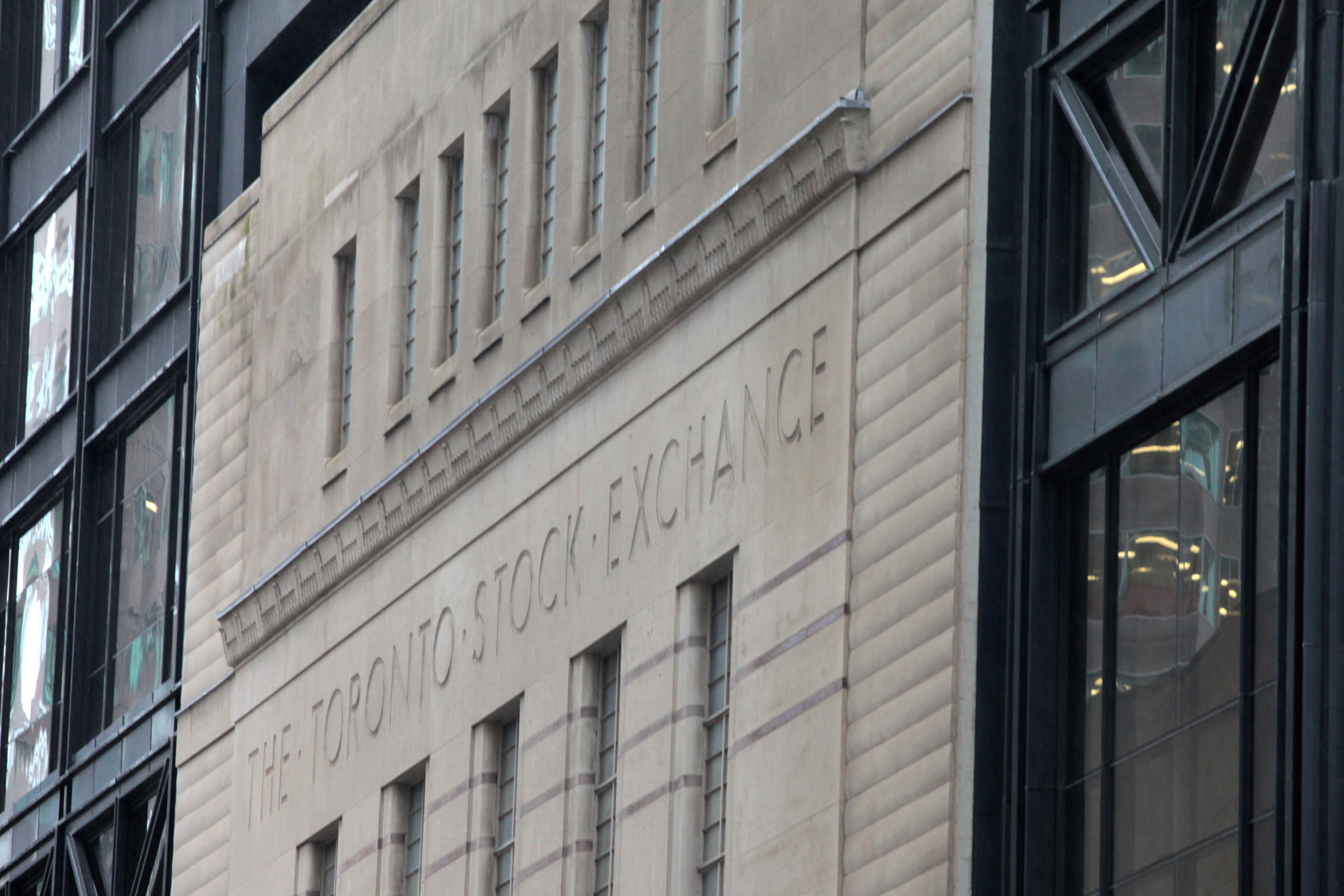
Futures tied to Canada's main stock index fell on Friday, mirroring losses in its Wall Street peers amid tariff concerns, while investors awaited domestic retail sales data.The futures on the S&P/TSX index were down 0.26% at 0642 ET (1042 GMT), while Wall Street's S&P 500 E-minis fell 0.3%.Toronto's main stock index (.GSPTSE) ended marginally lower on Thursday after its biggest rise in over seven months the previous day, as investors weighed economic uncertainty and focused on the upcoming snap election.The Bank of Canada Governor Tiff Macklem said on Thursday that due to uncertainty about U.S. tariffs, the bank had to adjust its monetary policy to become less forward-looking than normal.The central bank is due to issue its quarterly monetary policy report on April 16, in which it will predict growth in the quarters and years ahead.On Friday, focus will be on retail sales data, scheduled to be released at 08:30 a.m. ET. January retail sales are expected to fall 0.4%, as per economists polled by Reuters.In commodities, oil prices fell, but were on track for a second consecutive weekly gain due to new U.S. sanctions on Iran and OPEC+'s latest production plan, which raised expectations of a tighter supply.Gold prices…

Canada January retail sales fall 0.6%; seen down 0.4% in February

March 21 (Reuters) - Canadian retail sales fell by 0.6% in January from December at C$69.36 billion ($48.42 billion), as lower sales at motor vehicle and parts dealers were not offset by higher sales at gasoline and fuel vendors, Statistics Canada said on Friday. Sales likely declined 0.4% in February, the agency said in a flash estimate.In January, sales were down in three of nine subsectors, representing 51.9% of retail trade. In volume terms, retail sales dropped by 1.1%.(Percent changes) Jan Jan Dec(rev) Dec(prev)mo/mo yr/yr mo/mo mo/moTotal -0.6 +4.2 +2.6 +2.5Excluding autos/parts +0.2 +2.8 +2.9 +2.7NOTE: All figures are seasonally adjusted. Analysts surveyed by Reuters forecast January sales would decrease by 0.4%, and be down 0.2% excluding autos and parts.($1=$1.4324 Canadian)(Reporting by Dale Smith)Keywords: CANADA ECONOMY/RETAILSource: Reuters.com

Global equity funds see a weekly selloff on tariff woes, economic uncertainties

Investors pulled heavily out of global equity funds during the week through March 19 on lingering worries over the potential impact of U.S. President Donald Trump's aggressive trade policies on global economy.They offloaded a net $29.7 billion worth of global equity funds during the week, the most for a week since December 18, data from LSEG Lipper showed.U.S. equity funds faced the largest weekly selloff in three months to the tune of $33.53 billion.Also, investors divested a net $1.11 billion worth of European funds but it was still less than the $5.35 billion net sales in the previous week, which underscored some optimism as the German parliament approved a debt reform package to boost Europe's biggest economy.On the other hand, investors accumulated about $3.5 billion worth of Asian funds for a 14th straight week of net buying.Outflows from sectoral equity funds, however, cooled to a three-week low of $178.7 million as industrials, and gold and precious metals funds drew $1.02 billion and $485 million, respectively, in inflows, despite the net selling in a majority of sectors.Demand for debt funds, meanwhile, eased to a 11-week low during the week, with investors allocating just $357.92 million to global bond funds.Global government bond…

Asian stocks slide as growth, tariff worries grip markets

Asian stocks fell on Friday in a downbeat end to the week as deepening geopolitical worries and fears over U.S. tariffs and their impact on the global economy curbed investors appetite for risk, keeping safe-haven gold near record highs.The sombre mood looked set to continue in Europe. Pan-European STOXX 50 futures and Germany's DAX futures fell 0.5%, while futures for the S&P 500 and Nasdaq inched lower.Policymakers across the globe struck a cautious note in a week filled with central bank meetings as uncertainty in global economics and politics grew. The U.S. Federal Reserve, the Bank Of Japan and the Bank of England all held rates steady.Central bankers highlighted the unsettled outlook due largely to rising trade tensions triggered by the U.S under President Donald Trump. Trump intends to impose new reciprocal tariff rates on April 2, ushering in fresh wave of uncertainty.Reports of Israeli airstrikes on Gaza and a huge blast from a Ukrainian drone attack on a Russian military airfield were a reminder of rising geopolitical tensions pushing investors towards safe haven assets."With the bar for near-term rate cuts still high, markets have shifted focus back to growth concerns and tariff risks which will continue to fuel volatility,"…