Major Gulf markets subdued on Trump’s tariff threats

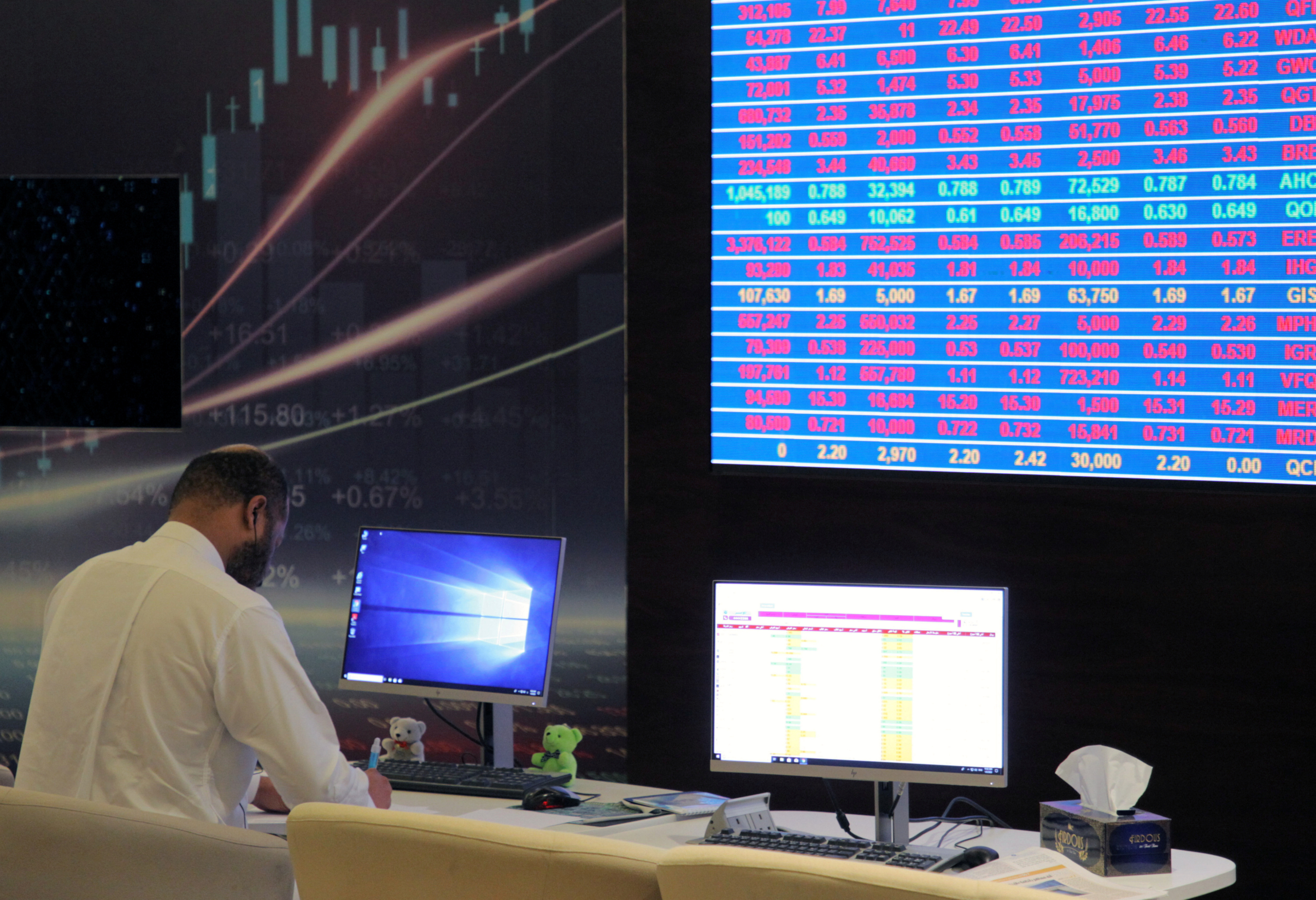
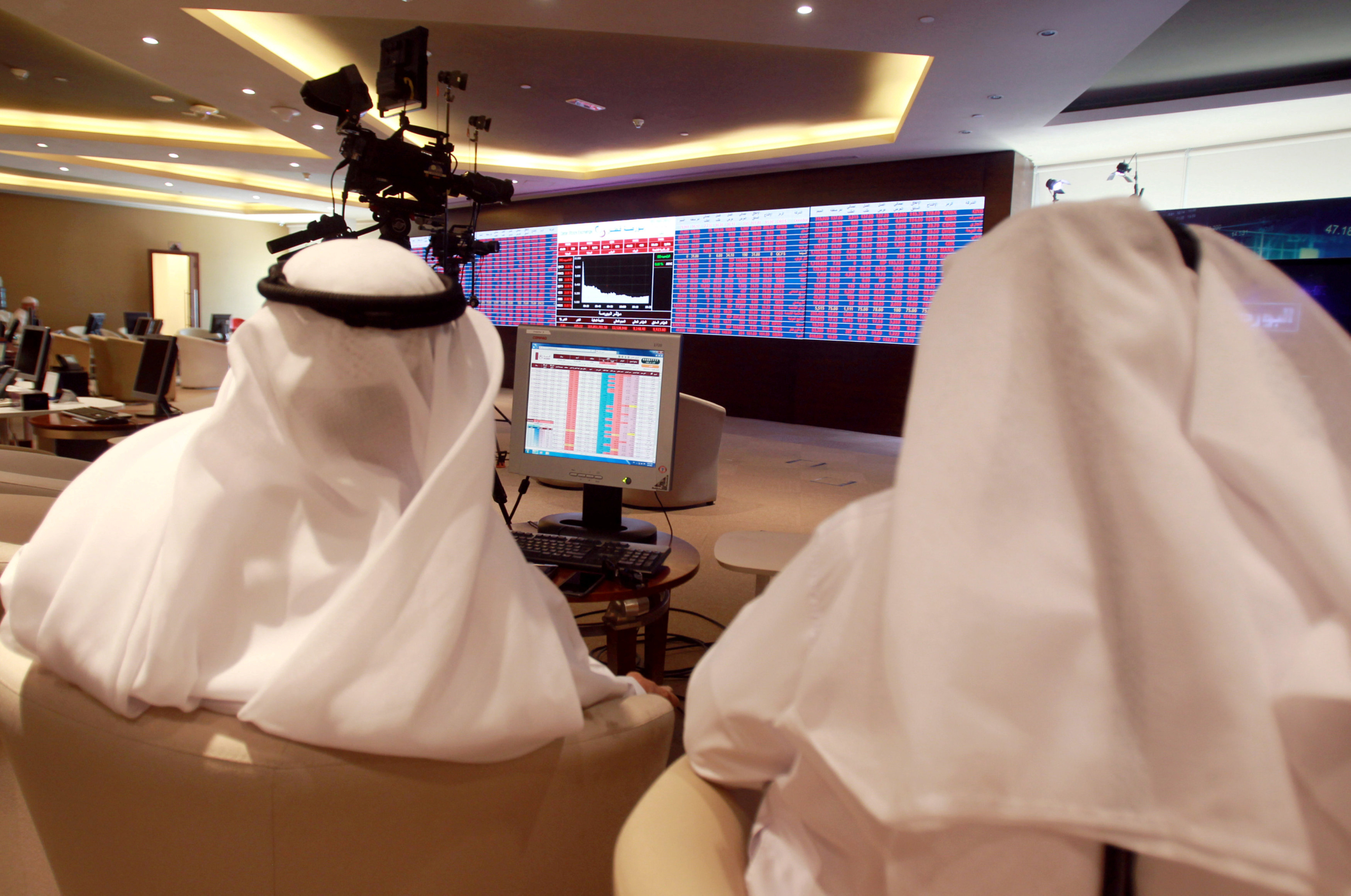
Major stock markets in the Gulf were subdued in early trade on Wednesday, as investors exercised caution following U.S. President Donald Trump's latest tariff threats on auto, semiconductor and pharmaceutical imports.Since taking office last month, Trump has imposed a 10% tariff on imports from China, and announced plans for 25% tariffs on goods from Mexico and non-energy imports from Canada, although these have been delayed.Additionally, he has set a date for 25% tariffs on imported steel and aluminium, and is considering reciprocal tariffs on countries that tax U.S. imports.Saudi Arabia's benchmark index (.TASI) edged 0.1% higher, supported by a 5.5% jump in telecom operator Etihad Etisalat Company (Mobily) (7020.SE), following a significant increase in its annual profit.In a separate bourse filing, Mobily proposed a higher cash dividend of 1.3 riyals per share for the second half of the year.SAL Saudi Logistics Services Company (4263.SE) tumbled 8.5% to become the top loser in the index, following a decline in its fourth-quarter profit.The cargo firm also slashed its fourth-quarter cash dividend to 1.33 riyals apiece.In Abu Dhabi, the index (.FTFADGI) fell 0.3%.Meanwhile, oil prices edged higher amid worries of oil supply disruptions in the U.S. and Russia, and as markets awaited clarity…

U.S. investors to lead activist charge in Europe in 2025, study says

Activist investors are expected to step up their campaigns across Europe this year, with American firms increasingly involved buying into companies to put pressure on their management, a study said on Wednesday.Low market valuations of European companies make it cheaper for U.S. firms to build stakes and demand changes, according to the report by professional services company Alvarez & Marsal.Last year, 35% of public activist campaigns in Europe were launched by U.S. based funds, up from 27% in 2023, with Britain, Switzerland and Germany, increasingly in their sights.One of Wall Street's most activist investors, Jeffrey Ubben, was made a non-executive director at Bayer (BAYGn.DE) last year, having long urged the German chemicals company to be broken up."U.S. activists are continuing to make their presence felt in Europe, and this growing appetite shows no sign of subsiding," said Malcolm McKenzie, Chair of European Corporate Transformation Services at A&M."The UK, Switzerland and Benelux are already established hunting grounds while Germany is also expected to become a growing target."U.S. activists see a chance to improve performances after European stocks gained an average of 8% last year, lagging the 29% average increase at U.S. companies.The U.S. influx has been particularly marked in Switzerland, where…

Australia Q4 wages rise at slowest pace in over 2 years

Australian wages rose at the slowest annual pace in more than two years in the fourth quarter even as unemployment stayed near historic lows, suggesting the strong labour market was not a bar to further declines in inflation.The result will likely reassure policymakers that the labour market is not generating much price pressure. The surprisingly strong jobs market is a reason the central bank cautioned against further monetary policy easing, having cut rates for the first time in more than four years on Tuesday.Figures from the Australian Bureau of Statistics (ABS) on Wednesday showed its wage price index rose 0.7% in the December quarter, the lowest increase since the first quarter of 2022. That compared with market forecasts of 0.8%.Annual pay growth slowed to 3.2%, from 3.6%, the lowest reading since the third quarter of 2022. Growth in the private sector ran at 3.3% in the quarter, with public wages growth slowing sharply to only 2.8%."Wage pressures are easing, which makes for a softer inflation outlook and goes some way toward justifying yesterday's rate cut," said Sean Langcake, head of macroeconomic forecasting for Oxford Economics Australia."We still expect to see the labour market slacken over 2025, which will take some…

NZ central bank cuts rates by 50bps, flags more easing to revive frail economy

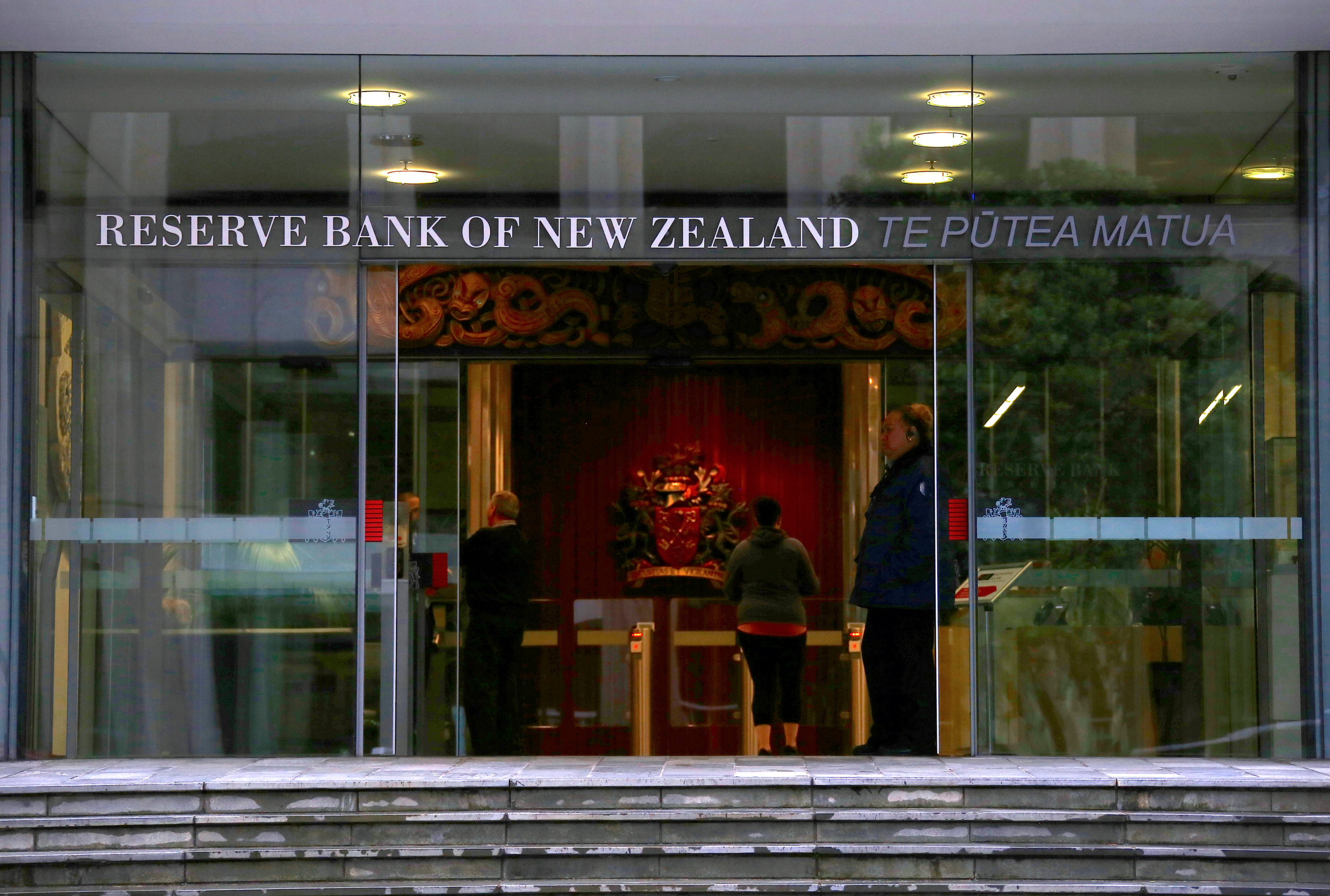
New Zealand's central bank cut its benchmark rate by 50 basis points to 3.75% on Wednesday and policymakers flagged further reductions in borrowing costs amid moderating inflation as they sought to revive a struggling economy.The New Zealand dollar slipped while the 90-day bank bill futures rallied as markets priced in a 25-basis point cut in April, and more reductions by year-end.“The economic outlook remains consistent with inflation remaining in the band over the medium term, giving the Committee confidence to continue lowering the OCR,” the Reserve Bank of New Zealand said in its accompanying policy statement.The decision was in line with a Reuters poll where 32 of the 33 economists surveyed forecast the RBNZ will cut the cash rate for the fourth straight meeting, and by half a percentage point."If economic conditions continue to evolve as projected, the Committee has scope to lower the OCR further through 2025," the RBNZ said.The central bank signalled a lower cash rate trajectory in coming months compared with previous forecasts, but the reductions are expected to be in smaller 25-bps moves. It now projects that rates will fall to 3.45% by June, and the year-end rate is expected to be 3.10%, down from the…

VIEW Canada’s annual inflation rate increases to 1.9% in January

Canada's annual inflation rate rose 1.9% in January, up from 1.8% in December as lower prices helped by a sales tax reprieve were partly offset by higher cost of gasoline and natural gas, data showed on Tuesday.Market reaction:Link: https://www150.statcan.gc.ca/n1/daily-quotidien/250218/dq250218a-eng.htmCOMMENTARYDEREK HOLT, VICE PRESIDENT OF CAPITAL MARKETS ECONOMICS AT SCOTIABANK"The punch line is the underlying core data are too warm, in my opinion, for Bank of Canada to continue easing.""Going forward, I think we'll see a rise in the headline inflation until February, but only about half of the GST, HST increase will flow through because only half of the ones will be captured in, the reverse of what happened in December, January."JULES BOUDREAU, SENIOR ECONOMIST AT MACKENZIE INVESTMENTS"In terms of the headline, the core numbers pretty much all the measures are coming to where we expected it to be. It is the second number in the row where we are probably not going to get too much out of it because of the GST break, so we are trying to overlook it. I think from here on the Bank of Canada will be looking at what Donald Trump will say in terms of tariffs and the next deadline for tariffs. I…

Canada’s annual inflation in January edges up to 1.9%, core measures also up

Canada's annual inflation rate inched up to 1.9% in January from the previous month as higher gasoline and natural gas costs reduced the impact of a sales tax reprieve on broader consumer prices, official data showed on Tuesday.The core measures of the consumer price index, which have not declined as fast as the inflation rate in the past few months, edged up too.January's CPI reading racked up a six-month record of inflation coming in at or below the 2% mark - the mid-point of the Bank of Canada's 1%-3% target range - but underlying price pressures reduced currency swap market bets for an interest rate cut next month.They now see an almost 63% chance of no rate cut in March, compared with 56% before January's inflation data was released. . If U.S. President Donald Trump decides to impose tariffs on Canadian imports from March, market expectations for a rate cut could change considerably."Stronger inflation amid retailers' price discounts and budding economic activity in the fourth quarter will likely give the Bank of Canada some confidence to hold interest rates steady at its March meeting," Andrew DiCapua, Principal Economist, Canadian Chamber of Commerce, said."This pause would let policymakers gauge whether current…

Investors went on January emerging market buying spree, report shows

Investors piled into emerging market countries' debt to the tune of $45 billion and bought up $2 billion of Chinese stocks in January, a closely followed report from the Institute of International Finance showed on Tuesday.The trade body cited how markets were being buffeted by the plans of returning U.S. President Donald Trump to reshape the global order, as well as the continuing evolution of artificial intelligence.Emerging market countries saw a $35.4 billion 'net inflow' of international money in January although there was sharp divergence between debt and stocks, the report showed.Debt flows surged to $45 billion, including $8.1 billion into China where interest rates have been falling due to its ongoing economic strains.Equities struggled overall in emerging markets, suffering $11.5 billion of outflows not including China, which enjoyed $2 billion of inflows.The divergence between debt inflows and equity outflows underscores "the continued investor preference for the relative stability of fixed-income instruments amid persistent geopolitical uncertainty, U.S. monetary policy risks, and global economic headwinds," the IIF said.The data covered January but MSCI's main emerging market stocks index (.MSCIEF) showed a sizeable rally took off around the middle of the month.Since then, that index has climbed nearly 10% and the emergence…

Bullish investors cut cash levels to 15-year low, BofA says

Bullish investors cut cash levels to 3.5%, the lowest since 2010, as they went long stocks and "short everything else", a survey of investors from BofA Global Research showed on Tuesday.BofA said equity investors rotated into bond-sensitive sectors, such as pharma, biotech, utilities and REITs, and to Europe, as a measure of investor fear of a global recession fell to a 3-year low and a trade war seen as no more than a tail risk.Tech recorded its largest month-on-month allocation drop since September 2022, according to the monthly global survey of 168 participants with $401 billion of asset under management."Long Mag 7" remained the most crowded trade, BofA said, but US exceptionalism peaked, with 89% saying U.S. stocks are overvalued.Source: Reuters.com

Most Gulf markets fall due to US tariff worries

Most major stock markets in the Gulf fell in early trade on Tuesday, as ongoing global uncertainty surrounding U.S. President Donald Trump's plans for tariffs on imports keep investors on edge.Since taking office last month, Trump has imposed a 10% tariff on imports from China, and announced plans for 25% tariffs on goods from Mexico and non-energy imports from Canada, although these have been delayed.Additionally, he has set a date for 25% tariffs on imported steel and aluminium, and is considering reciprocal tariffs on countries that tax U.S. imports.Dubai's main share index (.DFMGI) fell 0.5%, with toll operator Salik Company (SALIK.DU) declining 2.6%, following four sessions of gains.Last week, Salik reported a net profit of 1.16 billion dirhams ($315.84 million) for 2024, up from 1.10 billion dirhams a year earlier.In Abu Dhabi, the index (.FTFADGI) inched down 0.1%.Saudi Arabia's benchmark index (.TASI) gained 0.3%, helped by a 3.1% rise in the country's biggest lender, Saudi National Bank (1180.SE).Among other gainers, Mobile Telecommunications Company (7030.SE) surged 7%. Despite reporting a fall in annual profit, the telecom operator maintained its full-year cash dividend of 0.50 riyals per share.Meanwhile, oil producer group OPEC+ is considering pushing back a series of monthly supply increases…

Japan’s JICA contributes $1 billion to IDB Invest for Latin America’s sustainable growth

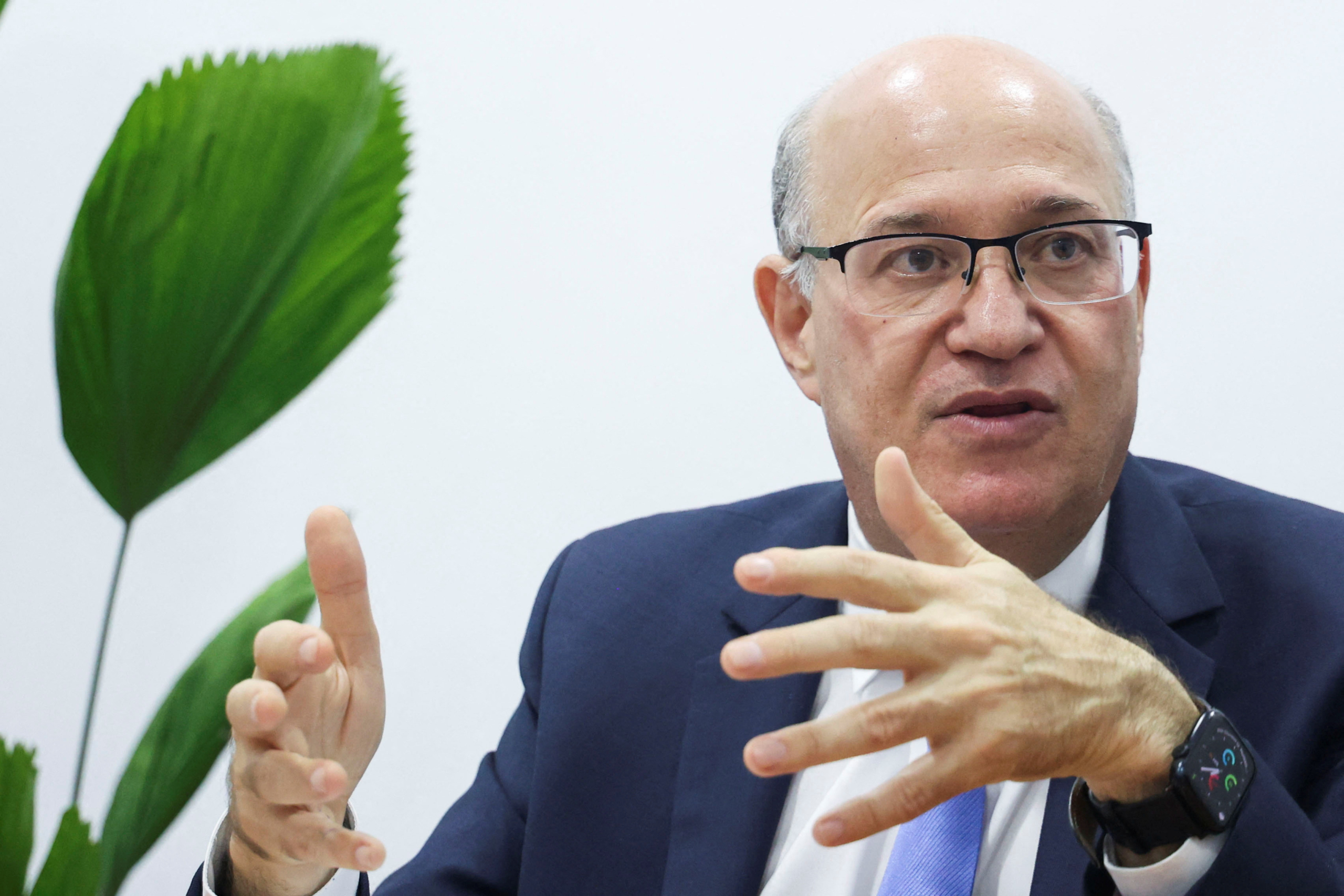
Japan's International Cooperation Agency (JICA) announced on Tuesday a $1 billion contribution to a fund aimed at boosting the private sector arm of the Inter-American Development Bank to finance sustainable growth across Latin America and the Caribbean.The move marks JICA's largest private sector fund in the region and the first with IDB Invest, which has prioritized leveraging financing through the "originate-to-share" strategy.This model seeks out and starts investment opportunities in the region, syndicating portions of these investments to investors instead of retaining them until maturity.The goal is to release capital for rapid reinvestment in new projects and to amplify impact, as Latin America and the Caribbean face an estimated $99 billion annual sustainable financing gap, according to Organization for Economic Co-operation and Development (OECD) estimates.In a joint statement, JICA and the IDB said that, subject to mutual agreement, the new fund has the potential to expand to $1.5 billion after three years."This initiative will not only catalyze private investment but also foster sustainable development, innovation, and economic growth in the region," said IDB President Ilan Goldfajn.Source: Reuters.com