Australia central bank cuts inflation forecast, labour market still tight

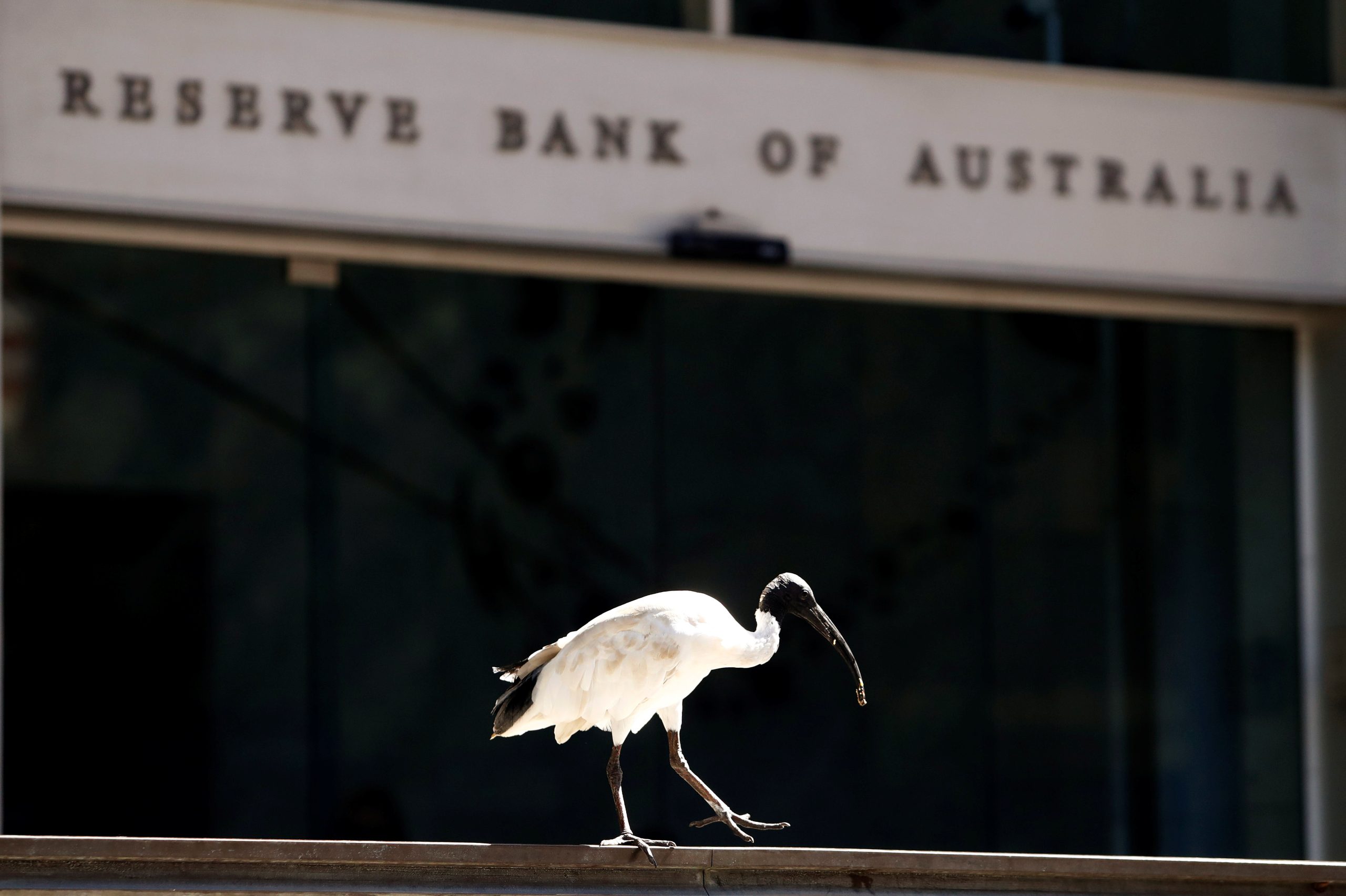
SYDNEY, Feb 18 (Reuters) - Australia's central bank expects underlying inflation to fall faster than previously expected as it downgraded the economic outlook, although a still tight labour market is likely to create some lingering price pressures.In its quarterly Statement on Monetary Policy, released on Tuesday along with its interest rate decision, the Reserve Bank of Australia (RBA) judged financial conditions were still restrictive, noting that a cash rate of 4.35% was above central estimates of the neutral rate.In its 58-page economic update, the RBA said it has recently refined its models, which led to a shift downward in some estimates of the neutral rate - where policy neither stimulates nor drags on demand.The central bank is widely expected to cut interest rates on Tuesday, having held them steady at 4.35% for over a year now. Its new forecasts were based on market pricing which assumed three quarter-point cuts this year - including the cut on Tuesday.Underlying inflation - a trimmed mean measure closely watched by the RBA - is expected to slow to 2.7% by the June quarter from 3.2% last quarter, compared with a previous forecast of 3.0%.The RBA then expects it to stay there until mid-2027, a…
UK Supreme Court rejects Reeves’ intervention in motor finance case, bank shares slide

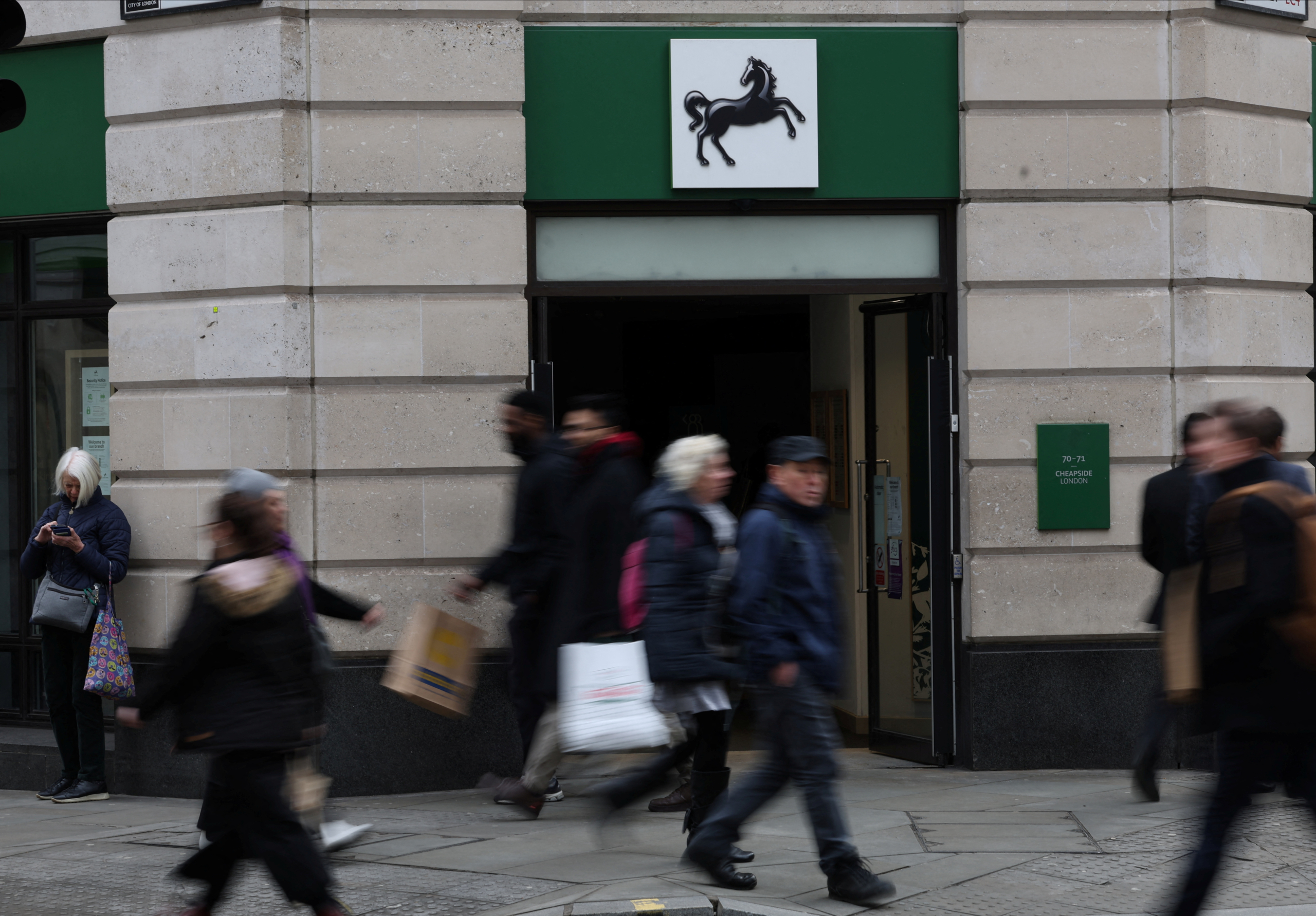
The UK Supreme Court on Monday rejected a move by finance minister Rachel Reeves to intervene in a landmark case on car loan mis-selling, sending shares in lenders Close Brothers (CBRO.L) and Lloyds Banking Group (LLOY.L) sharply lower.Britain's Treasury said in January it was worried that a court judgment handed down in October, if allowed to stand on appeal, would make it hard for consumers to get car loans.The Treasury argued that any customer redress should also be proportionate to the losses suffered by consumers.By 1615 GMT, shares in Close Brothers had slid 6.8%, having earlier fallen as much as 15% to 295 pence per share. Lloyds shares, which had been higher on the day along with most banks before the ruling, reversed direction and were last down 2.7%.In what could become one of the UK's costliest consumer banking scandals, Britain's motor finance industry was found liable by the Court of Appeal in October for "hidden" commissions following an investigation into historic sales.Close Brothers and Lloyds are two of a number of lenders with motor finance businesses. Lloyds has set aside a 450 million pound ($567.36 million) provision to cover possible redress. Close Brothers said last week it set aside…

Bank of England’s Bailey says inflation is slowing, 2025 jump will not last

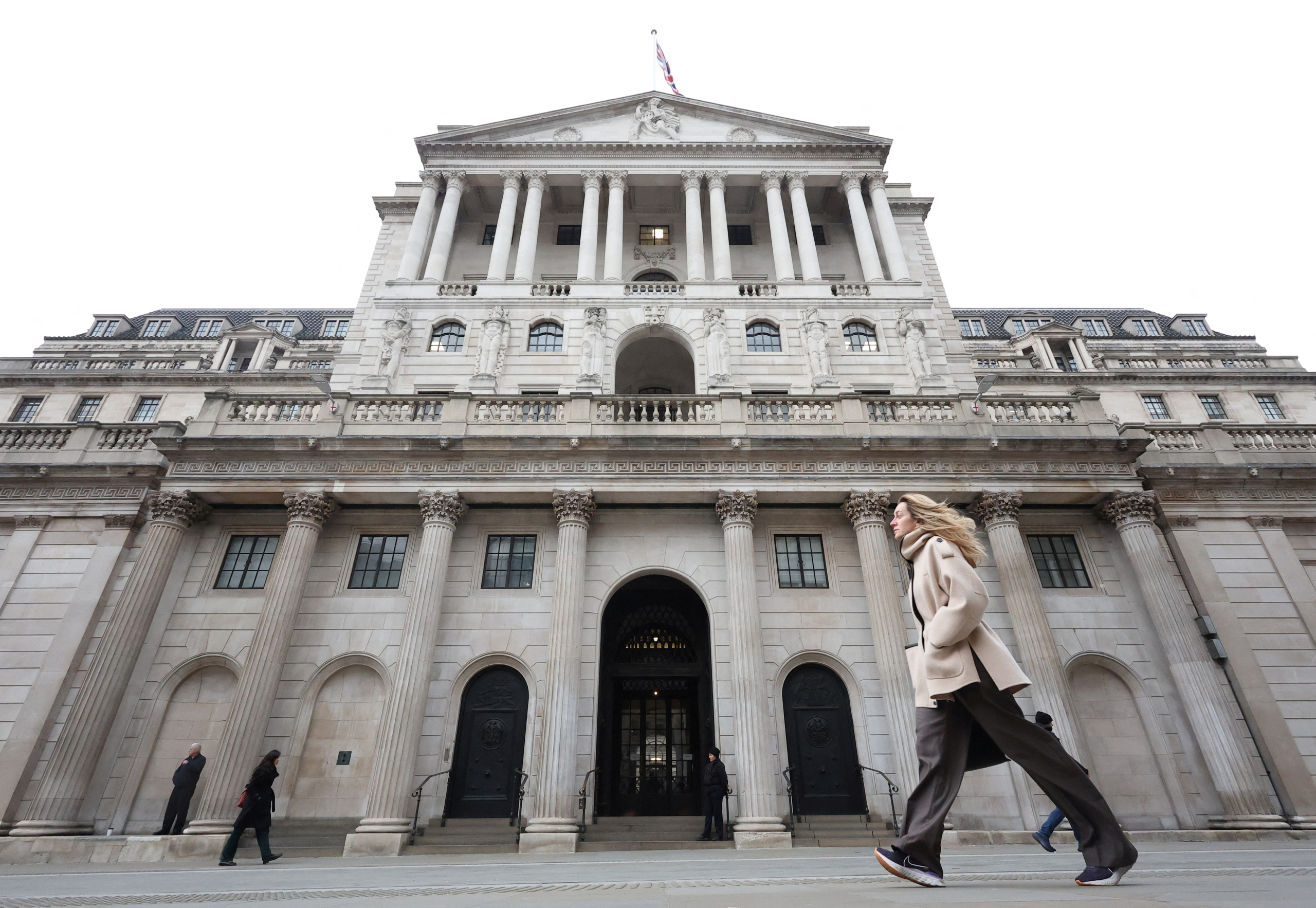
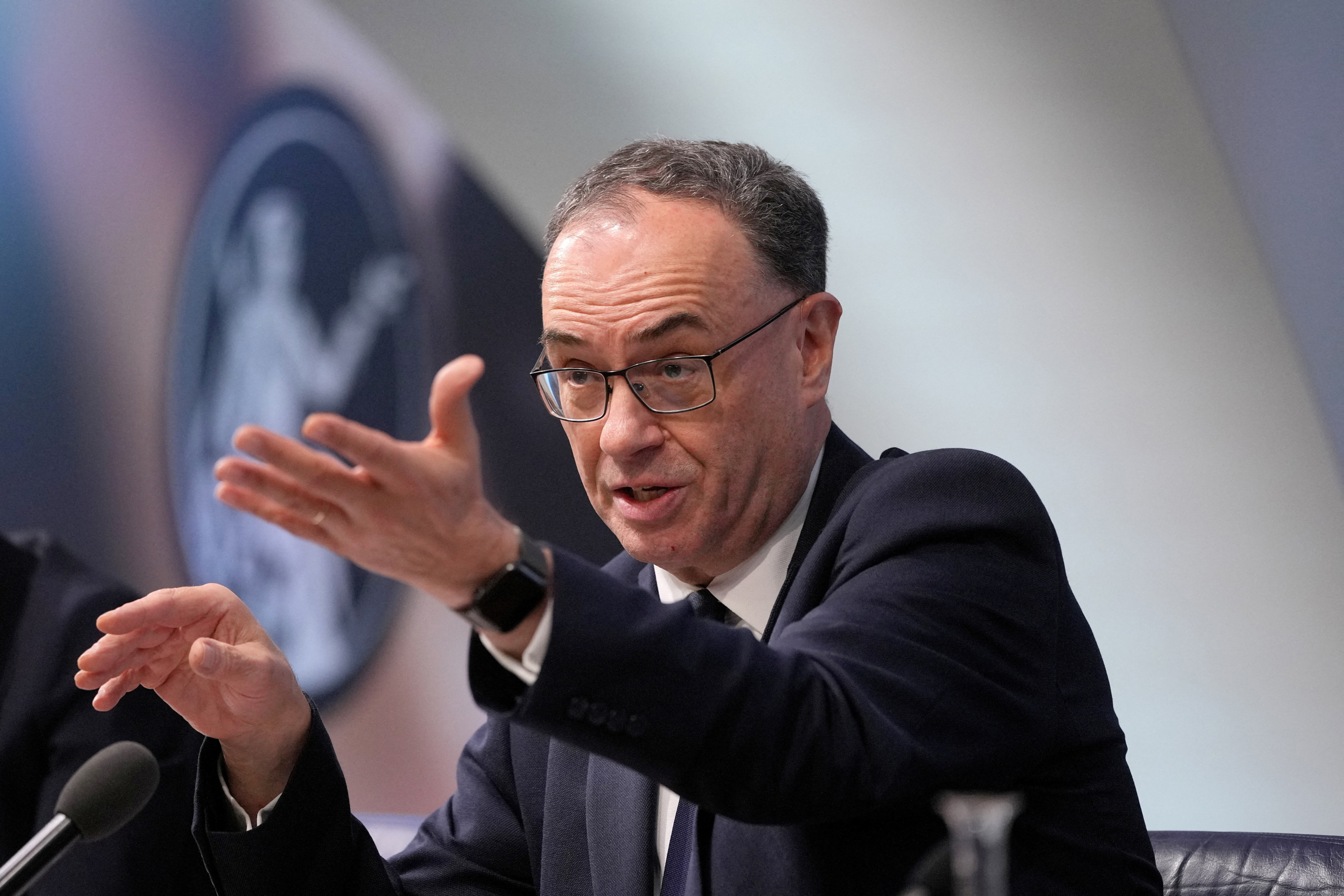
Bank of England Governor Andrew Bailey said in an interview published on Monday that inflation was slowing and an expected pick-up in price growth later this year was unlikely to embed longer-term inflation pressures in the economy.Part of the forecast increase in inflation was due to regulated price increases - for items such as domestic energy and water - while the sluggish state of the economy was also likely to act against inflation, Bailey told regional business news website BusinessLive on a visit to south Wales."The context is not really supporting the view that we will get more persistence, so we looked through that," he was quoted as saying, adding that recent data showing the economy grew by 0.1% in the fourth quarter did not change the big picture.Earlier this month, the BoE cut its benchmark interest rate to 4.5% from 4.75% as it halved its forecast for economic growth in 2025 to 0.75%.But it also said inflation was likely to hit 3.7% later this year, almost double the BoE's 2% target, prompting the central bank to add the word "careful" to its message about a likely "gradual" further reduction in borrowing costs."We still see the gradual disinflation going on.…

China says more Spanish firms welcome to tap its market

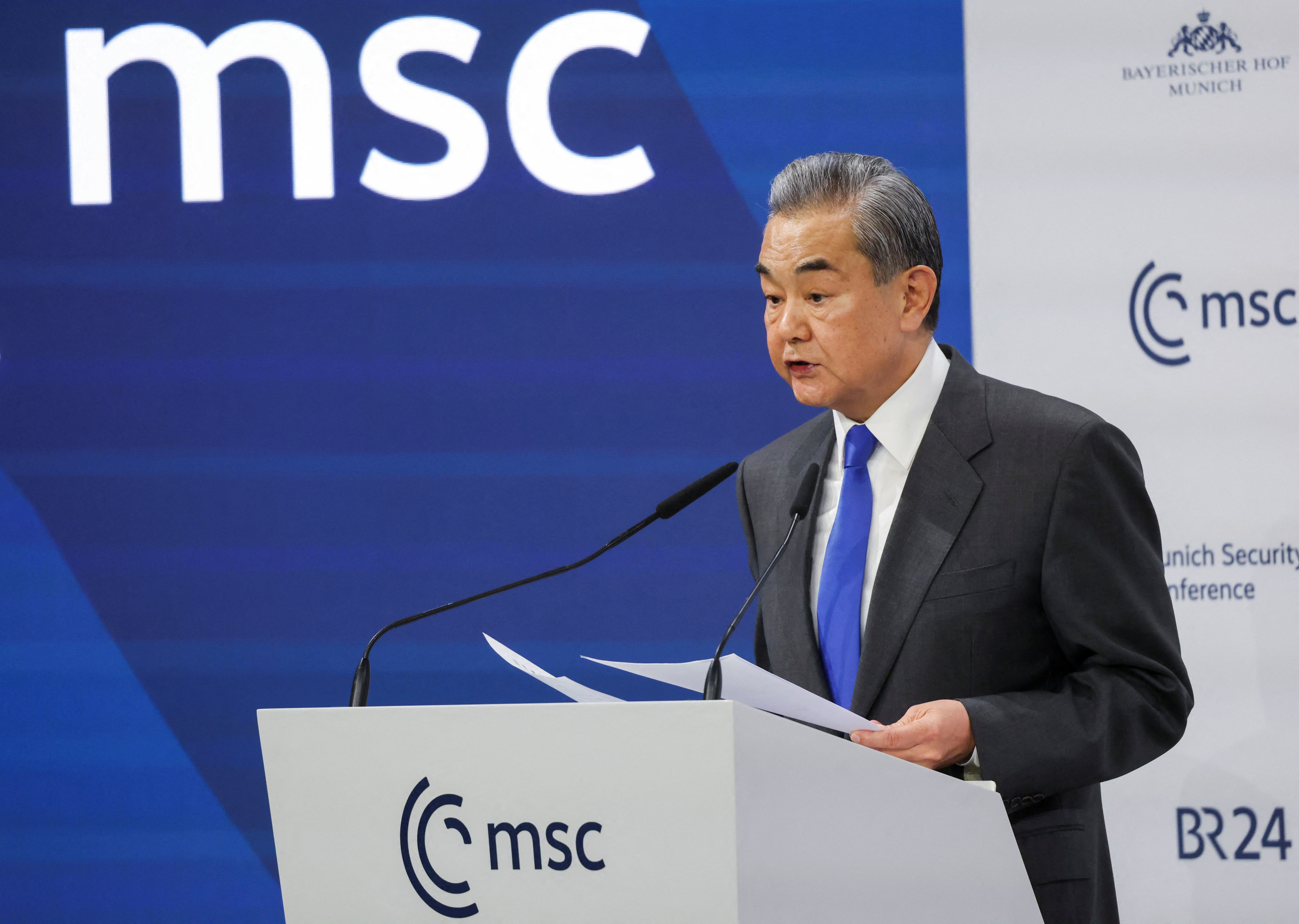
China said on Saturday it welcomes more Spanish companies to tap into and share opportunities in its large market, as well as China's economic transformation and development.More Spanish firm are also welcome to jointly build growth points for cooperation such as in the digital economy and artificial intelligence, Foreign Minister Wang Yi told his Spanish counterpart Jose Manuel Albares on Friday on the sidelines of the Munich Security Conference, the foreign ministry said."China and the West should work together to uphold multilateralism, promote democratisation in international relations, build broad international consensus and advance equal and orderly multipolarisation," Wang said.Source: Reuters.com

US looking at currency manipulation in tariff debate, Treasury chief says

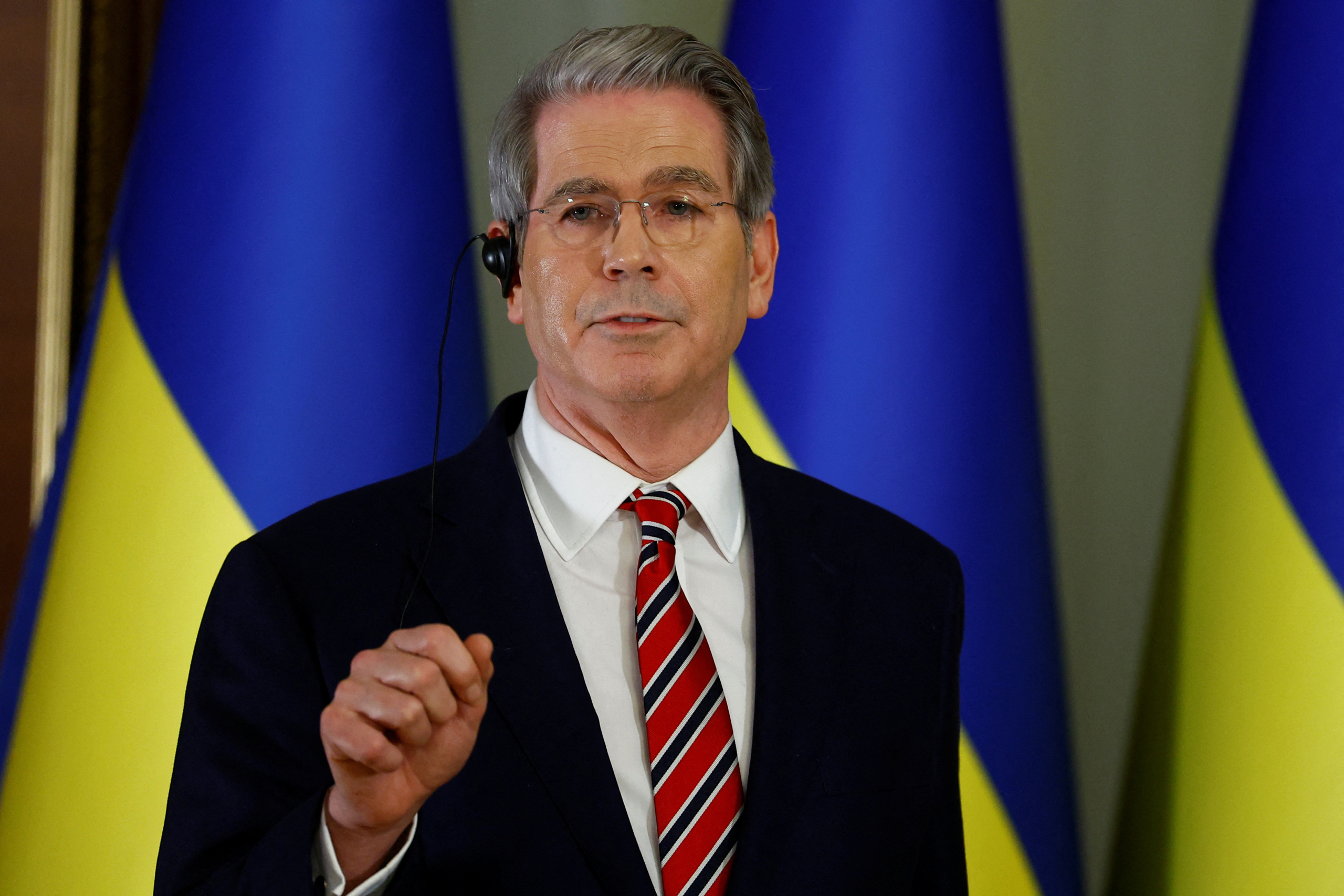
The Trump administration is looking beyond tariffs and non-tariff barriers to examine currency manipulation as it studies the issue ahead of an April deadline, U.S. Treasury Secretary Scott Bessent said on Friday."We're also looking at currency manipulation," Bessent said in an interview on Fox Business Network. "The U.S. has a strong dollar policy, but because we have a strong dollar policy, it doesn't mean that other countries get to have a weak currency policy."On Thursday, Republican U.S. President Donald Trump directed his economic team to develop plans for reciprocal tariffs on every country that taxes U.S. imports, raising the risk of a global trade war.Trump's memo stopped short of imposing more tariffs, but ordered his administration to calculate duties to match those other countries charge and to counteract non-tariff barriers by April 1."We're going to come up with what is the equivalent of ... what I would call a reciprocal index: country by country, the outstanding tariffs, non-tariff, the trade barriers and currency manipulation," Bessent told FBN.Trump's planned tariffs could be very substantial if other countries did not reduce their tariffs, he added, with the ultimate tariff policies dependant on how trading partners respond.Source: Reuters.com

Wall Street on track for weekly gain, markets focus on tariffs

Wall Street futures were steady on Friday, the U.S. dollar fell and global stock markets held close to their recent record highs, as traders waited for developments on tariffs and Ukraine.Investors are keeping an eye on news from the Munich Security Conference, where U.S. Vice President JD Vance warned Russia that Washington could hit Moscow with sanctions if it does not agree to a good peace deal with Ukraine, while urging Europe to spend more on defence. Vance is due to meet Ukrainian President Volodymyr Zelenskiy.U.S. President Donald Trump tasked his economics team with devising plans for reciprocal tariffs on every country that taxes U.S. imports - but traders sought some relief in the fact that the directive stopped short of imposing new tariffs.“As much as Mr Trump has been agitating the tariff stick… what’s coming out of all of this is that in fact he’s dialing back on tariffs," said Kevin Thozet, a member of the investment committee at Carmignac.European stock markets were on track for their eighth consecutive week of gains, having outperformed U.S. stocks since start of the year. Analysts have attributed that to hopes there could be a peace deal between Russia and Ukraine, as well…

Indian industries see opportunity in Trump’s trade goals

Indian industry and trade experts see an opportunity to expand business with the U.S. after Prime Minister Narendra Modi met President Donald Trump, despite uncertainties over reciprocal tariffs and thanks to steps taken in the past few years.India and the U.S. agreed on Thursday to resume talks to clinch a trade deal later this year, a proposal that did not bear fruit during Trump's first term, with a goal of more than doubling bilateral trade to $500 billion this decade. India has promised to buy more U.S. defence, energy and other products.New Delhi has in the past largely dithered on trade deals fearing an onslaught of imports that could hurt domestic producers, but Indian companies are much more competitive now, partly due to government incentives like corporate tax cuts and manufacturers' own initiatives to step up quality and widen their global distribution network, industry leaders said."Absolutely, to resume talks to clinch a trade deal later this year," said Ajay Sahai, director general at the Federation of India Export Organisations (FIEO), representing more than 37,000 exporters. "The economy has become more competitive in last four years."India's manufacturers in areas including auto components, garments, electronics and jewellery have moved to high-quality products…

Dubai hits highest mark in nearly 11 years on strong corporate earnings

The Dubai index jumped to its highest level in more than a decade on Friday, with the industrial and material sectors leading the charge driven by strong corporate earnings, while Abu Dhabi extended losses.Dubai's main index (.DFMGI) rose 0.8% to 5,362 points - a mark it last touched in May 2014 - extending gains from the previous session, bolstered by a 3.4% rise in toll operator Salik Company (SALIK.DU) and a 4.4% advance in low-cost carrier Air Arabia (AIRA.DU).Salik reported 1.16 billion dirhams ($315.84 million) in full-year net profit, beating analysts' estimate of 1.14 billion dirhams.Sharjah-based Air Arabia recorded a 56% increase in fourth-quarter net profit to 351 million dirhams ($95.57 million) and raised its annual dividend to 25 fils per share.Dubai's stock market continued the week's upward trajectory, reaching peak levels not seen since 2014 as its strong momentum persisted, supported by robust earnings, said Hassan Fawaz, chairman & founder of GivTrade."(The) market appears well-positioned to maintain its upward momentum" on the back of "strong earnings and robust economic fundamentals", he said.However, Abu Dhabi's benchmark index (.FTFADGI) slipped 0.3%, dragged by a 1.4% decrease in Adnoc Drilling (ADNOCDRILL.AD) and 1.5% decline in conglomerate Alpha Dhabi Holding (ALPHADHABI.AD).Among the losers,…

Global equity funds draw inflows on European rally

Global equity funds attracted significant inflows in the week ending February 12, after a Bank of England rate cut drove a rally in European shares, although caution over U.S. President Donald Trump's tariff policies limited investor activity.LSEG Lipper data showed investors bought global equity funds worth a net $5.66 billion during the week, reversing their $2.47 billion in net sales the prior week.The pan-European STOXX 600 index (.STOXX) hit new records on five consecutive days this week, driven by strong earnings from companies such as drugmaker AstraZeneca (AZN.L), copper producer Aurubis (NAFG.DE), and financial services group Societe Generale (SOGN.PA).European equity funds attracted a hefty $6.03 billion in inflows during the week, following net purchases of about $3.3 billion in the previous week.Asian funds attracted a net $1.46 billion while U.S. funds recorded net sales of $2.25 billion.Global sectoral equity funds also saw a net $258 million worth of sales, the first weekly outflow in six weeks. Consumer discretionary and healthcare funds with $987 million and $645 million, respectively in net sales, led the weekly outflows.Global bond funds were popular for the seventh week in a row with a net $10.36 billion in purchases.Global short-term bond funds received $6.22 billion, the…

RBA to deliver first rate cut in a short series on February 18: Reuters poll

Easing inflation has opened the door for the Reserve Bank of Australia to begin an anticipated brief series of interest rate cuts, starting with a quarter point reduction to 4.10% on Tuesday, according to most economists in a Reuters poll.This would be the RBA's first rate cut in over four years, joining a rate-cutting cycle other major central banks started last year and that the U.S. Federal Reserve has already put on pause over inflation concerns.Inflation in Australia fell to 2.4% last quarter, well within the RBA's 2-3% target band, nudging several economists to bring forward their rate cut expectations from the April-June quarter to February 18.A slight dip in economic growth and easing inflation lessens the need for policymakers to maintain rates in restrictive territory for longer, economists say.While moderating inflation aligns with one part of the RBA's mandate, the strength in the labour market and steadfast wage inflation diminish the need for the RBA to move aggressively. A robust housing market is also in no need of lower rates.Over 90% of economists, 40 of 43, in the February 6-13 poll expected the RBA to cut its official cash rate (AUCBIR=ECI) by 25 basis points to 4.10% at the…