Global hedge funds dump everything but real estate stocks, says Goldman Sachs

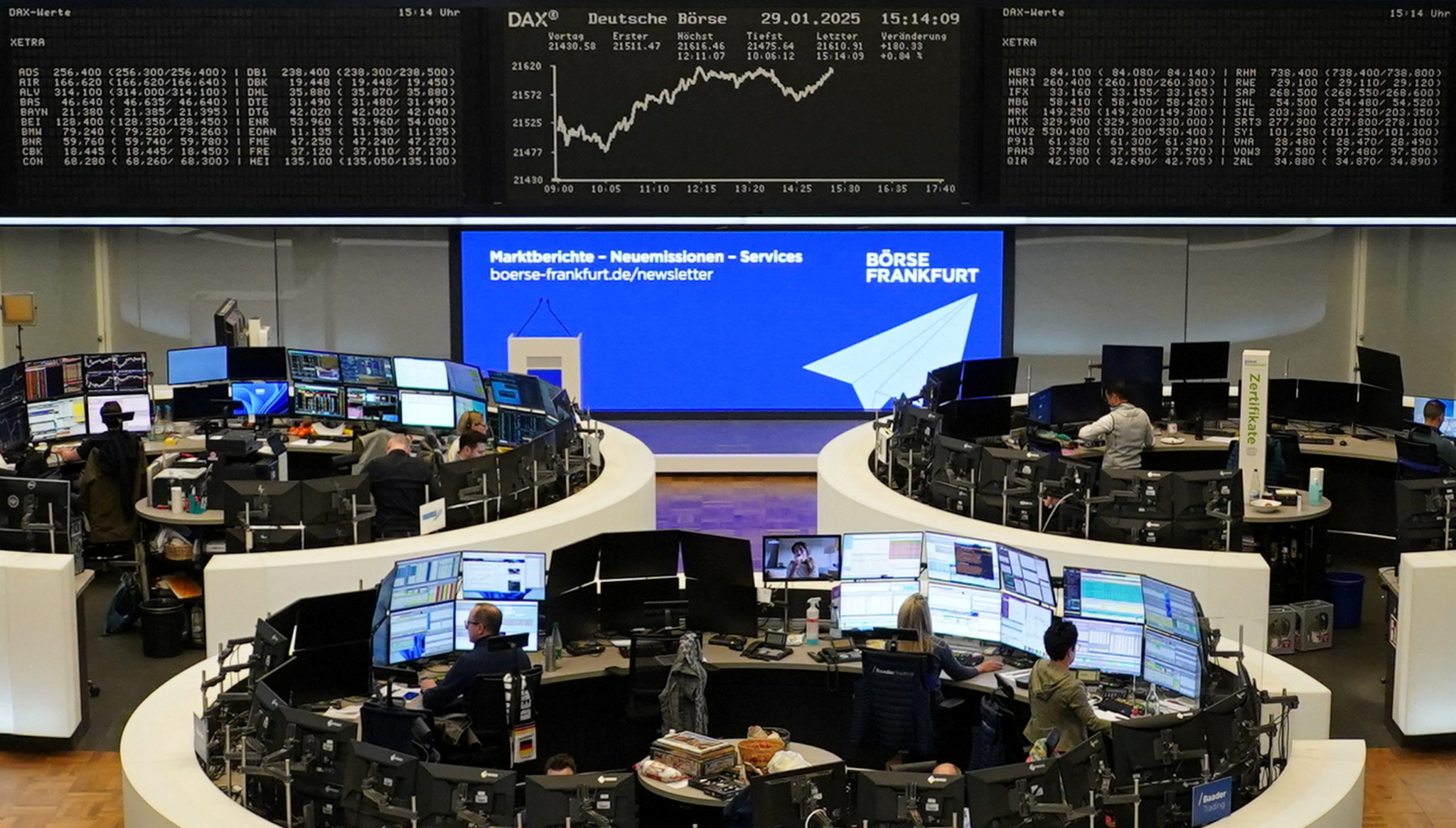
Hedge funds last week jettisoned global stocks and added bets they would decline, said Goldman Sachs (GS.N), just before U.S. President Trump announced tariffs that sent global markets tumbling.Global shares slid on Monday after U.S. President Donald Trump announced sweeping tariffs on Canada, Mexico and China at the weekend, kicking off a trade war that could curb economic growth internationally.Hedge funds in the week to Friday sold their stock holdings in every geographical region apart from developed markets in Asia, a Goldman Sachs note published Friday and seen by Reuters on Monday showed.The selling was the largest since August, when a stock market meltdown that started with the unwinding of yen carry trades rippled through to U.S. tech stocks, said the bank.Hedge funds bet against all sectors, but industrials, consumer discretionary, energy and communications services equities bore the brunt of the selling.The number of short positions, betting on falling industrial stocks, approached almost twice the number of longs that wagered this sector would rise, said Goldman data.Real estate stocks were the only sectors where hedge funds bet that values would rise, said Goldman Sachs.Here, hedge funds bought stocks for the fourth straight week and at the fastest pace in two…
Major Gulf markets fall as Trump tariffs stoke broader trade war fears

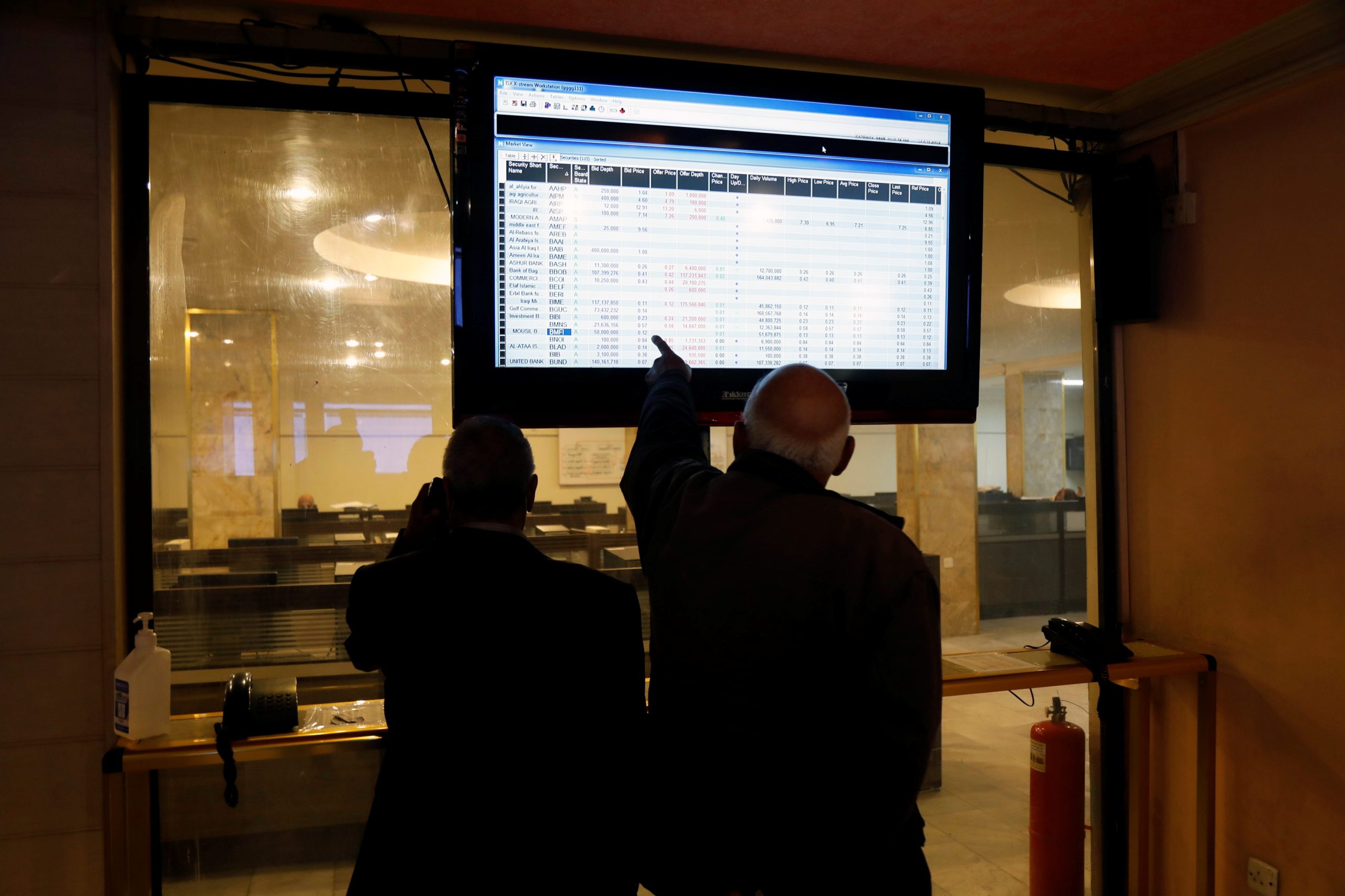
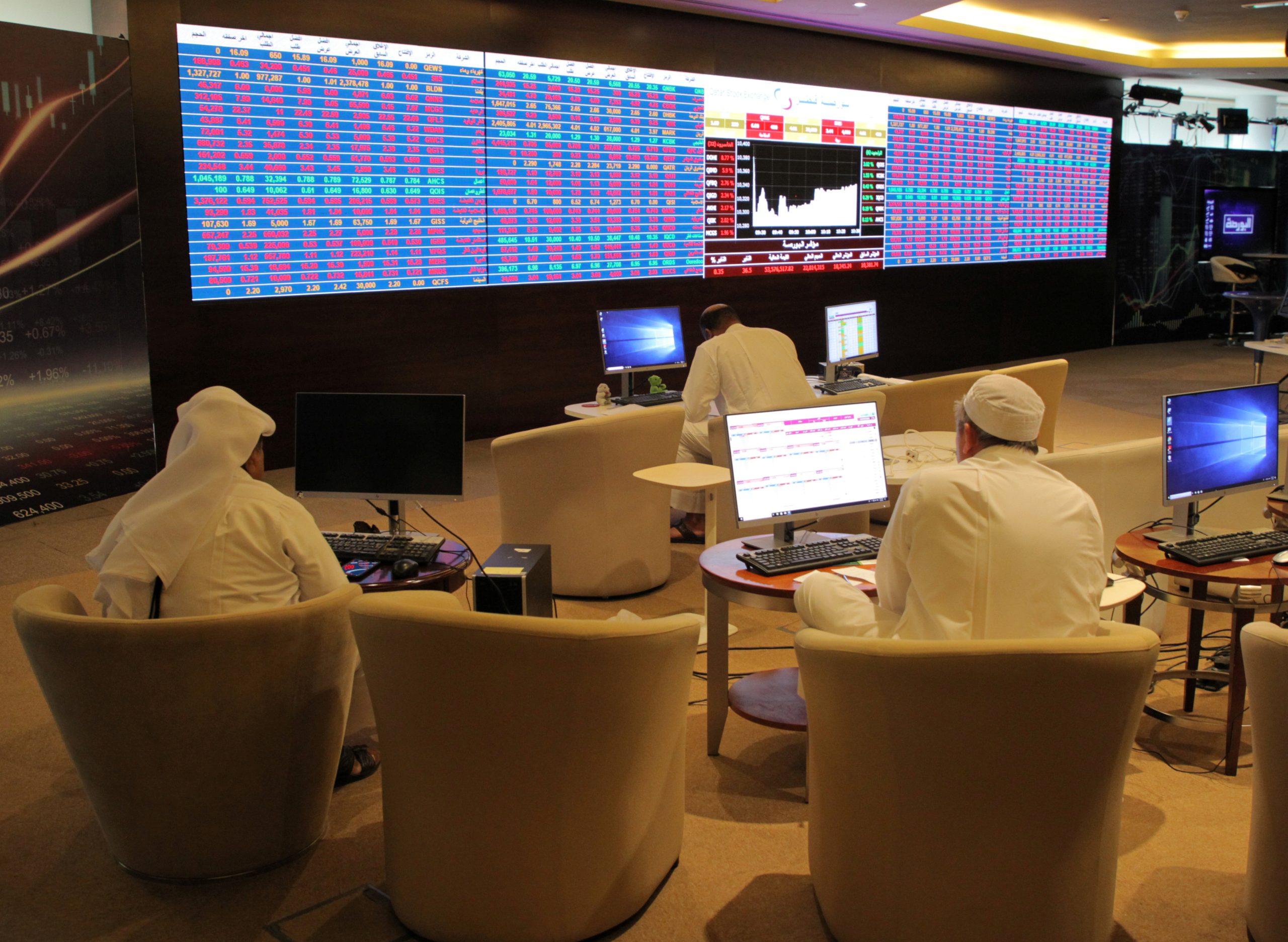
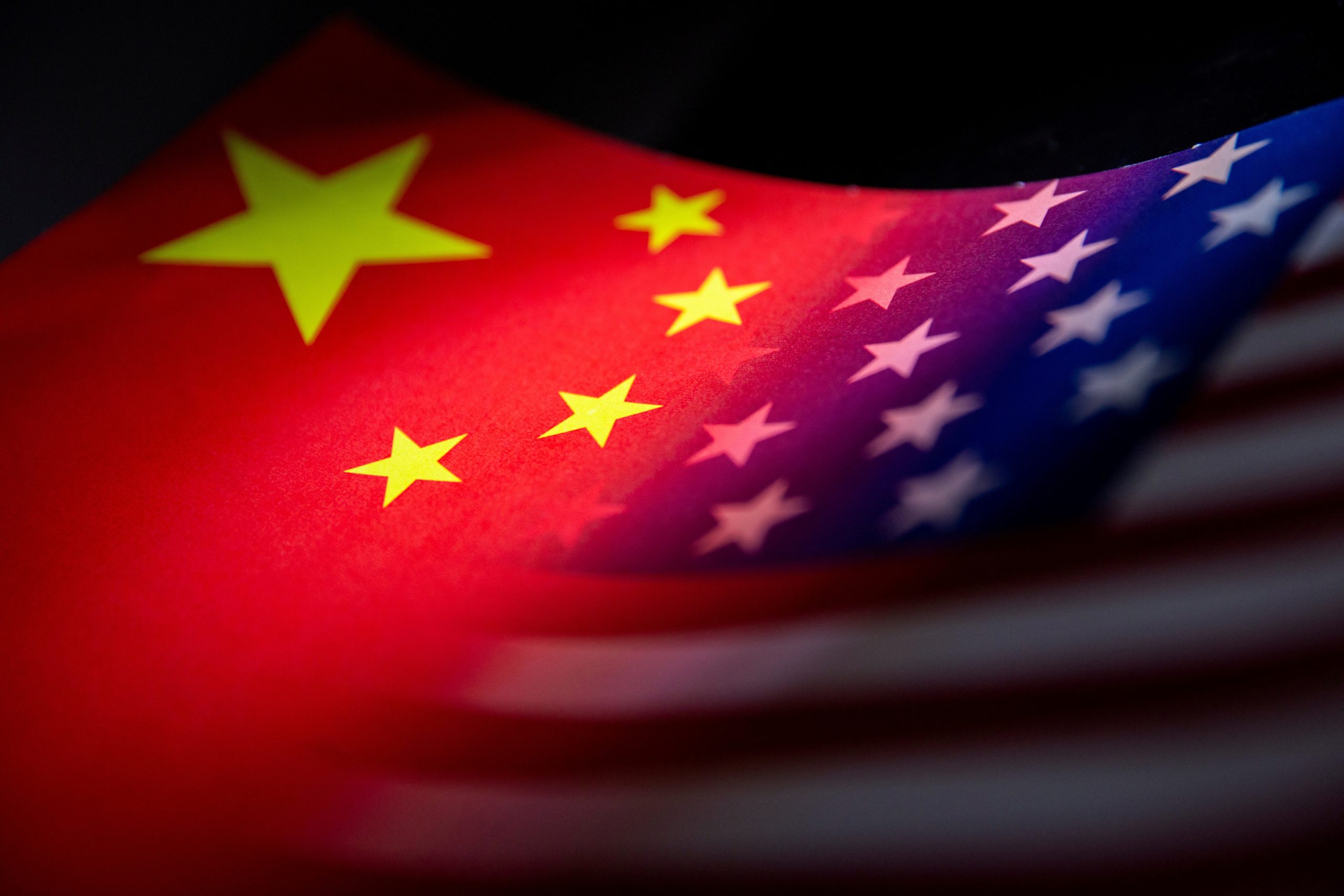
Major stock markets in the Gulf fell in early trade on Monday in line with Asian shares, after U.S. President Donald Trump's tariffs on Canada, Mexico and China triggered fears of a broader trade war and a hit to global growth.President Donald Trump said on Sunday the sweeping tariffs that he has imposed on Mexico, Canada and China may cause "short-term" pain for Americans, as global markets reflected concerns the levies could undermine growth and reignite inflation.Critics say the Republican president's plan to impose 25% tariffs on Canada and Mexico and 10% tariffs on China will slow global growth and drive prices higher for Americans.Back in the region, Saudi Arabia's benchmark index (.TASI) dropped 0.5% on Tuesday, hit by a 1% fall in ACWA Power Company (2082.SE) and a 3% drop in Elm Company (7203.SE).On the other hand, Basma Adeem Medical (9626.SE) - which is into dentistry and dermatology services - surged 30% in its market debut on Saudi Exchange's parallel market, Nomu.During the first three days of trade, the Saudi Exchange allows 30% fluctuation limits.Dubai's main share index (.DFMGI) lost 0.7%, with blue-chip developer Emaar Properties (EMAR.DU) declining 1.1% and top lender Emirates NBD (ENBD.DU) retreating 1.2%.In Abu Dhabi,…

China to propose restoring 2020 ‘Phase 1’ trade deal with US, WSJ reports

China's initial proposal to tariffs imposed by U.S. President Donald Trump's administration will centre on restoring the "Phase 1" trade deal signed in 2020 during Trump's first term, the Wall Street Journal reported, citing sources.Other parts of China's plan will include a pledge to not devalue the yuan, an offer to make more investments in the U.S and a commitment to reduce exports of fentanyl precursors, according to the WSJ report.On Saturday, Trump imposed 25% tariffs on Mexican and most Canadian imports and 10% on goods from China over fentanyl, a deadly opioid, and illegal immigration.China denounced the imposition of tariffs on its imports and pushed back on fentanyl, but left the door open for talks with the U.S. that could avoid a deepening conflict. In contrast, Canada, a long-time ally of the US, slapped retaliatory tariffs of 25% on C$155 billion ($105.17 billion) of U.S. goods.The Phase 1 trade deal Trump signed with Beijing in 2020 ended a nearly two-year tariff war at that time. The deal required China to increase purchases of U.S. exports by $200 billion over two years, but Beijing failed to meet the targets as the COVID-19 pandemic hit.Reuters reported in January that Trump had…

Trump’s trade war salvo rocks markets

Investors bought dollars, sold stocks and fretted about inflation on Monday in a scramble to assess the risk of a trade war after Donald Trump put tariffs on top U.S. trading partners.Trump's orders for additional levies of 25% on imports from Mexico and most goods from Canada, as well as 10% on goods from China are light on detail. But they kick in on Tuesday and have jolted markets that had assumed Trump was mostly bluff and bluster.The selloff extended beyond just Canadian and Mexican markets and stocks directly in the line of fire, to cryptocurrencies, stocks and even the safe-haven Japanese yen, as investors tried to second-guess the volatile president's next moves.Worries about the hit to growth from the inflationary impact of the wide-ranging tariffs and the uncertainty that creates for the Federal Reserve played a part, causing everything but the dollar and long-term U.S. Treasuries to be sold."Trump's trade war has started," said Alvin Tan, head of Asia currency strategy at RBC Capital Markets in Singapore, noting it was hard to see the U.S. dollar retreating any time soon.The dollar has been the main mover, gaining as Trump headed for and then won office because investors figured tariff-hit…

Australia shoppers lured by discounts, shore up economy in 4Q

Australian retail sales dipped in December as pay back for a Black Friday splurge the month before, but discounting helped shoppers make a desperately-needed contribution to economic growth over the whole fourth quarter.Data from the Australian Bureau of Statistics (ABS) on Monday showed retail sales fell 0.1% in December from November, when they had risen by 0.7%.The outcome was firmer than analyst forecasts for a 0.7% drop, helped by Cyber Monday promotions falling in December this year and discounting spread across the month."Cyber Monday drove more spending on household goods as consumers took advantage of discounts on big ticket items," said Robert Ewing, head of business statistics at the ABS.Fourth quarter sales rose a real 1.0% to A$105.8 billion ($64.93 billion), topping forecasts of a 0.8% gain and the biggest increase since early 2022.Discounting also drove the increase in volumes as households spent some of the billions in tax cuts and subsidies doled out by the government in the second half of the year.The spending should add around 0.2 percentage points to gross domestic product, a small but vital contribution given the economy had been flatlining under the burden of high mortgage rates and cost-of-living pressures.Some relief on borrowing might…

Trump tariffs seen stirring up commodity and energy sectors

U.S. President Donald Trump slapped Canada and Mexico with duties of 25% and China with a 10% levy on Saturday, calling the measures necessary to combat illegal immigration and the drug trade.Canada and Mexico immediately vowed retaliatory measures, and China said it would challenge Trump's levies at the World Trade Organization and take other countermeasures.Trump's move has sparked volatility in the commodities market. Here are some reactions to the news:GOLDMAN SACHS"We still expect Canadian oil producers to eventually bear most of the burden of the tariff with a $3 to $4 a barrel wider-than-normal discount on Canadian crude given limited alternative export markets, with U.S. consumers of refined products bearing the remaining $2 to $3 a barrel burden."We estimate Canadian natural gas exports to the U.S. might drop by a modest 0.16 billion cubic feet per day (bcfd) as a result of 10% import tariffs, with little if any impact on U.S. gas prices."BARCLAYS"It would be fair to assume that all the three parties in the supply chain (Canadian producers, refiners - primarily in the Midwest - and end-consumers) will bear the incremental cost equally."Tariffs in general are not good for oil because they weigh on demand and boost the…

Stocks slump, dollar soars as Trump tariffs trigger trade war

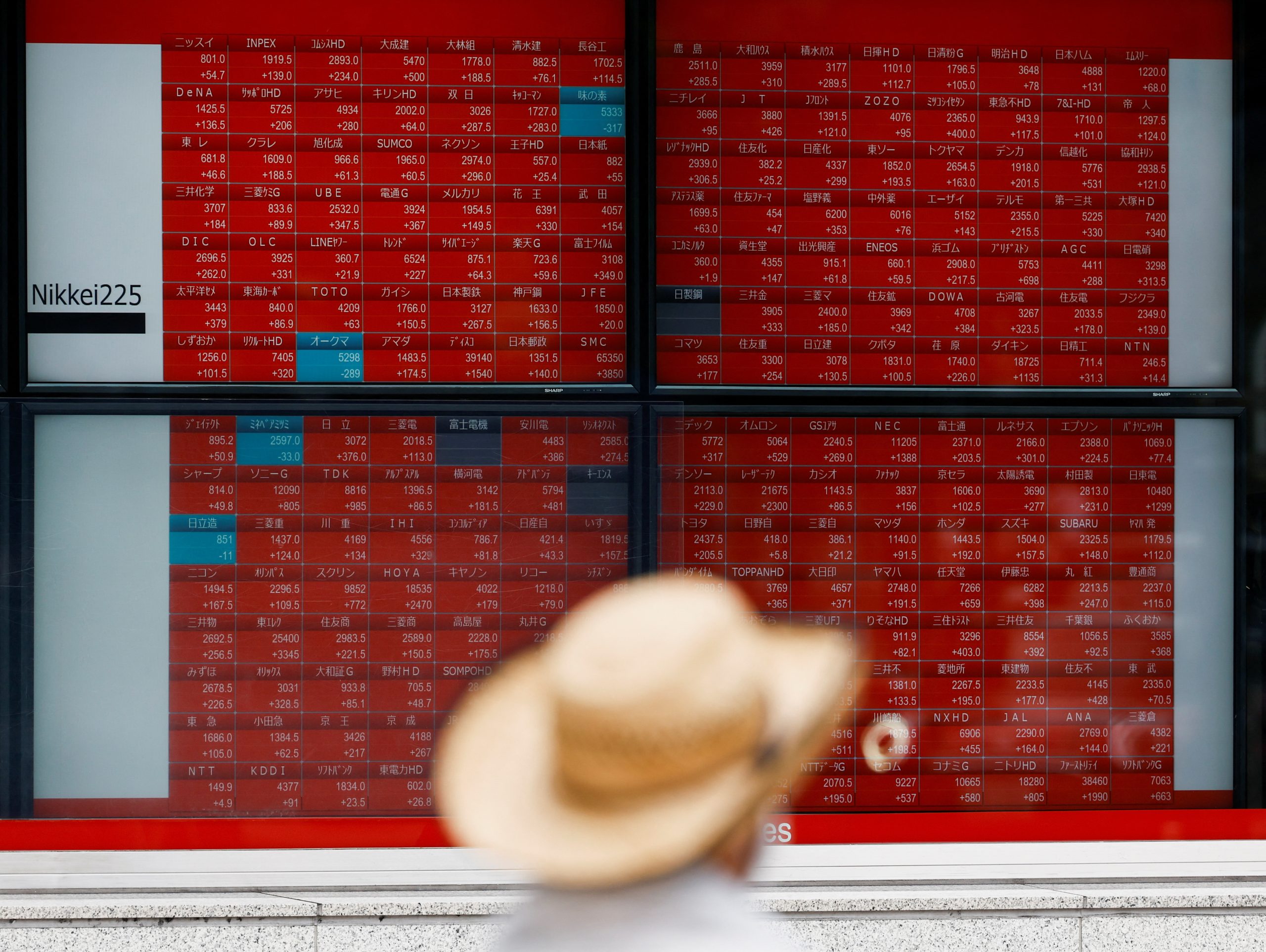
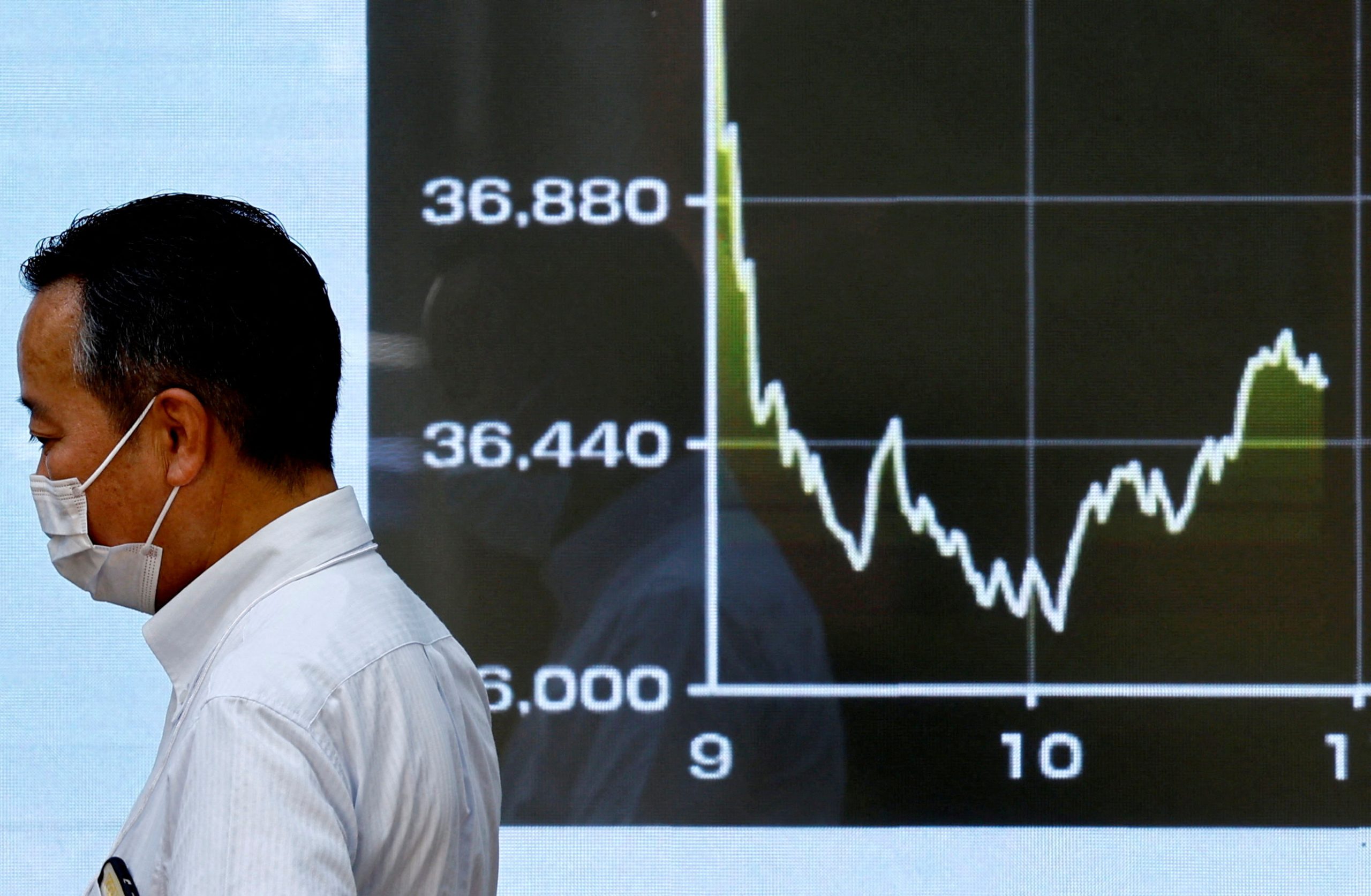
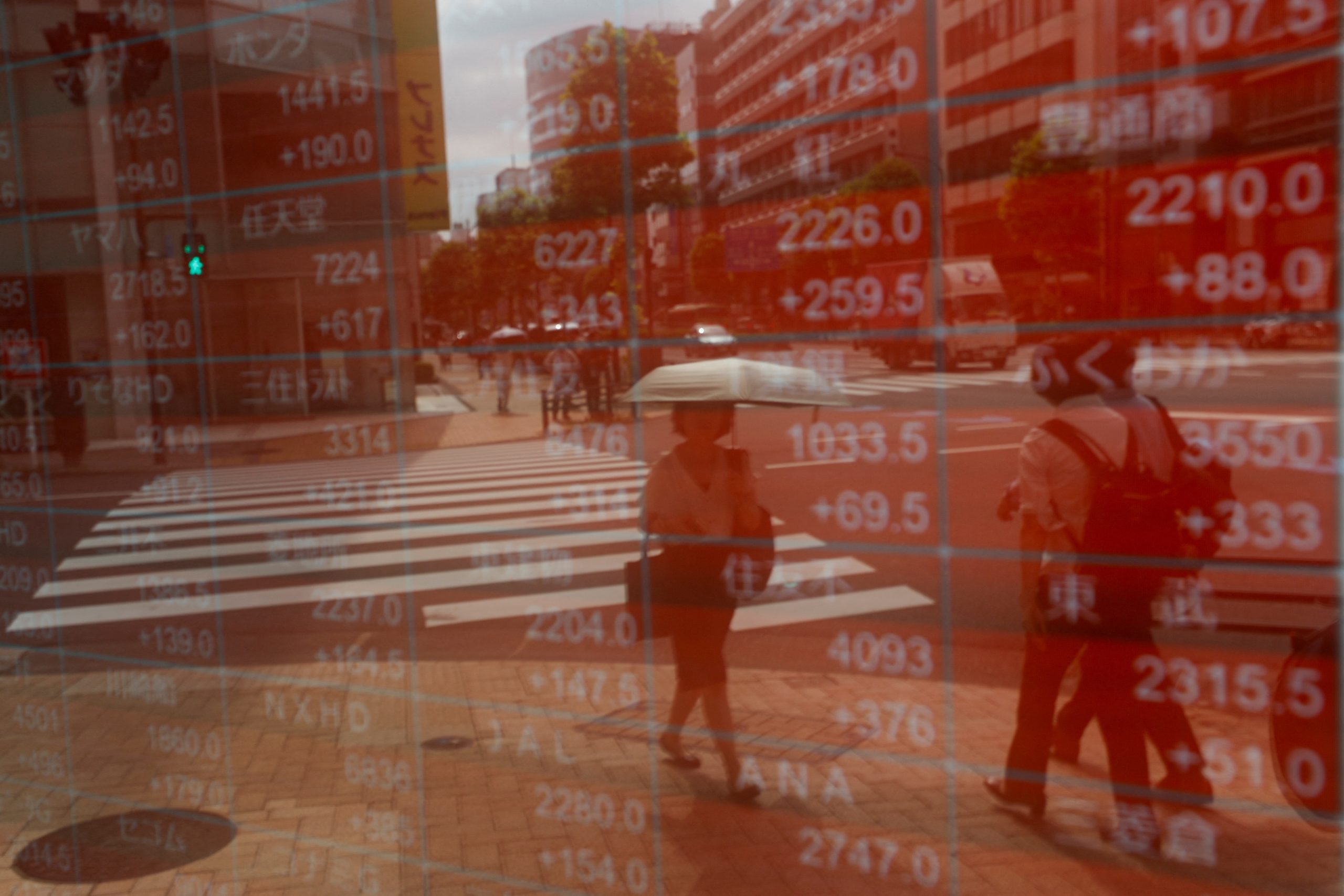
Asian stock markets slumped on Monday and U.S. equity futures pointed sharply lower after U.S. President Donald Trump's tariffs on Canada, Mexico and China triggered fears of a broad trade war and hit to global growth.The U.S. dollar shot to a record high against the Chinese yuan in offshore trading, and jumped to the highest since 2003 against Canada's currency and the strongest since 2022 versus Mexico's peso.Japan's Nikkei share average (.N225) tumbled as much as 2.3% in the first minutes of trading, and Australia's benchmark (.AXJO) - which often functions as a proxy for Chinese markets - also slumped more than 2%.Hong Kong stocks open later in the day, while mainland markets remain shut until Wednesday for Lunar New Year holidays.Trump slapped Canada and Mexico with duties of 25% and China with a 10% levy at the weekend, as he had threatened last month, calling the measures necessary to combat illegal immigration and the drug trade.Canada and Mexico immediately vowed retaliatory measures, and China said it would challenge Trump's levies at the World Trade Organization.The tariffs, outlined in three executive orders, are due to take effect 12:01 a.m. ET (0501 GMT) on Tuesday.Trump's move was the first strike in…

Stocks tick up as Apple climbs, tariffs in focus

Global stocks rose on Friday at the end of a volatile week for markets, with sentiment buoyed by Apple's earnings report and an in-line U.S. inflation reading.Meanwhile, currency traders were bracing for U.S. President Donald Trump to put 25% tariffs on Canada and Mexico as a Saturday deadline neared, a move that could disrupt nearly $1.6 trillion in annual trade.The U.S. S&P 500 stock index (.SPX) rose 0.6% in early trading and was on track to end the week broadly flat, while the tech-heavy Nasdaq (.NDX) climbed 1.2% but was set to end the week slightly lower.The Nasdaq dropped 2.9% on Monday as the surging popularity of cheap Chinese AI model DeepSeek shook investor confidence in U.S. tech stocks and sent chipmaker Nvidia (NVDA.O) plunging 17%.Earnings reports and forecasts this week from the likes of Meta (META.O) and Tesla (TSLA.O) have helped sentiment recover somewhat, however.Apple (AAPL.O) added to the cautiously optimistic mood late on Thursday when it forecast relatively strong sales growth, pushing its stock up 1.4% in early Friday trading.Europe's continent-wide Stoxx 600 index (.STOXX) was last up 0.27%, with tech shares (.SX8P) up 1.86%.In currency markets, options contracts showed investors were preparing for the potential for swings…

Global equity funds draw biggest weekly inflow in five weeks

Global equity funds witnessed a surge in investments in the week through Jan. 29, driven by a record rally in European shares, softened U.S. tariff expectations on China, and prospects of further rate cuts by major central banks.Investors pumped a robust $15.2 billion into global equity funds during the week, which was their largest weekly net purchase since Dec. 25, 2024, as per LSEG Lipper data.Investor appetite was boosted by a sharp rally in European shares, which remained strong despite a sell-off in major U.S. AI-linked stocks triggered by concerns over DeepSeek, a low-cost Chinese artificial intelligence model.The STOXX 600 index (.STOXX) in Europe reached a new record of 540.49 on Friday, marking its sixth consecutive week of gains—the longest streak since March 2024.The European Central Bank lowered interest rates by 25 basis points on Thursday, fueling optimism that U.S. rates might also be reduced further this year following President Donald Trump's comments at the World Economic Forum about his desire to lower global oil prices, interest rates, and taxes.Meanwhile, the Federal Reserve kept rates steady this week.European equity funds gained $5.66 billion in net purchases and lead regional inflows. Investors, meanwhile, added U.S. and Asian funds of $5.58 billion…

Mashreq Bank lifts Dubai, Abu Dhabi edges up

Stock markets in the United Arab Emirates closed higher on Friday, with Dubai leading the charge, driven by gains in banking stocks.Dubai's main index (.DFMGI) extended gains to a second session with a 0.5% increase, lifted by a 10.4% surge in Mashreq Bank (MASB.DU), which logged its biggest intraday gains in a year.Mashreq Bank reported an 11% growth in fourth-quarter net profit to 3.14 billion dirhams ($855 million), while revenue rose 49% year-on-year.However, Dubai Financial Market (DFM.DU) slid 6.4%, its steepest intraday loss in nearly two years, after the firm slashed its annual dividend to 3.2% of capital from 3.5% last year.Abu Dhabi's benchmark index (.FTFADGI) edged up 0.03%, finishing its straight third session in the green, supported by a 1.3% rise in Adnoc Drilling (ADNOCDRILL.AD) and a 0.8% increase in UAE's third-largest lender Abu Dhabi Commercial Bank (ADCB.AD).Among gainers, Abu Dhabi's largest listed firm International Holding Company (IHC.AD) gained 0.3% after its subsidiary Ghitha Holding (GHITHA.AD) reported 2.56 billion dirhams in full-year profit against 30 million dirhams last year.The Dubai index recorded a 0.4% gain in January, steadily rising for the eighth month, while Abu Dhabi continued its rally to a second month with a 1.8% rise, per LSEG…