China and EU discuss trade in response to U.S.’ punitive tariffs

China and the European Union have exchanged views on strengthening their economic and trade cooperation in response to U.S. tariffs, the Chinese Commerce Ministry said on Thursday.In a video call on Tuesday, China's Commerce Minister Wang Wentao discussed with European trade and economic security commissioner Maros Sefcovic the restart of talks on trade relief and to immediately carry out negotiations on electric vehicle price commitments, the Chinese ministry statement said.The conversation came shortly before before U.S. President Donald Trump's additional tariffs on China started taking effect.Trump has on Wednesday said he would temporarily lower the hefty duties he had just imposed on dozens of countries in a stunning reversal. He, however, ramped up pressure on China, threatening to raise tariffs on the world's second largest economy to 125%.China is ready to deepen trade, investment and industrial cooperation with the European Union, Wang told Sefcovic.Wang urged China and the EU to jointly safeguard the rules-based multilateral trading system and adhere to trade liberalisation and facilitation, "which will inject more stability and certainty into the world economy and global trade", the ministry statement said.China and EU also discussed creating a more favourable business environment for enterprises and trade transfer issues.They will continue…
Stocks surge in relief rally after Trump pauses tariffs

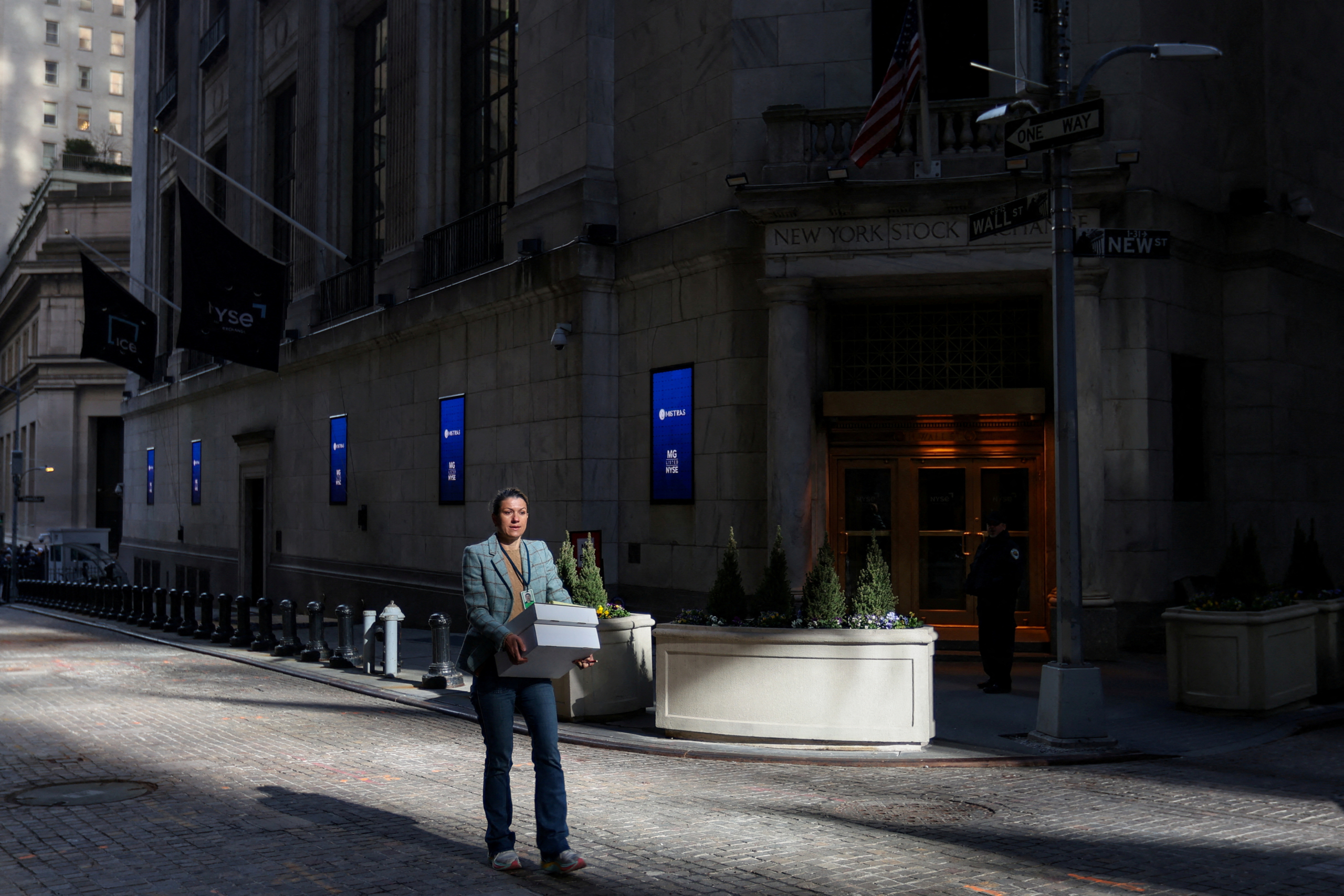
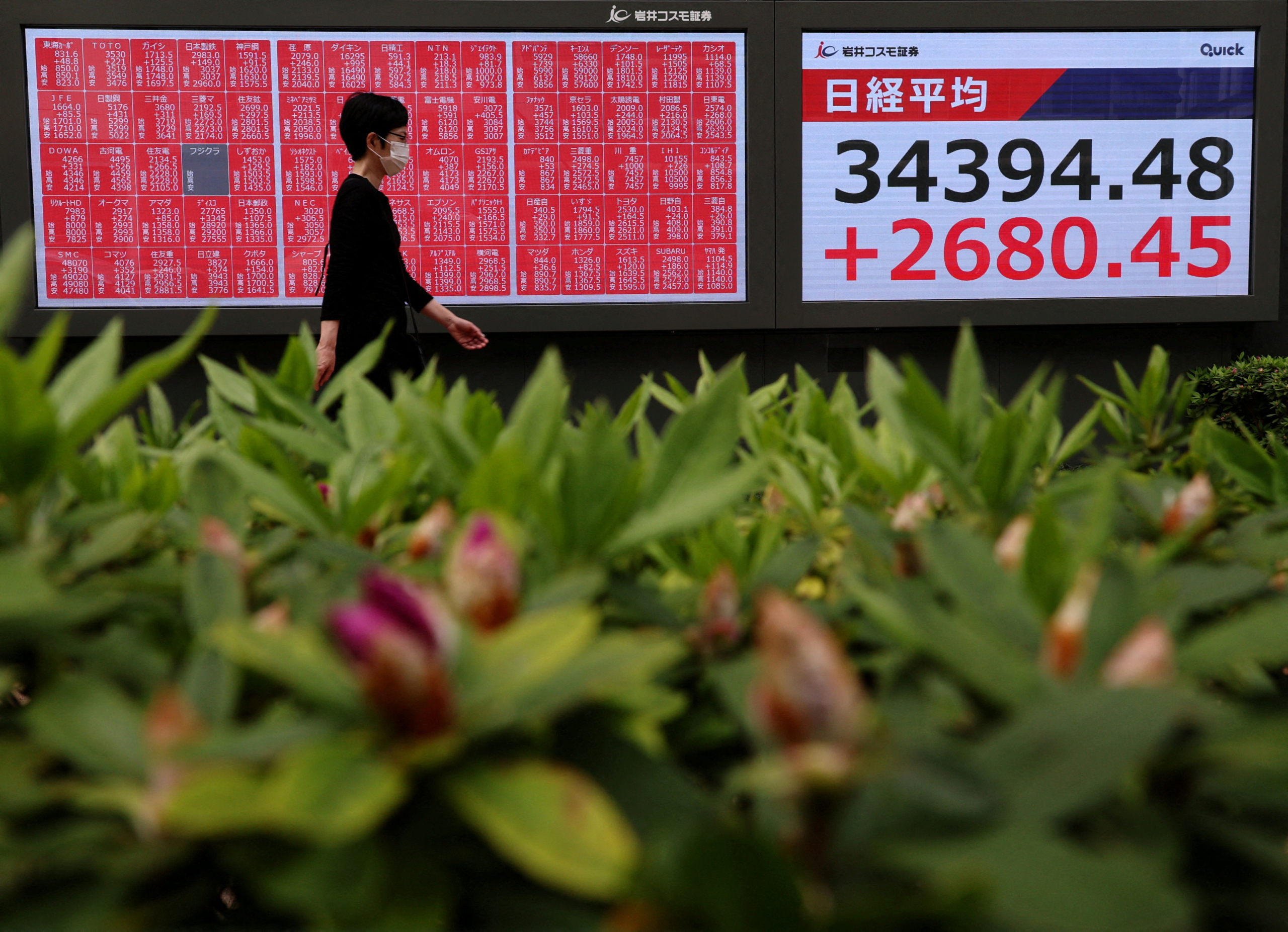
Global stocks rallied, the dollar found its footing and a manic bond selloff stabilised on Thursday after U.S. President Donald Trump said he would temporarily lower the hefty duties he had just imposed on dozens of countries.Following a days-long market rout that erased trillions of dollars from global stocks and jolted U.S. Treasury bonds and the dollar, Trump on Wednesday announced a 90-day pause on many of his new tariffs in a shock reversal.The move sent Wall Street's "Magnificent Seven" stocks surging again and tacking on more than $1.5 trillion in market value overnight. The S&P 500 (.SPX) and Nasdaq Composite Index (.IXIC) clocked their biggest daily percentage gains in more than a decade.But U.S. futures turned lower on Thursday, with Nasdaq futures falling 0.7% and S&P 500 futures down 0.3%.The dollar logged its largest one-day jump against the yen in two months and in five against the Swiss franc in the previous session. The greenback though pared some of those gains in Asia on Thursday, highlighting market uncertainty over the longer term outlook and as the Sino-U.S. trade war showed few signs of abating."I think the initial move was just massive short cover, and this has given the world…

From juice to jewellery: which U.S. goods will EU hit with tariffs?

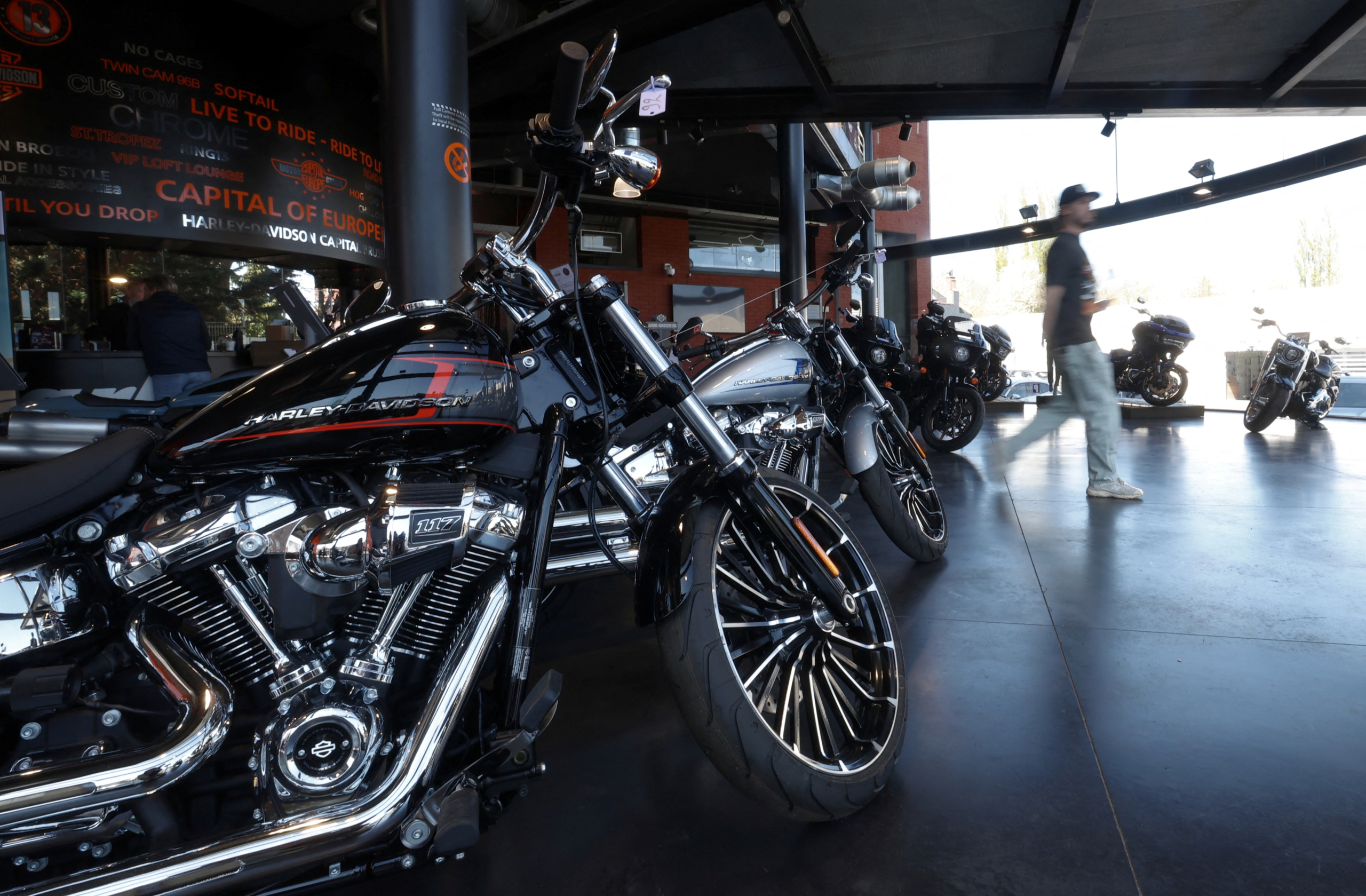
The European Union will launch countermeasures from next Tuesday against U.S. President Donald Trump’s steel and aluminium tariffs with extra duties on 21 billion euros ($23 billion) of U.S. imports.The 27-nation bloc faces 25% import tariffs on steel, aluminium and cars, as well as the new broader tariffs of 20% for almost all other goods under Trump's policy to hit countries he says impose high barriers to U.S. imports.The counter-tariffs announced so far are a response specifically to the U.S. metals tariffs imposed on March 12 and were approved by EU members on Wednesday. The bloc is still assessing how to respond to the car and broader "reciprocal" tariffs.The EU plan comes in three phases, with most of the tariffs not due to take effect until May.APRIL 15:The first phase of European tariffs will cover 3.9 billion euros worth of U.S. products, including steel and aluminium, corn (maize), rice, motorcycles, motor boats, dishwashers, washing machines and orange juice.These are mostly a repeat of tariffs the EU imposed in 2018 when Trump ordered an earlier set of less comprehensive tariffs on European steel and aluminium products. Both sides removed the levies in a truce reached under U.S. President Joe Biden.Notably, U.S.…

Japan, Canada agree to cooperate on market stability

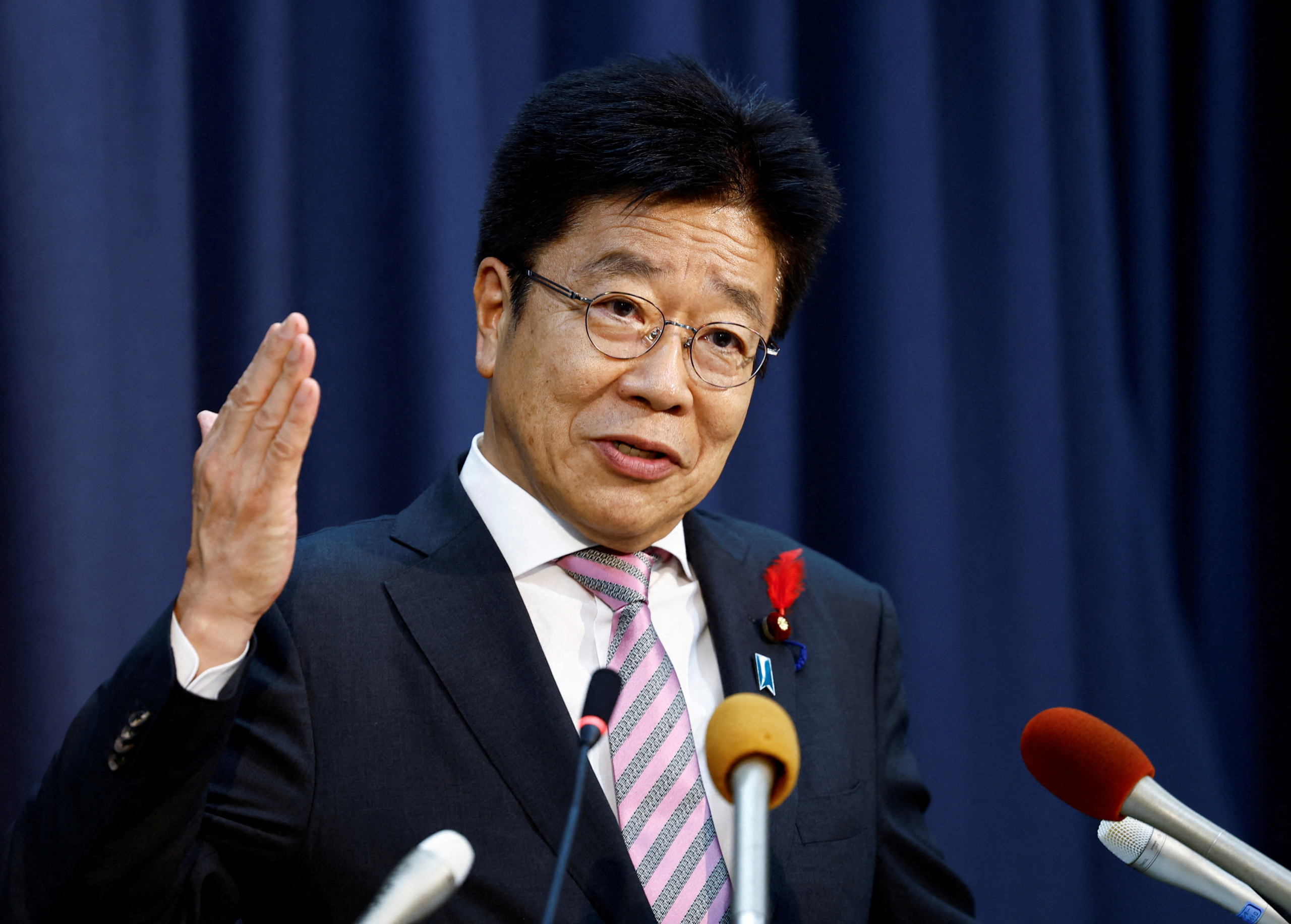
Japan and Canada, who is this year's chair of the G7 developed economies, have agreed to cooperate to maintain stability in financial markets and the global financial system, Japan's Ministry of Finance said on Wednesday.In a phone conference on Wednesday, Japanese Finance Minister Katsunobu Kato and his Canadian counterpart, Francois-Philippe Champagne, shared concerns over the series of tariffs implemented by the U.S. government, the ministry said in a statement.As U.S. President Donald Trump's sweeping reciprocal tariffs took effect from midnight with a 104% levy on Chinese imports, China retaliated by vowing to raise tariffs on the U.S. to 84% from Thursday.This led to a market rout with bond prices tumbling and global stocks falling further. U.S. Treasuries, the safest haven for the global financial system, were hit by fresh selling pressure on Wednesday in a sign that investors were dumping their safest assets.The U.S. dollar also weakened against other major currencies.Japan will cooperate with the Group of Seven advanced economies and the International Monetary Fund to help stabilize a market rout unleashed by U.S. tariffs, the country's top currency diplomat said on Wednesday.An email sent to Canada's Finance Ministry was not immediately answered.Source: Reuters.com

Corporate credit tremors in aftershock of tariff-led stock rout

The tariff shock and recession fears that have sent world stocks into a tailspin over the last week are rolling into corporate funding markets, raising the cost of borrowing and disrupting financing plans even for lower-risk companies.With U.S. Treasuries nursing huge losses on Wednesday - the strongest sign yet that stress is impacting so-called safe-haven assets - attention has now turned to the $35 trillion global corporate bond market, which has swelled by around 40% since 2008 as companies gorged on cheap debt, OECD data shows.The premium investors demand to hold low-rated corporate credit (.MERHW00) versus government debt has soared by 100 basis points in a week, the biggest short-term move in so-called global junk bond spreads since the U.S. regional banking crisis in March 2023.The move is fuelling fears pension funds and other longer-term investors might also start purging higher-quality borrowers from their portfolios. With the majority of fixed-income trading happening off-market, it can be hard to track and measure sales.But the sharp dip in sentiment is far easier to discern. An index measuring the cost of insuring against debt defaults by Europe's strongest businesses hit its highest since late 2023 on Wednesday.Germany energy group RWE, which has an…

JPMorgan CEO Dimon expects recession and defaults, urges quick trade talks in Fox Business interview

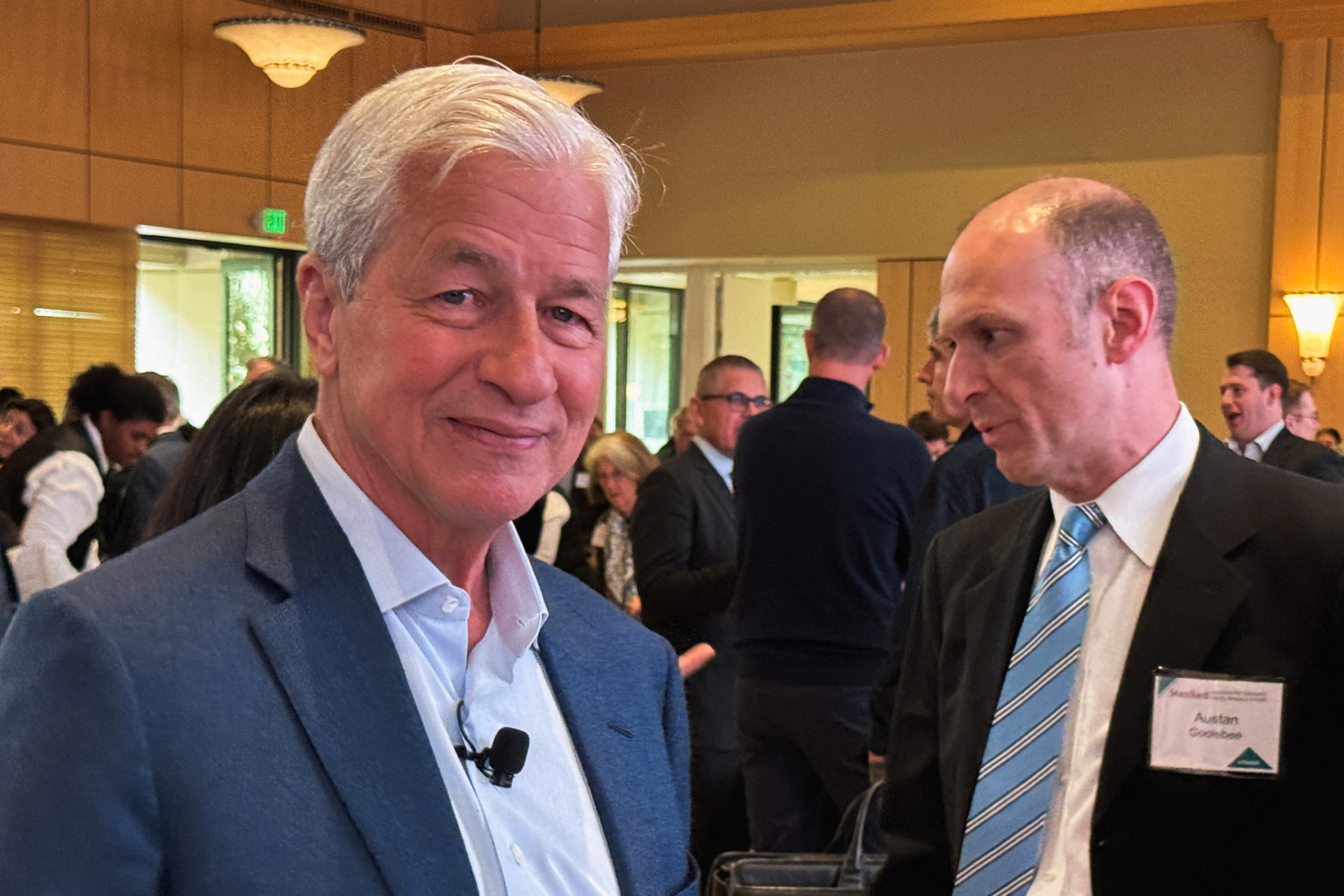
JPMorgan Chase CEO (JPM.N) Jamie Dimon said on Wednesday that sweeping tariffs imposed by U.S. President Donald Trump will probably lead to a recession and defaults by borrowers, he told Fox Business’ "Mornings with Maria" program."So long as you have rates going up ... inflation is sticky and credit spreads are gapping out, which they're going to, I think you'll see more credit problems," Dimon said.Dimon urged fast progress on trade negotiations with U.S. trading partners in order to calm markets, which have been roiled by tariff announcements."I hope what they really do is ... get those things done quickly," he said, referring to trade negotiations between U.S. Treasury Secretary Scott Bessent and other nations. "If they want to calm down markets, show progress on those things."Dimon, 69, is one of the most prominent voices in corporate America and has regularly been consulted by administrations during times of crisis. His name was floated for senior economic roles in government during the 2024 presidential campaign, including Treasury secretary, but he stayed put at the bank."I'm taking a calm view, but I think it could get worse if we don't make some progress here," Dimon said.JPMorgan's economists raised the risk of a…

Bond rout starting to sound market alarm bells

U.S. Treasuries extended heavy losses on Wednesday in a sign investors are dumping even their safest assets as a global market rout unleashed by U.S. tariffs takes an unnerving turn towards forced selling and a dash for the safety of cash."This is beyond fundamentals right now. This is about liquidity," said Jack Chambers, senior rates strategist at ANZ in Sydney.The 10-year U.S. Treasury yield , the globe's benchmark safe-haven anchor, was unmoored and long bonds were the focus of intense selling from hedge funds which had borrowed to bet on usually small gaps between cash and futures prices.It shot higher, crossing 4.5% at one point, even as traders ramped up expectations for U.S. rate cuts and, in another signal of dislocation in markets, the dollar fell against the euro and yen.Japan's central bank, finance ministry and banking regulator called an unscheduled meeting for 0700 GMT to discuss the moves, which pulled back some of the extreme selling.At 4.41% the 10-year yield was up 16 basis points in Asia and more than 50 basis points from Monday's low.A three-day rise of nearly 60 basis points in 30-year yields , which spiked above 5%, would mark - if sustained - the heaviest…

Stocks slide in Asia as recession fears pummel sentiment, oil hits 4-yr lows

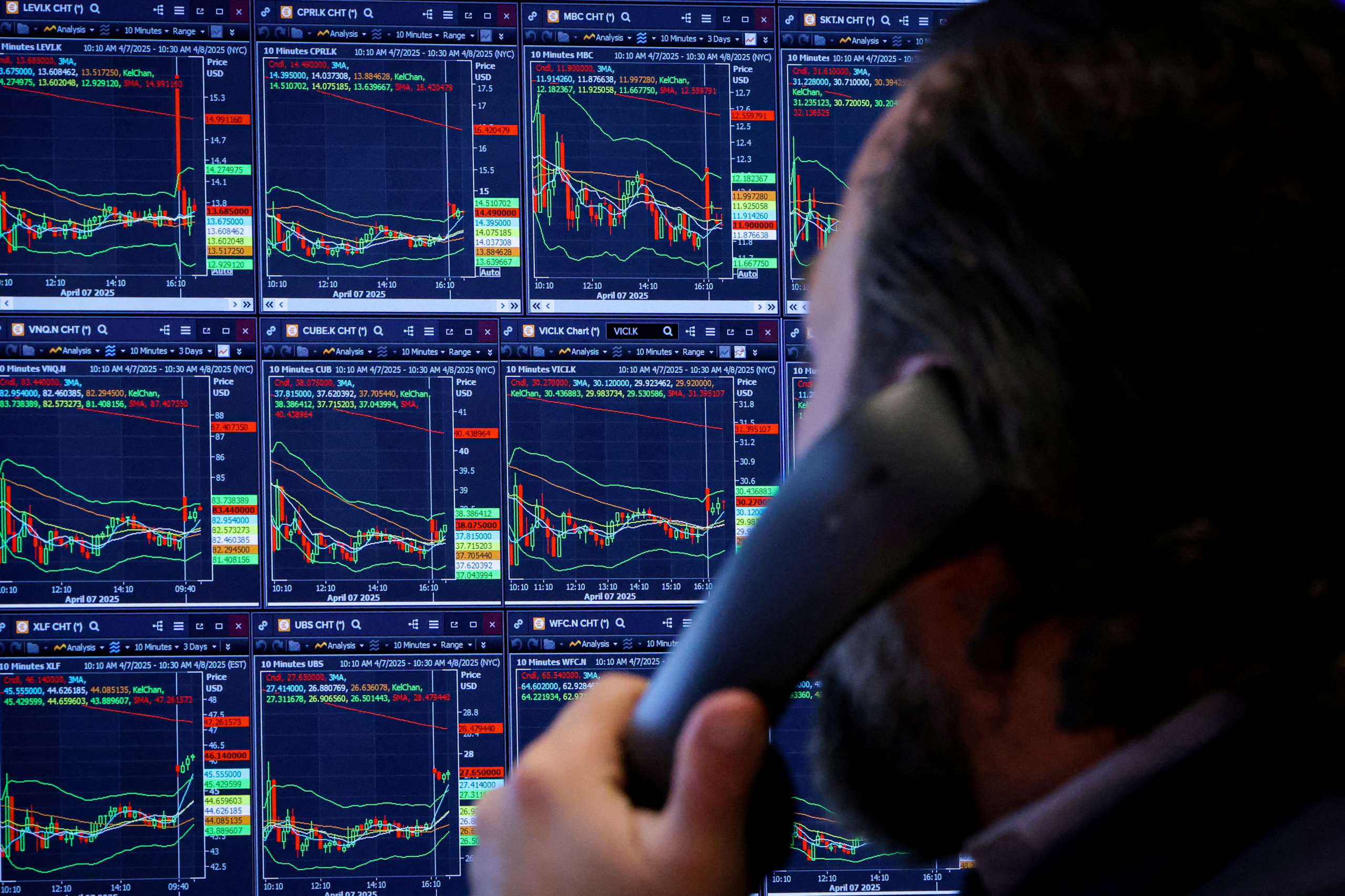
Stocks in Asia extended a slide on Wall Street on Wednesday as President Donald Trump looked set to press ahead with whopping 104% tariffs on Chinese goods, pummelling oil prices to four-year lows as global recession fears gripped financial markets.The U.S. dollar fell against safe-haven currencies but the offshore yuan hit a record low of 7.4287 per dollar overnight. Fed fund futures jumped in early Asian trade to imply around 115 basis points of interest rate cuts this year, compared to 92 basis points early on Tuesday.Overnight, Washington confirmed 104% duties on imports from China would take effect after midnight on Wednesday.The shifting headlines on tariffs and the spectre of a prolonged trade war between the world's two biggest economies sparked sharp volatility in financial markets.The S&P 500 was swept up in one of the biggest reversals in at least the last 50 years, with the benchmark index losing 4.2 percentage points from a positive start to a negative finish. The index has lost $5.8 trillion in stock market value, the deepest four-day loss since it was created in the 1950s.Early in Asia, S&P 500 futures fell 1.5% while Nasdaq futures dropped 1.7%. The pain likewise spread to Europe, with…

How top US trading partners have reacted to Trump tariffs

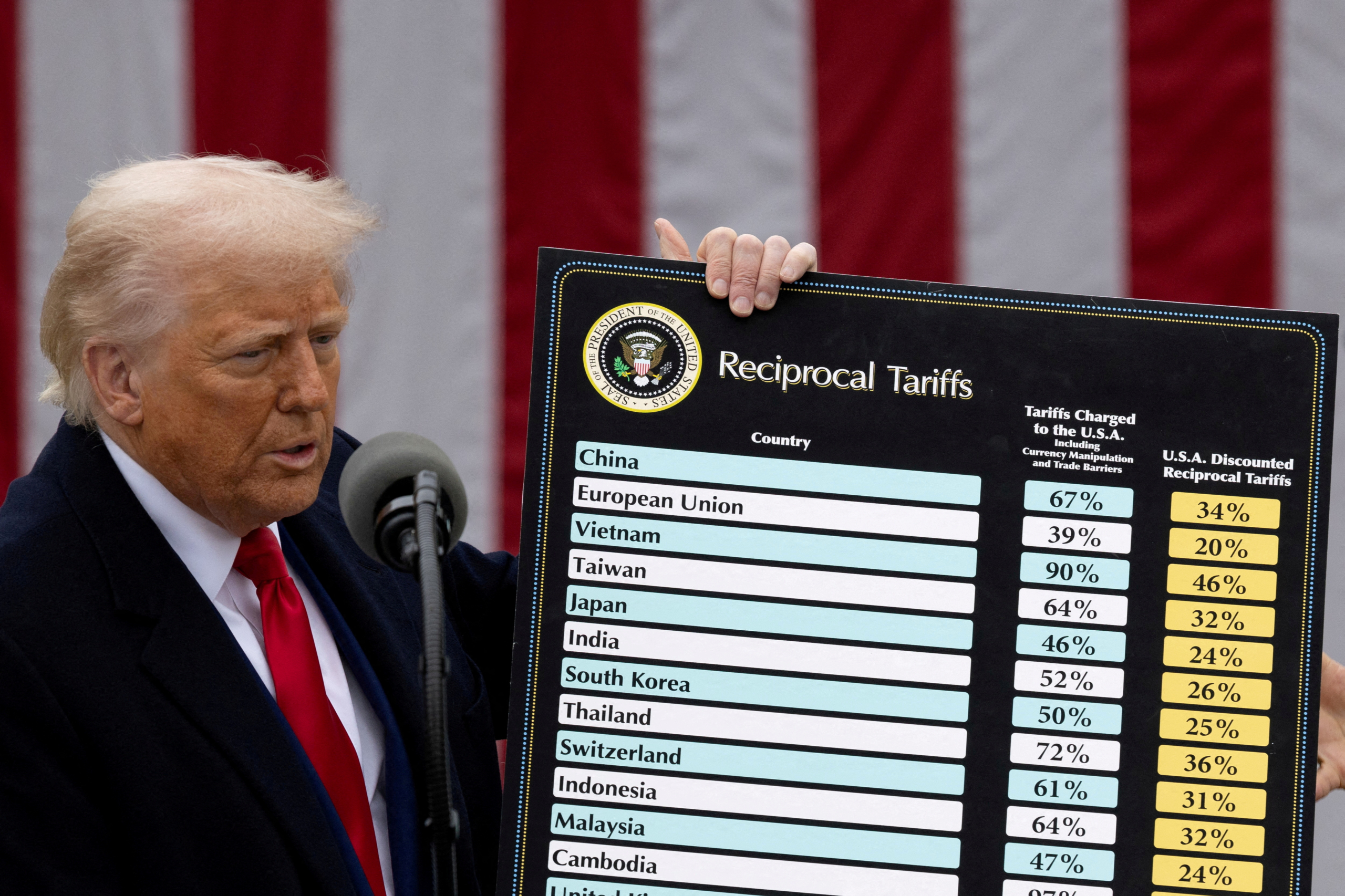
Donald Trump's sweeping new tariffs on U.S. imports have targeted countries across the world in the most serious blow to the global trading system in decades.They have prompted both retaliatory measures and efforts to negotiate a de-escalation. Here is how the United States' top 15 trading partners have reacted so far:EUROPEAN UNION - The 27-country bloc is rolling out its first set of countermeasures in April against the U.S. tariffs on steel and aluminium. It watered down initial proposals, removing for example U.S. bourbon from that list, and has also offered a "zero-for-zero" tariff deal to Washington.CHINA - Beijing struck back with matching 34% blanket tariffs on U.S. imports, export curbs on some rare earths, and by adding another 11 U.S. bodies to a list of "unreliable entities", which allows Beijing to sanction them. It vows to "fight to the end" on tariffs.MEXICO - Mexico was left off Trump's global tariffs list but still has plenty of headwinds to navigate: U.S. levies up to 25% are still imposed on automobiles, steel, and aluminium, as well as on goods that do not comply with the USMCA trade pact among the North American countries.CANADA - Canada imposed 25% tariffs on C$30 billion…

Limited options push China into trade ‘war of attrition’ with Trump

Beijing, feeling boxed into a corner by the United States' intensifying tariff assault on China and any country that buys or assembles Chinese goods, is bracing for an economic war of attrition.Washington last week imposed import tariffs of at least 10% on almost the entire world, and much higher levies on countries such as Vietnam, where Chinese factories have been shifting production. This drew retaliation from China, followed by new threats of escalation from U.S. President Donald Trump."Whoever surrenders first becomes the victim," said a Chinese policy adviser, asking for anonymity due to the topic's sensitivity. "It’s a matter of who can hold out longer."China has no great options, though. It will court other markets in Asia, Europe and the rest of the world, but this may not be much of an escape valve.Other countries have much smaller markets than the U.S., and local economies are also taking a hit from the tariffs. Many are also wary of allowing more cheap Chinese products in.Domestically, a currency devaluation would be the simplest way to cushion the tariffs' impact but that could trigger capital outflows, while also alienating trade partners China may try to court. China has so far allowed very limited…