How China went from courting Trump to ‘never yield’ tariff defiance

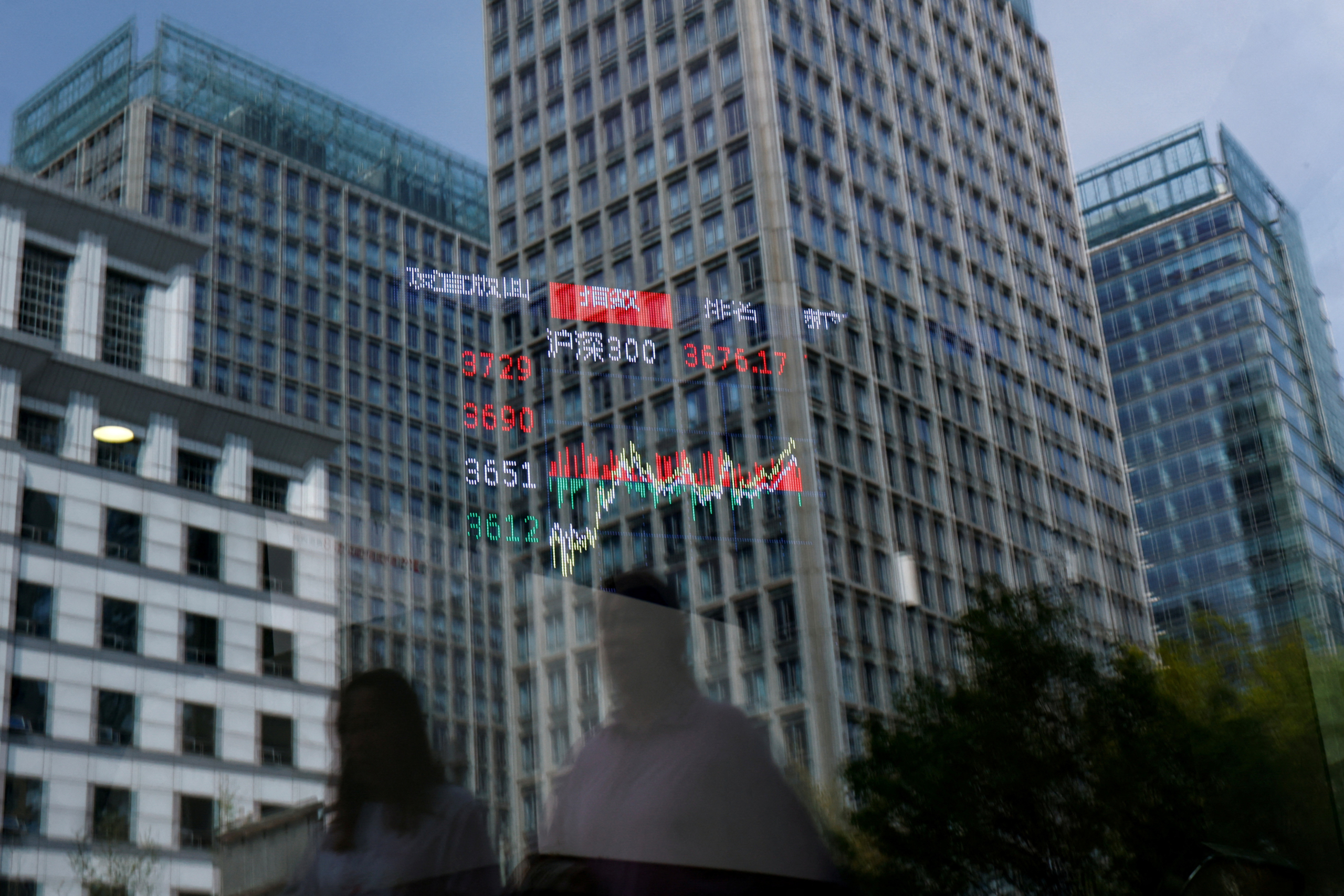
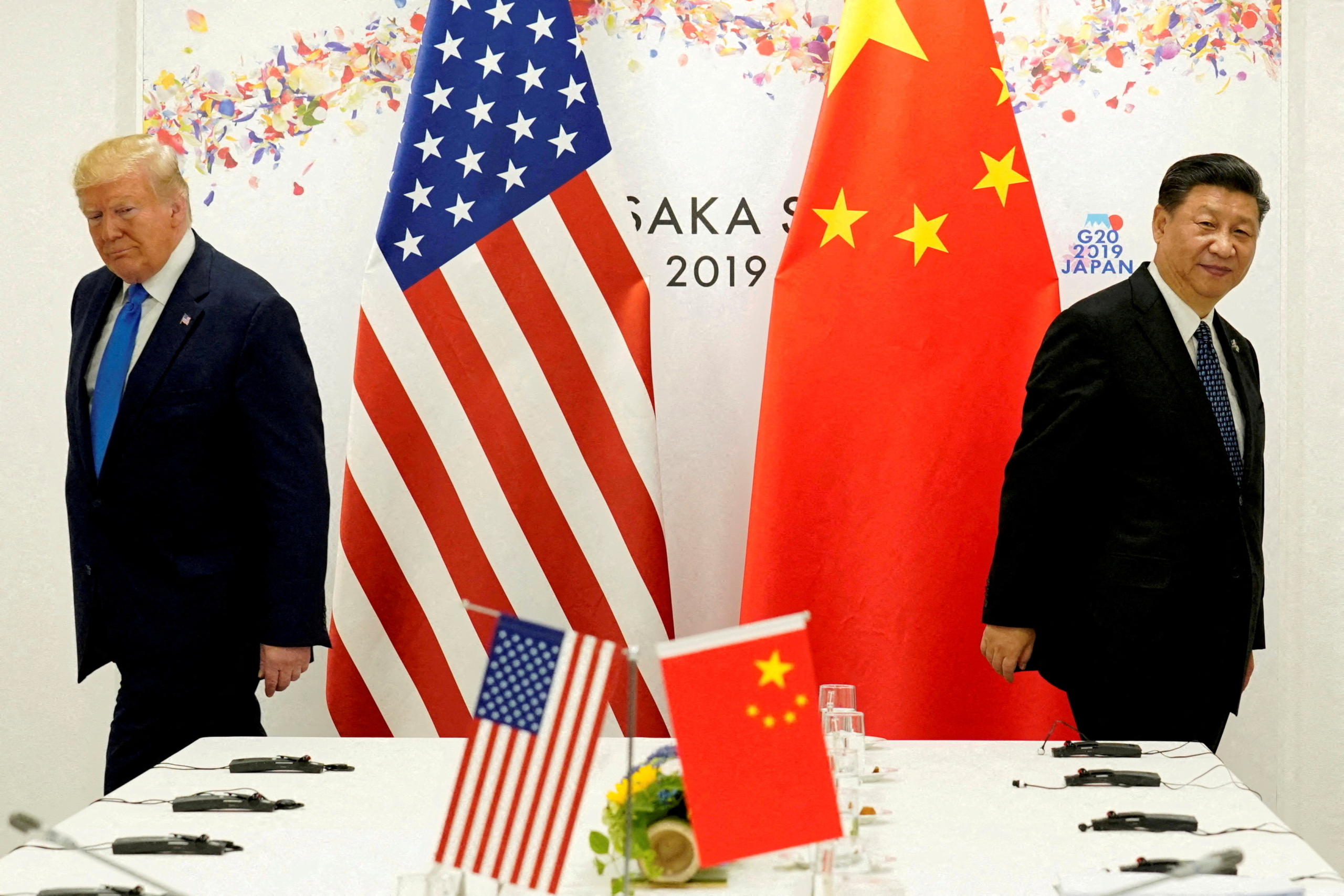
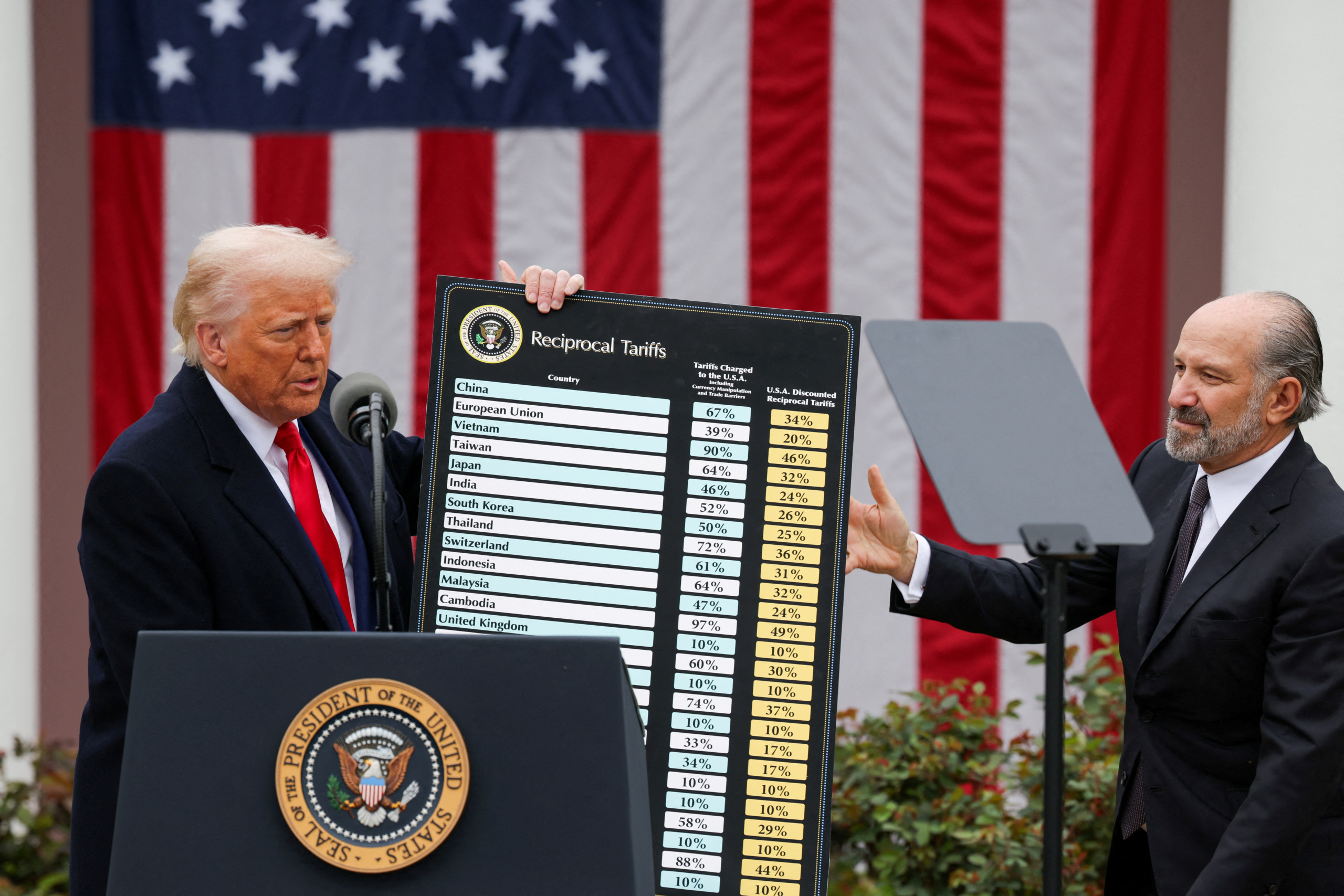
China has put civilian government officials in Beijing on “wartime footing” and ordered a diplomatic charm offensive aimed at encouraging other countries to push back against U.S. President Donald Trump’s tariffs, according to four people familiar with the matter.Communist Party propaganda officials have played a leading role in framing China’s response, one of the people said, with government spokespeople posting defiant clips on social media featuring former leader Mao Zedong saying “we will never yield.”As part of the “wartime” posture, the details of which are being reported by Reuters for the first time, bureaucrats in the foreign affairs and commerce ministries have been ordered to cancel vacation plans and keep mobile phones switched on around the clock, two of the people said. Departments covering the U.S. have also been beefed up, including with officials who worked on China’s response to Trump’s first term, they said.The combative all-of-government approach after Trump’s “Liberation Day" salvo marked a hard turn for Beijing, which had tried to avoid a spiralling trade war. For months, Chinese diplomats had tried to establish a high-level channel of communication with Trump’s administration to defend what China’s cabinet has described in state media campaigns as a “win-win” trading relationship.Optimistic…
US Commerce Secretary says exempted electronic products to come under separate tariffs

U.S. Commerce Secretary Howard Lutnick said on Sunday in an interview with ABC's "This Week" that smartphones, computers and some other electronics will come under separate tariffs, along with semiconductors that may be imposed in a month or so.U.S. President Donald Trump's administration late on Friday granted exclusions from steep tariffs on such products, imported largely from China, providing a big break to tech firms like Apple that rely on imported products.Source: Reuters.com

US excludes smartphones, computers from Trump’s reciprocal tariffs

The Trump adminisitration has granted tariff exclusions for smartphones, computers and other electronics imports supplied largely by China, sparing them from much of President Donald Trump's steep 125% duties.In a notice to shippers, the U.S. Customs and Border Protection agency published a list of tariff codes that will be excluded from the duties. The exclusions are retroactively to 12:01 a.m. on April 5.The U.S. CBP listed 20 product categories, including the very broad 8471 code for all computers, laptops and disc drives and automatic data processing. It also included semiconductor devices, equipment, memory chips and flat panel displays.The notice did not provide an explanation for the Trump administration's move, but the late-night exclusion provides welcome relief to major U.s. technology firms, including Apple (AAPL.O) Dell Technologies and countless other importers.The move represents another step back from Trump's maximalist tariff approach, including several escalations of his duties on Chinese goods.Source: Reuters.com

Global bond funds log biggest weekly outflows in over five years

Global bond funds saw their largest weekly outflow in over five years in the week to April 9, as investors pulled back even from traditionally safer bonds amid recession fears and an escalating U.S.-China trade war that are stoking concerns over inflation in the United States.According to LSEG Lipper data, investors withdrew a net $25.71 billion from global bond funds during the week, the biggest amount for a week since April 1, 2020.U.S. Treasuries saw heavy selling this week after President Donald Trump escalated the trade war with China, lifting tariffs on Chinese imports on Wednesday to an effective rate of 145% and fuelling concerns that Beijing could raise its own duties. China did take that step on Friday, hiking its tariffs on U.S. imports to 125%.The benchmark 10-year U.S. treasury yield has so far increased about 45.5 basis points to 4.45% this week, the biggest increase in a week since November 2001.Some analysts said the selloff in U.S. bonds signals a shift in global confidence, with Treasuries, long seen as the bedrock of the financial system, coming under strain from rising geopolitical tensions and doubts over U.S. financial dominance.By region, investors pulled a net $15.64 billion from U.S. bond…

EM nations hit pause on debt sales after record first quarter

Turmoil in the wake of U.S. President Donald Trump's tariff hikes has abruptly stalled emerging market sovereign debt sales in April, after issuance from developing nations and companies shattered first-quarter records.April is usually a busy month for emerging market debt sales on international capital markets, but policy uncertainty, fears of global recession and spiking U.S. yields have choked risk appetite.No sovereign has tapped hard currency markets so far in April, according to investment research company Tellimer. This is in sharp contrast to the first quarter, where emerging market firms issued $150 billion and sovereigns $89 billion, according to calculations from JPMorgan.While the White House this week paused for 90 days the sweeping new tariffs it had introduced on April 2, sentiment has not recovered, said analysts.Frontier markets, or smaller, riskier economies - many of which are in Africa - have found themselves at the sharp end of recent market turmoil."At the moment, we should not expect any issuance at all," said Andrew Matheny, managing director of economics research at Goldman Sachs, referring to any potential eurobond sales from Africa in the short term."Whether countries will be able to access markets later in the year will depend on how the global…

Fed’s Collins tells Yahoo Finance that markets are holding in for now

Federal Reserve Bank of Boston President Susan Collins said Friday that financial markets, which have been under massive pressure, appear to be holding in, in comments made in an interview with Yahoo Finance.“Markets continue to function well,” Collins said in the interview, adding “financial market movements are something to stay focused on” amid a huge range of uncertainty tied to trade policy.Collins' comments to Yahoo come after a speech the official made late Thursday that flagged the uncertain outlook caused by the Trump administration's tariffs, amid expectations the big rise in import taxes imposed by the president will drive up inflation and depress growth for a time.Collins told Yahoo the economy entered the year robustly. Now, uncertainty "clouds the outlook" and in conversations with contacts in her district, Collins said "what I hear is really a pervasive wait-and-see approach as firms consider how to react to an environment that is highly uncertain and with the tariffs quite elevated."Collins downplayed recession risks but did not rule them out. "There are more adverse scenarios that I wouldn't rule out, but my own kind of modal scenario is one of slower growth, not a significant downturn," the official said.Source: Reuters.com

WTO chiefs past and present demand rapid reform to keep global free trade alive

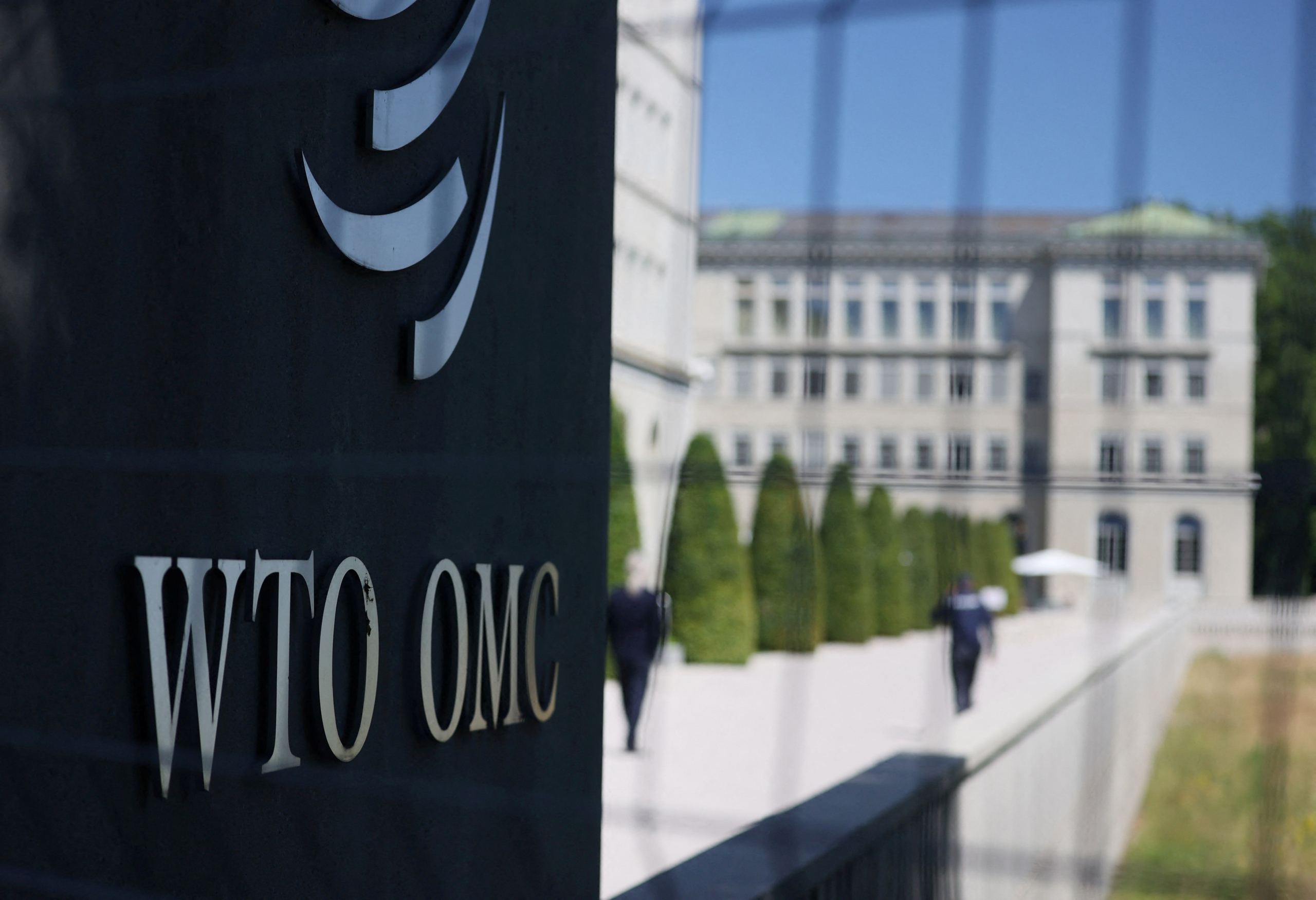
A former World Trade Organization boss has said the future terms of global trade, rocked by U.S. President Donald Trump's sweeping protectionist tariffs, could be decided outside the 30-year-old international watchdog unless it reforms itself fast.The speech late on Thursday by Roberto Azevedo, who stepped down as director-general in 2020 during Trump's first term, was summarised by trade sources who attended a WTO anniversary event.He said a loss of appetite for shared global trading rules could encourage the creation of a replacement for the WTO that would exclude some current members, adding, according to his team: "If we don't change, we are dead."The current WTO director-general, Ngozi Okonjo-Iweala, told members that a reform process must begin in Geneva ahead of a ministerial meeting in Cameroon next year."We need to formulate the right questions to be answered ... and put in place a member-owned process to drive it," she said.Global markets were ending the week as they began, in turmoil, despite a brief respite on Wednesday after Trump paused duties above 10% for most countries except China.Until now, talks on updating WTO rules have struggled partly because all 166 members must agree by consensus. Efforts to fix its top appeals court,…

Foreign investors dump $6.5 billion of U.S. equities in a week

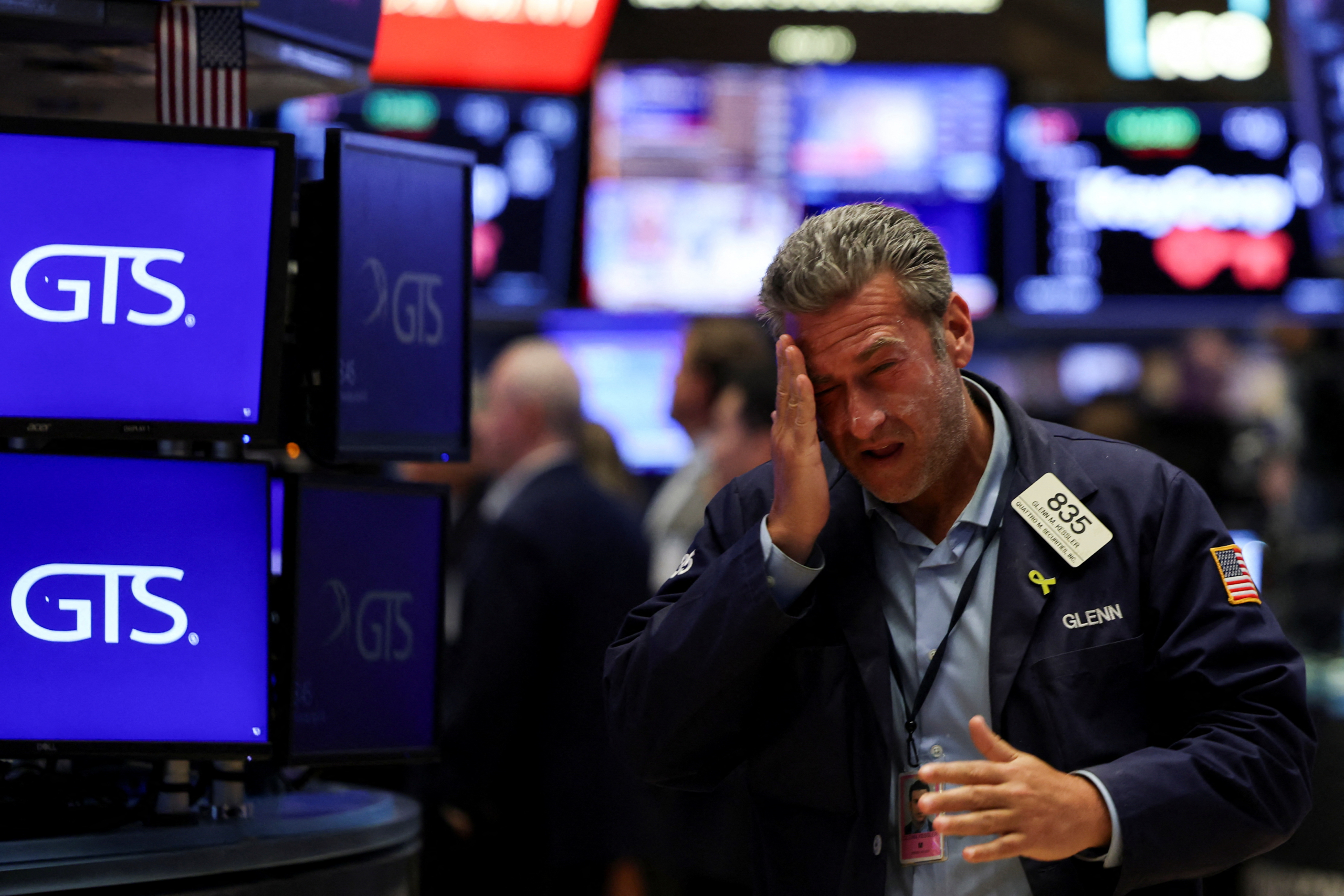
Foreign investors dumped $6.5 billion of U.S. equities in the five trading sessions ending Wednesday, BofA Global Research said on Friday, as tariff induced turmoil gripped markets.Safe haven U.S. Treasuries saw their biggest ever weekly inflow of $18.8 billion, while investors withdrew $21.3 billion from active equity funds and a record $15.9 billion from high yield bond funds, BofA said in its weekly round up of flows in and out of world markets.Equity funds actually saw inflows of $48.9 billion, but BofA said "liquidation events" such as the collapse of Lehman Brothers or during the spread of Covid, "cause ETF share creation to facilitate stock sales and shorting."Source: Reuters.com

Stocks, dollar sink, bonds pummelled again as trade war roils markets

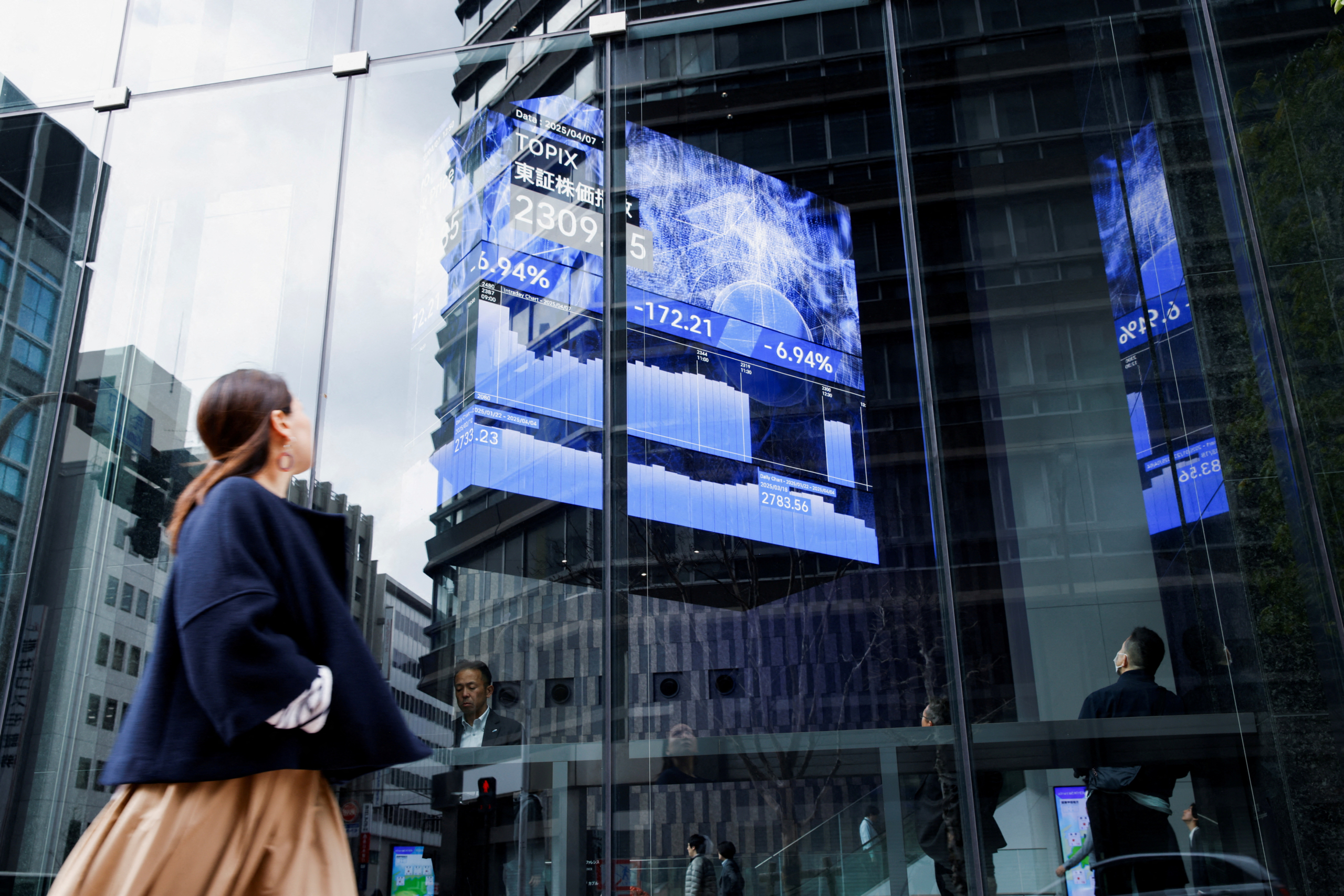
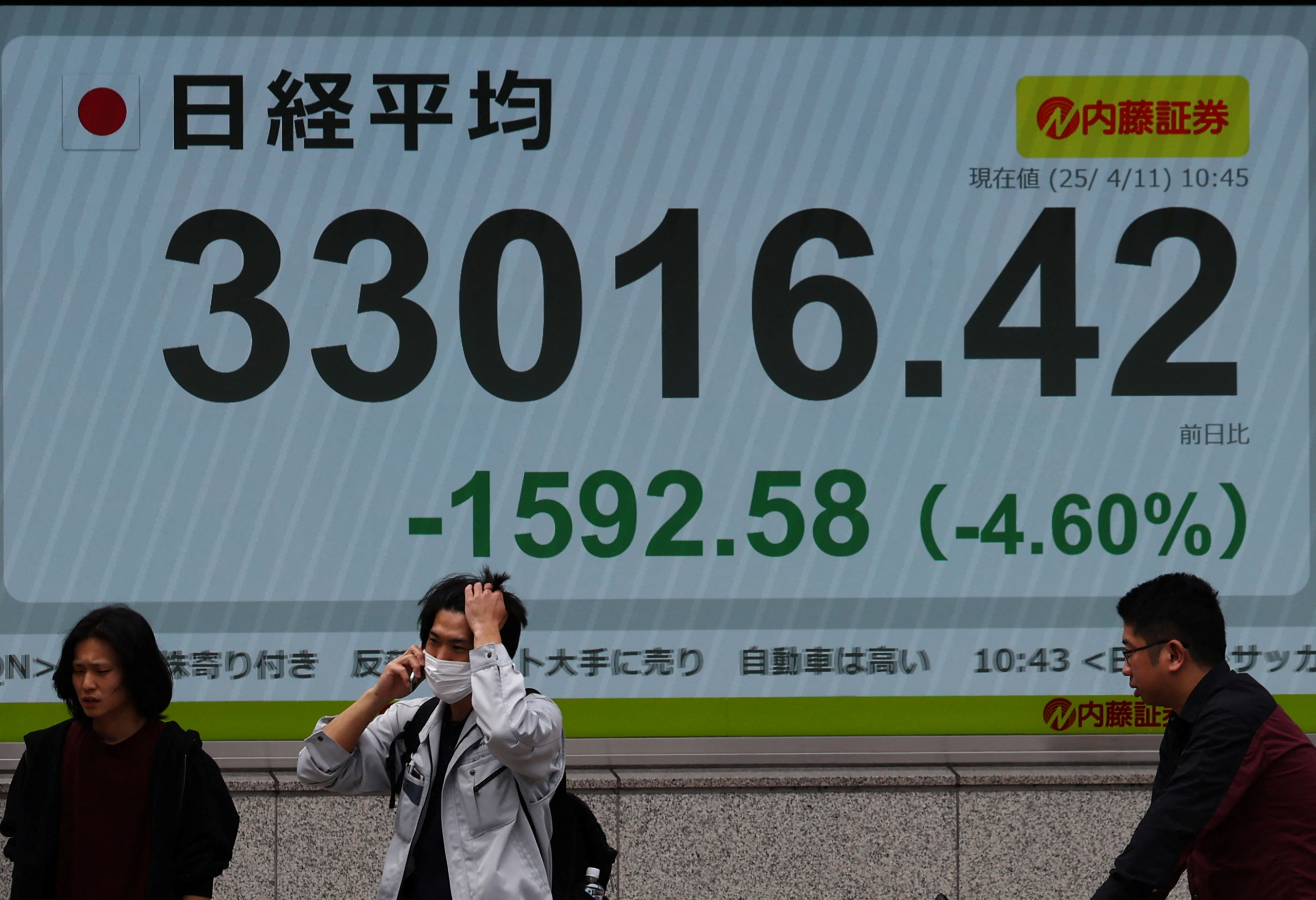
Global stocks slumped and the dollar sank further on Friday, while a manic bond selloff took hold in a brutal end to the week of tit-for-tat worldwide tariffs that have fed fears of a deep recession and shaken investor confidence in U.S. assets.The anxiety has sparked a rush into safe havens, sending the Swiss franc soaring to a decade high against the dollar, and gold to a new peak after a brief but massive relief rally following U.S. President Donald Trump's move to temporarily lower tariffs on many countries.The selloff in U.S. Treasuries picked up pace during Asian hours, with the 10-year note yield rising to 4.475%, gaining over 40 basis points in the week, the biggest increase since 2001, LSEG data showed.Analysts and investors across the globe have pointed to this week's sharp sell-off in Treasuries and weakness in the dollar as evidence that confidence in the world's biggest economy has been shaken."There's clearly an exodus from U.S. assets. A falling currency and bond market is never a good sign," said Kyle Rodda, senior financial markets analyst at Capital.com. "This goes beyond pricing in a growth slowdown and trade uncertainty."In Asia, Japan's Nikkei (.N225) tumbled 4.5% on the day,…

ECB’s Villeroy says Trump policies have eroded confidence in US dollar

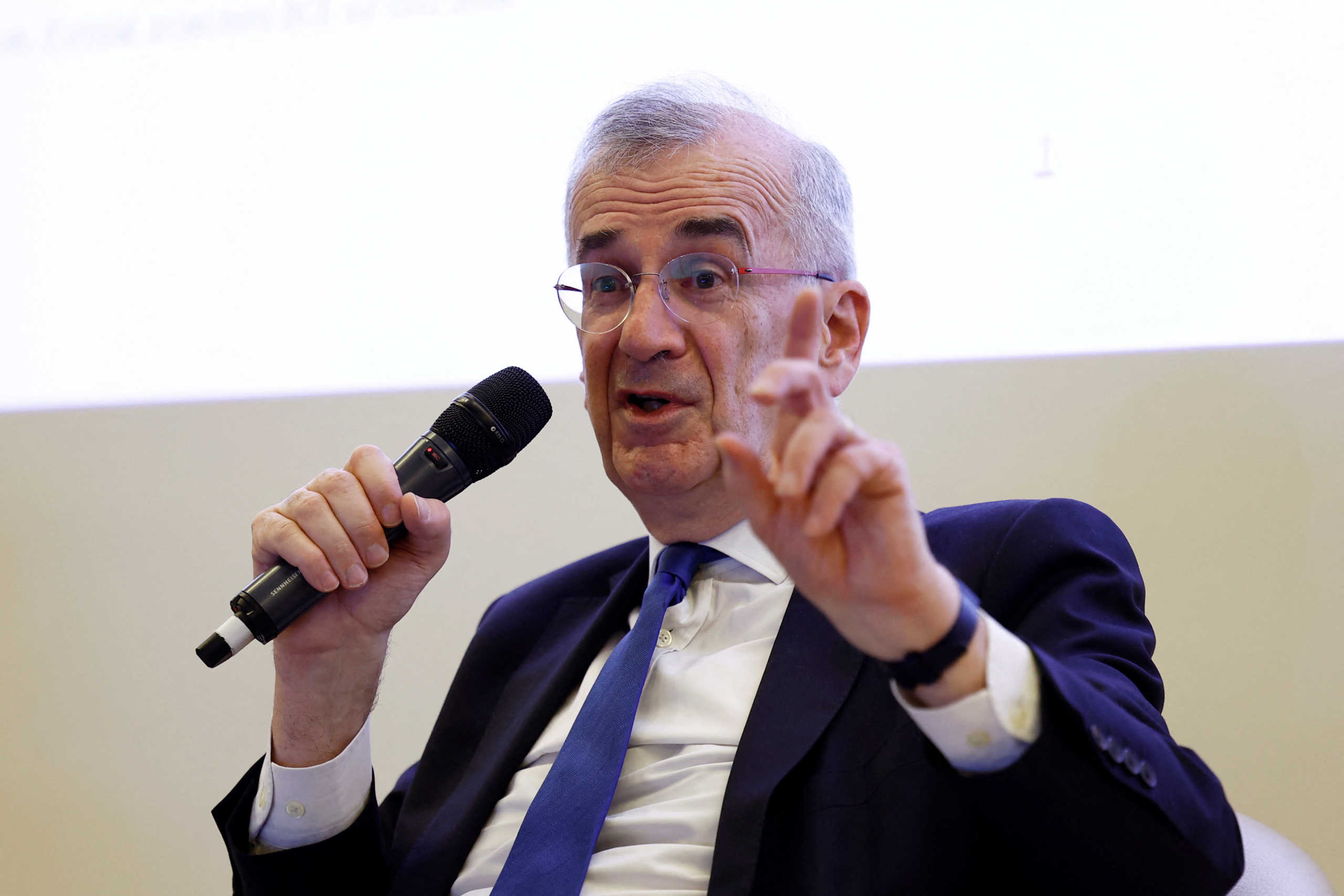
US President Donald Trump's policies in recent weeks have eroded confidence in the US dollar, European Central Bank (ECB) policymaker Francois Villeroy de Galhau said on Thursday.Speaking on France Inter radio, Villeroy - who is also head of the Bank of France - said the protectionism and unpredictability of the Trump administration were "bad elements" for the US economy.On Wednesday, U.S. President Donald Trump said he would temporarily lower the hefty duties he had just imposed on dozens of countries while further ramping up pressure on China, sending global stocks rocketing higher."The big element of constancy in US policy of the past decades is the attachment to the central role of the dollar. I believe that the Trump administration also has that view, but it is very incoherent in the way it practices that. What has happened in recent days and weeks plays against the confidence in the US currency," Villeroy said.He added that this can be a positive factor in the development of the international role of the euro."Thank God that Europe, 25 years ago, created the euro. We have created our own monetary autonomy, we can manage our interest rates in a way that is different from the…