Bill Ackman reiterates call for pause on implementing Trump’s tariffs

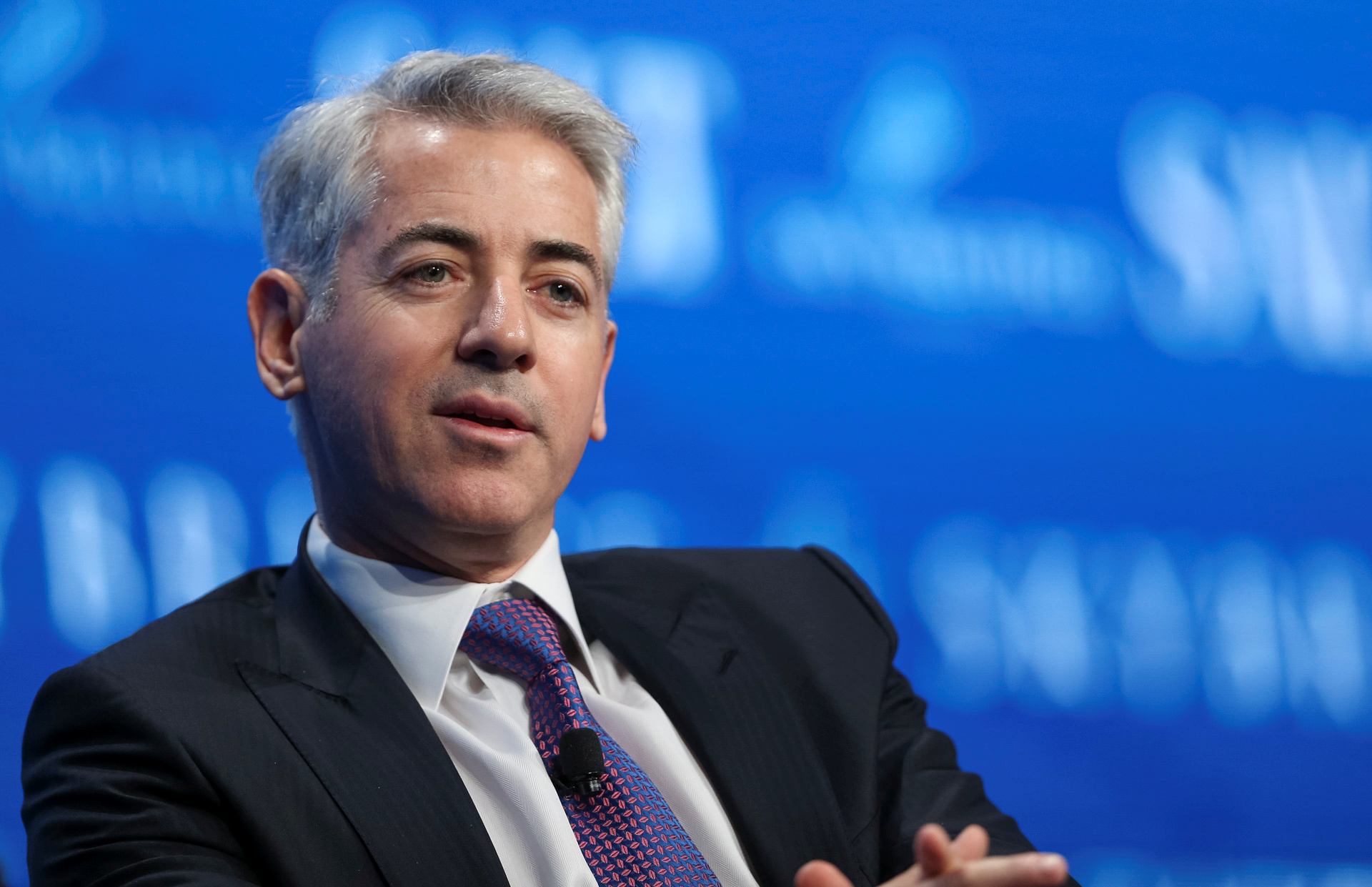
Billionaire fund manager Bill Ackman, who endorsed Donald Trump's run for president, ratcheted up his pleas with Washington to hit pause on tariffs to stave off "a major global economic disruption."While tariffs are an essential tool for eliminating "unfair trading practices" by partners, implementing them without allowing time for agreements will do "unnecessary harm," he said in a post on social media platform X on Tuesday.A pause of 30, 60, or 90 days will prevent "a major global economic disruption that would harm the most vulnerable companies and citizens of our country," Ackman added.The comments reflect growing alarm in corporate America, as the new trade barriers raise fears of global retaliation, a potential trade war, renewed inflation and an eventual recession.Ackman is among a number of high-profile executives who have expressed concerns over Trump's new tariff plan. If the "asymmetric tariff deals" are not resolved, it can lead to an "economic nuclear winter", he has said.The policy has also created tensions within Trump's inner circle. Elon Musk, the Tesla (TSLA.O) CEO who is leading the administration's Department of Government Efficiency, has lashed out at Peter Navarro, Trump's top trade adviser who is widely seen as the architect of the tariff…
Indonesia announces trade concessions for US ahead of talks

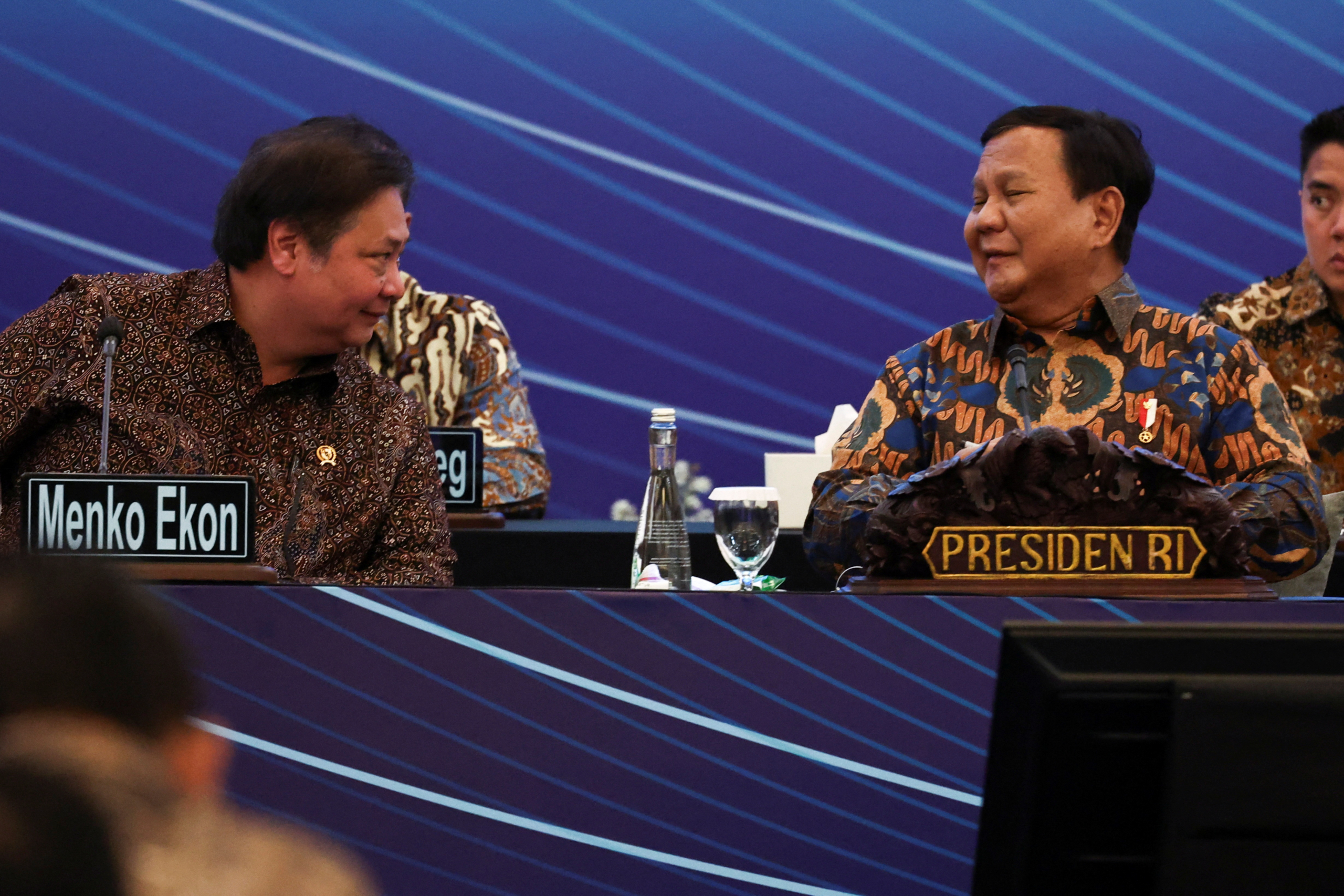
Indonesia announced a raft of concessions on U.S. imports Tuesday, including reducing taxes on electronic goods and steel, ahead of trade negotiations with Washington over President Donald Trump's sweeping tariffs.Southeast Asia's biggest economy will send a high-level delegation to the United States next week in hopes of securing a deal to ease the impact of a 32% tariff due to take effect on Wednesday.Indonesia plans to buy U.S. liquefied petroleum gas, liquefied natural gas and soybeans as part of the negotiation efforts, said chief economic minister Airlangga Hartarto, who will lead the delegation travelling to Washington on April 17.He was speaking at a conference discussing how to respond to U.S. tariffs that was attended by President Prabowo Subianto, senior officials and business leaders.Prabowo told the conference that some import quotas were no longer necessary. Indonesia imposes quotas on imported rice, corn, sugar and beef among other goods.And there was also room for flexibility on what he called Indonesia's uncompetitive local content rules, suggesting they should be replaced with incentives.The rules came into the spotlight last year when Indonesia banned the iPhone 16. It was cleared for sale last month after Apple pledged more than $300 million in investments.Finance Minister Sri…

US is starting to look like an emerging market after tariff shock, Euronext CEO says

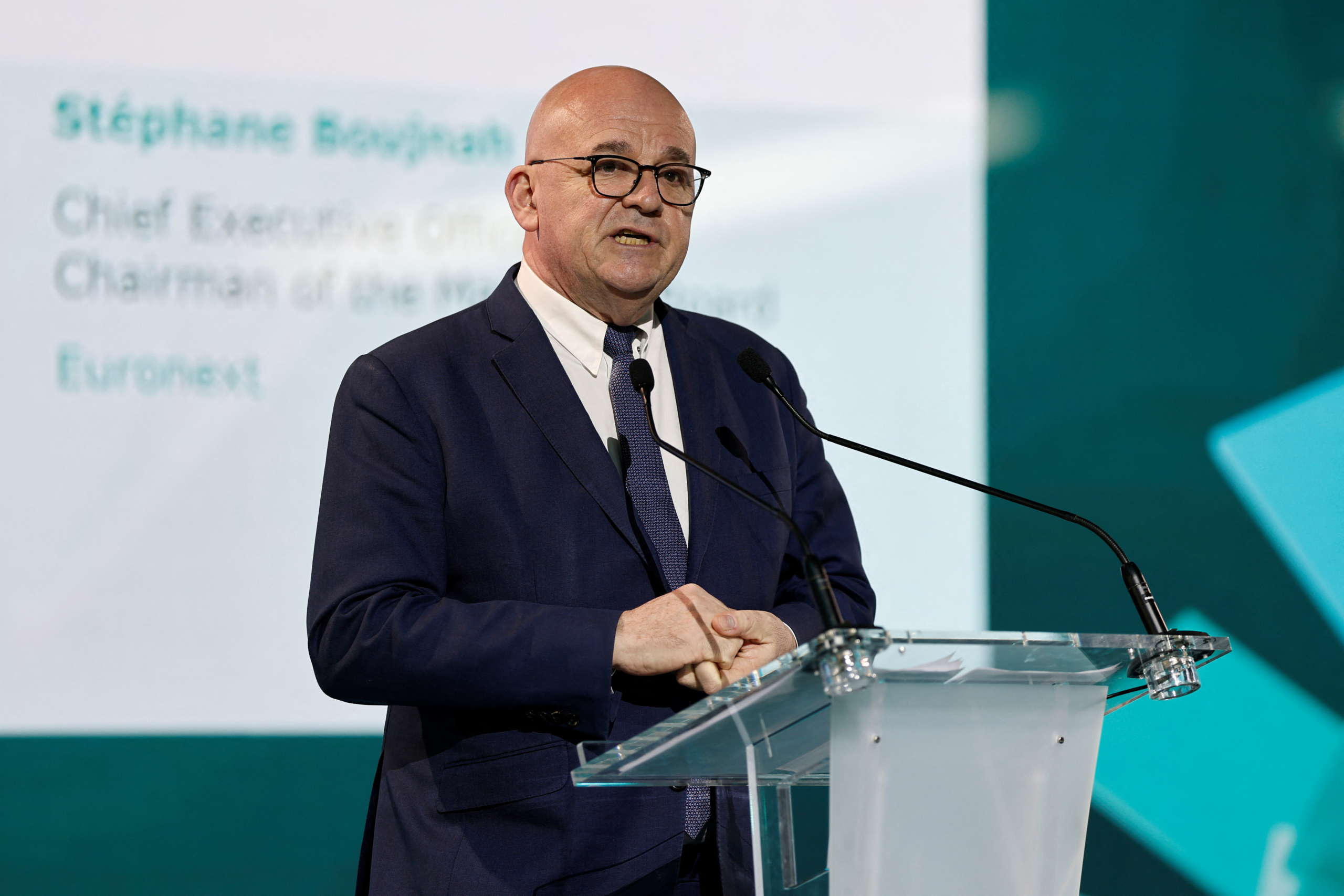
The United States is starting to resemble an emerging market more than a developed country, the head of pan-European stock exchange operator Euronext (ENX.PA) said on Tuesday as financial markets remained volatile after the imposition of sweeping U.S. tariffs."Fear exists all over," Euronext CEO Stephane Boujnah told France Inter radio. "The country (United States) is unrecognisable and we are living in a transition period. There is a certain form of mourning, because the United States that we had known for the most part as a dominant nation resembled the values and institutions of Europe and now resembles more an emerging market."Boujnah said investors had been forced to grapple with uncertainty since U.S. President Donald Trump took office in January. "People ... have difficulty understanding the volatility of decisions that are made, so this worry is real, and it is a form of intimidation that diffuses in the system and is difficult to navigate," he said.Global financial markets are rotating assets and are trying to adapt to a United States that they do not recognise after Trump announced global tariffs on imports to the United States, Boujnah said.Trump has said the tariffs - a minimum of 10% for all U.S. imports,…

Goldman Sachs says markets pricing in 70% probability of Ukrainian peace deal

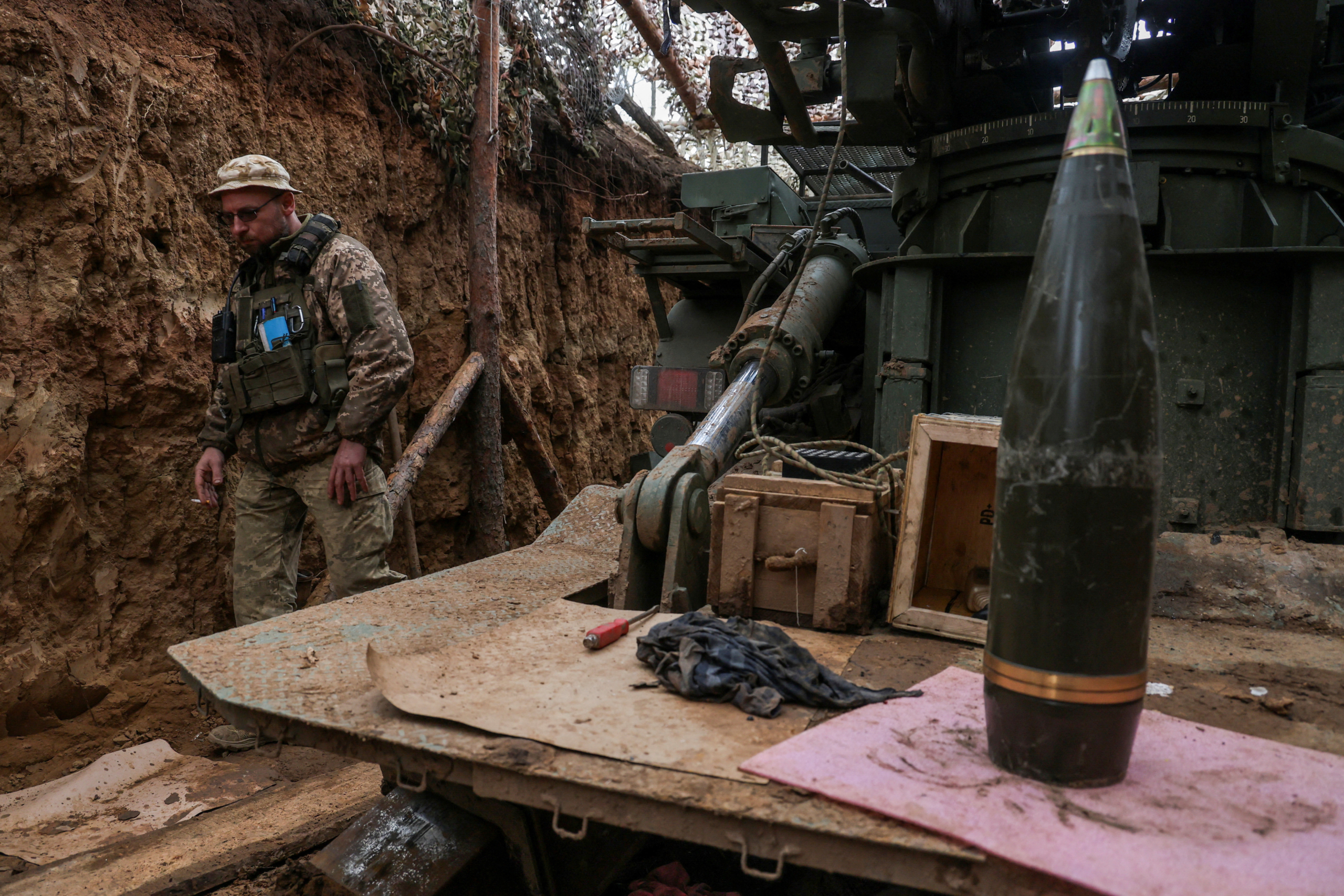
U.S. investment bank Goldman Sachs said bond pricing inferred that markets believed there was 70% probability of a Ukraine peace deal, up sharply from before the November election of U.S. President Donald Trump."Our modeling suggests that current market pricing for a peace deal has risen from below 50% prior to US elections to around 70% at present," Goldman Sachs said in research note to clients.It added, however, that this was slightly lower than a peak of 76% in February.Trump, who says he wants to be remembered as a peacemaker, has repeatedly said he wants to end the "bloodbath" of the three-year conflict in Ukraine - which his administration casts as a proxy war between the United States and Russia.President Vladimir Putin said last month that Russia supported a U.S. proposal for a ceasefire in Ukraine in principle, but that fighting could not be paused until a number of crucial conditions were worked out or clarified.Ukrainian President Volodymyr Zelenskiy has said that Putin's conditions for a ceasefire are unrealistic and has accused the Russian leader of wanting to continue the war.Russia currently controls a little under one fifth of Ukraine, including Crimea which Russia annexed in 2014, and most but not…

Australia April consumer confidence slammed by tariff turmoil

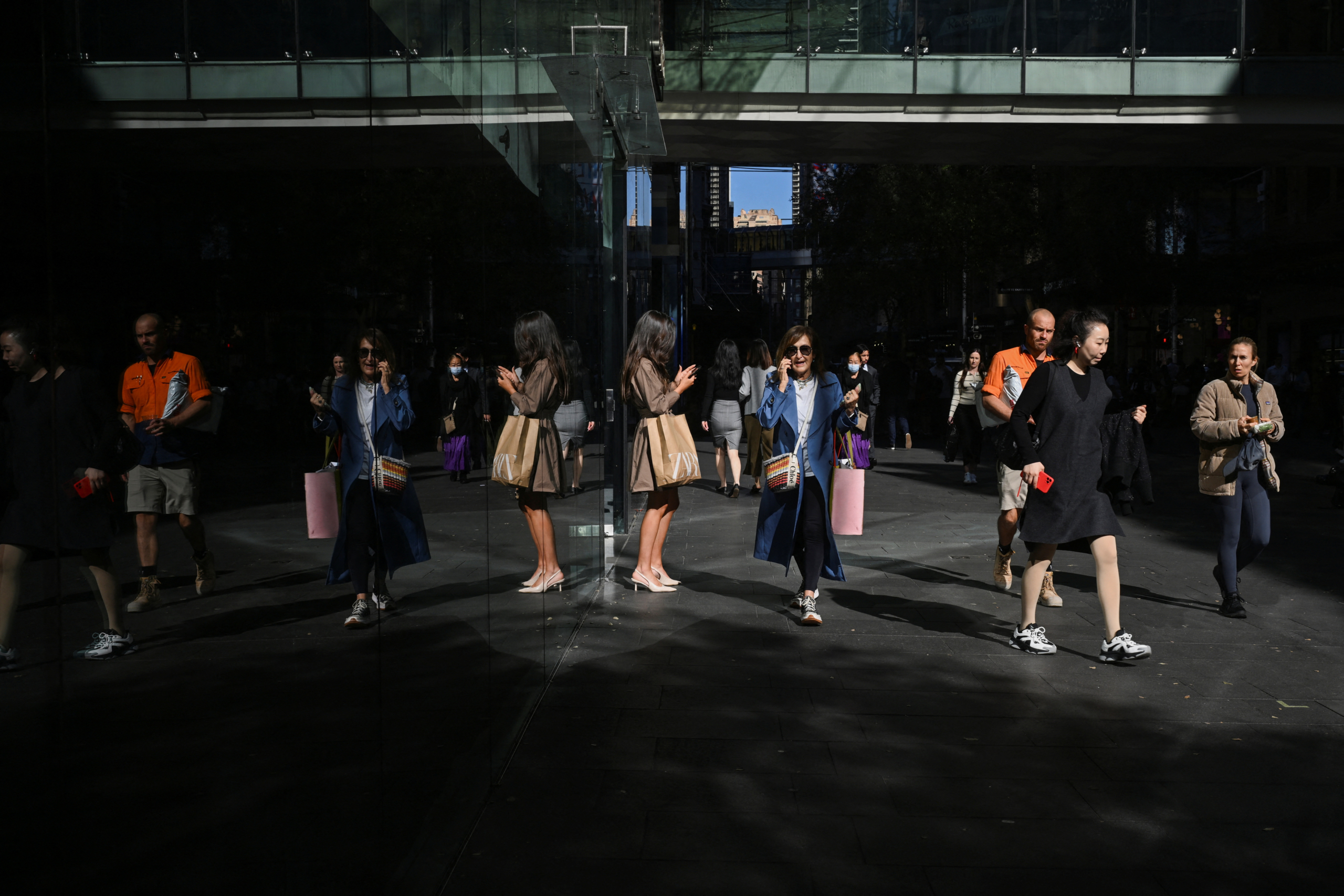
A measure of Australian consumer sentiment dived from a three-year high in April as market turmoil triggered by U.S. President Donald Trump's tariff plans hit the outlook for the economy and family finances, a survey showed on Tuesday.The Westpac-Melbourne Institute index of consumer sentiment Slid 6.0% in April from March, more than erasing the previous month's 4% gain. The index was still 9.3% higher on a year earlier at 90.1, but pessimists continued to outnumber optimists.Matthew Hassan, Westpac's head of Australian macro-forecasting, noted sentiment among consumers surveyed before Trump's announcement had eased just a touch, but the reading afterwards dropped 10% to 86.6."The scale and breadth of tariff increases, which included a 10% tariff on Australian goods, came as a major surprise, triggering a sell-off in global financial markets," he said."With the situation still deteriorating, there is a clear risk of more significant sentiment declines in the months ahead."Source: Reuters.com

Australia business activity mostly steady in March before tariff turmoil, survey says

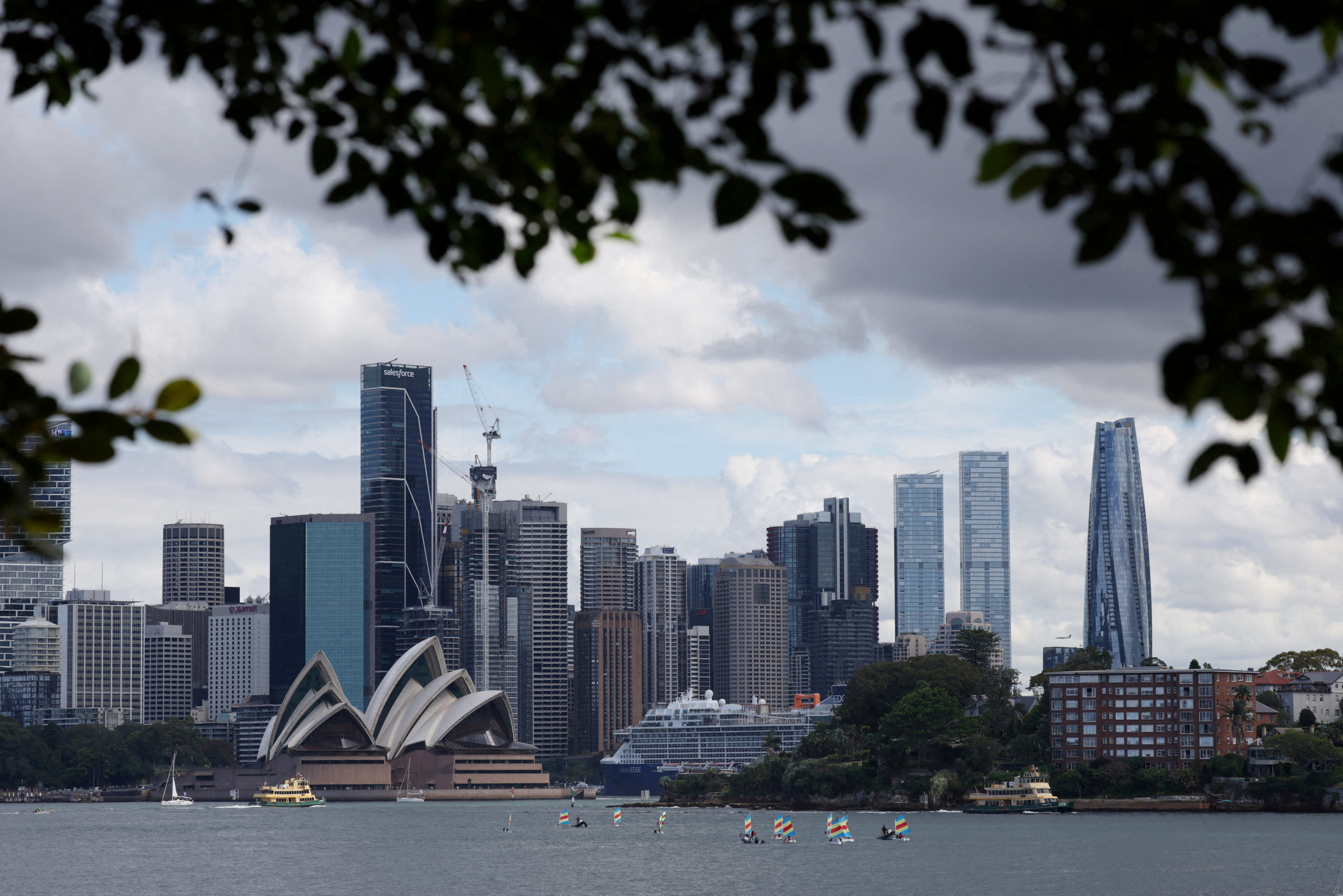
A measure of Australian business activity was largely unchanged in March before the turmoil from U.S. President Donald Trump's tariffs hit, a survey showed on Tuesday, while confidence dipped further into negative territory.The survey from National Australia Bank (NAB) showed its index of business conditions edged up 1 point to +4 in March, but remained below long-run averages.The confidence index fell 1 point to -3."Businesses remain cautious about the outlook, with confidence and conditions both below average," said Sally Auld, chief economist at NAB."This was before the reciprocal tariff announcements in early April, which may flow through to forward looking measures in the next survey."The global business landscape has drastically changed in early April, with Trump imposing a baseline tariff of 10% on all imports and threatening much higher duties on its major trading partners like China.A measure of consumer sentiment dived from a three-year high in April on worries about the incoming tariffs.Investors increasingly are convinced the Reserve Bank of Australia will cut rates again in May to offset the potential drag on global economic growth from the tariffs. It held rates steady just last week.Swaps have fully priced in a quarter-point cut from the RBA in May, with…

New Zealand to stick to current economic plans despite US tariff concerns

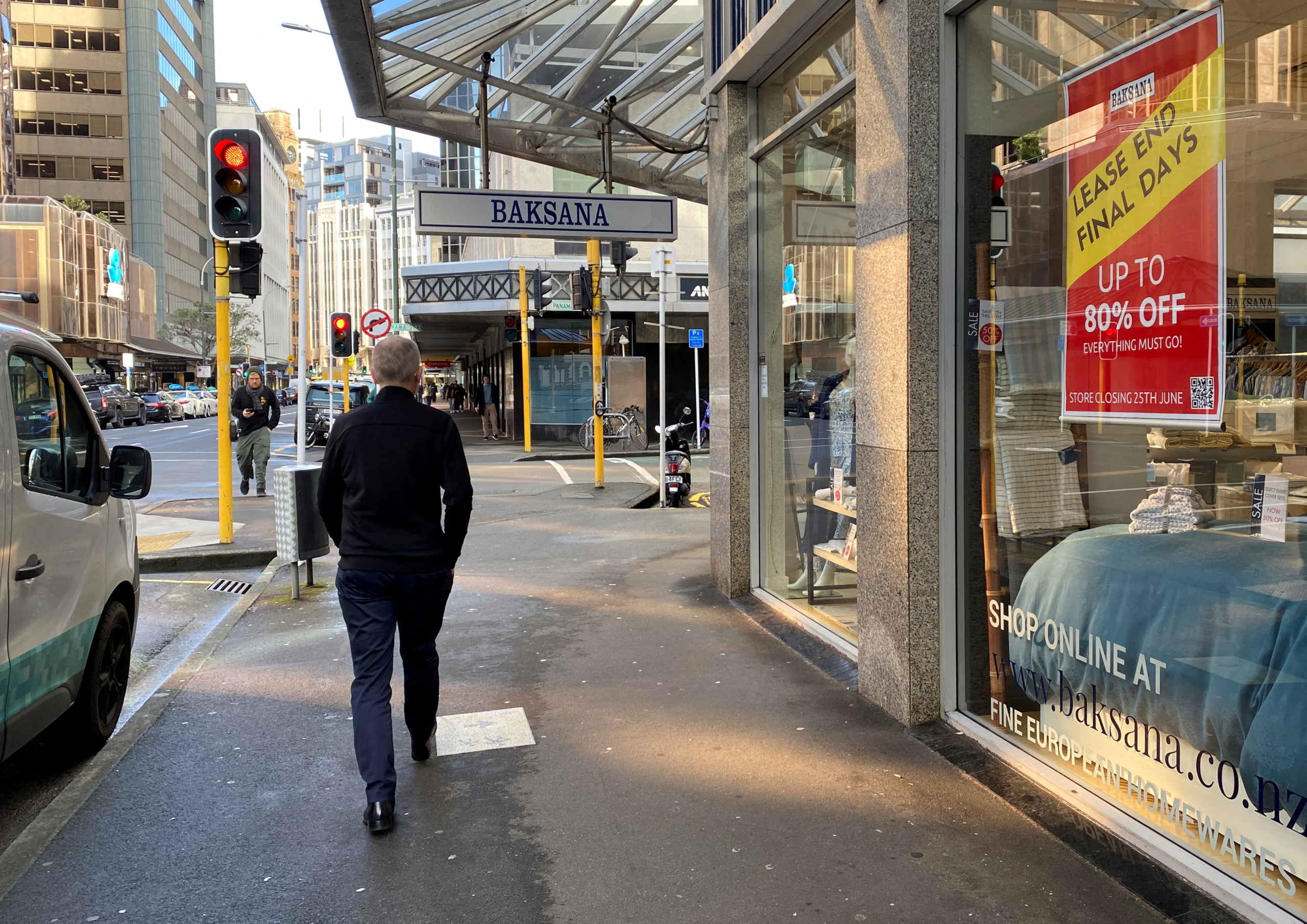
New Zealand will not revise its economic and fiscal plans despite the turmoil in the global financial markets triggered by U.S. President Donald Trump's tariff plans, Finance Minister Nicola Willis said on Tuesday.A global trade war touched off by Trump's sweeping tariffs escalated further on Monday, as he threatened to increase duties on China and the European Union proposed its own counter-tariffs, wiping out trillions of dollars in stock market value.Trump has imposed a unilateral 10% tariff on New Zealand, the low end of his reciprocal tariffs for all imports into the United States. Wellington has said it would not retaliate.Though Trump's trade policies posed risks, Willis said her government had taken measures to effectively navigate through a period of uncertainties in global financial markets."Though unwelcome, these impacts are likely to be modest in comparison with the impact for many other countries," Willis told reporters."We have enough resilience to withstand it and we are in ... a fortunate position relative to others that we can stick to our economic and fiscal strategy."Willis said the government still expects to get its books back in surplus by the end of this decade, and that she planned to include in next month's budget…

Japan leads Asian equity bounce, yields rise on trade optimism

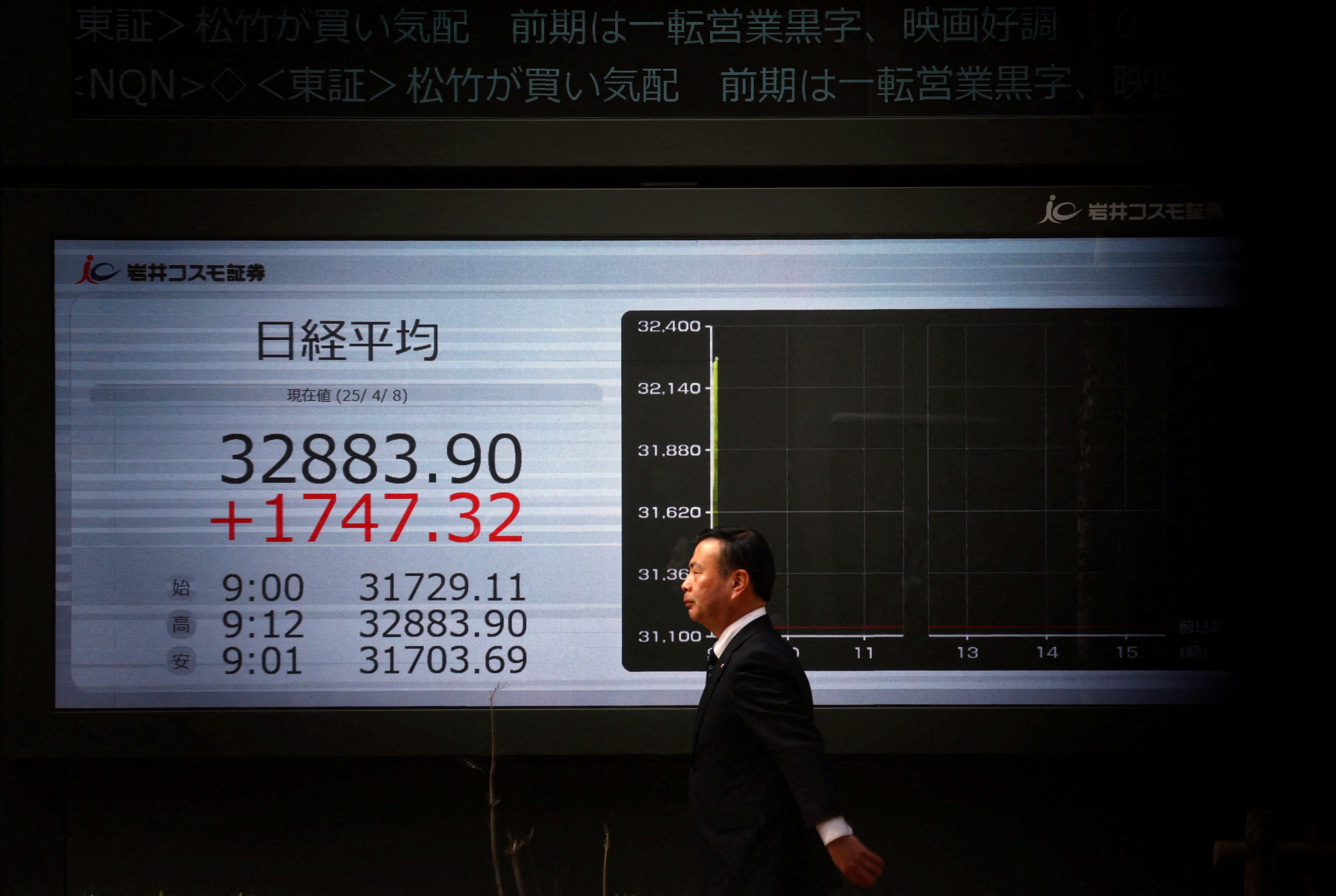
Asian stocks bounced off 1-1/2-year lows and U.S. stock futures pointed higher on Tuesday, as markets caught their breath after recent heavy selling on hopes that Washington might be willing to negotiate some of its aggressive tariffs.U.S. Treasury yields continued their ascent from six-month lows, gold hovered close to a 2-1/2-week low and crude oil recovered from a nearly four-year low, as traders began shifting back to riskier assets from traditional safe havens.A 5.6% rebound in Japan's Nikkei (.N225) far outpaced other regional markets, with Treasury Secretary Scott Bessent and Trade Representative Jamieson Greer tasked with leading trade negotiations with Tokyo.U.S. business leaders have also begun speaking out about the damage to the economy and financial markets that could be wrought by President Donald Trump's global trade war, with JPMorgan Chase (JPM.N) CEO Jamie Dimon warning on Monday of inflation and a U.S. slowdown.However, Trump dug in his heels over China, vowing additional 50% levies if Beijing does not withdraw retaliatory tariffs on the United States. Beijing said on Tuesday it will never accept the "blackmail nature" of U.S. tariff threats.Even so, Hong Kong's Hang Seng (.HSI) climbed 1.7% in early trading. Mainland Chinese blue chips (.CSI300) added 0.6%.The Chinese…

Trump leaves emerging market central banks with no clean choices

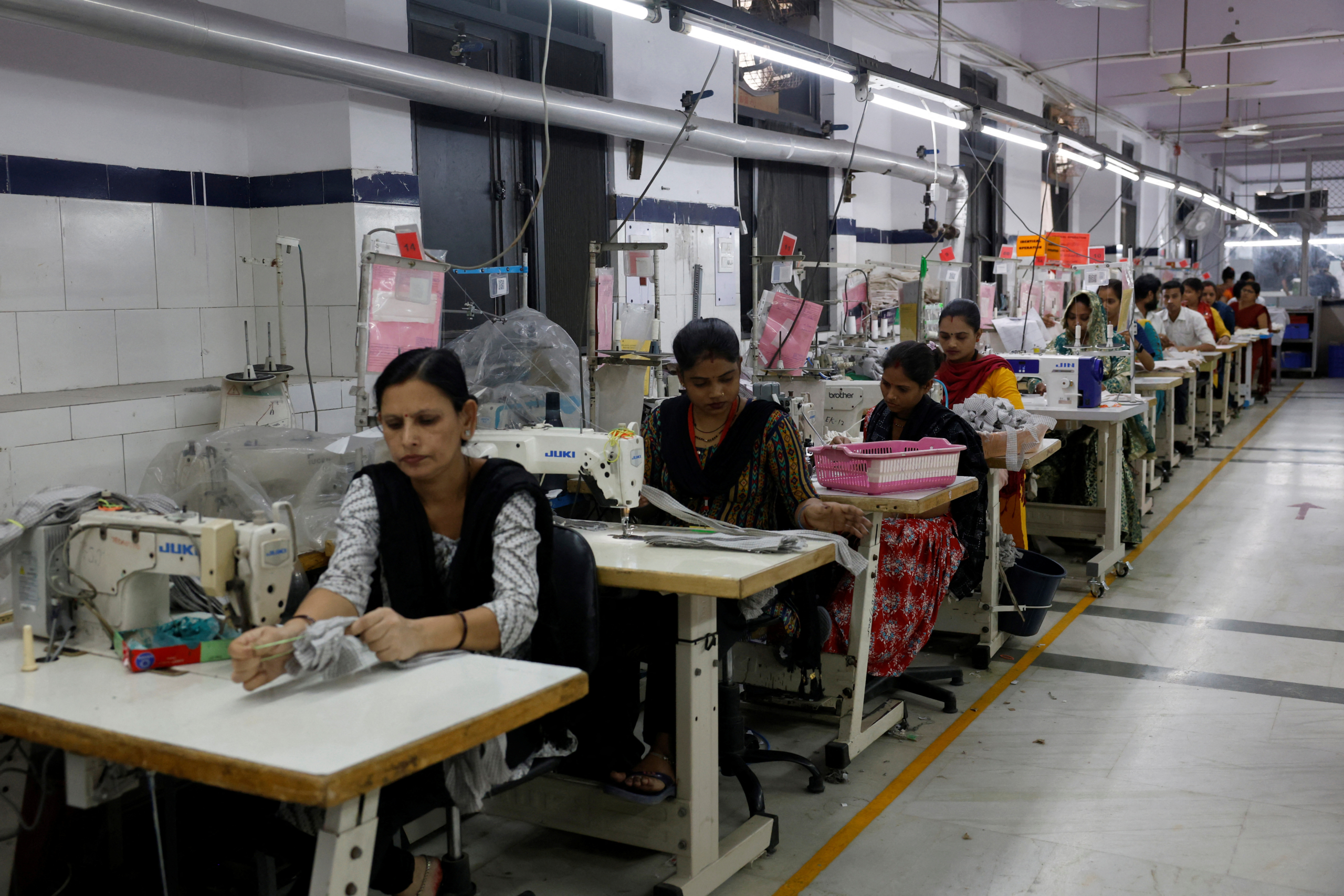
U.S. President Donald Trump's bruising blast of tariffs last week has thrown emerging market central banks a fresh curve ball with many now forced to make the tough choice between supporting economic activity and keeping fragile currencies stable.Economies such as India and Indonesia had until now taken a cautious approach to interest rate cuts, keen to avoid the kinds of market meltdowns that have roiled their economies in past decades.However, some of those market stability concerns are now taking a back seat as policymakers grow more worried about economic fundamentals. Analysts said that means some emerging market central banks could cut rates more aggressively than a more ambivalent U.S. Federal Reserve."I think that this kind of reconfiguration of economic priorities is likely to mean local currencies could face more headwinds this year as their banks shore up growth through easing monetary policy," said David Chao, global market strategist for Asia Pacific at Invesco.This meant that central banks in Asia, for the first time, could be easing ahead of the Fed, Chao added.Emerging markets have historically been extremely vulnerable to sharp interest rates divergence with the U.S., which has triggered capital flight often with destabilising political and economic consequences.Worsening already battered…

Trump’s 20% tariff clouds future of Italian wines in US

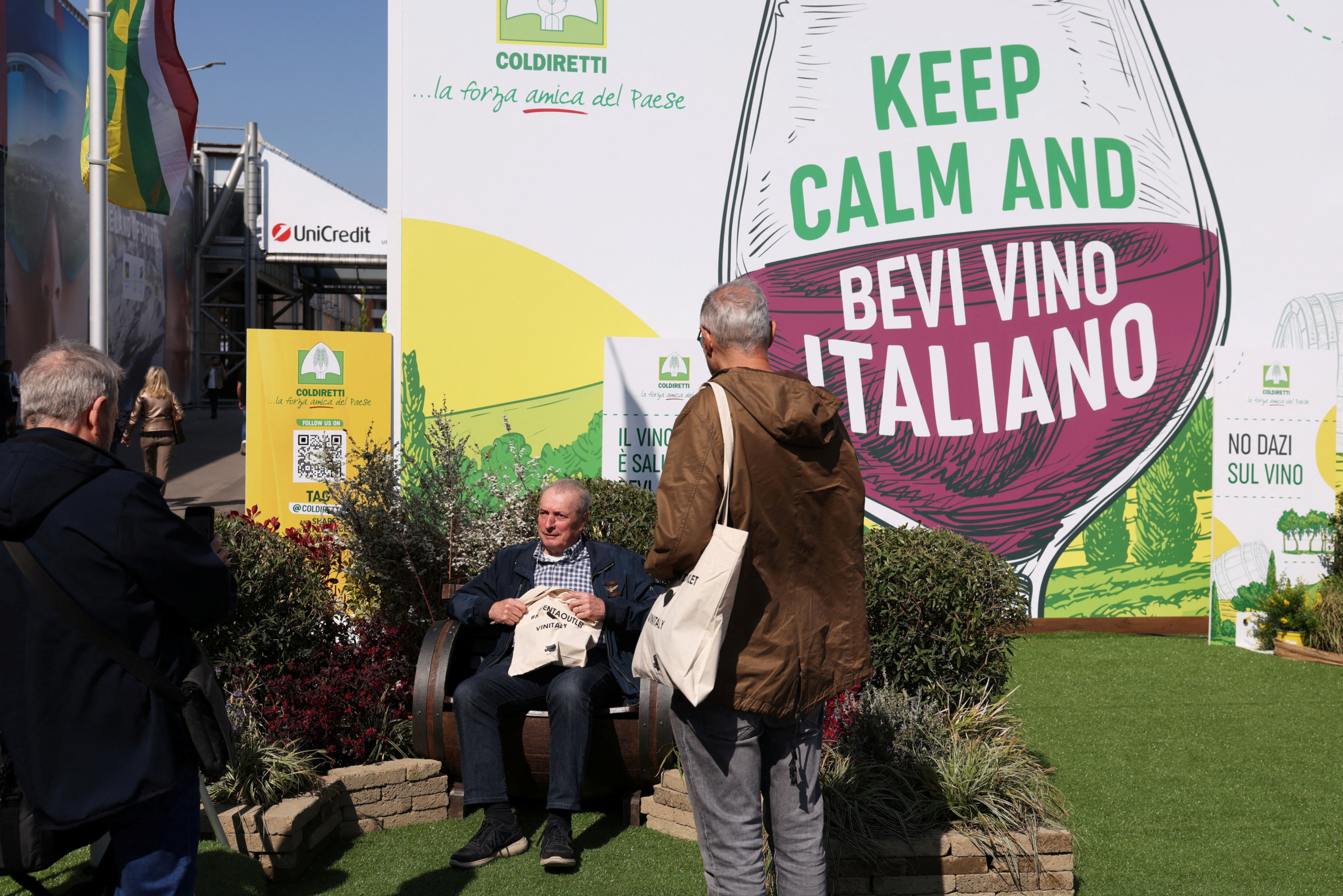
The outlook for Prosecco, Brunello di Montalcino and other Italian wines in the United States is increasingly gloomy, producers and importers said, following President Donald Trump's imposition of a 20% tariff on European imports.Italy exports more wine to the U.S. than any other country. Last year, it sold 2 billion euros ($2.2 billion) worth of wines, spirits and vinegars in the U.S. market, a quarter of its total worldwide exports, according to trade group Federvini.Italian producers and U.S. importers gathered at a wine fair in Verona, in the north-eastern Veneto region this weekend, said business had already been hit by the fear of U.S. tariffs and things could only get worse as they come fully into effect.Under the announced levies, Italian wine revenues would fall by some 323 million euros per year, said Lamberto Frescobaldi, chairman of the Italian Wine Union lobby.Wine traders and producers are pinning their hopes on a deal between Europe and the U.S. to scrap or reduce the tariffs."Hopefully, the EU will not retaliate - a trade war would be difficult to navigate," Simone Luchetti, president of U.S. importer Banville, told Reuters at the Vinitaly fair in Verona.While the sector was spared the 200% tariff Trump…